

Have you ever fished a quarter out of your pocket change and wondered if it might be worth more than 25 cents? Maybe you heard about a rare coin that sold for thousands, or you spotted a strange-looking quarter in the cash register at work. The truth is that most quarters are worth exactly what they say, but a small number are genuinely valuable. Knowing which is which saves you from two costly mistakes: tossing a treasure into a vending machine or paying too much for a coin that’s worth face value. (Best games nintendo switch 2 whats worth your time money) (Quarter (United States coin)))
The Short Answer: Most Quarters Are Worth 25 Cents
Let’s start with the reality check. Every quarter you find in everyday circulation is worth 25 cents unless it has silver in it or a rare flaw. The United States Mint has produced billions of quarters, and modern ones are made of copper and nickel. They wear out, get spent, and keep circulating. A 1998 quarter from your grandmother’s jar is not a hidden fortune.
That said, the word “worth” has layers. A quarter can have face value, melt value (what its metal is worth), and collector value (what someone will pay for it as a collectible). Those three numbers are rarely the same, and understanding the difference is the foundation of smart collecting.
The Silver Rule: The 1964 Cutoff
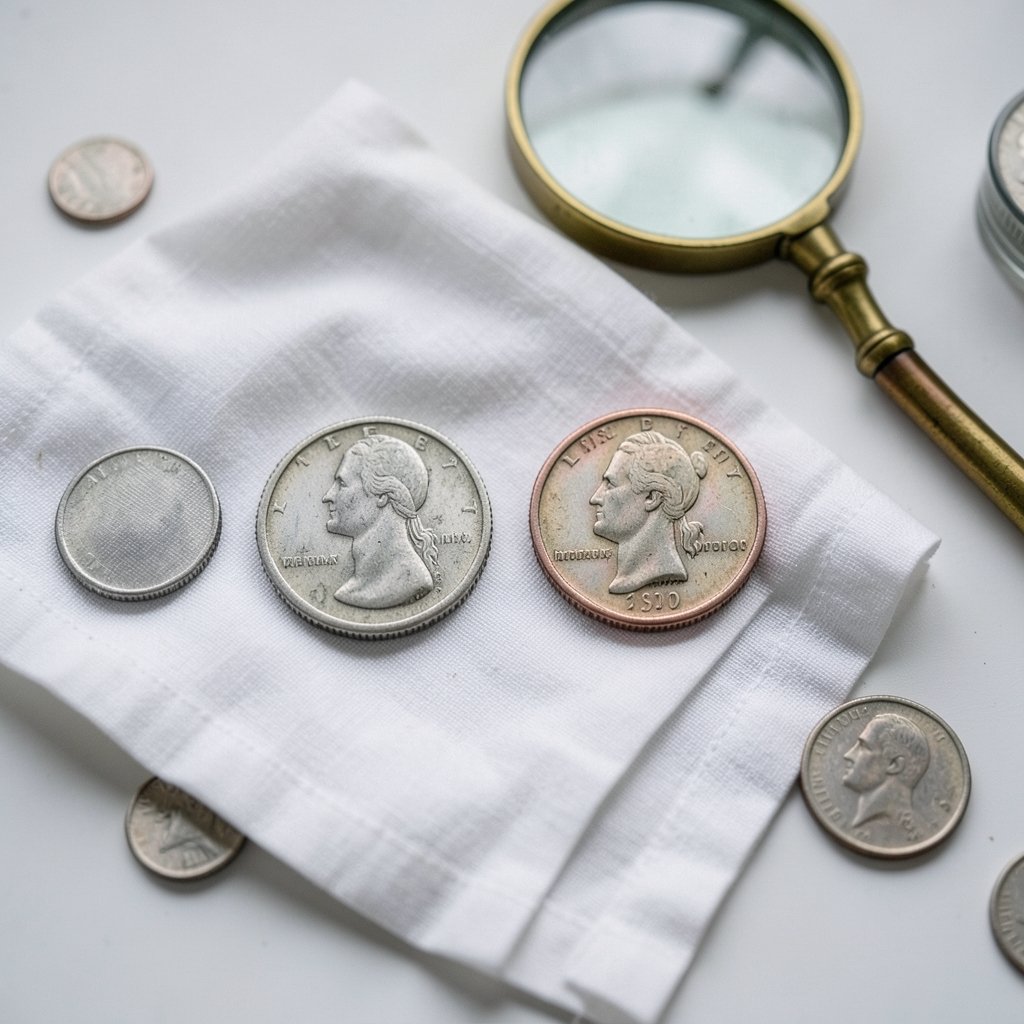
If you remember one fact from this article, make it this one. Washington quarters minted from 1932 through 1964 contain 90 percent silver. From 1965 onward, they are clad copper-nickel with no meaningful silver content. That single date line separates the quarters worth checking from the ones you can spend without a second thought.
The U.S. Mint publishes official specifications for every coin it makes, including weights and metal composition, so you can confirm exactly what you’re holding. Because silver prices change daily, the melt value of a silver quarter moves with the market. It’s never a fixed number. When silver is high, a common circulated silver quarter can be worth several dollars just for its metal, and dealers buy them in bulk by weight. When silver is low, the premium shrinks. Either way, a pre-1965 quarter is always worth at least its silver content, which is far more than 25 cents. (Xbox game pass cost 2025 real prices whether its worth)
A quick field test: look at the edge of the coin. Silver quarters have a solid, uniform look, while clad quarters show a copper-colored stripe sandwiched between layers. That trick alone will help you sort a jar of change in minutes.
The Rarities: 1932-D and 1932-S
The 1932 Washington quarter was the first year of the design, issued to mark the 200th anniversary of George Washington’s birth. Most 1932 quarters came from the Philadelphia mint and are common. The two you want to watch for carry a small “D” (Denver) or “S” (San Francisco) mint mark on the reverse, just above the word “QUARTER.”
Those two coins had very low mintages, and they are the key rarities of the entire Washington quarter series. Even in worn condition, they command a real premium, and nice examples can be worth hundreds or thousands of dollars depending on grade. If you ever find one in a junk-silver bag, you’ve had a very good day.
A Note on Mint Marks
Mint marks matter across the whole series; 1932 is one date among many. A “P” (Philadelphia), “D” (Denver), or “S” (San Francisco) tells you where a coin was struck, and some dates are far scarcer from one mint than another. Before you assume a quarter is common, flip it over and check the mark. It takes two seconds and is the most useful habit in coin hunting.
Special Designs: State, Park, and Women Quarters
Modern quarter programs created a lot of confusion about value. Here’s the plain truth: the 50 State Quarters Program ran from 1999 to 2008, the America the Beautiful quarters ran from 2010 to 2021, and the American Women quarters began in 2022. These designs are beautiful and fun to collect, but billions were minted. A complete set of circulated state quarters is worth face value plus a small premium, not a fortune.
The U.S. Mint also sells uncirculated and proof sets directly to collectors. That’s why pristine modern quarters are easy to find and carry little premium. The valuable versions of these programs are the errors, the low-mintage issues, and the top-grade examples, not the ordinary coins in your pocket.
Where collectors do find value is in completeness and condition. A full set in a nice folder has appeal, and a single coin graded at the top of the scale can be worth far more than its circulated twin. That’s why the smart move is to collect what you enjoy and not assume every new design is an investment.
Error Coins: Where the Real Money Hides
Error coins are the wild card of quarter collecting. A striking mistake at the mint can turn an ordinary quarter into a desirable rarity. Famous examples include doubled dies, where the design is stamped twice and shows a doubled image, and the Wisconsin “extra leaf” varieties, where an extra leaf appears near the corn on the reverse.
These coins are documented by hobby organizations rather than the mint, and premiums are set by collector demand, not official policy. That means values swing. A well-known error in high grade can sell for hundreds of dollars, while a minor anomaly might add only a few dollars. The lesson is to look closely at any quarter that seems off, then verify it against a respected reference before celebrating.
Common Mistakes People Make
- Assuming every old-looking quarter is rare. Age and rarity are different things.
- Cleaning a coin. Scrubbing removes the surface and destroys value. Never clean a coin you think might be valuable.
- Buying “rare” quarters from late-night ads at inflated prices.
- Ignoring mint marks and error varieties entirely.
- Storing coins loose in a drawer where they get scratched.
How Grading Changes Everything
Two identical-looking quarters can have wildly different values because of condition. The hobby uses a 70-point grading scale, and the difference between a mid-grade coin and a top-grade coin can be enormous. A coin that looks “nice” to a beginner might grade several points lower than a dealer’s example, and those points translate directly into dollars.
If you think you have something special, get a second opinion before selling. Reputable dealers will look at a coin for free at a coin show, and that informal appraisal is often enough to tell you whether formal grading is worth the fee.
What Actually Works in Practice
Practical coin hunting comes down to a few habits that separate lucky finds from wasted effort.
- Sort by decade first. Pull every quarter dated 1964 or earlier and set it aside. This takes minutes and immediately captures the silver.
- Check mint marks on anything from the 1930s and 1940s, where scarcity varies sharply by mint.
- Look at edges for the copper stripe to confirm clad versus silver.
- Examine designs for doubling or missing elements, especially on modern commemorative quarters.
- Store keepers in holders, not bags, and never clean them.
- Verify values against current references rather than old articles, because metal prices and collector demand both move.
The biggest practical trap is overconfidence. A beginner finds a silver quarter, reads a headline about a rare coin selling for thousands, and assumes the two are related. They aren’t. Silver quarters are common and worth a few dollars each. The four-figure coins are scarce dates in high grade or dramatic errors, and those are genuinely hard to find.
Another trap is buying. If you want to own a rare quarter, buy a certified example from a reputable dealer rather than gambling on an unsearched bag. The premium you pay for certainty is usually worth it.
When to Spend and When to Save
Not every interesting quarter belongs in a holder. A simple rule works well: keep silver, keep key dates, keep errors, and spend the rest. A circulated 2003 state quarter is not going to fund a vacation. Spending it keeps your collection focused and your budget sane.
If you enjoy the hunt, a coin roll from the bank is a cheap afternoon of entertainment. You might find a silver quarter, a worn key date, or nothing at all. That uncertainty is part of the fun, as long as you go in expecting face value and treat anything better as a bonus.
For readers who like weighing whether a purchase is genuinely worth the money, the same logic that applies to subscriptions and gadgets applies to coins: separate the hype from the actual value. A practical breakdown of cost versus payoff, like this look at whether Xbox Game Pass is worth its price, shows how the same clear-eyed math works in any hobby. Coin collecting rewards the same discipline. (Ynab vs monarch money zero based budgeting vs net worth)
The Bottom Line on Quarter Values
Quarters worth money fall into three buckets: silver coins from 1964 and earlier, scarce dates like the 1932-D and 1932-S, and error coins with documented appeal. Everything else is worth 25 cents, and that’s fine. The hobby is about curiosity and patience, not instant riches.
Start with a jar of change, a magnifying glass, and a current price guide. Sort for silver, check mint marks, and look closely at anything unusual. Most of the time you’ll find nothing special, and occasionally you’ll find a coin that makes the whole search worthwhile. That’s the honest version of the treasure hunt, and it’s a lot more fun than chasing myths.
Frequently Asked Questions
Are all quarters made before 1965 worth more than face value?
Yes, in practice. Washington quarters from 1932 through 1964 contain 90 percent silver, so even a heavily worn common date is worth more than 25 cents based on its metal content alone. The exact premium depends on the current silver price, which changes daily.
What is the rarest Washington quarter?
The 1932-D and 1932-S quarters are the key rarities of the series because of their low mintages. Both are worth a significant premium even in circulated condition, and high-grade examples are worth far more. Always check the mint mark on the reverse of any 1932 quarter.
Are state quarters worth keeping?
Most circulated state quarters are worth face value. Billions were minted, and the U.S. Mint sold uncirculated sets directly, so pristine examples are common. The exceptions are error varieties, top-grade certified coins, and complete sets in nice condition, which carry a modest premium.
How can I tell if a quarter is silver without a scale?
Look at the edge. Silver quarters have a solid, uniform appearance, while clad quarters show a copper-colored stripe between two outer layers. You can also compare the sound and heft, but the edge test is the fastest and most reliable method for beginners.
Should I clean a quarter I think is valuable?
No. Cleaning removes metal from the surface and leaves scratches and an unnatural look that graders detect immediately. A cleaned coin can lose a large share of its value. Store it in a holder and leave the surface alone.
Where should I check the value of a specific quarter?
Use a current price guide and confirm against recent sold listings rather than asking prices. Metal values change daily, and collector premiums shift with demand. For anything potentially significant, get a free opinion from a reputable dealer before spending money on formal grading.



