

Have you ever searched for “Cole Henry” and gotten a confusing mix of baseball stats, basketball box scores, and random social media profiles? You are not alone. The name belongs to more than one public figure, and that overlap makes it surprisingly hard to find the person you actually want. This guide sorts out the most likely referents, explains what is known about each, and shows readers how to find reliable information without falling for guesswork.
Why the Name Cole Henry Causes So Much Confusion
The core problem is simple: Cole Henry is not a unique name. At least two athletes have carried it in American college and professional sports in recent years, and plenty of private citizens share it too. Search engines do not always know which one you mean, so results blend together.
There is a second layer of confusion. Sports coverage moves fast. Rosters change, players get traded, and minor-league stats update constantly. Any article that claims to know exactly where a player stands today should be treated with caution unless it cites a live source.
The practical takeaway is this: before trusting any fact about a Cole Henry, confirm which Cole Henry you are reading about. Baseball and basketball are the two main lanes.
The Baseball Cole Henry: A Pitcher from the Nationals System
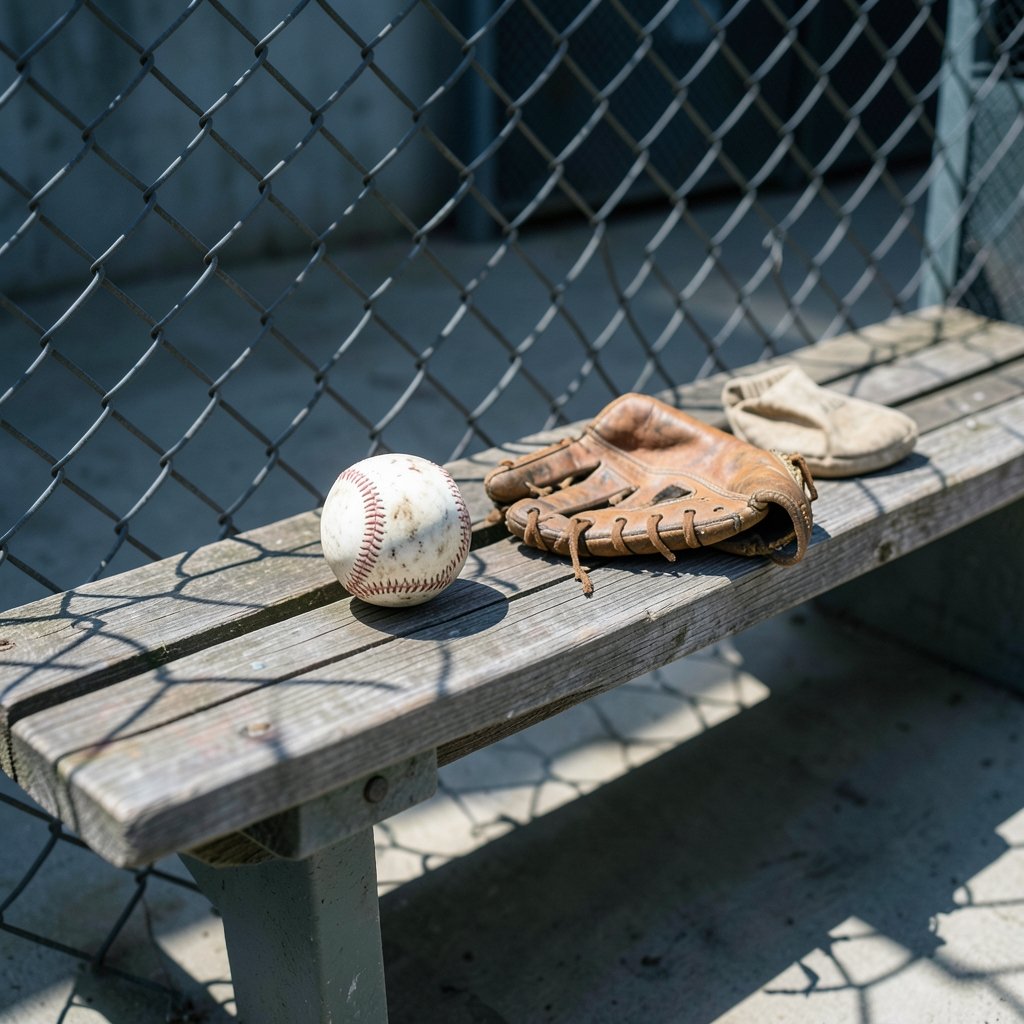
The most widely referenced Cole Henry is a right-handed pitcher who appeared in the Washington Nationals minor-league system in the early 2020s. That much is reasonably well established. The details around his path are where caution is needed.
College Career at Southeastern Louisiana
Reports link the pitcher to Southeastern Louisiana University, where he played college baseball before turning professional. College programs are a common starting point for undrafted players trying to break into affiliated ball, and this pathway fits that pattern.
Readers who want to verify this should check the university’s athletics archives and roster pages directly. College rosters are usually preserved year by year, which makes them one of the most reliable places to confirm a player’s college affiliation.
Signing as an Undrafted Free Agent
One detail that comes up repeatedly is that he was reportedly signed as an undrafted free agent rather than selected in the draft, around 2020. This is worth flagging as lower-confidence information. Undrafted signings are often announced quietly through team press releases rather than major draft coverage, so they are easy to miss and easy to misreport.
Why does this matter? Because undrafted free agents face a different development path than drafted players. They usually get shorter looks, less signing money, and less media attention. A player who sticks in a system anyway has done something genuinely difficult.
Where to Find His Minor-League Numbers
Minor-league statistics for the baseball player are tracked on established baseball stat databases and official league pages. If you want real numbers rather than vague claims, those are the places to look. Expect to find innings pitched, strikeouts, walks, and earned run average broken down by season and level.
One practical tip: minor-league stats can look messy because players move between levels mid-season. A pitcher might throw at two or three affiliates in a single year. Always check the level column, not just the totals.
A Note on Current Status
Here is where honesty matters. Reliable information about trades, roster moves, and retirements from 2025 and 2026 is hard to confirm without a live check. Anyone who tells you exactly where this pitcher is right now, without pointing to an official team or league page, is guessing.
The Basketball Cole Henry: Northern Iowa
A second plausible referent is a Cole Henry who played men’s college basketball at Northern Iowa in roughly the 2020 to 2024 window. This one carries lower confidence and should be verified before repeating.
College basketball rosters are well documented, so this is easy to check. University athletics sites typically list players by season with height, position, hometown, and stats. If a Cole Henry appears on a Northern Iowa roster in that window, the record will show it clearly.
Why mention a lower-confidence referent at all? Because search results genuinely mix the two. A reader looking for the basketball player may stumble onto baseball stats and assume they found the wrong person entirely. Knowing both possibilities exist saves time.
How to Tell Which Cole Henry You Are Looking For
The fastest way to disambiguate is to add a qualifier to your search. The table below shows how small changes in wording produce very different results.
| What you add | What you will likely find | Best for |
|---|---|---|
| Sport name (baseball or basketball) | Player pages tied to that sport | Quick identification |
| A team or university name | Roster and archive pages | Confirming college or pro affiliation |
| A season or year | Stats for that specific period | Tracking development over time |
| A stat site name | Statistical profiles and transaction logs | Deep research |
| Nothing at all | A mix of athletes, profiles, and unrelated people | Almost never useful |
The lesson is straightforward. A bare name search on a common name is a weak search. A name plus a context word is a strong one.
Common Mistakes People Make When Researching This Name
First-hand experience with name-based research reveals a few recurring traps. These come up again and again.
Mistake one: assuming the first result is the right person. Search engines rank by relevance signals, not by your intent. If you want the basketball player, the top result may still be the pitcher.
Mistake two: trusting undated articles. A profile written in 2021 may describe a player as “currently with” a team that released him two years later. Always check the publication date before believing a status claim.
Mistake three: mixing up college and professional stats. College numbers and minor-league numbers use different contexts, competition levels, and even different stat definitions. Comparing them directly is misleading.
Mistake four: treating social media as a source of record. A verified team page or league database beats a fan account every time. This is not a knock on fans. It is just about reliability.
Mistake five: overlooking the boring stuff. Roster archives, transaction logs, and press releases are unglamorous, but they are where accurate information actually lives.
What Actually Works in Practice
If you want a reliable answer about any Cole Henry, follow a simple sequence.
- Decide which sport or context you care about before you search.
- Add that context word to your query from the start.
- Open the official team, university, or league page rather than a summary article.
- Check the date on everything you read.
- Cross-check any surprising claim against a second independent source.
- Note the level or league when reading stats, since context changes meaning.
This process takes maybe five extra minutes and eliminates most of the errors people make. It also mirrors how careful shoppers verify product details before buying, a habit that shows up in all kinds of research. The same instinct applies when people check reviews before trusting a listing, and it works just as well for verifying an athlete’s profile.
Why Undrafted and Lower-Profile Players Are Harder to Research
There is a structural reason this name is tricky. Major draft picks get wall-to-wall coverage: scouting reports, draft-night graphics, signing bonuses, and immediate prospect rankings. Undrafted free agents and mid-major college players get a fraction of that.
The result is a documentation gap. Basic facts exist, but they are scattered across press releases, local newspaper archives, and university pages rather than collected in one place. When a name is also common, that gap widens into genuine confusion.
This is not a flaw in the players. It is a flaw in how sports media allocates attention. Understanding it helps readers calibrate their expectations: if a fact about a lower-profile player is hard to find, that is normal, and it does not mean the fact is false.
What the Name Tells Us About Sports Research
The Cole Henry case is a useful small example of a bigger issue. Sports fans increasingly rely on search engines to answer factual questions, but search engines are built for general relevance, not precision. Names that repeat across rosters, leagues, and generations break that model.
The fix is not better technology alone. It is better search habits. Qualifiers, official sources, dates, and cross-checks do most of the work. Anyone who adopts those habits will rarely be misled, even on a name as crowded as this one.
Conclusion
Cole Henry is a name that points in more than one direction. The best-documented referent is a right-handed pitcher who reportedly came out of Southeastern Louisiana University and signed with the Washington Nationals organization as an undrafted free agent around 2020. A second plausible referent is a college basketball player at Northern Iowa in the early 2020s, though that identification deserves verification before anyone repeats it as fact.
What ties these threads together is not the name itself but the method. Confirm the context, check the official source, look at the date, and cross-check anything surprising. Do that, and a confusing name search turns into a clean answer in a few minutes. Skip it, and you may end up quoting a stat line from the wrong sport entirely.
FAQ
Is Cole Henry a baseball player or a basketball player?
Both possibilities exist. The most commonly referenced Cole Henry is a right-handed pitcher who appeared in the Washington Nationals minor-league system in the early 2020s. A separate Cole Henry is reported to have played men’s college basketball at Northern Iowa around 2020 to 2024, though that identification carries lower confidence and should be verified against university roster archives.
What college did the baseball Cole Henry attend?
Reports link him to Southeastern Louisiana University before his professional career began. College athletics sites typically maintain year-by-year rosters, which makes them the most reliable place to confirm this detail. Readers should check the university’s own archives rather than relying on summary articles.
Was Cole Henry drafted?
The available information suggests he was signed as an undrafted free agent around 2020 rather than selected in the draft. This detail is lower-confidence because undrafted signings often receive minimal media coverage and are announced through quiet team press releases. Verify against official team or league transaction records before treating it as settled.
Where can I find Cole Henry’s minor-league statistics?
Minor-league stats for the baseball player are tracked on established baseball statistical databases and official league pages. When reading them, pay attention to the level column, since pitchers frequently move between affiliates within a single season and raw totals can be misleading without that context.
Why is it so hard to find reliable information about this name?
Two reasons combine. First, the name is common enough that multiple athletes and private individuals share it, so search results blend together. Second, lower-profile players such as undrafted free agents and mid-major college athletes receive far less coverage than top draft picks, leaving basic facts scattered across press releases and university archives.
How do I make sure I am reading about the right Cole Henry?
Add a qualifier to your search from the start, such as the sport, team, university, or season. Then open the official team, university, or league page rather than a summary article, check the publication date on everything, and cross-check any surprising claim against a second independent source. This small routine eliminates most mix-ups.



