
What if the most confusing thing about a bottle of 1800 tequila isn’t the price or the flavor, but the number itself? Plenty of shoppers pick it up assuming the “1800” marks a vintage year, a batch number, or some kind of age statement. None of those guesses are right. The number is a brand name, and understanding what it does and doesn’t tell you changes how you read the label, how you choose among the expressions, and how you decide whether the bottle earns a spot on your shelf.
The Number on the Label Is a Name, Not a Date
1800 is a brand of tequila, not a category, not a production year, and not an age statement. The name points to the year 1800, which the brand ties to the early days of commercial tequila production in Mexico. That’s a marketing narrative more than a settled historical fact. Historians place the formal rise of tequila as a distinct, regulated spirit in the 19th century, centered on the town of Tequila in Jalisco, so treat the origin-year claim as brand lore rather than a documented milestone.
This matters in practice because the number invites a very common mistake. Wine drinkers are trained to read a year as a vintage. On a tequila bottle, that instinct misfires completely. A bottle of 1800 Blanco produced this year and one produced five years ago carry the same number, because the number never referred to production in the first place. The actual age information lives elsewhere on the label, in the category name.
The brand itself is owned by Proximo Spirits, which acquired it from the Beckmann family, the family behind Jose Cuervo, in 2012. Proximo also owns Cuervo, so two of the most recognizable names in the category sit under one roof.
What 100% Agave Actually Means
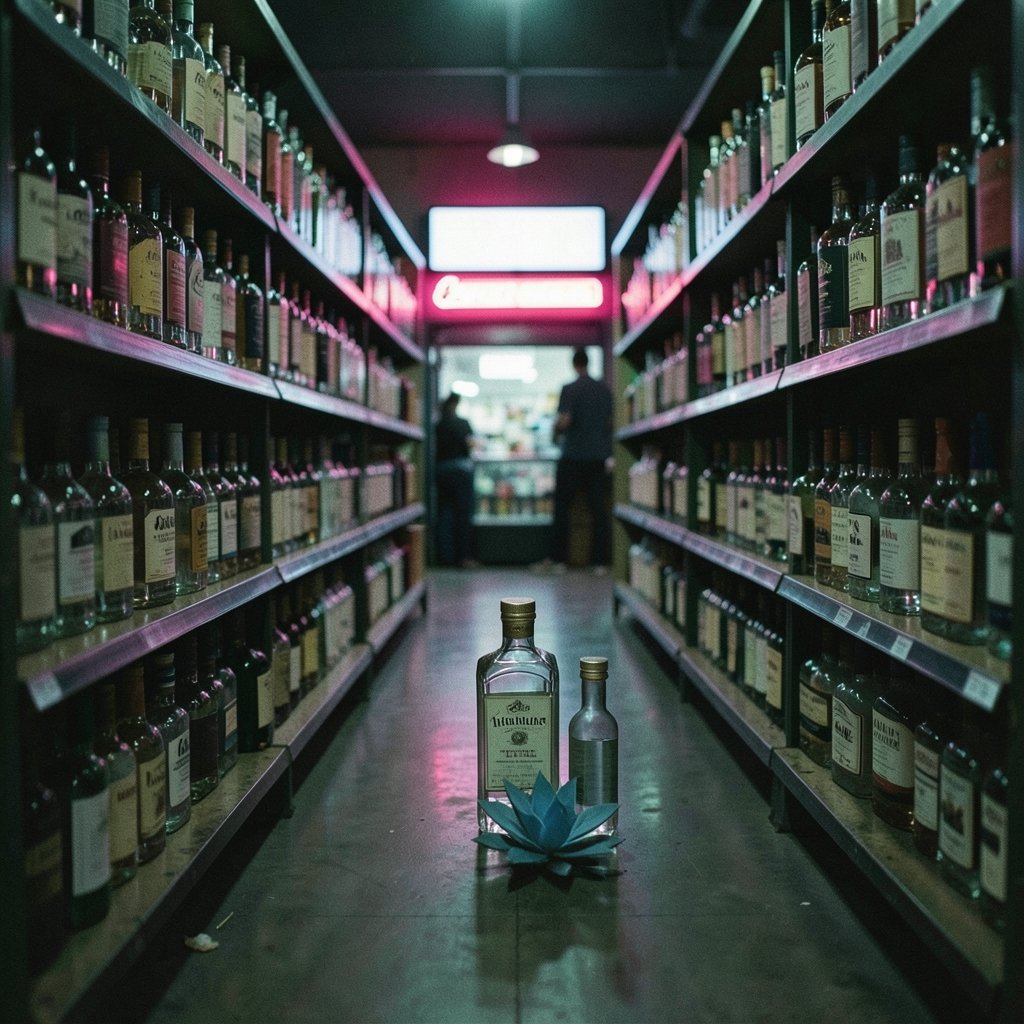
1800 is a 100% blue Weber agave tequila. That phrase is doing real work. Under Mexican tequila rules, a bottle labeled 100% agave must be made only from blue Weber agave sugars. A mixto, by contrast, may include up to 49% other sugars, which is why mixtos often taste thinner and carry a sharper alcohol bite.
The distinction is defined under NOM-006, the Mexican standard that governs tequila production. If you want to compare 100% agave bottles across brands, it helps to know the wider landscape, and a guide to the best tequila can give you useful context on how 1800 stacks up against its peers.
A practical tip can save money and disappointment: when shopping for sipping tequila, check the front label for “100% de agave” rather than “tequila” alone. The two are legally different products, and the price gap usually reflects that. A bottle that says only “tequila” can legally be a mixto, and no amount of fancy bottle design changes the liquid inside.
The Core Expressions and How They Differ
The aging categories on a tequila label are set by Mexican regulation, not by the brand. 1800’s core lineup maps onto those categories cleanly.
| Expression | Aging | Typical character | Best use |
|---|---|---|---|
| Blanco | Unaged or briefly rested | Bright agave, citrus, pepper | Margaritas, palomas, mixing |
| Reposado | Aged in oak, roughly 2 months to under a year | Softer agave with vanilla and light oak | Sipping neat or on the rocks, versatile cocktails |
| Añejo | Aged at least one year in oak | Richer, rounder, caramel and oak forward | Slow sipping, after-dinner pours |
The practical takeaway is straightforward. Blanco is the workhorse. It’s the expression that holds up best against lime, grapefruit, and strong mixers because its agave character is loud and uncluttered. Reposado is the middle ground and the safest single bottle to buy if you’re stocking a home bar for mixed company, since it works both neat and in drinks. Añejo is where oak takes over, and it’s the one to pour when the drinking occasion is the point rather than the cocktail.
A mistake people make constantly is buying añejo for margaritas. The oak and caramel notes fight citrus rather than complement it, and you’ve paid a premium to bury what you paid for. Save the añejo for a glass and a quiet evening. Use blanco when lime is involved.
Tequila Is a Protected Product, and That Protects You
Tequila carries a protected designation of origin. It can only be produced in specified regions of Mexico, principally Jalisco, plus limited municipalities in Guanajuato, Michoacán, Nayarit, and Tamaulipas. The designation is enforced under Mexican law and recognized internationally, including by the European Union.
The Consejo Regulador del Tequila, or CRT, is the body that certifies and oversees production and the use of the name. It was established in 1994. In plain terms, this means a bottle labeled tequila went through a regulated process in a defined place. It doesn’t guarantee you’ll love the flavor, but it does guarantee you’re not drinking something made from fermented whatever in a shed.
This is also why “tequila” made outside Mexico isn’t tequila. Spirits distilled from agave elsewhere exist, and some are quite good, but they can’t legally carry the name. Knowing that helps you read a shelf quickly: if the bottle says tequila, the origin and base material are regulated. If it says something else, different rules apply.
How to Actually Drink It
The brand’s reputation is built on accessibility, and the drinking advice should match. A few things that work in practice:
- Taste blanco at room temperature first. Chilling mutes the agave and pepper notes. Decide whether you like it before you ice it.
- Use fresh lime, not sour mix. The gap between a good margarita and a bad one is almost always the mixer, not the tequila.
- Measure the spirit. A margarita built with a heavy hand tastes like regret by the second glass. Two parts tequila, one part fresh lime, one part orange liqueur is a reliable baseline.
- Skip the salt rim if you’re sipping. Salt is there to soften harshness in a cocktail. On a neat pour, it just gets in the way.
- Store the bottle upright, away from light and heat. Tequila doesn’t improve in the bottle the way wine does. Once opened, it’s best finished within a year or so, though it won’t spoil.
A common misstep is treating reposado and añejo exactly like blanco in cocktails. They can work, but the oak competes with mixers. If you want to experiment, try a reposado in an old fashioned variation rather than a margarita, where the vanilla notes have room to show.
Where 1800 Fits in the Wider Market
1800 sits in the mid-market tier. It’s priced above the entry-level mixtos and below the premium and ultra-premium bottles that dominate cocktail bar backbars. That positioning is the whole point of the brand: a 100% agave product at a price that doesn’t require an occasion.
For a buyer, this creates a useful decision rule. If you’re mixing for a party and going through bottles quickly, a mid-market 100% agave option like 1800 makes financial sense. If you’re sipping one glass on a Friday and want the agave to be the star, the premium tier earns its markup. Most home bars end up with both: a workhorse bottle for cocktails and a nicer bottle for slow evenings.
The brand’s Blanco and Reposado are the two most commonly stocked expressions, and for good reason. They cover the widest range of uses. Añejo is a smaller-volume purchase for most people, and buying it in a smaller bottle is a smart way to test whether you like oak-forward tequila before committing to a full-size bottle.
One thing worth flagging: the bottle design is distinctive, with a squat, square silhouette that’s easy to spot on a shelf. That’s a branding choice, not an indicator of quality. Plenty of excellent tequila comes in plain glass, and plenty of mediocre tequila comes in beautiful glass. Read the label, not the bottle.
Common Misconceptions Worth Clearing Up
A few myths circulate often enough to be worth naming directly.
“1800 means it’s aged 18 years.” No. The number is a name. Añejo aging is measured in years, but the minimum is one year, and no tequila in this price tier spends nearly two decades in oak.
“All tequila is made from the same agave.” Only blue Weber agave is used for tequila, but the quality of the plants, the harvest timing, and the distillation method vary widely. That’s why two 100% agave bottles can taste completely different.
“The worm in the bottle is a quality marker.” That’s a mezcal tradition, not a tequila one, and it isn’t a sign of quality in either category.
“Dark tequila is always aged longer.” Color can come from oak, but it can also come from additives. Age is stated in the category name, so trust the label over the tint.
“Tequila and mezcal are the same thing.” Mezcal is a broader category made from various agave species, often roasted in pits, which gives it smoke. Tequila is a specific type of mezcal-style spirit made from blue Weber agave under its own rules.
Conclusion
The number on the bottle is a story, not a date. 1800 is a 100% blue Weber agave tequila from Jalisco, owned by Proximo Spirits since 2012, and its name nods to the brand’s version of tequila’s commercial origins rather than to any aging or vintage claim. What actually tells you how the liquid will taste is the category name: Blanco, Reposado, or Añejo. Buy blanco for cocktails, reposado as the all-purpose bottle, and añejo for slow sipping. Check for “100% de agave” on the label, store the bottle away from heat and light, and use fresh mixers. Do those things and the bottle delivers exactly what it promises, which is a dependable mid-market tequila that doesn’t pretend to be something it isn’t.
FAQ
Is 1800 tequila a vintage or an age statement?
Neither. The “1800” is a brand name referring to the year the brand associates with the early days of commercial tequila production in Mexico. It does not indicate the year the bottle was made, and it says nothing about how long the spirit was aged. For actual aging, read the category name on the label: Blanco, Reposado, or Añejo.
Is 1800 a 100% agave tequila?
Yes. 1800 is made from 100% blue Weber agave, which means no other sugars are added to the fermentation. That distinguishes it from a mixto, which may contain up to 49% other sugars under Mexican tequila rules. Check the front label for “100% de agave” to confirm on any bottle, since the phrase is legally meaningful.
Who owns 1800 tequila?
Proximo Spirits owns the brand. It acquired 1800 from the Beckmann family, the family behind Jose Cuervo, in 2012. Proximo also owns Cuervo, which means both brands operate under the same corporate parent even though they occupy different price points and have distinct flavor profiles.
What is the difference between 1800 Blanco, Reposado, and Añejo?
The difference is aging. Blanco is unaged or briefly rested and tastes bright and peppery, making it best for cocktails. Reposado spends roughly two months to under a year in oak, picking up vanilla and light oak, which makes it the most versatile bottle. Añejo ages at least a year, developing caramel and deeper oak notes, and is best sipped slowly rather than mixed.
Does the number 1800 mean the tequila is 18 years old?
No. That’s one of the most common misreadings of the label. The number is simply the brand’s name. Añejo tequila must age at least one year under Mexican rules, and no tequila in this price range spends anything close to 18 years in oak. Trust the category name, not the number, when judging age.
Can tequila only be made in Mexico?
Yes. Tequila holds a protected designation of origin and can only be produced in specified regions of Mexico, mainly Jalisco, plus limited municipalities in Guanajuato, Michoacán, Nayarit, and Tamaulipas. The Consejo Regulador del Tequila certifies production and the use of the name. Spirits made from agave elsewhere exist, but they cannot legally be labeled tequila.



