
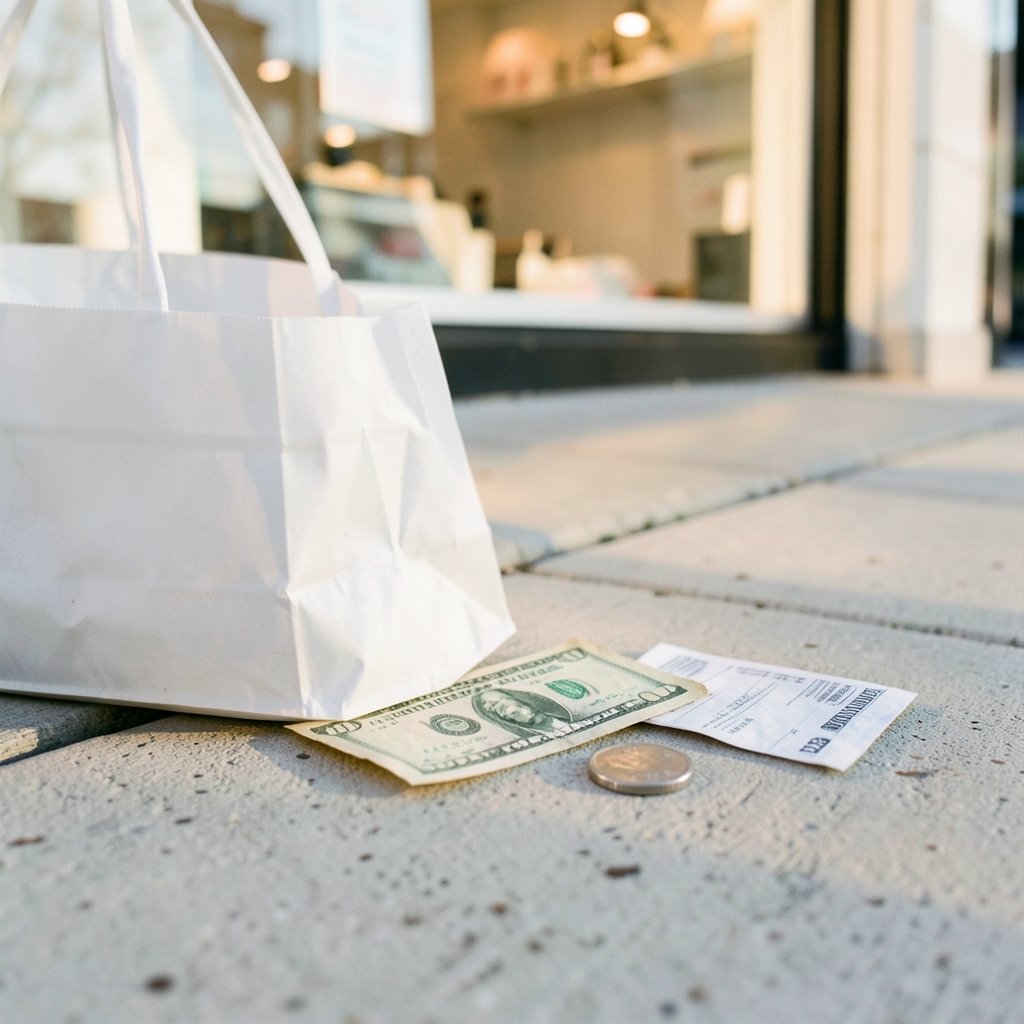
What if the odd $2 bill a cashier hands back with your change is worth far more than two dollars? Most people spend it without a second thought, or tuck it away as a curiosity. Yet a small number of $2 notes carry real premiums, sometimes hundreds or thousands of dollars. The trick is knowing which ones, and why. The gap between a spendable note and a collector’s prize usually comes down to age, condition, printing errors, and serial numbers, not luck.
The $2 Bill Is Not Rare, and That Matters
The first thing to get straight: the modern $2 bill is a current, circulating Federal Reserve note. It is not discontinued, and it is not scarce in the way folklore suggests. The Bureau of Engraving and Printing has kept printing $2 notes in recent decades, just in smaller volumes than $1, $5, or $20 notes. The modern design dates to 1976, when the Treasury reintroduced the denomination for the U.S. Bicentennial, pairing Thomas Jefferson’s portrait on the front with John Trumbull’s “Declaration of Independence” on the back. (Circulating Currency)
That history explains the most common mistake sellers make. Someone finds a crisp 1976 $2 bill in a drawer, reads a headline about “$2 bills worth thousands,” and assumes they hit the jackpot. In reality, millions of 1976 notes were printed, and most circulated examples are worth face value or a dollar or two above it. The 1976 date is a starting point for collectors, not a finish line. (Ynab vs monarch money zero based budgeting vs net worth) (United States two-dollar bill)
The most recent redesign is Series 2017A, according to the Bureau of Engraving and Printing’s currency series listings. If a note says 2017A, it is about as modern as $2 bills get, and it is almost certainly worth two dollars unless it carries an unusual serial number or a printing error.
What Actually Makes a $2 Bill Worth Money
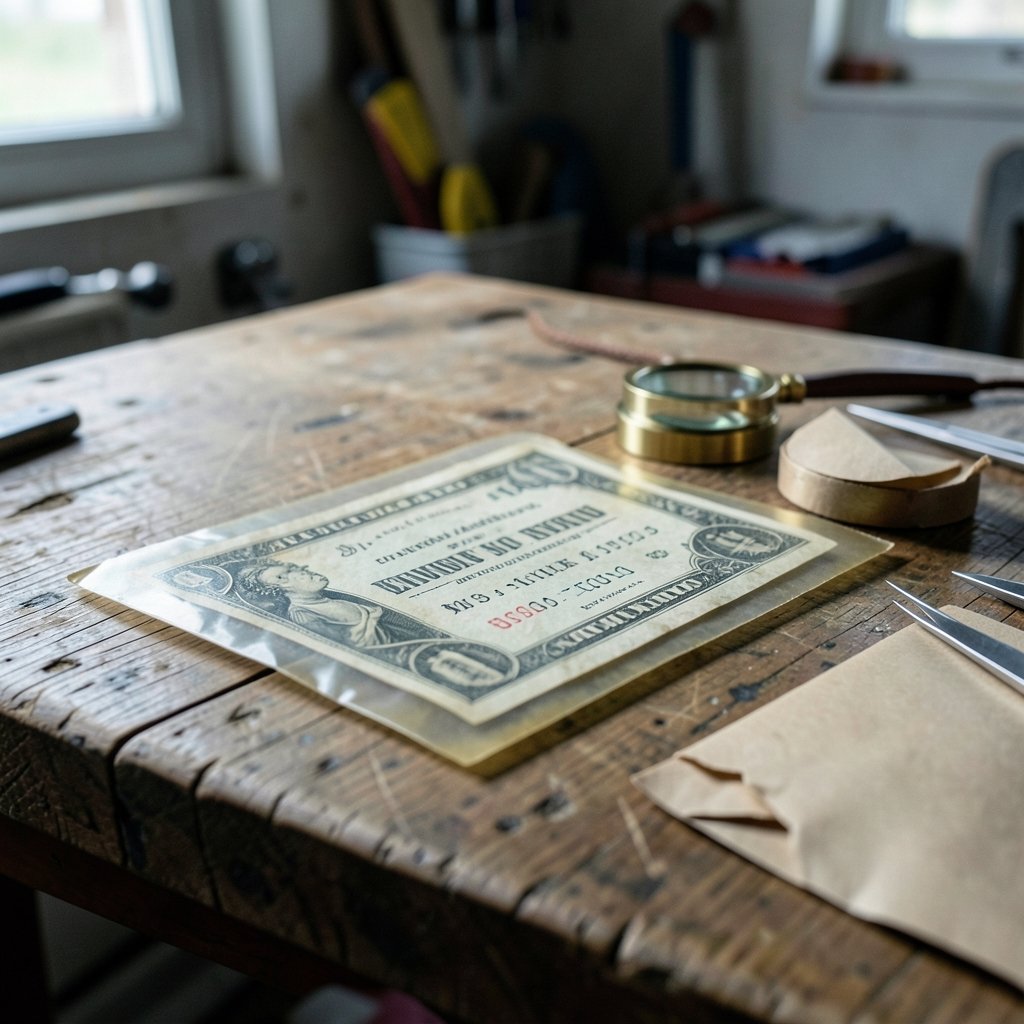
Collectors sort valuable $2 bills into a few clear buckets. Understanding these categories is the single most useful skill for anyone sorting a stack of notes.
| Category | What to Look For | Typical Premium |
|---|---|---|
| Genuine rarities | 19th-century large-size notes, early Legal Tender notes, “Lazy 2” designs | High, auction-dependent |
| Error notes | Miscuts, misprints, missing print, offset errors | Moderate to high |
| Star notes | Serial number ending in a star from a scarce print run | Small to moderate |
| Uncirculated examples | Crisp, unmarked notes in high grades | Small to moderate |
| Common circulated notes | Worn modern bills, any series | Face value |
The key phrase in that table is “auction-dependent.” Figures shared online are often tied to a specific sale on a specific date at a specific grade. A note that sold for a headline-grabbing sum may have been uncirculated with an unusual serial number, while the worn bill in your wallet shares only the denomination.
The “Lazy 2” and Other 19th-Century Rarities
The nickname “Lazy 2” refers to 19th-century $2 notes whose large numeral “2” was oriented sideways. These are genuine collector items, and they sit at the top of the $2 market. Early Legal Tender notes and other large-size currency from that era are the notes that command serious money, because survival rates are low and demand from specialized collectors is steady.
Practical tip: if you inherit old paper money, do not fold it, do not tape it, and do not clean it. Handling damage and amateur “restoration” destroy value faster than almost anything else. Store notes flat in an acid-free holder and get an expert opinion before selling.
Error Notes: When a Mistake Becomes the Point
Printing errors are where casual collectors find real upside. A miscut note with part of the design shifted off-center, a bill missing a print layer, or a note with an offset image can carry a premium because error notes are, by definition, uncommon. The trick is that not every odd-looking bill is an error. Folds, stains, and wear can mimic errors to an untrained eye.
What works in practice: compare the suspect note against a normal $2 bill from the same series. Look at the borders, the alignment of the green seal, and whether any design element is missing. If something looks genuinely off, set it aside and get it authenticated rather than spending it.
Star Notes and Low Serial Numbers
Star notes carry a serial number ending in a star. They replace defective notes in a print run, so they are rarer than standard notes from the same run. On $2 bills, star notes can carry premiums, but the size of that premium depends heavily on how scarce the specific print run is. A star note from a large run may add only a small amount; one from a short run can be worth considerably more.
Low serial numbers work on the same logic. A note with a serial number like 00000001 or a repeating pattern draws collector interest. The catch is that condition still matters. A low serial number on a heavily worn bill is worth far less than the same number on a crisp note.
Condition Is Half the Battle
Grade drives value more than almost any other factor for common-date notes. A circulated 1976 $2 bill might be worth face value, while an uncirculated example of the same note can sell for a few dollars more. That spread sounds small, but it scales fast as notes get older and rarer.
Collectors grade notes on a standardized scale, and even the basics help. The American Numismatic Association publishes collector resources that explain note grading, star notes, and error notes, which is a sensible place to start if you want to grade your own finds before paying for an appraisal. Knowing the difference between “about uncirculated” and “extremely fine” can change an offer by a sizable margin.
Common mistakes people make with condition:
- Ironing or pressing a folded note, which can be detected and lowers appeal.
- Writing on a holder instead of the note, which is fine, versus writing on the note itself, which is not.
- Storing notes in humid basements or hot attics, where paper money can develop foxing and mildew.
- Carrying a potentially valuable note in a wallet, where edges soften and corners round.
What actually works is boring but effective: keep notes flat, dry, dark, and untouched, and handle them by the edges if you must handle them at all.
The Folklore Problem: Why People Think $2 Bills Are Rare
A widely repeated claim holds that $2 bills are unlucky or rare. Both ideas are largely folklore. The note is legal tender and has been printed in large quantities over time. Its lower profile in daily life reflects consumer habit and cash-register convention, not discontinuation. Cashiers sometimes set them aside because they seem unusual, which creates a feedback loop: fewer $2 bills circulate, so each one feels special.
That perception has real consequences for buyers. Sellers who believe every $2 bill is rare sometimes ask prices no collector will pay. Buyers who believe the folklore sometimes overpay for common notes. The fix is simple: check the series, the condition, and the serial number before assuming anything.
If you are sorting a household stash of old currency and trying to decide what to keep, it helps to think about value the same way you would about other collectibles. The same discipline that applies to deciding whether a subscription or a piece of tech is worth the outlay applies here: separate the hype from the actual resale numbers. A practical guide to weighing cost against real-world value, like this breakdown of whether ChatGPT Plus is worth it in 2026, shows the same pattern of asking what something actually sells for rather than what a headline claims. (Xbox game pass cost 2025 real prices whether its worth)
How to Check a $2 Bill in Five Minutes
A quick routine catches most of what matters. It will not replace an expert, but it filters out the notes that are plainly ordinary.
- Check the series date on the front, usually to the right of the portrait. 1976, 1995, 2003, 2003A, and 2017A are modern notes. Anything older deserves a closer look.
- Look at the serial number. Does it end in a star? Is it unusually low or a repeating pattern?
- Inspect the borders and alignment for miscuts or missing print.
- Assess condition. Crisp, unmarked, sharp-cornered notes are worth more than soft, folded ones.
- Compare against a known normal note from the same series if anything looks strange.
If a note passes several of these checks, do not spend it. Set it aside and get a second opinion. The cost of an appraisal is small next to the value of a genuine rarity, and the cost of spending a rare note by accident is permanent.
Where the Real Money Sits
Genuine rarities dominate the high end of the $2 market. Large-size 19th-century notes, early Legal Tender issues, and “Lazy 2” designs are the notes that show up in serious auctions. The Smithsonian National Numismatic Collection holds historical context for these 19th-century designs, which is useful if you want to understand what you are looking at before you sell. Modern notes with unusual features sit in the middle: real premiums, but measured in dollars or low hundreds rather than thousands.
The honest summary is that most $2 bills are worth two dollars. A small minority are worth a little more. A very small number are worth a lot. Sorting them takes five minutes and a bit of knowledge, and that knowledge is the deciding factor. (Best games nintendo switch 2 whats worth your time money)
Conclusion
The $2 bill is a working currency note with a collector’s shadow. It circulates, it gets printed, and most examples are spendable at face value. But age, condition, errors, and serial numbers create a real secondary market, and the notes at the top of that market are genuinely valuable. The people who profit from $2 bills are rarely the ones chasing headlines. They are the ones who know the series dates, check the serial numbers, protect condition, and get a second opinion before selling. Start with those habits, and the odds of spotting a note worth more than two dollars go up sharply. The next time a $2 bill lands in your hand, take the extra five minutes. It costs nothing, and it might be the best return you get all week.
FAQ
Are $2 bills worth more than face value?
Some are, most are not. Common circulated modern $2 bills are generally worth face value or a small premium. Genuine rarities, error notes, scarce star notes, and uncirculated high-grade examples can be worth more, sometimes much more, depending on the specific note and the buyer.
Is a 1976 $2 bill valuable?
Usually not much. The 1976 series was printed in large quantities for the Bicentennial, so circulated examples typically bring face value or slightly above. A crisp, uncirculated 1976 note may carry a modest premium, and unusual serial numbers or errors can add more.
What is a “Lazy 2” $2 bill?
It is a nickname for certain 19th-century $2 notes whose large numeral “2” was oriented sideways. These are collector items and sit among the more valuable $2 notes, though exact values depend on the specific issue, grade, and auction results.
Are star notes on $2 bills worth money?
Sometimes. A star note replaces a defective note in a print run, making it scarcer than standard notes from the same run. The premium depends on how short that specific print run was and on the note’s condition. Star notes from large runs may add only a little value.
Should I clean or iron an old $2 bill to improve its value?
No. Cleaning, ironing, pressing, and taping all damage paper currency and typically reduce value. Collectors prefer original surfaces. Store notes flat in an acid-free holder, keep them dry and out of sunlight, and handle them by the edges.
How do I find out if my $2 bill is genuinely rare?
Check the series date, the serial number, the printing alignment, and the condition first. If the note looks unusual, compare it with a normal note from the same series and get an expert appraisal before selling or spending it. Grading standards and collector guidance from numismatic organizations can help you assess what you have.



