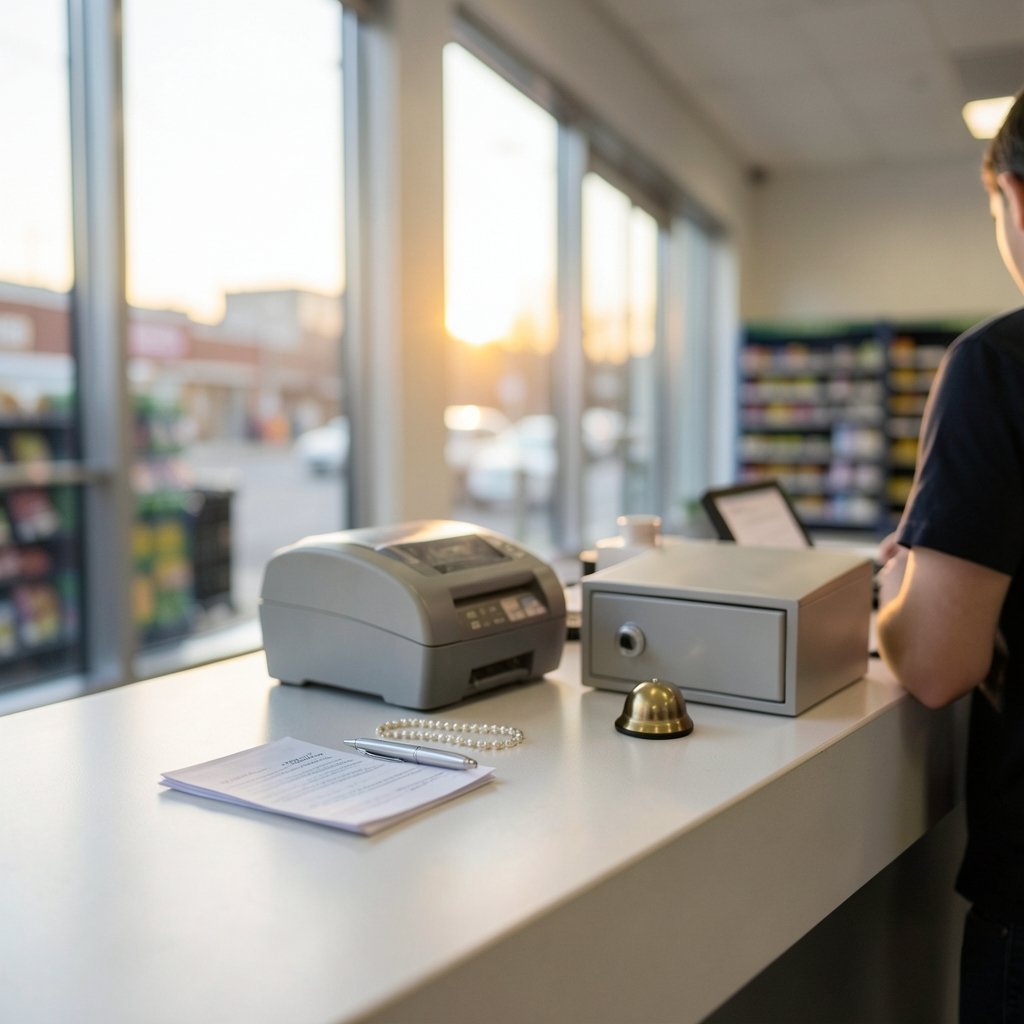
Can you buy a money order at Publix, and what does it actually cost you? If you have ever stood in a checkout line holding cash and a bill that needs paying, you have probably wondered exactly that. Publix is a familiar stop for groceries across the Southeast, and its customer service desk handles a lot more than lottery tickets and refunds. Money orders are one of those quiet services that many shoppers never notice until they need one.
This guide walks through how Publix money orders work in practice: where to buy them, how to pay, what to watch for, and how they compare with the post office and your bank. It also covers the mistakes that trip people up, from filling out the payee line wrong to losing the receipt that proves you bought the thing. By the end, you should know whether a Publix money order fits your situation or whether another option serves you better.
Does Publix Sell Money Orders?
Yes, in most cases. Publix has historically offered money orders through the customer service desk at participating stores. That is the key phrase: participating stores. Publix is a large chain with hundreds of locations, and individual stores can differ in which financial services they offer. A busy urban store and a smaller neighborhood location may not stock the same things behind the counter.
The practical takeaway is simple. Do not assume. Call your local Publix or check the store’s customer service desk before you drive over with a bill that has to be paid that day. Availability can also shift over time as Publix changes vendors or adjusts its service lineup, so a policy you remember from two years ago is not a guarantee of what happens today.
One more thing worth knowing: money orders are generally not sold at regular checkout lanes. You will usually need to go to the customer service desk, which often has its own line. Budget a few extra minutes, especially on weekends and around the first of the month when bill-paying traffic picks up.
Where to Buy a Money Order Inside the Store
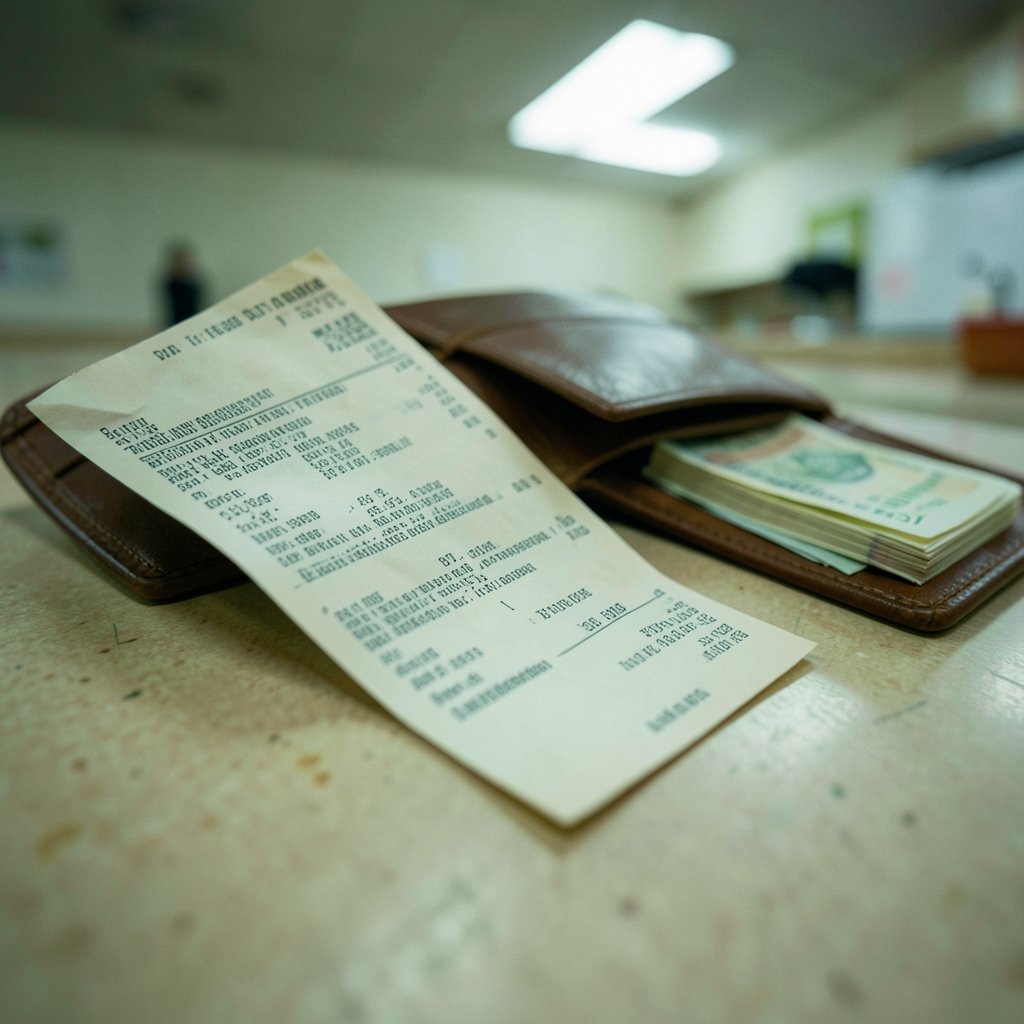
The customer service desk is the hub for money orders, Western Union-style transfers, and similar transactions. Here is how a typical visit plays out:
- Head to the customer service counter, not the registers.
- Tell the associate you want a money order and the amount.
- Pay with an accepted method, usually cash or debit.
- Fill in the payee name and your address on the stub and the money order itself.
- Keep the receipt and the customer copy stub in a safe place.
That last step matters more than most people realize. The receipt is your proof of purchase. Without it, replacing a lost or stolen money order becomes far harder, and you may end up waiting weeks for a refund while the bill goes unpaid.
How Much Does a Publix Money Order Cost?
Here is where honesty is required: Publix does not consistently publish its money-order fee online, and fees can change. Rather than quote a number that may be wrong, treat the fee as something to confirm at the counter or by phone before you commit. Retail money-order fees in the United States commonly run somewhere in the range of about one to two dollars, but that is a general market observation, not a Publix-specific figure.
The same caution applies to limits. Many retailers cap how much a single money order can be worth, and some cap how many you can buy in a day. If you need to pay a large bill, such as a rent payment or a deposit, ask about the maximum before you get to the counter. Splitting a payment across several money orders is common, but each one may carry its own fee, which quietly raises your total cost.
What About Payment Methods?
Retailers that sell money orders frequently restrict payment to cash or debit. Credit cards are often excluded because the store does not want to absorb card fees on what is essentially a cash-like product, and because credit cards add dispute risk. Do not count on tapping a credit card. Bring cash or a debit card and confirm the accepted methods when you ask about the fee.
How to Fill Out a Money Order Correctly
A money order is a simple document, but small errors cause big headaches. Follow this order of operations:
- Write the payee’s full legal name exactly as it appears on their account or bill.
- Fill in the amount in both the numeric box and the written-out line, and make sure they match.
- Add your name and address in the purchaser section.
- Sign it only when you are ready to hand it over, since a signed money order is closer to cash.
- Photograph or photocopy the completed money order and keep the stub.
Common mistakes include writing a nickname instead of the account holder’s legal name, leaving the amount lines blank for someone else to fill in, and signing before the payee is confirmed. Any of these can cause a business to reject the payment, and a rejected money order means your bill stays unpaid while you sort out a replacement.
Publix Versus Other Places to Buy a Money Order
Comparing options helps you decide whether Publix is the right stop. The table below sets out the general trade-offs. Specific fees and limits vary, so confirm current terms with each seller.
| Seller | Typical convenience | What to confirm |
|---|---|---|
| Publix customer service desk | Convenient if you already shop there; long hours | Current fee, per-order limit, accepted payment methods |
| US Postal Service | Published fees and a set per-order cap; widely available | Branch hours and whether the destination accepts postal orders |
| Bank or credit union | Often low or no fee for account holders | Whether you need an account and how long issuance takes |
| Check-cashing stores | Fast, but usually the priciest | Fee schedule and any add-on charges |
The post office is a useful benchmark because it publishes its terms openly. A postal money order carries a fixed maximum per order, and the fee structure is transparent. Banks can be cheaper for customers, but they may require you to come in during business hours. Convenience stores and check cashers are quick but often charge the most.
If you are weighing broader money-handling decisions, it helps to understand how digital payment rails are changing. Central banks around the world are studying public digital cash, and a plain-language explainer on cbdc digital currency central bank money going digital covers what that shift could mean for everyday payments like money orders. (Money transfers and remittances)
The Legal Side: Why Sellers Ask Questions
Money orders fall under a category US law calls monetary instruments, and sellers of monetary instruments have recordkeeping duties under federal anti-money-laundering rules. That is why a clerk may ask for identification or log the transaction, particularly for larger cash purchases. You are not being singled out; the store is following a standard framework.
This affects you in two ways. First, bring ID, especially for larger amounts. Second, know that if a money order is lost or stolen, the replacement process runs through the issuer and its payment network, not the store alone. Publix money orders are typically issued through a third-party payment provider, so the issuer’s terms govern refunds and replacements. Keep your receipt, because that document starts the clock on a claim.
Fraud is another reason to stay alert. Scammers love money orders and gift cards because they are hard to reverse. A caller demanding payment by money order, or a “landlord” who wants a deposit before you have seen the apartment, is a red flag. The pattern behind a gift card scam works victims rarely get their money back, and money-order fraud follows much the same playbook: once the payment clears, recovery is unlikely.
Practical Tips That Save Time and Trouble
A few habits separate a smooth money-order errand from a frustrating one.
- Call ahead. Ask about the fee, the maximum per order, and accepted payment methods in one quick conversation.
- Avoid peak times. The first few days of the month and weekend afternoons are the busiest at service desks.
- Bring exact cash if you can. It simplifies the transaction and avoids a card fee surprise.
- Fill it out at the counter, not in the car. If you make a mistake, the associate can hand you a fresh form.
- Send it trackable. Use certified mail or a delivery confirmation service when the payment is large or the deadline is tight.
- Record the details. Note the money order number, date, amount, and payee in your phone or a notebook.
If you are managing several payments at once, a simple budget helps more than any single trick. A guide on how to make money with ai is not about money orders, but it does illustrate how small, repeatable systems beat one-off effort, and the same logic applies to tracking bills and payment records.
When a Money Order Is the Wrong Tool
Money orders shine in specific situations: you need to pay someone who does not take cards, you want a paper trail, or you do not have a bank account. They are a poor fit in others. If you are paying a bill that accepts electronic payment, an online transfer is usually faster and cheaper. If the amount is very large, a cashier’s check or bank transfer is often safer and easier to trace.
There is also a cost angle people overlook. Fees add up fast when you buy several money orders a month. Over a year, a household paying rent by money order could spend a meaningful sum on fees alone. That is worth comparing against a basic checking account, many of which issue checks or bill pay for free. Understanding where your money actually goes is a theme worth taking seriously; a breakdown of where identity threat detection really costs where money goes shows how small, recurring charges quietly compound.
Mistakes to Avoid
The most common errors are avoidable. Writing the wrong payee name tops the list, followed by losing the receipt, signing too early, and assuming every Publix location offers the service. Another frequent slip is forgetting to keep the stub, which is the only record linking you to the payment if the payee claims it never arrived.
A less obvious mistake is paying a stranger. Money orders are a favorite tool of romance scammers, fake landlords, and bogus contractors. If someone insists on a money order specifically and pressures you to send it quickly, slow down. Legitimate businesses rarely demand that exact payment method with urgency.
Conclusion
Publix money orders are a genuinely useful service for shoppers who need a safe, paper-based way to pay a bill or send money. The catch is that the details, from fees to limits to accepted payment methods, are not always published and can vary by store. The smart move is to call your local Publix customer service desk, confirm the current terms, bring cash or a debit card, and keep every receipt and stub until the payment clears. Do that, and a money order becomes a five-minute errand instead of a month-long headache.
Frequently Asked Questions
Does Publix sell money orders?
Most Publix stores have historically offered money orders through the customer service desk, but availability varies by location. Confirm with your specific store before making the trip, since not every location participates and policies can change.
How much does a money order cost at Publix?
Publix does not consistently publish its money-order fee, so the reliable answer is to ask at the counter or by phone. Retail money-order fees in the US commonly fall in the one-to-two-dollar range, but treat that as a general market figure rather than a Publix-specific price.
Can I pay for a money order with a credit card at Publix?
Probably not. Retailers that sell money orders often limit payment to cash or debit cards and exclude credit cards. Bring cash or a debit card and confirm the accepted methods when you ask about the fee.
What is the maximum amount for a Publix money order?
Limits are set by the store and its money-order provider and are not consistently published. If you need to pay a large amount, ask about the per-order maximum first, since you may need to split the payment across several money orders, each with its own fee.
What should I do if I lose a Publix money order?
Keep your receipt and stub, because they are your proof of purchase and the starting point for a replacement claim. Contact the store and the issuing payment provider as soon as you notice the loss, and expect a waiting period before funds are reissued.
Is it safe to send a money order to someone I do not know?
Treat it with caution. Money orders are hard to reverse, which makes them a favorite tool for scammers. If someone demands a money order urgently, especially for a deposit, a prize, or a romantic connection, verify independently before sending anything.