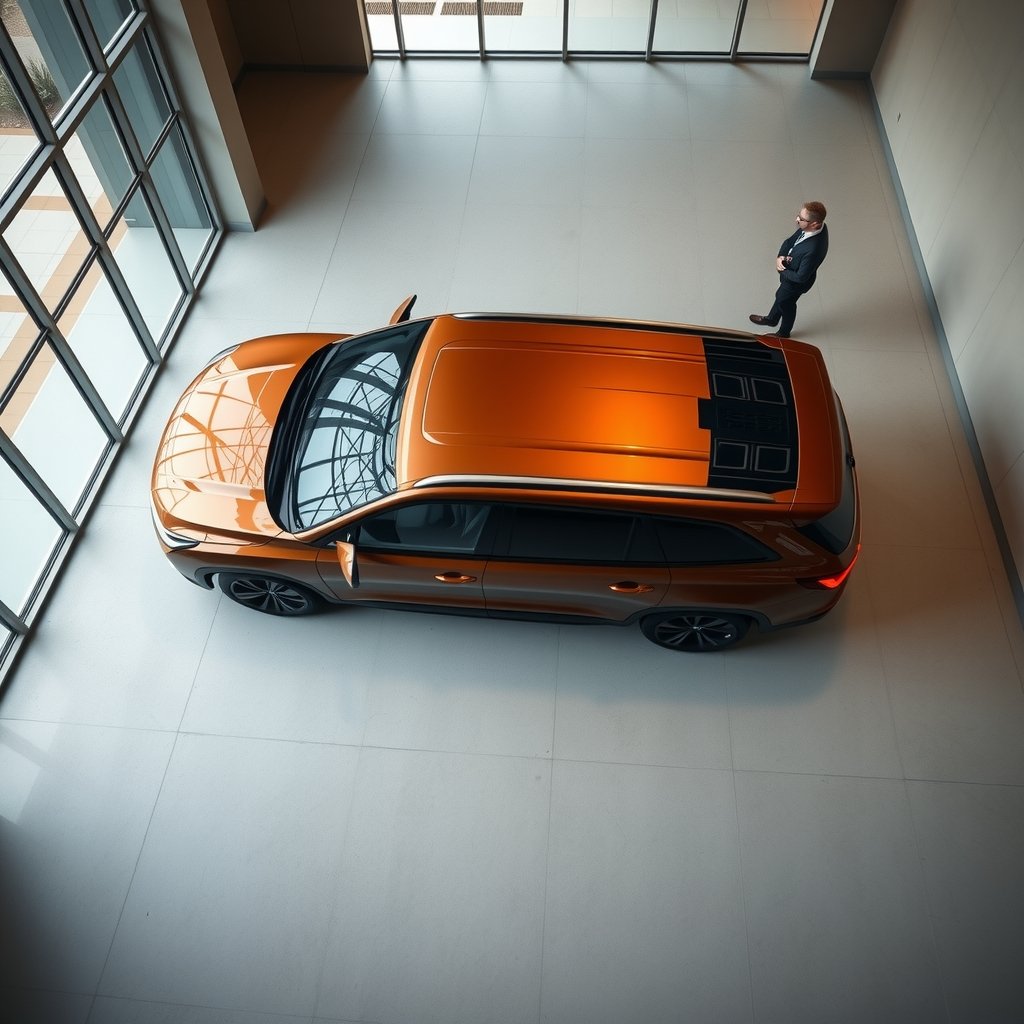
Will the next BMW X7 arrive as a silent electric flagship called the iX7, or as a refined gas-burning holdout in a world going electric? That question comes up in nearly every conversation about the 2027 BMW X7, and right now the honest answer is: BMW has confirmed a new X7 is coming, but it has not confirmed the details. What follows separates what is known from what is merely expected, so readers can plan, speculate, and shop without being misled by numbers that circulate without a source.
The Short Version: What BMW Has Actually Said
BMW’s current X7, internally coded G07, arrived in 2019 as the brand’s first full-size three-row SUV. A mid-cycle refresh was unveiled in April 2022 and reached dealers as a 2023 model. That part is settled history.
The forward-looking part is thinner. At its 2024 Annual Conference in March 2024, BMW management publicly stated that a new X7 would come, and the company has signaled it will be built at its Spartanburg, South Carolina plant. That is a real commitment from Munich, not a rumor.
What BMW has not done is publish a launch date, a specification sheet, a price, or a final name for the next-generation truck. The “2027” label attached to the model is a model-year expectation that has circulated in trade reporting, not an announcement from BMW. Anyone quoting horsepower figures, electric range, or a starting price for a 2027 X7 is working from speculation.
Why “2027” Keeps Showing Up
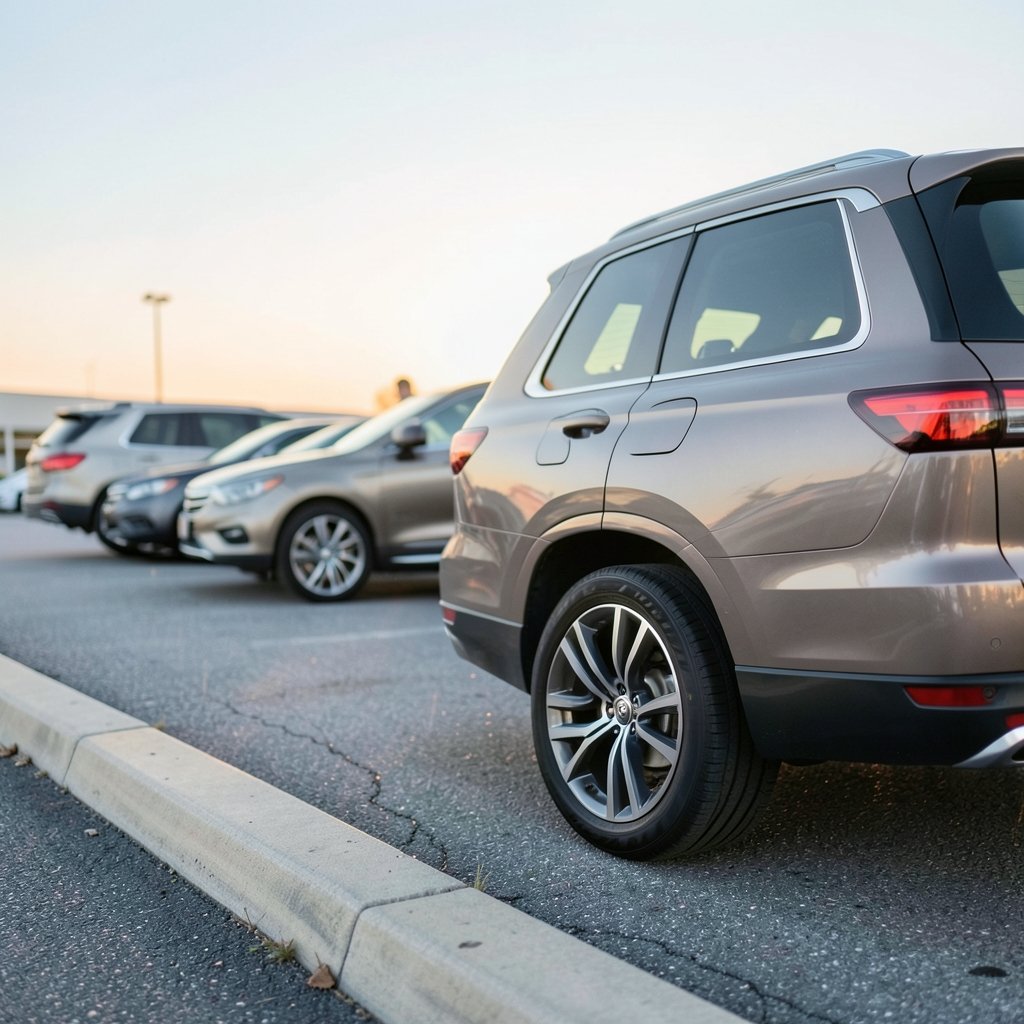
Model-year timing in the car business is a strange creature. A vehicle labeled a 2027 model can go on sale in 2026, and production often begins months before the first customer delivery. Trade reporting has pointed toward a 2027 model-year launch with production possibly starting around 2026 to 2027 at Spartanburg.
That timeline fits BMW’s broader rhythm. The current X7 has been on sale since 2019, and a seven- or eight-year lifecycle is normal for a large luxury SUV. A refresh in 2022 typically buys a few more years before a full redesign. Do the math and a next-generation truck landing in the 2026–2027 window is a reasonable expectation, even if it remains unconfirmed.
The practical takeaway for shoppers: if someone needs a three-row BMW in the next twelve months, waiting for a 2027 X7 is a gamble. The current model is available, well-equipped, and proven. If someone is comfortable waiting and wants the newest platform, the wait may be worth it, but the timeline should be treated as a guess rather than a promise.
The Big Open Question: Platform and Powertrain
Here is where the 2027 X7 story gets genuinely interesting, and genuinely murky.
BMW is rolling out its Neue Klasse architecture, an EV-first platform debuting with the iX3 around 2025–2026. It is unclear whether the next X7 will ride on Neue Klasse or on an evolved version of the current CLAR platform, which is designed to accommodate combustion, hybrid, and electric powertrains under one shell. This is a real, unresolved question in public reporting, not a minor detail. The platform choice determines everything downstream: how much the truck weighs, how much interior space it offers, how it drives, and whether a pure combustion version can continue at all.
The most widely reported expectation is that the next X7 will offer a battery-electric variant, potentially badged iX7, alongside combustion and/or plug-in hybrid versions. That “iX7” name is speculative. BMW has not confirmed it. The company’s naming pattern (iX, i4, i5, i7) makes it plausible, but plausible is not confirmed.
For buyers, this means they may eventually face a three-way choice: a traditional gasoline X7, a plug-in hybrid, and a fully electric iX7. That lineup would mirror what rivals are doing. But until BMW publishes a spec sheet, treat the powertrain menu as a strong possibility rather than a fact.
| Question | Status | Confidence |
|---|---|---|
| Will there be a next-gen X7? | Confirmed by BMW management | High |
| Will it be built at Spartanburg? | Signaled by BMW | Medium-high |
| Will it launch as a 2027 model? | Trade reporting only | Low-medium |
| Will there be an electric iX7? | Widely expected, not confirmed | Medium |
| Neue Klasse or evolved CLAR platform? | Unresolved | Low |
| Official specs and pricing? | Not released | High that none exist |
How the Current X7 Sets the Stage
To understand what a 2027 X7 needs to be, it helps to understand what the current one is. The G07 X7 is a large, three-row luxury SUV that competes directly with the Mercedes-Benz GLS, the Range Rover, and the Cadillac Escalade. It is not a subtle vehicle. It is big, it is expensive, and it is designed to move a family in considerable comfort while still feeling like a BMW from the driver’s seat.
The 2023 refresh brought a split headlight design, an updated cabin with the curved display setup BMW now uses across its range, and revised powertrains. Those changes kept the X7 competitive in a segment where the GLS has long been the benchmark for third-row comfort and the Escalade has owned the size-and-presence category.
For the next generation, the pressure points are predictable. Third-row space is always the weak spot in this class, and a new platform could improve it. Electrification is the other obvious frontier, since an electric iX7 would compete with the Mercedes EQS SUV and the Rivian R1S, both of which have already staked claims in the electric full-size luxury space.
What Buyers Should Watch For
Rather than chasing every rumor, it helps to know which signals actually matter. A few practical markers are worth tracking.
First, watch BMW’s official press channel. When a next-generation X7 is real and dated, it will appear there first, typically with a full specification release and photography. Second, watch for spy shots and prototype sightings, which tend to precede official reveals by six to twelve months. Third, watch BMW’s production announcements tied to Spartanburg, since plant retooling timelines leak into public view and often reveal launch windows.
Common mistakes buyers make in this situation are worth naming. The biggest is treating forum speculation as fact. A second is assuming current X7 pricing will carry over. The current G07 has public pricing, but projecting it onto a next-generation model is unwise, especially if the new truck adds electrification and a more complex platform. A third mistake is assuming the name. If the electric version arrives as an iX7, the combustion version may or may not continue under the X7 badge, and that distinction matters for resale and for anyone who specifically wants a gas engine.
There is also a broader lesson here that applies well beyond cars. When a product category is in flux, the smart move is to separate confirmed facts from expectations, and to make decisions based on what is known rather than what is hoped. The same discipline applies to evaluating AI tools and chatbots, where marketing claims often outrun reality; a good example is this breakdown of when not to use an AI chatbot in 2027, which makes a similar point about matching the tool to the job.
Rivals in 2027
Even without official specs, the competitive picture is clear enough to sketch. The full-size luxury SUV segment is splitting into two camps: established combustion models and new electric flagships. The 2027 X7, whatever form it takes, will have to compete in both.
| Rival | Segment Position | What It Means for the X7 |
|---|---|---|
| Mercedes-Benz GLS | Longtime benchmark for three-row comfort | The X7 must match or beat its rear-seat space |
| Range Rover | Luxury and off-road credibility | The X7 competes on tech and value, not badge prestige |
| Cadillac Escalade | Size and presence leader | The X7 must justify its price with refinement |
| Mercedes EQS SUV | Electric luxury flagship | Direct rival if an iX7 arrives |
| Rivian R1S | Electric three-row with adventure appeal | The iX7 must match range and practicality |
The pattern is consistent: the X7 has always been a compromise-free family hauler with a driver’s-car streak, and the next generation will need to preserve that balance while adding electrification without adding bulk or losing the third row’s usability.
Practical Advice If You’re Shopping Now
For anyone actively in the market, the decision tree is simpler than the speculation suggests.
If you need a three-row luxury SUV in the next year, buy the current X7 or a rival. It is a known quantity, it is available, and it will not surprise you. If you can wait two to three years and want the newest technology, waiting for the next generation is reasonable, but budget for a higher price and accept that the timeline may slip. If you specifically want an electric three-row BMW, the iX7 is the model to watch, and its arrival is the least certain part of the whole story.
One more practical note: resale values on the current X7 will soften as the next generation approaches. That is normal, but it is worth factoring in if you plan to trade in. Buyers who lease tend to be insulated from this; buyers who finance should think about holding periods.
The broader lesson about timing applies across product categories. Whether you are waiting for a new SUV or evaluating a new software tool, the same rule holds: verify the launch, verify the specs, and do not let a model year on a forum post become a purchase decision. That same skepticism is useful when comparing AI models, as this look at DeepSeek vs ChatGPT vs Gemini output quality in 2027 shows, and it is just as relevant when weighing the best AI translation tools in 2027 for a multilingual household.
Conclusion
The 2027 BMW X7 is a real vehicle in the sense that BMW has confirmed a next-generation X7 is coming, and it is a rumor in the sense that almost every specific detail remains unannounced. The confirmed facts are narrow: a new X7 is planned, Spartanburg is the expected build location, and the current G07 dates to 2019 with a 2022 refresh. The expectations are broad: a 2027 model-year launch, a possible electric iX7, and a platform choice between Neue Klasse and an evolved CLAR that has not been settled publicly.
For buyers, that means patience and skepticism are the right posture. Watch BMW’s official announcements, ignore spec sheets that appear without a source, and make purchase decisions based on what is available now rather than what might arrive later. The next X7 will almost certainly be an appealing vehicle. The question is when it will be real; BMW still has to give that answer.
Frequently Asked Questions
Is the 2027 BMW X7 confirmed?
BMW management confirmed at the 2024 Annual Conference that a new X7 is coming, and the company has signaled it will be built at Spartanburg. However, the specific “2027” model-year label and all specifications remain unconfirmed. Treat the vehicle as planned but not yet detailed.
Will there be an electric BMW iX7?
A battery-electric variant is widely expected and may carry the iX7 name, but BMW has not confirmed it. The iX7 badge is speculative, based on BMW’s existing naming pattern for electric models. It should be treated as a strong possibility rather than a confirmed product.
When will the next-generation X7 go on sale?
Trade reporting points to a 2027 model-year launch, with production possibly beginning around 2026 to 2027. BMW has not published an official date. Model-year timing in the auto industry often means a vehicle goes on sale months before the calendar year on its badge.
Will the next X7 use the Neue Klasse platform?
That is unresolved. BMW’s Neue Klasse is an EV-first architecture debuting with the iX3 around 2025–2026, but it is unclear whether the next X7 will use it or an evolved version of the current CLAR platform. The choice affects weight, interior space, and whether combustion versions continue.
How much will the 2027 BMW X7 cost?
No official pricing has been released. The current G07 has public pricing, but projecting it onto a next-generation model is unwise, especially if the new truck adds electrification and a more complex platform. Expect any figure circulating now to be speculative.
Should I wait for the 2027 X7 or buy the current model?
If you need a three-row luxury SUV within the next year, the current X7 is available and proven. If you can wait two to three years and want the newest technology, waiting is reasonable, but budget for a higher price and accept that the timeline may slip. Buyers who specifically want an electric three-row BMW should watch for the iX7.