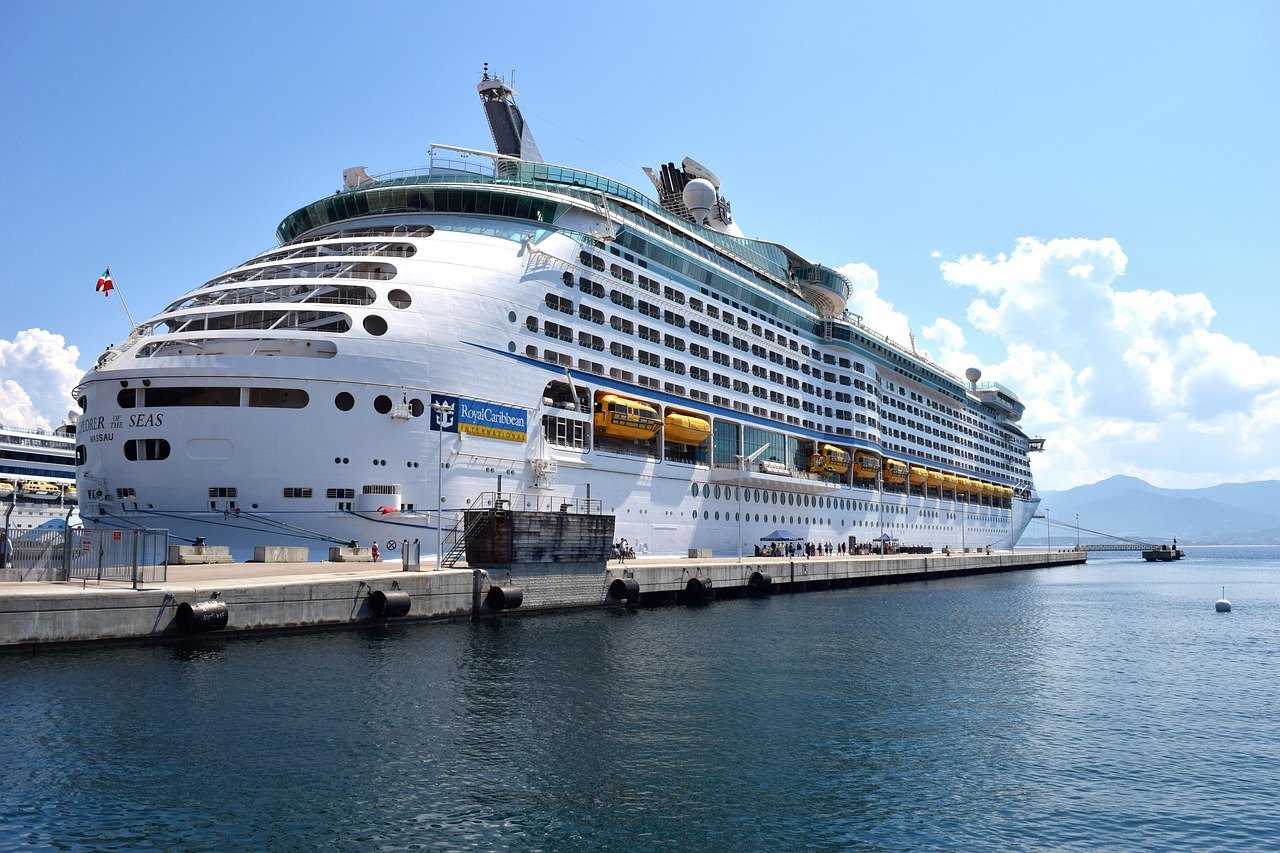
What if the best cabin on your dream Mediterranean sailing is already gone, sold quietly to someone who booked eighteen months before you even started browsing? That is the reality of cruising in 2027. Cruise lines typically publish itineraries 18 to 24 months ahead, which means a large share of 2027 Mediterranean sailings are already on sale. Early bookers save money and choose the exact cabin, the exact week, and the exact itinerary they want. Later bookers pick through what is left.
This guide breaks down what to expect from a Mediterranean cruise in 2027: the seasons, the ports, the regulatory shifts that are quietly reshaping routes, and the practical mistakes that cost people money and comfort.
Why 2027 Is Already on the Radar
Most major cruise lines release itineraries well over a year in advance, and by late 2026 many 2027 Mediterranean sailings are bookable. That timing matters more than it sounds. The Mediterranean is one of the most capacity-constrained cruise regions in the world, and the best-positioned ships in peak summer weeks fill fast.
There is also a regulatory layer that makes 2027 different from, say, 2019. Environmental rules now shape where ships sail and how fast. That does not mean the experience is worse. It means the itinerary you book in 2027 may look different from the one a friend sailed a decade ago.
If you are comparing booking platforms and the AI tools that now power them, it helps to understand how these systems rank options. A good primer is this breakdown of the 10 best ai chatbots gpt 5 claude under hood 2027, which explains what happens behind the scenes when you ask a bot to find you a cruise deal.
Best Time to Sail: Season by Season
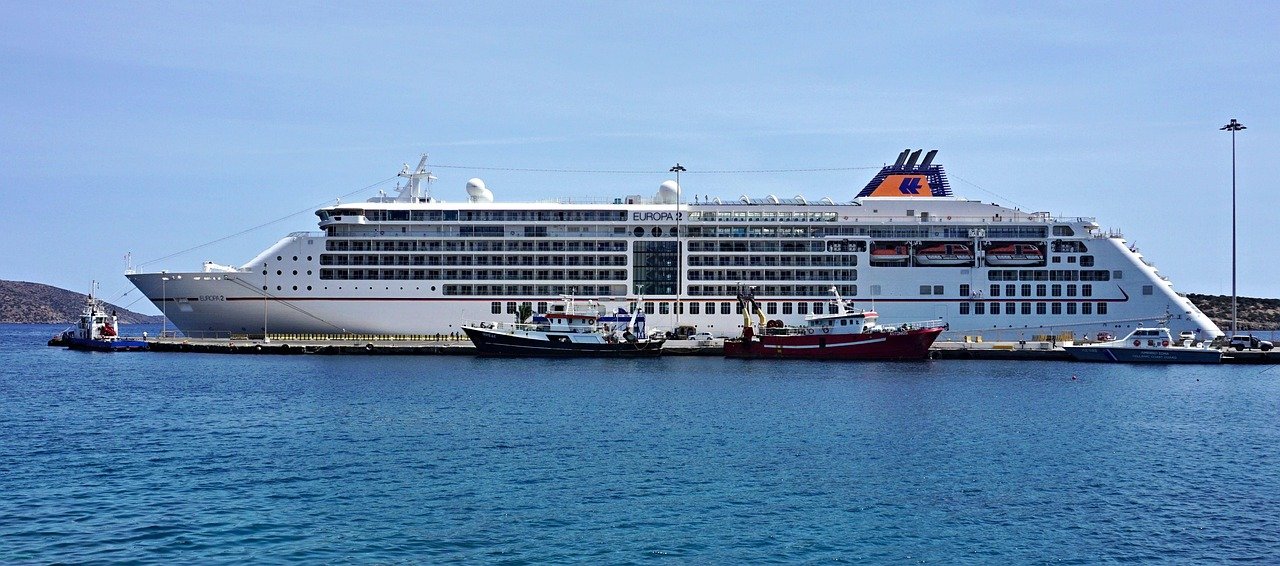
Mediterranean cruising is highly seasonal. Peak season runs roughly May through September, with July and August the busiest and hottest. Shoulder months, April and October through November, bring cooler weather, thinner crowds, and often lower fares.
| Season | Months | Weather | Crowds | Typical Fare Level |
|---|---|---|---|---|
| Early shoulder | April | Mild, some rain | Light | Lower |
| Peak | May–September | Hot, dry, sunny | Heavy | Highest |
| Late shoulder | October–November | Warm days, cooler evenings | Moderate | Lower |
A practical tip that experienced cruisers swear by: book the first week of May or the last week of October. You get most of the summer experience with a fraction of the crowd pressure, and port cities are far more pleasant to walk when you are not shoulder to shoulder with three other ships’ worth of passengers.
The mistake many first-timers make is defaulting to August because of school holidays, then discovering that Santorini’s cable car queue can swallow two hours of a six-hour port stop. If your dates are fixed by school terms, plan port days carefully and book ship excursions for tender ports where timing is tight.
The Classic Ports and What They Demand of You
Standard Mediterranean itineraries commonly include Barcelona, Civitavecchia (the gateway to Rome), Naples, Piraeus (Athens), Dubrovnik, Kotor, Santorini, Mykonos, Valletta, and Marseille. Each has its own rhythm, and treating them all the same is a rookie error.
Barcelona rewards walkers who head into the Gothic Quarter early. Civitavecchia sits about an hour from Rome, so a “Rome day” is really a rushed highlights tour unless you book a long port call. Dubrovnik and other Adriatic ports have introduced crowd-management measures such as timed ship arrivals and visitor caps, so your arrival slot may be fixed by the port authority rather than the cruise line’s preference.
Naples is the launch point for Pompeii and the Amalfi Coast, and it is also where independent travelers most often misjudge traffic. Kotor’s sail-in through the bay is one of the most dramatic approaches in Europe, so set an alarm for the early morning arrival rather than sleeping through it.
How Environmental Rules Are Reshaping Routes
Two European regulations now shape Mediterranean cruising. The EU Emissions Trading System was extended to maritime transport from 2024, and the FuelEU Maritime regulation applies from 1 January 2025. Together they push ships toward cleaner fuels, slower speeds, and shore power where available.
What does that mean for a 2027 passenger? Possibly slightly adjusted schedules, more time at sea on some routings, and newer ships deployed on Mediterranean runs. Compliance costs may or may not be passed on to passengers, and that remains genuinely unclear. Budget for fares that reflect the new operating reality rather than assuming 2019 pricing still applies.
Venice is the clearest example of regulation changing an itinerary. Italy banned large cruise ships from the St. Mark’s basin and Giudecca Canal from 1 August 2021, and ships now typically use Marghera or other mainland terminals. If a 2027 itinerary lists Venice, check which terminal you actually dock at and how you get into the city. The access rules have been revised more than once, so confirm the current regime rather than relying on older reviews.
Booking Strategy That Actually Works
Here is the sequence that tends to work in practice, whether you book direct or through an agent.
- Decide your non-negotiables first: dates, budget ceiling, and must-see ports. Everything else is flexible.
- Compare at least three itineraries in the same week, because port mixes vary wildly between lines.
- Check port intensity. Six ports in seven days sounds exciting until you are exhausted by day four.
- Book the cabin category you want early, then watch for price drops before final payment.
- Confirm what is excluded: port taxes, tourist taxes, gratuities, and drinks are often itemized separately from the cruise fare.
- Book flights and pre-cruise hotels after the sailing is locked in, not before.
The most common mistake is booking on price alone and discovering the ship docks far from the city center or arrives at 2 p.m. on a Sunday when half the museums are closed. A second common mistake is assuming port taxes are included in the advertised fare. They vary by country and city and are frequently listed separately.
If you are weighing whether to use automated tools for research, it is worth knowing when they help and when they hurt. This piece on when NOT to use an AI chatbot in 2027: 7 honest cases is a useful reality check before you let a bot plan a multi-thousand-dollar trip.
Cabin Choice: Where the Money Goes
Interior cabins on Mediterranean sailings are often the value play, because port-heavy itineraries mean you spend little time in the room. Balconies earn their premium on sea days and on scenic approaches like Kotor’s bay. Aft-facing cabins are prized for sail-away views but can be noisier and pricier.
Practical guidance: if your itinerary has three or more sea days, a balcony is worth considering. If it has one sea day and five port calls, put the savings into excursions instead. Also check deck position. Cabins directly under the pool deck or above the theater are the classic noise complaint, and no amount of itinerary planning fixes a bad night’s sleep.
Budgeting Beyond the Fare
A Mediterranean cruise fare is only part of the total. Expect to budget separately for port taxes and local tourist taxes, gratuities, specialty dining, shore excursions, drinks, and Wi-Fi. Shore days add up fast: a guided Pompeii visit, a Santorini winery tour, and a Dubrovnik wall walk can easily exceed the cost of the cabin upgrade you skipped.
One money-saving habit that works: book independent tours for ports where you have a long day and reliable transport, and ship excursions for tender ports or tight schedules. The ship will wait for its own tour. It will not wait for you.
Travel tools have improved too, and language barriers are less of an issue than they once were. If you plan to explore independently across Italy, Greece, and Croatia, a comparison of best ai translation tools 2027 deepl vs chatgpt vs google can save you real confusion at ticket counters and train stations.
What Could Change Before You Sail
Every 2027 itinerary is subject to change. Cruise lines routinely alter ports for operational or regulatory reasons, and Mediterranean schedules are especially exposed to weather, port congestion, and emissions-rule compliance. Build flexibility into your plans: book refundable hotels, avoid tight flight connections on disembarkation day, and treat any single port as a bonus rather than a guarantee.
If you are also planning the tech side of your trip, from e-readers to handheld gaming for sea days, keep an eye on shifting prices. This roundup of handheld console prices 2027 confirmed vs reported you is a handy example of why you should verify figures before budgeting.
Conclusion
A Mediterranean cruise in 2027 rewards planning more than almost any other vacation. The season you choose determines your crowd levels and your fares. The ports you pick determine how tired you will be by day five. The regulations reshaping Venice, emissions, and Adriatic crowd control determine what your itinerary actually looks like on the water. Book early enough to choose your cabin, budget beyond the headline fare, and stay flexible about ports. Do that, and the Mediterranean in 2027 delivers exactly what it promises: long light, warm water, and the rare feeling of arriving somewhere by sea.
FAQ
When should I book a Mediterranean cruise for 2027?
Book as early as possible. Cruise lines typically publish itineraries 18 to 24 months ahead, and many 2027 Mediterranean sailings are already on sale. Early booking gives you the widest cabin choice and the best-positioned weeks in peak season.
What is the best month for a Mediterranean cruise in 2027?
May, early June, September, and October usually offer the best balance of weather and crowds. July and August are the hottest and busiest. April and November are quieter and cheaper but cooler, with a higher chance of rain.
Does a Mediterranean cruise still stop in Venice?
Large ships no longer sail the St. Mark’s basin or Giudecca Canal, following Italy’s ban from 1 August 2021. Ships typically use Marghera or other mainland terminals. Check your itinerary’s actual terminal and transfer options, since Venice access rules have been revised more than once.
Are port taxes included in the cruise fare?
Often not. Port taxes and local tourist taxes vary by country and city and are frequently itemized separately from the cruise fare. Check the full breakdown before comparing prices between lines, because a cheaper headline fare can cost more overall.
How do EU emissions rules affect 2027 itineraries?
The EU Emissions Trading System extended to maritime transport from 2024, and FuelEU Maritime applies from 1 January 2025. These rules can influence ship deployment, speed, and scheduling. Whether compliance costs reach passengers is unclear, so budget conservatively.
How many ports should I plan for in a week?
Four to five port calls in a seven-night sailing is a comfortable pace. Six or more sounds exciting but often leads to exhaustion by mid-cruise. Leave at least one sea day to recover, especially in the July and August heat.
Finally, confirm deposit and cancellation terms before paying, since policies vary by line and fare type. A refundable deposit is worth a modest premium when itineraries can shift. With dates, budget, and ports settled, you can book with confidence and spend the months before sailing on the enjoyable part: choosing shore days, reading up on each harbor, and picturing that first sail-in.