Will the 2027 Dodge Durango be the last of a dying breed, or the start of something completely new? That question sits at the heart of nearly every forum thread, dealership conversation, and YouTube speculation video about Dodge’s three-row SUV. The honest answer is that Dodge has not published a confirmed 2027 product plan, and anyone who tells you otherwise is filling gaps with wishful thinking. But the picture isn’t blank either. There’s a real vehicle on sale today, a real platform strategy at Stellantis, and a set of documented facts that let buyers reason carefully instead of guessing.
This guide separates what’s known from what’s rumored, explains why the uncertainty exists, and gives practical advice for anyone weighing a purchase now versus waiting.
Why the 2027 Durango Is Such a Murky Subject
Most model-year previews follow a predictable script: spy shots, a leaked order guide, then an official debut. The Durango breaks that script because its future depends on a bigger corporate decision. The current SUV rides on a third-generation architecture that launched for the 2011 model year and has been refreshed repeatedly since. That’s an unusually long run for any vehicle, and it’s the single biggest reason speculation runs so hot.
Stellantis has publicly tied the Durango’s future to its STLA Large platform, a modular architecture designed to underpin large vehicles across the company’s brands. Reporting has pointed to a next-generation Durango arriving somewhere in the 2026–2027 window, but that timing has shifted more than once. When launch windows move, model-year assignments move with them, and that’s exactly how a “2027 Durango” becomes a coin flip between a carried-over current SUV and an all-new machine.
The practical takeaway: treat any specific 2027 claim, whether about horsepower, pricing, or an electric variant, as unverified until a dated corporate release or a government filing backs it up.
What the Current Durango Actually Offers
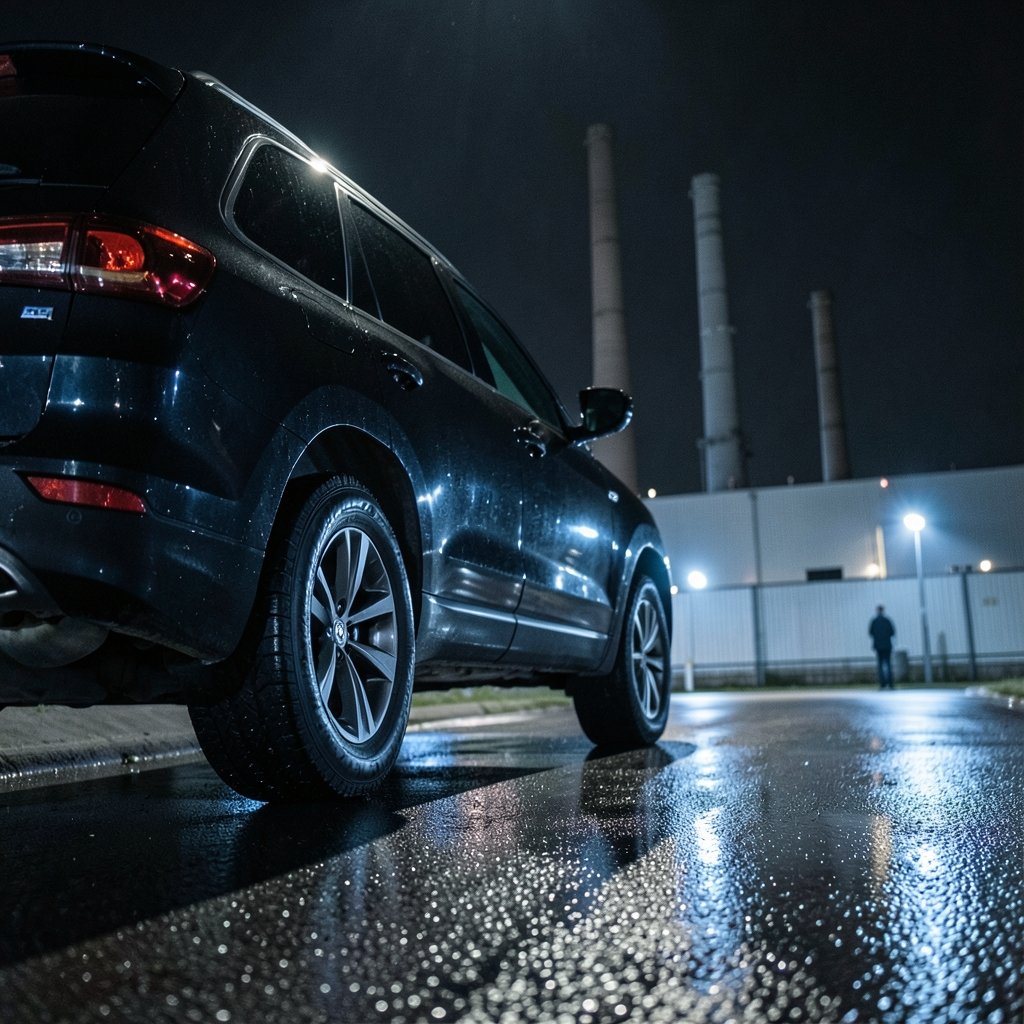
To understand what might change, it helps to know what exists. The 2025 Durango lineup spanned a wide range, from sensible family haulers to genuinely absurd muscle SUVs.
| Trim Level | Engine | Approximate Output |
|---|---|---|
| SXT / GT | 3.6L Pentastar V6 | 295 hp |
| R/T | 5.7L Hemi V8 | 360 hp |
| SRT 392 | 6.4L V8 | 475 hp |
| SRT Hellcat | 6.2L supercharged V8 | 710 hp |
That Hellcat figure is the headline. A three-row family SUV with 710 horsepower is a strange, wonderful outlier, and it’s a big part of why the Durango has such a loyal following. The V6 and Hemi trims do the everyday work, offering available all-wheel drive, respectable towing capability, and a cabin that seats up to seven.
Production has taken place at the Detroit Assembly Complex – Jefferson plant. That matters for anyone tracking launch news, because plant retooling announcements are often the first hard signal that a new generation is genuinely imminent rather than merely rumored.
The Big Open Questions for 2027
Will the Hemi Survive?
This is the question that dominates enthusiast discussion. Stellantis has invested heavily in the Hurricane twin-turbo inline-six as a replacement for V8 powerplants across its large vehicles. Whether the Durango’s 5.7L and 6.4L V8s carry into 2027, get replaced by Hurricane power, or coexist alongside it is not confirmed. Buyers who specifically want a V8 should understand that they’re shopping a shrinking category, not a guaranteed fixture.
Will There Be an Electric Durango?
An electric three-row Dodge has been widely discussed as part of the brand’s electrification push, and STLA Large was designed with electric propulsion in mind. But discussion is not confirmation. No verified 2027 EV Durango specification, range figure, or price exists in the public record. Anyone quoting a battery size or a launch date is extrapolating.
What Will It Cost?
Pricing for an unannounced model year cannot be confirmed. Current Durango pricing spans a huge range depending on trim, and a next-generation model on a new platform would likely reset that ladder entirely. Budgeting around today’s numbers is reasonable for a carryover; it’s pure guesswork for a redesign.
How to Read Durango News Without Getting Fooled
The internet rewards confident claims, which is precisely why so much Durango coverage reads like fact when it’s speculation. A few habits cut through the noise.
Check the date and the source type. A dated corporate newsroom release or a government certification filing carries weight. An undated blog post recycling last year’s rumor does not. When a claim about the 2027 model appears, ask whether the original source is the manufacturer or someone summarizing someone else’s summary.
Look for regulatory breadcrumbs. New vehicles must be certified for fuel economy and emissions before sale, and they must be crash-tested. Those filings and ratings appear in official databases before showroom arrivals. A 2027 Durango showing up in federal fuel economy data would be a strong, verifiable signal that the model is real and specified. Until then, the model year remains unannounced.
Distinguish “expected” from “confirmed.” Words like “reportedly,” “expected,” and “slated” are honest hedges. When they quietly disappear from a headline, that’s a warning sign, not a scoop.
Watch the plant, not the forums. Retooling timelines and production announcements tend to leak accurately because they involve real schedules and real money. Enthusiast speculation about horsepower figures leaks less reliably.
Common Mistakes Buyers Make Right Now
The single most common error is waiting for a 2027 model that may be a modest carryover. If someone needs a three-row SUV this year and is holding off purely on the assumption that 2027 brings a revolutionary redesign, they may be delaying for nothing. A carryover year is a perfectly ordinary outcome in the auto industry, and it’s arguably the most likely one given how little has been confirmed.
The second mistake is the opposite: assuming the current generation is definitely ending. Long-running platforms have survived plenty of predicted farewells. The Durango’s architecture is old, but old does not automatically mean discontinued next year.
The third mistake is overpaying for a V8 out of fear. Scarcity thinking drives bad decisions. If V8 availability matters, verify what’s actually on lots and what’s actually confirmed for future model years before paying a premium for a rumor.
For readers comparing how AI tools handle this kind of research, the same discipline applies: check whether a tool cites dated primary sources or just sounds confident. A breakdown of DeepSeek vs ChatGPT vs Gemini on output quality is a useful reminder that fluency is not accuracy.
A Practical Decision Framework
If you’re shopping now, work through this sequence.
- Define the need. Towing capacity, seating count, and daily fuel costs matter more than model-year bragging rights. Write down the three specs you can’t compromise on.
- Check what’s on the lot. Current inventory is real; a 2027 model is a hypothesis. Test drive the actual V6 and V8 options before deciding either is wrong for you.
- Set a waiting deadline. Decide in advance how long you’ll hold out and what evidence would justify waiting longer. A dated announcement, not a forum post.
- Price the risk. If a V8 is non-negotiable and current supply is thin, factor that in honestly rather than assuming next year solves it.
- Revisit quarterly. Model-year news moves in bursts. A quick check every few months beats daily doomscrolling.
Where the Durango Fits in a Changing Market
The three-row SUV segment is crowded and shifting fast. Hybrids and EVs are absorbing buyers who once defaulted to V8s, and every brand is recalibrating. The Durango’s niche is performance and towing capability at a price that undercuts luxury muscle SUVs. Whether that niche survives the transition depends on decisions being made well above the dealership level.
That broader shift is visible across the industry. E-commerce and retail teams are already leaning on automation to cut costs, and the same “wait for the confirmed version” logic applies there too, as this look at AI chatbots that rescue abandoned e-commerce carts shows. The pattern is consistent: early adopters who move on verified information win, and those who act on hype absorb the cost.
For buyers who enjoy the research side, comparing tools and sources is half the fun. Guides like this roundup of the best AI chatbots compared under the hood reward the same skepticism that good car shopping does. And if your research habits extend to other big purchases, the caution in this piece on when not to use an AI chatbot translates neatly to when not to trust a leaked spec sheet.
What Would Change the Picture
A handful of developments would move the 2027 Durango from speculation to fact. A dated corporate announcement naming the model year and platform would settle the biggest question. A retooling notice at the Jefferson plant would signal timing. A federal fuel economy or emissions certification for a 2027 model would confirm specifications. Crash-test ratings for a new model year would confirm the vehicle is real and heading to market.
Until at least one of those appears, the responsible position is straightforward: the 2027 Durango is unannounced, the current generation remains on sale, and the next-generation timeline is expected but not fixed. That’s not a satisfying answer, but it’s an accurate one, and accuracy is worth more than a confident guess when five figures of your money are on the line.
Conclusion
The 2027 Dodge Durango is a vehicle caught between a celebrated past and an undefined future. The current SUV still delivers what made it popular, including available V8 power up to a 710-hp Hellcat, genuine towing capability, and three rows of practicality. A next-generation model on the STLA Large platform is expected in the 2026–2027 window, but the timing has moved before and no confirmed 2027 specifications, pricing, or powertrain lineup exist in the public record.
The smart approach is neither blind optimism nor premature panic. Shop the current generation on its actual merits, set a clear deadline for waiting, and require dated evidence before believing any claim about the 2027 model year. When the real announcement comes, it will be easy to spot. Until then, the best defense against rumor is a short checklist and a healthy amount of patience.
FAQ
Is the 2027 Dodge Durango confirmed?
No. Dodge has not published a confirmed 2027 product plan. A next-generation Durango tied to the STLA Large platform is expected around the 2026–2027 window, but that timing has shifted in reporting, and no dated announcement confirms a 2027 model year.
Will the 2027 Durango still have a V8?
Unconfirmed. The current lineup offers a 5.7L Hemi V8 and, in SRT trims, a 6.4L and a supercharged 6.2L. Stellantis has invested in the Hurricane inline-six as a replacement for V8s in large vehicles, so V8 availability for 2027 is genuinely uncertain. Buyers who want a V8 should verify current inventory rather than assume.
Is there going to be an electric Durango?
It has been widely discussed as part of Dodge’s electrification plans, and STLA Large was designed with electric propulsion in mind. However, no verified 2027 EV Durango specification, range figure, or price exists publicly. Treat any specific EV claim as unconfirmed until a dated release appears.
How much will the 2027 Durango cost?
Unknown. Pricing for an unannounced model year cannot be confirmed. Current Durango pricing varies widely by trim, and a next-generation model on a new platform would likely reset the pricing ladder entirely. Budgeting around today’s figures is only reasonable if 2027 turns out to be a carryover year.
Should I wait for the 2027 Durango or buy now?
It depends on your needs. If you require a three-row SUV with towing capability this year, the current model is real and available. Waiting makes sense only if you can define what evidence would justify it, such as a dated announcement or a federal certification filing. Waiting indefinitely on rumor is usually the worse choice.
Where will the 2027 Durango be built?
The current Durango has been produced at the Detroit Assembly Complex – Jefferson plant. Whether a next-generation model continues there depends on Stellantis’ manufacturing plans, which have not been confirmed for a 2027 model year. Plant retooling announcements are often the earliest reliable signal of a new generation’s timing.