
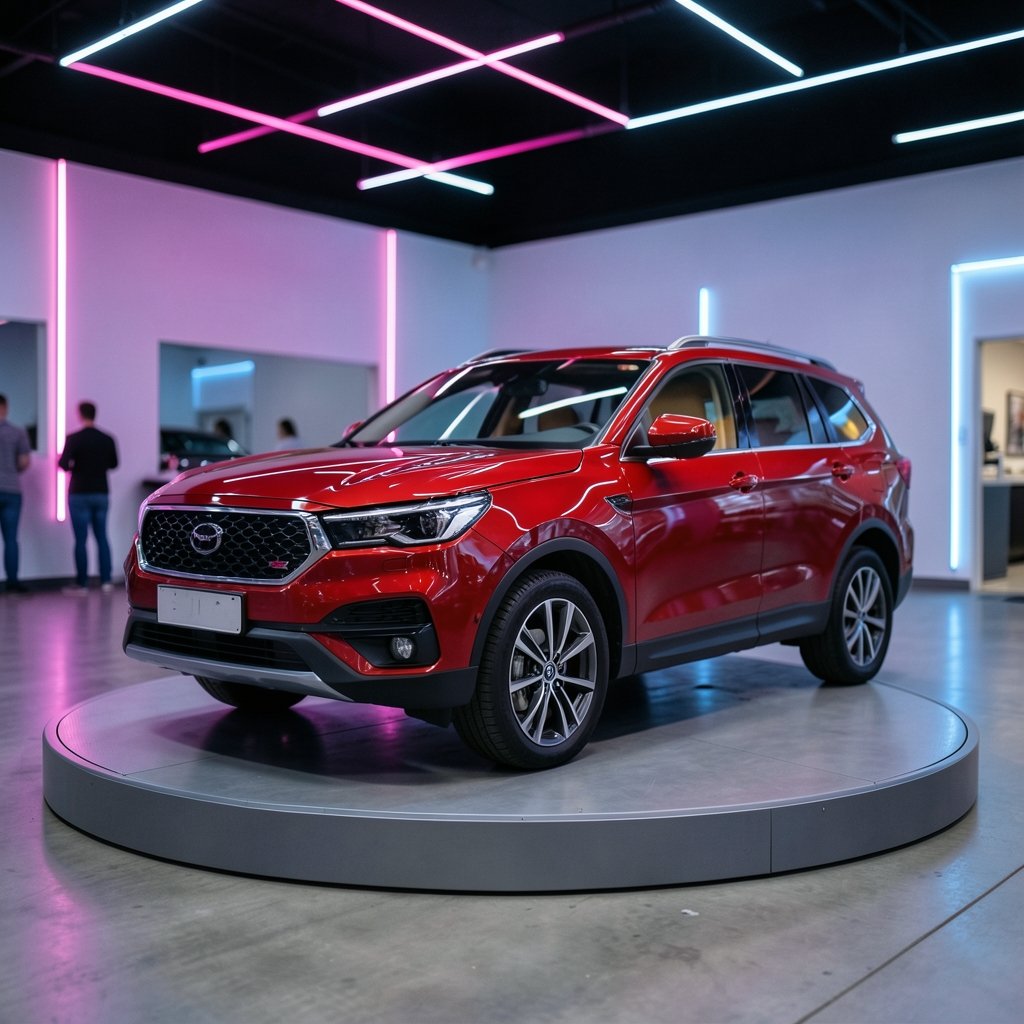
Will the 2027 Toyota Highlander be a redesigned SUV, a carryover model, or something buyers haven’t seen yet? That question comes up constantly in owner forums, dealer showrooms, and family group chats. The answer is more careful than most headlines suggest. Toyota has not publicly announced a specific 2027 Highlander model, and that single fact should shape how anyone reads the rumors flooding search results right now.
This guide separates what is known from what is guessed. It walks through the Highlander’s current generation, the Grand Highlander’s role, the hybrid lineup, and the practical things shoppers should do before assuming a 2027 model exists.
Where the Highlander Stands Today
The Toyota Highlander is a mid-size three-row crossover SUV. It launched in Japan and the United States around 2000 and 2001 as a unibody crossover, not a body-on-frame truck like the 4Runner. That distinction matters. The Highlander was built for families who wanted car-like comfort with three rows of seats, not for rock crawling.
The fourth generation arrived at the New York Auto Show in April 2019 and went on sale in the US in late 2019 as a 2020 model year vehicle. It moved to Toyota’s TNGA-K platform, which also underpins several other Toyota and Lexus models. That platform shift brought better ride quality, improved safety tech, and the hybrid powertrain option that has become central to the Highlander’s identity.
For North American buyers, the Highlander has long been built at Toyota’s Princeton, Indiana plant. That matters for anyone tracking supply, waitlists, and regional availability.
A mid-cycle refresh landed for the 2023 model year, adding a larger 12.3-inch display and updated styling. Since then, changes have been incremental. Toyota has historically run the fourth generation from model year 2020 onward, which makes a next-generation redesign plausible in the late 2020s. Plausible, however, is not the same as confirmed.
The Grand Highlander Is Not a Highlander Trim
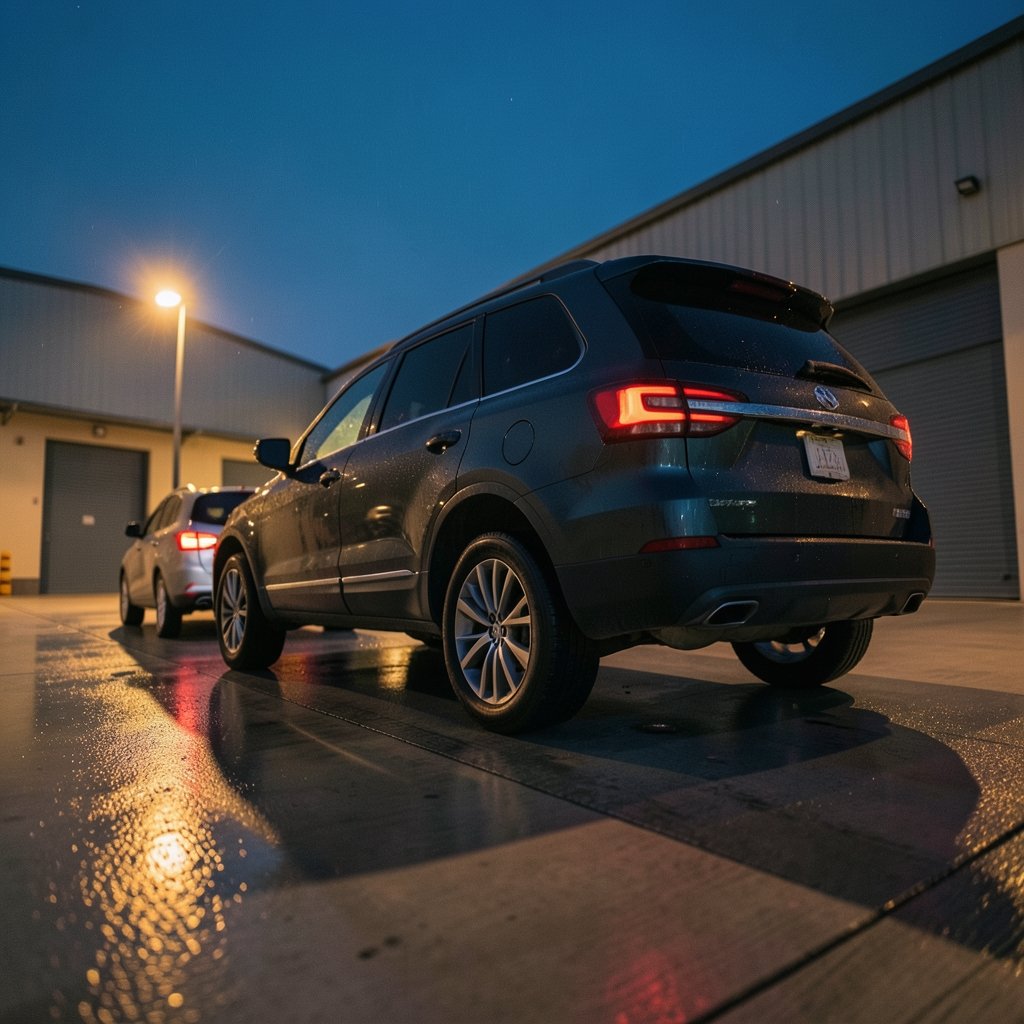
One of the most common points of confusion is the Grand Highlander. It is a separate, larger model, not an upgraded trim of the standard Highlander.
The Grand Highlander was unveiled at the Chicago Auto Show in February 2023 and went on sale in the US in 2023 as a 2024 model year vehicle, also built in Princeton, Indiana. It offers more third-row space and, notably, introduced the “Hybrid Max” turbo-hybrid powertrain.
Here is where naming gets messy. The standard Highlander hybrid uses a 2.5-liter four-cylinder hybrid system. The “Hybrid Max” badge belongs to a different, more powerful turbo-hybrid setup that arrived with the Grand Highlander. Hybrid naming varies by market and model year, so buyers should verify exactly which powertrain a given listing refers to rather than trusting a badge alone.
| Feature | Highlander | Grand Highlander |
|---|---|---|
| Segment | Mid-size three-row crossover | Larger three-row crossover |
| Debut | Fourth gen revealed April 2019 | Revealed February 2023 |
| US on-sale | Late 2019 (2020 MY) | 2023 (2024 MY) |
| Assembly | Princeton, Indiana | Princeton, Indiana |
| Hybrid options | 2.5L four-cylinder hybrid | Includes Hybrid Max turbo-hybrid |
If a shopper is cross-shopping a “2027 Highlander” against a Grand Highlander, they are comparing two different vehicles with different dimensions, pricing, and positioning. Treating them as one model leads to bad decisions.
What “2027 Highlander” Actually Means Right Now
Search results for the 2027 Highlander are full of speculative renders, unverified spec sheets, and “leaked” pricing. Almost none of it traces back to a primary Toyota source.
The honest position is this: as of available public information, Toyota has not announced a specific 2027 model year Highlander, a next-generation redesign timeline, or a 2027-specific powertrain. Anything beyond that is inference.
That does not mean the conversation is pointless. It means buyers need a filter. A useful rule of thumb: if a claim about the 2027 Highlander cannot be traced to an official Toyota press release, treat it as a rumor. This is the same discipline that separates useful AI tools from noise across the web, whether someone is comparing chatbots or checking a savings rate on the best AI high-yield savings accounts for 2027. Verification beats enthusiasm every time. (Best ai translation tools 2027 deepl vs chatgpt vs google)
Why Model-Year Timing Is Genuinely Uncertain
Toyota’s product cadence offers clues but not answers. The fourth-generation Highlander has run since model year 2020. A redesign in the late 2020s would fit historical patterns. But automakers adjust timelines constantly based on manufacturing capacity, demand shifts, and regulatory pressure.
Regulations add another constraint. US federal fuel-economy and emissions rules, plus state-level zero-emission mandates such as California’s Advanced Clean Cars II program, which targets 100% zero-emission new light-duty sales by 2035, shape how each automaker plans model years. These rules have faced litigation and revision, so confirm their status as of the publication date rather than relying on older summaries. The 2027 model year falls within those changing rules, which is another reason Toyota may stay quiet until plans are locked.
Practical Tips for Shoppers Waiting on a 2027 Model
People who want a 2027 Highlander usually fall into two camps: those who need a vehicle soon and those who can wait. The advice differs sharply.
If you need a vehicle within the next six to twelve months, do not wait on an unconfirmed model year. The current Highlander and Grand Highlander are available, well-documented, and backed by established warranty and service networks. Waiting for a vehicle that may not exist in the form you expect is a recipe for months of delay.
If you can wait a year or more, set up a monitoring routine instead of refreshing rumor sites. Check Toyota’s official newsroom periodically for Highlander press releases. Watch for auto show announcements, since Toyota has used shows like New York and Chicago for major reveals. And keep an eye on dealer communications, which often surface allocation news before public announcements.
Common mistakes worth avoiding:
- Putting down a deposit on a “2027 allocation” without written confirmation of the model year, trim, and powertrain. Verbal promises are not contracts.
- Assuming the Grand Highlander is the 2027 Highlander. They are distinct models with distinct pricing.
- Trusting speculative renders as design previews. Enthusiast renders are artwork, not leaks.
- Confusing hybrid badges. Verify the powertrain, not the marketing name.
- Ignoring the current model’s value. A well-equipped 2024 or 2025 Highlander may meet your needs at a lower price than a first-year redesign, which often carries a premium and early-production quirks.
First-hand experience from the showroom floor reinforces one point: the families happiest with their Highlander purchase are usually the ones who bought for their actual daily needs, not for a badge or a future model year. Third-row space, cargo flexibility, and hybrid fuel savings matter more in year three of ownership than whether the vehicle was the newest generation on the block.
How the Highlander Fits the Competitive Set
The Highlander competes in the mid-size three-row SUV segment against the Honda Pilot, Kia Telluride, Hyundai Palisade, and Ford Explorer. Each rival has its own refresh cycle, and shoppers comparing a hypothetical 2027 Highlander should compare it against what those competitors actually offer today.
The hybrid angle is Toyota’s strongest card. The fourth-generation Highlander hybrid has accounted for a significant share of sales, and Toyota has emphasized electrified powertrains across its lineup. For families logging heavy miles, that hybrid advantage often outweighs styling updates. The same logic applies when businesses evaluate tools: substance beats surface appeal, which is why guides like 10 best AI chatbots: GPT-5 and Claude under the hood in 2027 focus on what is actually running beneath the interface rather than marketing claims.
What to Watch Before Any 2027 Announcement
Rather than chasing rumors, track the signals that historically precede a Toyota model change.
Auto show calendars. Toyota revealed the fourth-generation Highlander at the New York Auto Show and the Grand Highlander at Chicago. Major auto shows remain the most common venue for three-row SUV debuts.
Plant and production news. The Highlander’s Princeton, Indiana assembly location means production changes, retooling announcements, or line adjustments can hint at a new generation before official word arrives.
Powertrain direction. Toyota’s broader electrification strategy is the clearest indicator of what a future Highlander will offer. If Toyota expands hybrid or plug-in hybrid options across its three-row lineup, the Highlander will likely follow.
Regulatory deadlines. Fuel-economy and emissions standards influence powertrain decisions years in advance. Confirming the current status of federal CAFE rules and state mandates gives shoppers a realistic picture of what automakers must build by 2027 and beyond.
None of these signals confirms a 2027 Highlander. Together, they form a reasonable watchlist that beats scrolling speculative articles.
Conclusion
The 2027 Highlander is, for now, a question rather than a product. Toyota has not publicly confirmed a 2027 model year Highlander, a redesign timeline, or a specific 2027 powertrain. What is confirmed is the current lineup: a fourth-generation Highlander that launched as a 2020 model, a larger Grand Highlander that arrived as a 2024 model, both built in Princeton, Indiana, and a hybrid strategy that has become central to Toyota’s identity.
Shoppers who need a vehicle should buy based on what exists today. Shoppers who can wait should watch official Toyota channels, auto show calendars, and production news instead of rumor mills. The Highlander nameplate has earned its reputation over more than two decades by being practical, comfortable, and increasingly electrified. Whatever the 2027 model year brings, that foundation is the safest thing to plan around.
FAQ
Is there a confirmed 2027 Toyota Highlander?
No. Toyota has not publicly announced a specific 2027 model year Highlander, a next-generation redesign timeline, or a 2027-specific powertrain. Any spec, price, or design claim for a 2027 Highlander should be traced to an official Toyota source or treated as speculation.
Is the Grand Highlander the same as the Highlander?
No. The Grand Highlander is a separate, larger model unveiled at the Chicago Auto Show in February 2023 and sold in the US as a 2024 model year vehicle. It is not a trim level of the standard Highlander, and it introduced the Hybrid Max turbo-hybrid powertrain.
When was the current Highlander generation introduced?
The fourth-generation Highlander was unveiled at the New York Auto Show in April 2019 and went on sale in the US in late 2019 as a 2020 model year vehicle. It moved to Toyota’s TNGA-K platform and added a hybrid powertrain option.
Where is the Highlander built?
For the North American market, the Highlander has long been built at Toyota’s Princeton, Indiana plant. The Grand Highlander is also built there.
Does the Highlander come as a hybrid?
Yes. The fourth-generation Highlander offers a 2.5-liter four-cylinder hybrid powertrain, and hybrids have accounted for a significant share of sales. Note that the “Hybrid Max” badge refers to a different turbo-hybrid setup introduced with the Grand Highlander, so buyers should verify the exact powertrain rather than relying on the badge name.
Should I wait for a 2027 Highlander or buy now?
If you need a vehicle within six to twelve months, buy based on what is available today. The current Highlander and Grand Highlander are well-documented and backed by established service networks. If you can wait a year or more, monitor Toyota’s official newsroom, auto show announcements, and production news rather than speculative renders.
The safest reading of the evidence is that any 2027 Highlander will be an evolution of the current formula rather than a departure from it: three rows, a hybrid option, and assembly in Princeton. Shoppers who keep that baseline in mind can evaluate rumors against it and dismiss claims that contradict established facts. When official word arrives, it will come through Toyota’s newsroom, a major auto show, or dealer communications, not through anonymous spec sheets. Until then, the practical move is simple: buy for today’s needs if timing demands it, and watch verified channels if it does not.



