

When is Pentecost 2027, and why does one spring Sunday end up circled in red on church calendars around the world? The answer starts with a count that began on Easter morning, and it ends with a date plenty of planners will want to note early: 16 May 2027. (True cost free ai tools 2027 youre really paying)
That date is not a guess. It follows the oldest arithmetic in the Christian calendar. Once you know Easter, Pentecost is fixed. And in 2027, the numbers line up in a way that gives churches, choirs, and event planners a comfortable runway to prepare. (Ai banking app fees compared 2027 true cost free)
Why Pentecost 2027 Falls on 16 May
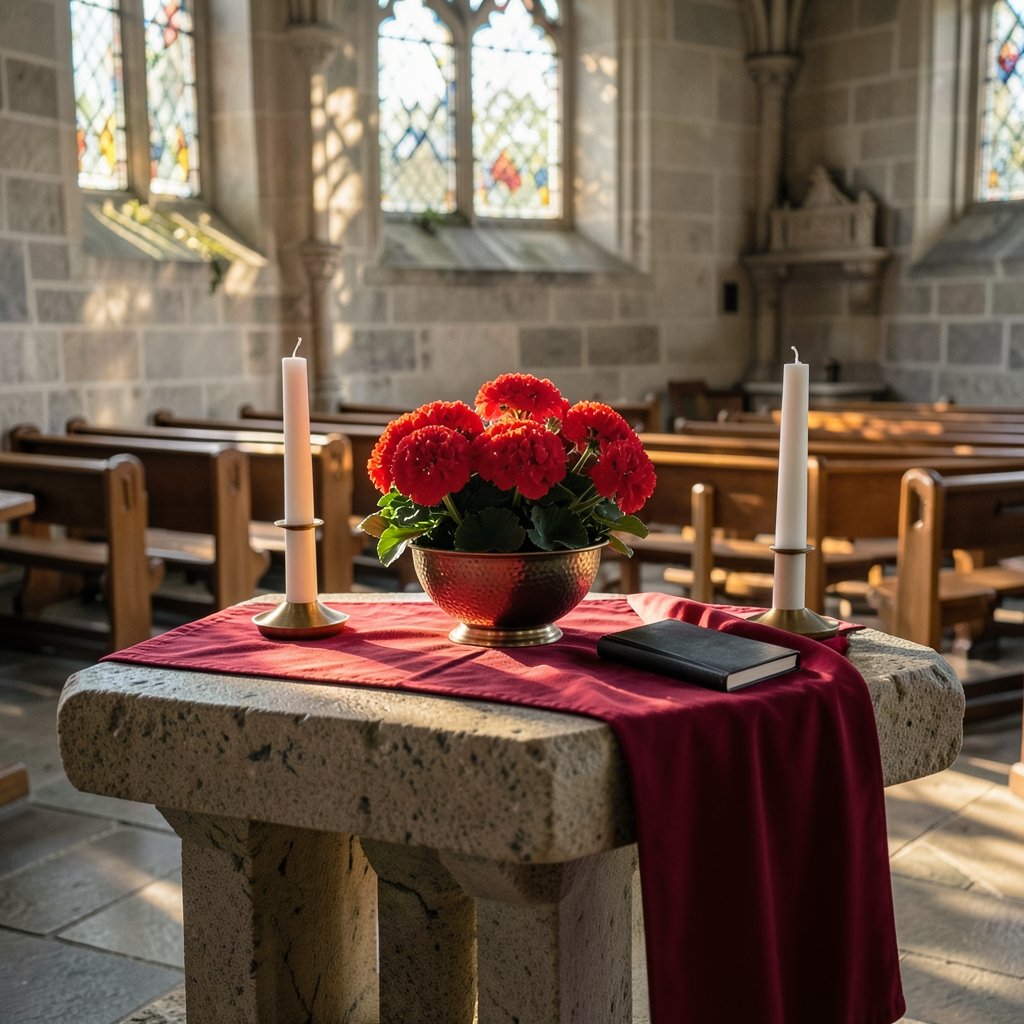
The name itself is the clue. Pentecost comes from the Greek word pentēkostē, meaning “fiftieth.” The feast marks the fiftieth day after Passover in its biblical setting, and Christian tradition re-anchors that count to Easter Sunday.
The math is simple once Easter is known:
- Easter 2027 falls on 28 March in the Western (Gregorian) reckoning.
- Pentecost is Easter plus 49 days, landing on the fiftieth day.
- 28 March plus 49 days gives 16 May 2027.
That is a Sunday, as Pentecost always is, because it is counted in whole weeks from a Sunday. Seven weeks of seven days, plus one: the fiftieth day.
How Easter 2027 Was Calculated
Easter’s date is not fixed. It follows the computus, the rule set formalized at the Council of Nicaea in 325 and later adjusted under the Gregorian calendar reform of 1582. The rule: Easter is the first Sunday after the first ecclesiastical full moon on or after 21 March.
For 2027, that calculation produces 28 March. Because Pentecost depends entirely on Easter, any change to the Easter date shifts Pentecost with it. That is why Pentecost bounces around the calendar each year, drifting anywhere from early May to mid-June. (Review 2027 free tools actually cost you)
Anyone planning around the date should treat 16 May 2027 as a computed result and double-check it against an official lectionary or denominational almanac before printing bulletins. The arithmetic is reliable, but local calendars sometimes carry their own confirmations.
What Pentecost Actually Commemorates
For Christians, Pentecost marks the descent of the Holy Spirit on the apostles, an event described in Acts 2. The disciples were gathered in Jerusalem when, according to the account, tongues of fire appeared above them and they began speaking in other languages. Peter preached, and thousands were baptized.
The day is often called the birthday of the Church for that reason. It is a principal feast in Anglican, Lutheran, Catholic, Methodist, and most Protestant calendars, ranking alongside Christmas and Easter in liturgical importance even though it gets far less cultural attention.
Part of that lower profile comes from timing. Pentecost has no gift-giving tradition, no secular counterpart, and no long shopping season. It arrives quietly, seven weeks after the eggs and bunnies have been packed away.
The Jewish Background
Pentecost did not appear from nowhere. Its roots sit in Shavuot, the biblical Feast of Weeks, which falls fifty days after the second day of Passover. Shavuot commemorates the giving of the Torah at Sinai and was one of the pilgrimage festivals that drew crowds to Jerusalem, which explains why the apostles were surrounded by visitors from many nations in the Acts account.
In 2027, Shavuot is expected to fall around 11–12 June, beginning the evening of 10 June in Israel, with diaspora observance adding a day. Those dates come from Hebrew calendar computation, so anyone citing them should verify against a rabbinical authority before publishing.
Western and Orthodox Dates May Differ in 2027
Here is where things get genuinely complicated, and where a lot of casual articles get it wrong. Western churches using the Gregorian calendar and Orthodox churches using the Julian calendar for Pascha do not always celebrate Easter on the same day. In many years the gap runs one, four, or five weeks.
In 2027, the two Easters do not align. That means Orthodox communities will observe Pentecost on a different Sunday than Western congregations. The exact Orthodox date should be confirmed against an official patriarchate or archdiocese calendar rather than assumed, because the Julian-Gregorian offset and the lunar rule interact in ways that resist shorthand.
For anyone organizing an ecumenical service, a shared choir program, or a joint community event, this is the single most important detail to nail down early. A date that works for the parish down the street may not work for the one across town.
| Tradition | Calendar Basis | Easter 2027 | Pentecost 2027 |
|---|---|---|---|
| Western (Catholic, Protestant, Anglican) | Gregorian | 28 March | 16 May |
| Eastern Orthodox | Julian (for Pascha) | Later than Western | Separate date, verify locally |
The Readings Churches Will Hear
2027 is Year A in the Revised Common Lectionary, the three-year cycle that rotates through Years A, B, and C and restarts each Advent. The Year A readings for Pentecost are widely listed as:
- Acts 2:1–21, the account of the Spirit’s arrival
- Psalm 104:24–34, 35b, a hymn of creation and renewal
- 1 Corinthians 12:3b–13, on spiritual gifts and the one Spirit
- John 20:19–23, the risen Christ breathing the Spirit on the disciples
Some traditions substitute John 7:37–39. Preachers should confirm against the official lectionary table for their denomination, since local adaptations exist.
Practical Planning Tips That Actually Help
Churches that handle Pentecost well tend to start early, and the ones that struggle usually make the same few mistakes. A few habits worth adopting:
- Confirm the date against your own denominational calendar first. The computed date is 16 May 2027, but a quick check against an official source prevents embarrassing bulletin errors.
- Book musicians and guest preachers in January, not May. Pentecost lands in a busy season, and good brass players and guest speakers fill their calendars months ahead.
- Order red paraments and banners well in advance. Red is the traditional color for the day, tied to the tongues of fire in Acts. Shops that stock liturgical supplies sell out in the weeks before.
- Prepare for the baptism question early. Many congregations use Pentecost for baptisms, and families need notice to plan.
- Don’t over-program the service. The Acts reading is dramatic on its own. Adding too much spectacle can bury the text.
One common mistake: treating Pentecost as a minor Sunday because it lacks cultural gravity. In liturgical traditions it is anything but minor, and congregations notice when it is celebrated with care.
Red, White, and the Whit Sunday Name
In English tradition, Pentecost is also called Whitsunday or Whit Sunday. The “Whit” element is generally traced to “White Sunday,” a reference to white baptismal garments worn by new Christians. That etymology is widely repeated, though it should be attributed rather than stated as settled fact.
The day’s signature color in Western traditions is red, symbolizing the Spirit’s tongues of fire. Expect red vestments, red altar cloths, and in many congregations red clothing among the people in the pews. Some churches hand out red flowers or decorate with red streamers for children.
Where Pentecost Is a Public Holiday
Pentecost Monday, often called Whit Monday or Pfingstmontag, is a public holiday in several European countries. The list commonly includes Germany, Austria, France, Belgium, the Netherlands, Denmark, Norway, and Luxembourg, with Switzerland observing it in most cantons.
The exact list varies, and cantonal rules in Switzerland mean uniformity cannot be assumed. Anyone planning travel, shipping, or business meetings around 17 May 2027, the Monday after Pentecost, should check the specific country’s official holiday gazette rather than relying on general lists.
For businesses running operations across Europe, that Monday is a genuine scheduling hazard. A team in Munich may be off while colleagues in London are working, and finance teams reconciling payments across the holiday need to plan settlement timing accordingly. The same caution applies to anyone building automated processes that assume a normal business day.
Names Around the World
The feast carries different names across languages and regions, which matters for search, for international communications, and for anyone trying to coordinate across borders.
| Language | Name |
|---|---|
| English (traditional) | Whitsunday, Whit Sunday |
| German | Pfingsten |
| French | Pentecôte |
| Spanish | Pentecostés |
| Greek (origin) | Pentēkostē |
The variety reflects how widely the feast is observed. It also explains why a single search for “pentecost 2027” can return results in a dozen languages, each with slightly different date conventions.
Why the Date Matters Beyond Church Walls
Pentecost 2027 is a liturgical marker that sits at the intersection of several planning calendars at once.
For event planners, 16 May 2027 is a Sunday in mid-May, a popular window for spring weddings, confirmations, and community festivals. Booking venues and vendors early avoids collisions with church programming.
For schools and universities with religious observance policies, Pentecost may affect attendance or scheduling in some regions, particularly where the Monday is a public holiday.
For interfaith and civic organizations, the overlap between Shavuot in June and Pentecost in May offers a natural opportunity for shared programming about the season of weeks that both traditions count.
For publishers and content teams, the date is fixed and predictable, which makes it easy to prepare materials well in advance. Anyone building annual editorial calendars around religious holidays can lock in 16 May 2027 today and work backward.
There is a broader lesson here about how date-dependent planning works in general. Whenever a deadline or event hinges on a computed date, the smart move is to verify the arithmetic against an authoritative source and then build a buffer. A single miscalculated day can cascade through printing, staffing, and travel. The same discipline that keeps a church bulletin accurate keeps a project timeline honest.
Common Misconceptions Worth Clearing Up
A few errors show up again and again in discussions of Pentecost 2027.
Myth: Pentecost has a fixed date. It does not. It moves with Easter every year, which is why the 2027 date differs from 2026 and 2028.
Myth: All Christians celebrate Pentecost on the same day. Western and Orthodox calendars diverge in 2027, so the answer depends on which tradition you mean.
Myth: Pentecost is a minor feast. In liturgical churches it ranks among the principal feasts, with its own readings, color, and customs.
Myth: The date can be worked out from Christmas. It cannot. Pentecost depends on Easter, and Easter depends on the lunar cycle, not on any fixed winter date.
Getting these straight matters for anyone writing, teaching, or planning around the date. A single wrong assumption about the calendar can throw off an entire season of preparation.
Conclusion
Pentecost 2027 lands on 16 May, fifty days after Easter on 28 March, and it carries a weight that its quiet cultural profile tends to hide. It marks the arrival of the Holy Spirit, the traditional birthday of the Church, and a principal feast for a large share of the world’s Christians.
The date is fixed and knowable. Orthodox communities will mark a different Sunday, and Shavuot falls separately in June, so anyone coordinating across traditions should confirm locally rather than assume. For churches, planners, and curious readers alike, the practical takeaway is straightforward: note 16 May 2027 now, verify it against your own tradition’s calendar, and start preparing early. Seven weeks of counting ends on a single Sunday, and it rewards the people who planned for it.
FAQ
When is Pentecost in 2027?
Pentecost 2027 falls on Sunday, 16 May, in the Western Christian reckoning. It is calculated as Easter Sunday plus 49 days, landing on the fiftieth day of the Easter season.
Why does Pentecost change dates every year?
Pentecost is tied to Easter, and Easter follows the lunar-based computus rule rather than a fixed calendar date. Because Easter moves, Pentecost moves with it, landing anywhere from early May to mid-June.
Do Orthodox Christians celebrate Pentecost on the same day in 2027?
No. Orthodox churches using the Julian calendar for Pascha will observe Easter, and therefore Pentecost, on a different date than Western churches in 2027. The exact Orthodox date should be confirmed with an official church calendar.
What color is associated with Pentecost?
Red is the traditional color in Western traditions, symbolizing the tongues of fire described in Acts 2. Churches often use red vestments, altar cloths, and banners, and some congregations encourage people to wear red.
Why is Pentecost called the birthday of the Church?
It commemorates the descent of the Holy Spirit on the apostles and the preaching that followed, which led to mass baptism and the formation of the early Christian community. That event is traditionally treated as the Church’s beginning.
Is Pentecost a public holiday anywhere?
Pentecost Monday, or Whit Monday, is a public holiday in several European countries, including Germany, Austria, France, Belgium, the Netherlands, Denmark, Norway, and Luxembourg, and in most Swiss cantons. Rules vary, so check the specific country’s official holiday listing.


