
What if the planner you buy for 2027 quietly shapes how the entire year goes, before January even starts? That sounds dramatic for a stack of paper. But anyone who has abandoned a planner by February knows the feeling: the wrong layout, the wrong size, or the wrong start date turns a good intention into clutter on a desk. Getting 2027 right is mostly about knowing a few calendar facts, matching a format to how you actually work, and buying at the right moment. Here is what matters.
Why 2027 Has Its Own Quirks
Every year has a personality, and 2027’s is unusual in a way that affects how a planner is laid out.
2027 is a common year of 365 days, and January 1, 2027 falls on a Friday. That single fact reshapes the whole grid. Many weekly planners open with a partial week, so the first spread may show just Friday, Saturday, and Sunday. Some brands handle this by tucking those three days into a notes column. Others push the first full spread to the week beginning Monday, January 4. Neither approach is wrong, but you should decide which one you prefer before you commit, because it sets the rhythm for the first ten days of the year.
Week numbering matters too. Under ISO 8601, the international standard for date and time formats, 2027 has 52 weeks, and ISO week 1 begins Monday, January 4, 2027. If your work involves project codes, payroll cycles, or production schedules that run on ISO weeks, check that your planner actually prints week numbers. Plenty of consumer planners skip them entirely, and you will not notice until you need them.
One thing you can cross off the list: there is no leap day to plan around. 2027 is not a leap year. That honor goes to 2028, which is worth remembering if you are buying a planner that spans two years or an academic model.
The Real Reason People Buy the Wrong Planner
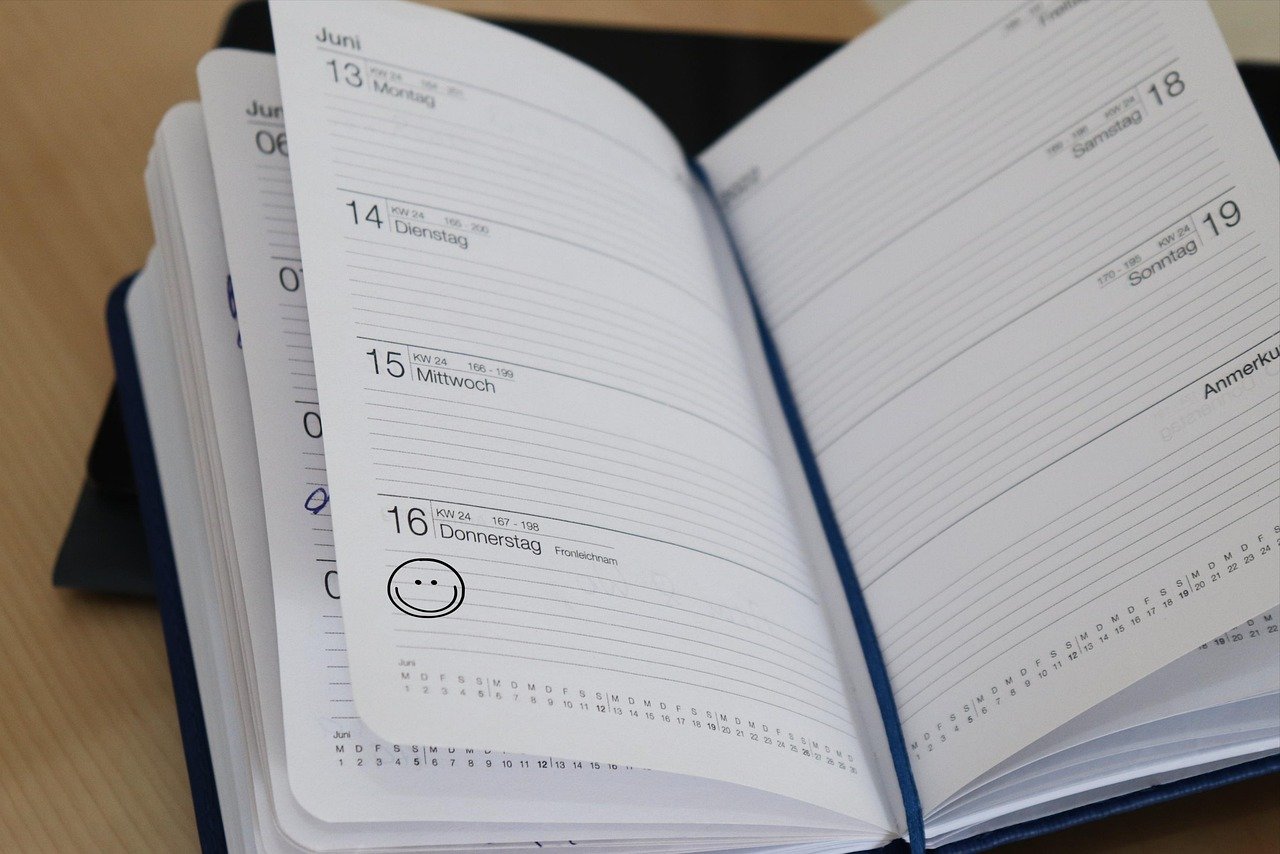
Here is the pattern that plays out every autumn. Someone walks into a stationery shop in October, sees a beautiful weekly planner, buys it, and discovers in February that it has no space for the running task list they rely on. Or they buy a daily planner, love it for three weeks, then realize that most days are too boring to fill a whole page.
The mistake is almost always buying by look rather than by layout. A planner is a tool, and tools work or fail based on whether their structure matches the job. The fix is unglamorous: before you shop, write down what you actually need the book to hold. Appointments? A running to-do list? Project notes? Meal plans? Habit tracking? Then check that the layout has a home for each one.
A second common mistake is buying too early without checking the dates. Planners sold in late summer are often academic-year models running from July or August to the following June or July. If you want a January-to-December book, read the cover carefully. The academic format is genuinely useful for students and teachers, but it is the wrong tool for someone whose year starts in January.
The third mistake is size. ISO 216 sets the A-series paper sizes, and A5 and A6 dominate the planner market. A5 is roughly the size of a small paperback and works well for desk use. A6 fits a coat pocket but leaves little room for writing. Many people buy the smaller size for portability, then find they cannot fit a day’s tasks into it. If you write a lot, size up.
Matching the Layout to the Job
Planner layouts fall into a handful of families, and each one suits a different kind of user.
| Layout | Best for | Watch out for |
|---|---|---|
| Daily | People with packed, appointment-heavy days | Bulk; blank pages on quiet days |
| Weekly | Most professionals and students | Cramped weekend space |
| Monthly | Big-picture planning and deadlines | No room for daily tasks |
| Undated | Irregular users and bullet-journal fans | You must write every date yourself |
| Academic | Students, teachers, families on a school calendar | Starts mid-year, not in January |
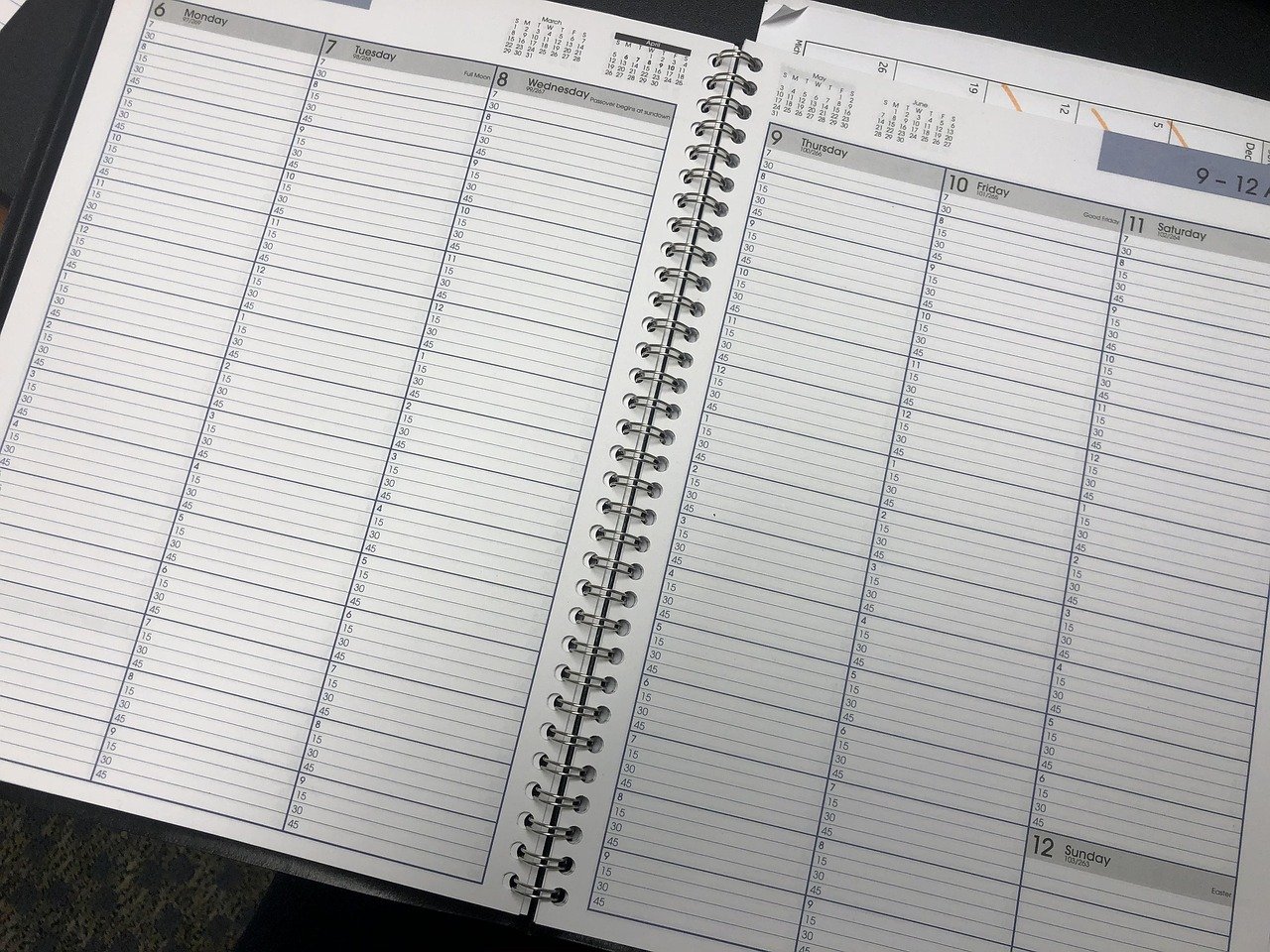
Daily layouts give one page per day, which is wonderful if your days are full and miserable if they are not. Weekly layouts are the most popular compromise: a full week across two pages, with a side column for notes. The catch is that Saturday and Sunday often get squeezed into a shared box, which is fine for some people and infuriating for others.
Monthly layouts work best as a companion rather than a standalone. Many people buy a monthly planner and then wonder why they have nowhere to write Tuesday’s grocery list. Undated planners solve the abandonment problem, because a missed week does not leave a graveyard of blank dated pages, but they demand discipline.
If your planning needs extend beyond the calendar itself, it helps to look at how other planning tools are structured. The same logic that applies to picking a planner applies to building a content schedule, and a walkthrough of the best AI content calendar tools for planning 30 days in 30 minutes shows how digital tools handle the same weekly-versus-daily tradeoff. For anyone drafting a business plan alongside their yearly goals, a comparison of the best AI business plan generators put through real testing is a useful companion read.
Paper or Digital in 2027?
The paper-versus-digital question is older than the smartphone, and the honest answer is that both work, for different reasons.
Paper planners win on focus. There are no notifications, no tabs, and no temptation to check messages mid-entry. Writing by hand also slows you down in a useful way, which is why many people find that a paper weekly spread forces clearer thinking than a digital task list. The downside is searchability: finding a note from eight months ago means flipping pages.
Digital planners, usually PDF files annotated in a tablet app, offer a middle path. They keep the visual layout of paper but add the ability to copy, paste, and search. Compatibility is the catch. A PDF planner built for one annotation app may behave poorly in another, so check which app the file is designed for before buying, and confirm whether hyperlinked tabs are included.
Hybrid setups are common and underrated. A paper planner for daily tasks plus a shared digital calendar for appointments covers most needs without forcing a choice. Whichever route you take, the principle is the same: the tool should reduce the number of places you have to look.
The same evaluation habit pays off across other software categories. If you are weighing chat assistants for work this year, a breakdown of the 10 best AI chatbots with GPT-5 and Claude under the hood applies the same “match the tool to the job” test. And if your planning includes an online store, the guide to AI chatbots for e-commerce that rescue abandoned carts is worth a look.
When to Buy and What to Pay
Year-dated planners for a given year typically go on sale in the autumn before that year begins. That means 2027 planners should start appearing around late 2026, with the widest selection in November and December and clearance discounts in January and February.
The practical advice is to buy in the window where choice is widest but before the popular layouts sell out. Weekly planners in A5 tend to be the first to go. Waiting for a January sale can save money, but you may end up with whatever is left, which is often the oversized daily models nobody wanted.
A few buying checks worth doing in the shop or on the product page:
- Confirm the date range on the cover rather than relying only on the title.
- Check whether week numbers are printed.
- Look at how the first week of January is handled, given that January 1 falls on a Friday.
- Count the notes pages at the back.
- Check the paper weight if you use fountain pens or heavy markers; thin paper bleeds through.
- Confirm the binding lies flat, especially for A5 and larger sizes.
Building a Planner Habit That Lasts Past March
Buying the right book is half the job. The other half is the routine around it, and this is where most people quietly give up.
The most reliable habit is a short weekly review. Fifteen minutes on a Sunday to look at the week ahead, move unfinished tasks forward, and check for conflicts does more than any fancy layout. Daily users often add a two-minute morning check. The point is not to fill every box but to keep the book open and current.
A second practical tip: do not try to use every section. Planners come with habit trackers, mood grids, and goal pages, and the temptation is to fill them all in January. Most people cannot sustain six trackers. Pick one or two that matter and let the rest stay blank without guilt.
A third: keep a capture page. A single blank page at the back for stray thoughts, phone numbers, and ideas prevents the classic failure mode where a planner becomes too precious to scribble in. A planner you are afraid to write in is a notebook you will not use.
Finally, expect a mid-year slump. Most planner abandonment happens in late spring, when the novelty has worn off and the year feels long. The fix is to treat the planner as a working document rather than a record of perfection. Crossed-out entries and messy margins are signs of use, not failure.
Conclusion
A 2027 planner is a small purchase with an outsized effect on how the year feels. The calendar itself hands you two facts worth planning around: January 1 falls on a Friday, and the year runs 52 ISO weeks with week 1 starting January 4. Beyond that, everything comes down to fit. Match the layout to how you actually work, check the date range before you buy, choose a size you will genuinely carry, and decide early whether paper, digital, or a hybrid suits you. Buy in the autumn window when choice is widest, then protect the habit with a short weekly review. Do those things and the planner stops being a January enthusiasm and becomes the thing you reach for in November.
FAQ
When do 2027 planners go on sale?
Year-dated planners for a given year usually appear in the autumn before that year starts, so 2027 models should begin showing up around late 2026. Selection tends to peak in November and December, with clearance discounts arriving in January and February once the year has begun.
What day of the week does 2027 start on?
January 1, 2027 falls on a Friday. Because of that, many weekly planners open with a short first spread covering only Friday, Saturday, and Sunday, before moving to a full week starting Monday, January 4.
How many weeks are in 2027?
Under ISO 8601, 2027 has 52 weeks, and ISO week 1 begins on Monday, January 4, 2027. If your work relies on week numbers for scheduling or reporting, check that your planner prints them, since many consumer planners leave them out.
Is 2027 a leap year?
No. 2027 is a common year of 365 days. The next leap year is 2028, which matters if you are buying a planner that spans more than one calendar year or follows an academic schedule running past December.
What is the difference between a calendar-year and an academic planner?
A calendar-year planner runs from January to December. An academic planner typically starts in July or August and runs to the following June or July, matching a school year. The covers can look similar, so check the printed date range rather than the title.
Which planner size is best for everyday use?
A5 is the most popular size for daily carry and desk use, offering enough writing space without being bulky. A6 fits a pocket but can feel cramped for task lists. If you write heavily, size up; if portability matters most, accept the smaller space and keep notes brief.



