
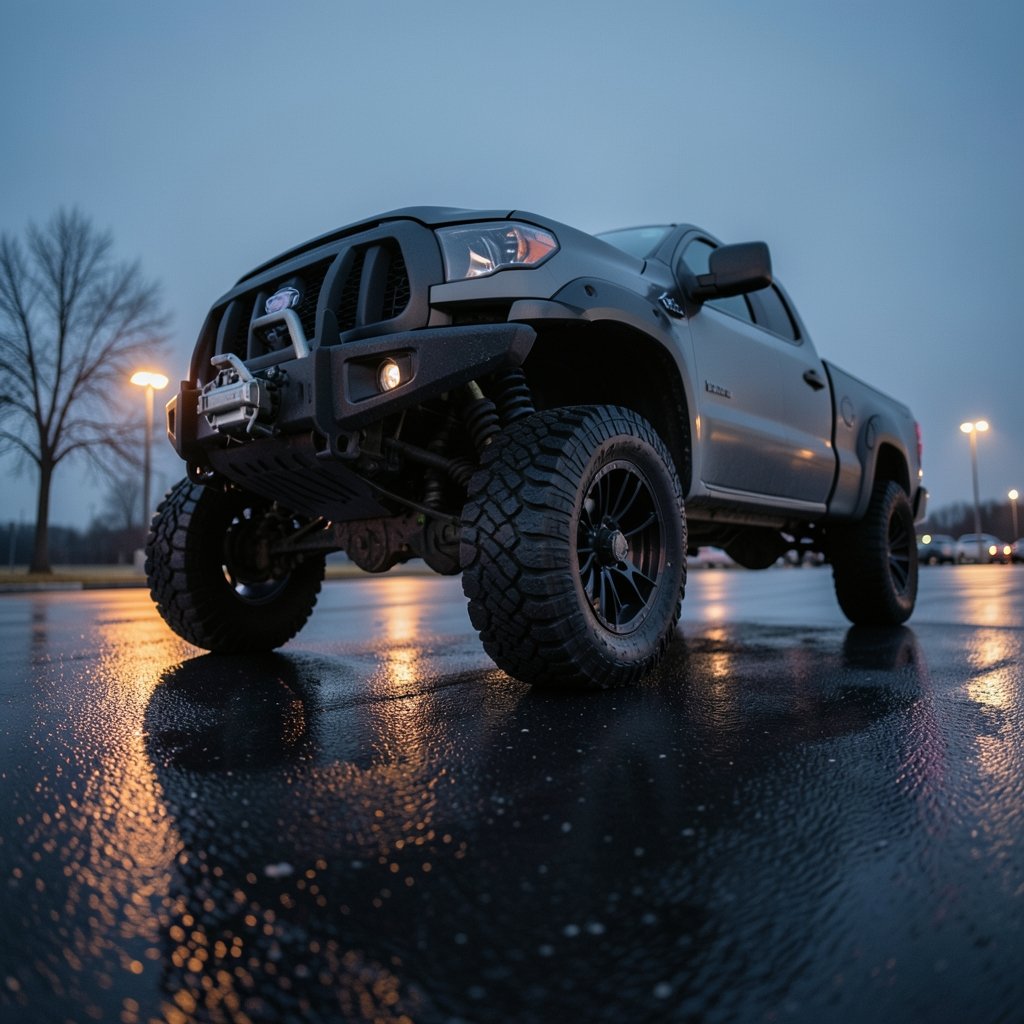
Will Ram finally drop a Cummins under the hood of its most off-road-focused heavy-duty truck? That single question has fueled years of forum threads, YouTube speculation, and dealer-lot wishful thinking. The 2027 Ram 2500 Power Wagon diesel is one of the most anticipated “maybe” trucks in America, and the honest answer is more complicated than a headline. This article separates what is known, what is likely, and what is pure rumor, so you can plan a purchase without getting burned by hype.
Why the Diesel Power Wagon Question Won’t Go Away
The Power Wagon nameplate has deep roots. Ram brought it back on the 2005 model year Ram 2500, and the badge has carried real off-road hardware ever since. The modern version, from the 2014 model year onward, is a genuinely serious trail truck: front and rear locking differentials, a disconnecting front sway bar, a lifted suspension, and a 12,000-pound Warn winch. That is a factory-built rig that can crawl rocks on Saturday and tow on Sunday.
Here is the catch. Through the 2014 to 2024 model years, the U.S. Power Wagon has been gasoline-only, powered by the 6.4L HEMI V8. The Cummins 6.7L turbo-diesel has been available across other Ram 2500 and 3500 trims, but Ram historically kept it out of the Power Wagon. The reasons cited most often are packaging and weight, plus the off-road mission itself. A heavy iron-block diesel over the front axle changes the balance, the payload math, and the cooling story.
So when people search for a 2027 Power Wagon diesel, they are really asking whether Ram has reversed a decade-long policy. As of the most recent confirmed product information, no official Ram or Stellantis release has announced a diesel Power Wagon for the 2027 model year. That is the single most important sentence in this article. Everything else is context.
What Is Actually Confirmed So Far
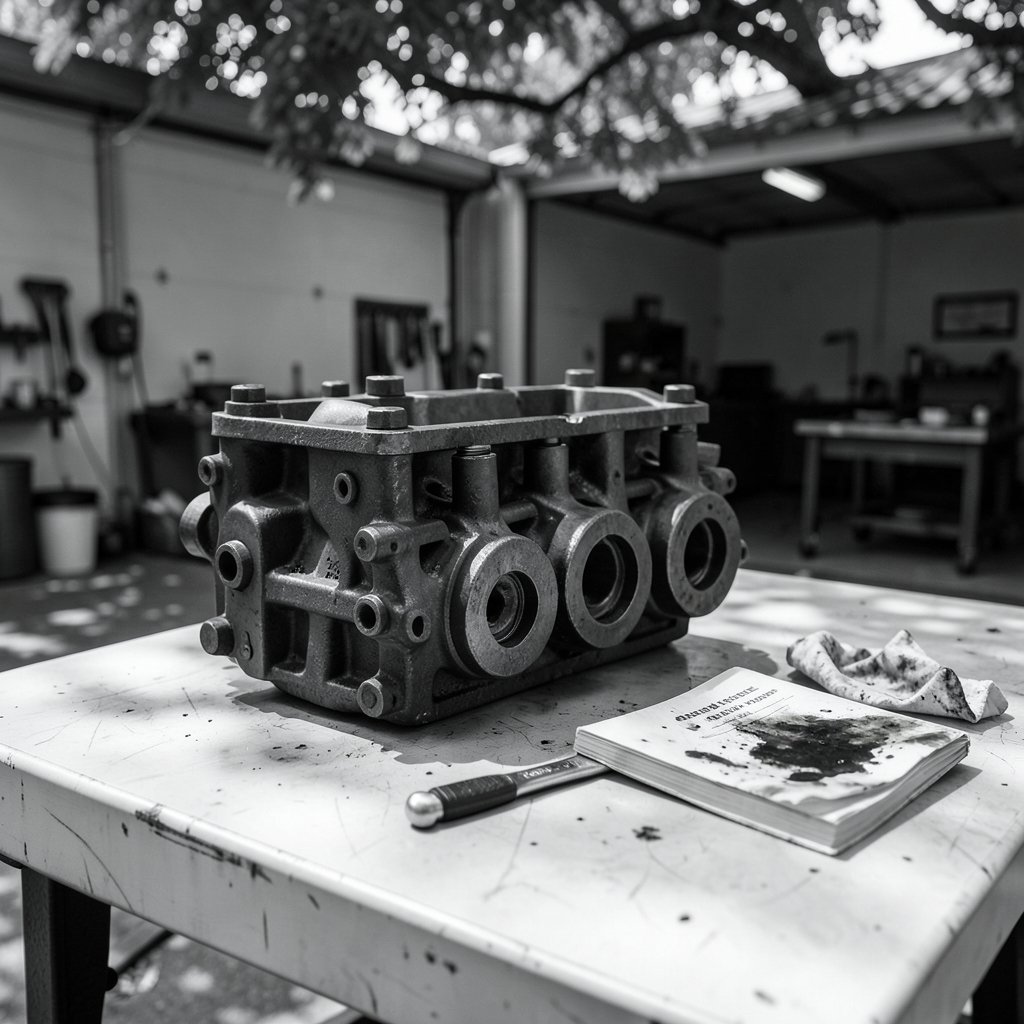
Ram did announce a heavy-duty refresh for the 2025 model year, revealed during 2024. That update brought revised Cummins 6.7L diesel tuning and interior changes. Whether a diesel Power Wagon was folded into that refresh is not something that can be confirmed from available information, and anyone who tells you otherwise should be asked for a primary source.
The Cummins 6.7L inline-six itself is well documented. Depending on year and tune, Ram 2500 and 3500 diesel ratings have landed roughly in the 370 to 420 horsepower range, with torque between 850 and 1,000 lb-ft. High-output versions reached the 1,000 lb-ft mark around the 2021 model year. Exact 2027 figures are unknown, and it is worth saying plainly: nobody outside Stellantis knows them yet.
One timing convention matters for planning. 2027 model year vehicles in the U.S. typically begin production and sale in calendar 2026. So if you are shopping in 2026 for a 2027 truck, you are shopping right at the edge of the announcement window. That is exactly when speculation peaks and misinformation spreads fastest.
Gas vs Diesel in a Power Wagon: The Real Tradeoffs
If Ram does offer a diesel, or if you are cross-shopping a diesel Ram 2500 against a gas Power Wagon today, the practical differences matter more than the badge. Here is how the two approaches compare on the things that actually affect ownership.
| Factor | 6.4L HEMI Gas Power Wagon | Cummins 6.7L Diesel (other Ram 2500 trims) |
|---|---|---|
| Off-road package | Full Power Wagon hardware confirmed | Not offered on Power Wagon historically |
| Torque character | High-rpm, linear | Low-rpm, massive |
| Front-end weight | Lighter | Heavier iron-block engine |
| Fuel and DEF | Gasoline only | Diesel plus DEF/SCR aftertreatment |
| Emissions hardware | Simpler | Complex aftertreatment system |
| Towing confidence | Adequate | Stronger at altitude and with loads |
| Cold-weather quirks | Fewer | DEF gelling, grid heater cycles |
The emissions column deserves attention. U.S. heavy-duty pickup diesels fall under federal emissions rules and require DEF/SCR aftertreatment. Any new diesel variant would need to meet current standards, and that hardware adds cost, weight, and maintenance touchpoints. It also means a diesel Power Wagon, if it ever arrives, would carry a price premium that stacks on top of the already steep Power Wagon package.
Practical tip from the trail side: if you spend most of your time at low speed on technical terrain, the gas HEMI’s lighter nose and simpler plumbing are genuine advantages. If you tow a heavy trailer over mountain passes, the diesel’s torque is hard to argue with. The mistake people make is buying for the 5% of trips that look good on Instagram instead of the 95% of miles they actually drive.
The Aftermarket Doesn’t Wait for Factory Decisions
Here is where first-hand experience across the truck world is useful. When a factory won’t build the truck people want, the aftermarket fills the gap. Owners have long built “diesel Power Wagon” equivalents by starting with a diesel Ram 2500 and adding the off-road pieces: lockers, a disconnecting sway bar where feasible, a winch bumper, and a lift. It is expensive and it is not warranty-friendly in the same way, but it works.
The common mistakes in that build path are worth naming. People underestimate the weight penalty of a diesel up front and end up chasing suspension and steering fixes. They add a winch and bumper without recalculating payload. They skip the cooling and airflow upgrades that a heavy engine plus slow trail speeds demand. And they assume a lift alone equals off-road capability, when lockers and a disconnecting sway bar do far more for traction than two extra inches of clearance.
If you are weighing a build like this against waiting for a factory truck, it helps to think in total cost of ownership rather than sticker price. Depreciation, fuel, DEF, maintenance intervals, and resale all shift the math. The same discipline applies to other big-ticket tech purchases, whether you are comparing AI-powered neobanks like Chime, Revolut, and Monzo or checking an RTX 4090 vs RTX 5080 power efficiency comparison before a GPU upgrade. The headline number is never the whole story.
How to Read the Rumors Without Getting Fooled
Enthusiast media and forums have speculated about a diesel Power Wagon for years. Speculation is not confirmation, and the gap between the two has cost plenty of buyers a deposit on a truck that never shipped. A few filters help.
- Check whether the claim traces back to a Stellantis or Ram press release, not a “reportedly” or “sources say.”
- Look at the model year. A 2025 refresh announcement is not a 2027 product confirmation.
- Be suspicious of exact horsepower, torque, or price figures for an unannounced truck. Real numbers come from official spec sheets.
- Cross-check trade outlets that employ actual sourcing standards before you believe a screenshot.
- Watch dealer allocation chatter skeptically. Dealers speculate as much as anyone.
The same rumor-vs-source discipline shows up in other product categories. When people compare AI analytics and BI tools like Tableau AI versus Power BI, the useful reviews are the ones that separate vendor marketing from measured workflow reality. Truck shopping is no different.
What a Diesel Power Wagon Would Actually Change
Suppose Ram does greenlight it. What would buyers gain and give up?
The gains are obvious: effortless low-end torque for crawling and towing, better fuel range on long trail days, and the resale strength that Cummins badges tend to carry. A diesel Power Wagon would also be a marketing flagship, the kind of halo truck that pulls people into showrooms.
The tradeoffs are just as real. More weight over the front axle changes steering feel and can stress components. The aftertreatment system adds complexity and a failure point. Cold-weather ownership brings DEF concerns and longer warm-up routines. And the price gap versus the gas truck would likely be substantial, on top of the Power Wagon package premium.
There is also a payload question. Heavy-duty buyers often assume diesel equals more capability, but the engine’s weight eats into the payload rating. A diesel off-roader that can’t carry a family plus gear plus a winch bumper is a worse tool than a lighter gas truck that can. Smart buyers check the door-jamb payload sticker, not the brochure.
Shopping Advice for the 2026 to 2027 Window
If you are set on a 2027 truck, here is a practical sequence that avoids the common traps.
First, decide whether you actually need diesel. If your towing is occasional and your trails are technical, the gas Power Wagon is the better-balanced tool. Second, if you need diesel torque, price a diesel Ram 2500 in a non-Power-Wagon trim and budget the off-road additions separately so you see the true cost. Third, if you want to wait for a factory diesel Power Wagon, set a decision date. Waiting indefinitely has an opportunity cost, especially if you are financing.
Lease shoppers should also look beyond the monthly payment. Incentives and residual values swing wildly on heavy-duty trucks, and the fine print matters. The same principle applies whether you are evaluating Ram truck lease deals or comparing AI chatbots for small business in 2027. The advertised number is a starting point, not the deal.
One more practical note: if a diesel Power Wagon is announced, expect a launch-year premium and limited availability. First-model-year trucks also carry the usual risk of teething issues. Waiting for the second year is often the smarter financial call, even if it stings.
Conclusion
The 2027 Ram 2500 Power Wagon diesel is, as of confirmed information, an unconfirmed product. The Power Wagon has been gasoline-only in the U.S. since the modern 2014 version, and Ram has not announced a diesel variant for 2027. The Cummins 6.7L exists and is well understood, the 2025 heavy-duty refresh is real, and the speculation is loud. But loud is not the same as official.
Buyers have two honest paths. Buy the gas Power Wagon if the off-road hardware is what you want and diesel torque is a nice-to-have. Or buy a diesel Ram 2500 and build the off-road capability yourself, with eyes open about weight, payload, and cost. Either way, demand a primary source before you believe any 2027 diesel claim, and don’t let a rumor set your timeline. The right truck is the one that fits how you actually drive, not the one in the comment section.
Frequently Asked Questions
Is there a confirmed 2027 Ram 2500 Power Wagon diesel?
No. As of confirmed product information, Ram and Stellantis have not announced a diesel Power Wagon for the 2027 model year. Any claim of confirmed specs, pricing, or a launch date should be treated as unverified until it traces back to an official Ram or Stellantis release.
Why has the Power Wagon been gas-only?
The modern Power Wagon, from the 2014 model year onward, has used the 6.4L HEMI V8. Ram has historically kept the Cummins 6.7L diesel out of the Power Wagon because of packaging and weight concerns and the truck’s off-road mission. A heavy iron-block diesel over the front axle changes balance, payload, and cooling.
How much torque does the Cummins 6.7L make?
Depending on year and tune, Ram 2500 and 3500 diesel ratings have landed roughly between 370 and 420 horsepower, with torque from about 850 to 1,000 lb-ft. High-output versions reached 1,000 lb-ft around the 2021 model year. Exact 2027 figures are not known.
When do 2027 model year trucks go on sale?
U.S. 2027 model year vehicles typically begin production and sale in calendar 2026. That means shoppers in 2026 are buying right at the edge of the announcement window, which is when rumors spread fastest and misinformation is most common.
Can I build a diesel Power Wagon myself?
Yes, and owners have done it for years by starting with a diesel Ram 2500 and adding lockers, a winch bumper, a lift, and other off-road hardware. Expect higher cost than a factory package, warranty considerations, and a real weight penalty up front. Recalculate payload before you add heavy accessories.
What emissions equipment does a diesel Ram 2500 need?
U.S. heavy-duty pickup diesels fall under federal emissions rules and require DEF/SCR aftertreatment. That hardware adds cost, weight, and maintenance touchpoints, and it is one reason a diesel Power Wagon would likely carry a significant price premium over the gas version.



