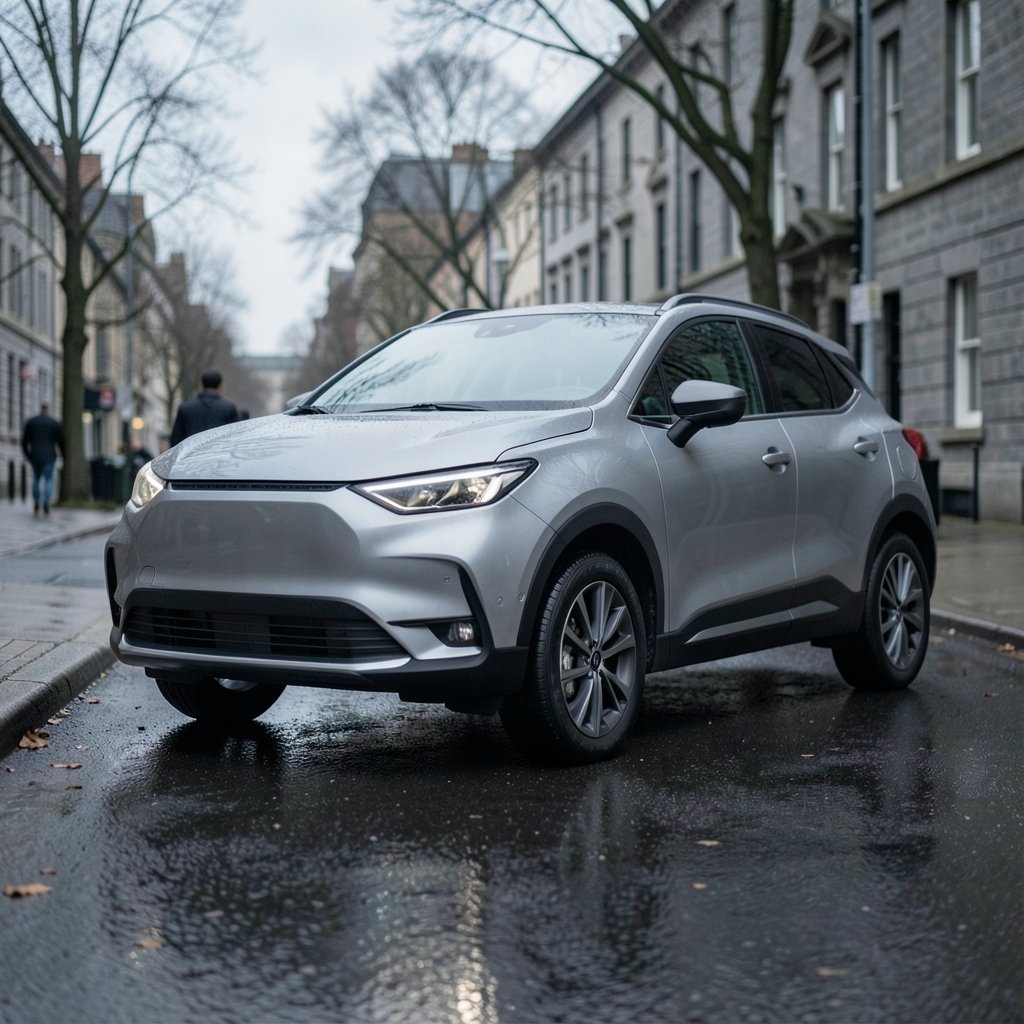
What makes a car worth waiting for, anyway? For the 2027 RAV4, the answer isn’t one big feature. It’s a pile of smaller decisions Toyota made about how the sixth-generation crossover drives, charges, and ages. The RAV4 has been the best-selling SUV in the United States for years, so any generational change gets picked apart by buyers, dealers, and rival brands alike. If you’re cross-shopping the 2027 model or just trying to figure out whether your current RAV4 is suddenly outdated, this breakdown covers what’s new, what’s carried over, and where the real-world trade-offs tend to show up.
Why the 2027 RAV4 Matters More Than a Typical Refresh
The RAV4’s sixth generation debuted for the 2026 model year, which makes the 2027 version the second year of that generation. That distinction matters. Second-year cars usually get two things: the bugs from launch year get smoothed out, and the trim lineup gets more sensible. First-year buyers often pay for the privilege of being early.
So the honest framing is this. The 2027 RAV4 is not a redesign. It’s a refinement year for a platform that just went through a major overhaul. That’s actually good news for shoppers who want the new look and new tech without the risk of a launch-year build.
Toyota has been unusually aggressive about electrifying the RAV4. The hybrid has gone from an optional variant to the volume seller in many markets, and the plug-in hybrid variant sits at the top of the range. That shift shapes almost everything else about the 2027 model, from pricing structure to how dealers stock inventory.
What Changed Under the Skin

The sixth-generation RAV4 moved to an updated version of Toyota’s global platform architecture, which brought a stiffer body, a lower center of gravity, and a revised suspension setup. In practice, that translates to less body roll in corners and a quieter cabin at highway speed. The previous generation was never bad at either, but it wasn’t a standout. The new one closes that gap.
The bigger story is software. Toyota rebuilt its infotainment stack around a new electronic architecture that supports over-the-air updates. That means maps, voice assistant behavior, and some vehicle settings can improve after you buy the car rather than staying frozen at the spec sheet. It also means the screen responds faster and the menu structure is less buried. Anyone who has used a mid-2010s Toyota infotainment system will notice the difference immediately.
Powertrains break down roughly like this:
| Version | What it is | Best for |
|---|---|---|
| Standard hybrid | Electrified four-cylinder, all-wheel drive available | Most buyers, best value |
| Plug-in hybrid | Larger battery, meaningful electric-only range | Short commutes, tax incentives |
| Gas-only | Still offered in some trims and markets | Budget-focused buyers |
The plug-in hybrid is the one that changes daily habits. If your commute is short and you can charge at home, you may go weeks between fuel stops. If you can’t charge at home, the plug-in premium is hard to justify, and the standard hybrid is the smarter pick.
The Real-World Stuff Nobody Puts in the Brochure
Here’s where first-hand ownership experience diverges from the spec sheet, and where most buyers make avoidable mistakes.
Mistake one: buying the plug-in without a charging plan. The plug-in hybrid’s advantage collapses if you’re relying on public chargers. Home charging, ideally overnight on a standard outlet or a dedicated Level 2 setup, is what makes the math work. Buyers who skip this step often report worse fuel economy than the standard hybrid because they’re lugging around a heavy battery with no way to top it up.
Mistake two: assuming all-wheel drive is standard everywhere. It isn’t, and the trim you want may not offer it. Check the configuration before you negotiate, not after.
Mistake three: overbuying tech packages. The upper trims bundle driver-assist features, larger screens, and premium audio. Some of that is genuinely useful. Some of it is a subscription waiting to happen. Ask specifically which connected features require a paid plan after the trial ends.
Mistake four: ignoring cabin noise on the test drive. Take the car on a stretch of rough highway rather than only a smooth loop around the dealership. Tire choice and trim level both affect how loud the cabin gets, and the difference between trims is bigger than the marketing suggests.
What actually works in practice: test the exact trim you plan to buy, on the roads you actually drive, with your own phone paired to the infotainment system. Ten minutes of that tells you more than an hour of reading reviews.
How the 2027 RAV4 Compares to Its Main Rivals
The compact crossover segment is brutal, and the RAV4’s rivals have caught up on interior quality and tech. Here’s a rough positioning:
| Model | Strength | Weakness |
|---|---|---|
| 2027 RAV4 | Hybrid efficiency, resale value, reliability record | Cabin materials below class leaders |
| Honda CR-V | Refined ride, spacious cabin | Hybrid less efficient in some conditions |
| Hyundai Tucson | Feature-per-dollar, bold design | Long-term resale trails Toyota |
| Subaru Forester | Standard all-wheel drive, visibility | Powertrain feels dated |
The RAV4’s edge has never been that it wins every category. It’s that it’s near the top of almost all of them and holds value better than most. That resale strength is worth real money at trade-in time, and it’s the single most underrated factor in the segment.
If you’re also weighing how AI tools are reshaping car shopping and dealership chat, there’s a useful read on 10 best ai chatbots e commerce 2027 that rescue abandoned leads, which explains why some dealer sites now respond to inquiries in seconds. And if you’re comparing how different AI assistants handle spec questions and buying advice, this breakdown of 10 best ai chatbots gpt 5 claude under hood 2027 is a solid primer on what each one does well.
Ownership Costs and the Depreciation Question
Compact crossovers depreciate, but the RAV4 depreciates more slowly than most. That’s a function of demand, fleet sales discipline, and a long track record of low repair costs. The hybrid adds another wrinkle: battery warranty coverage is typically long, and hybrid-specific failure rates on Toyota systems have historically been low. That doesn’t make the plug-in a guaranteed bargain, but it does soften the risk.
Fuel savings depend heavily on driving patterns. A high-mileage commuter in stop-and-go traffic sees a bigger hybrid advantage than a low-mileage highway driver. Insurance costs tend to run mid-pack for the segment. Maintenance is straightforward, with the usual caveat that dealer service pricing varies a lot by region, so it pays to get quotes before you commit.
One practical tip: ask about the cost of replacement tires before you buy. Larger wheels on upper trims look great and cost noticeably more to replace, and the difference over five years is real money.
What to Check Before You Sign
Buying a second-year model is generally lower risk than a launch year, but a few checks still matter.
- Confirm the build date and ask whether any service bulletins apply to that batch.
- Verify which driver-assist features are standard versus bundled.
- Ask exactly what the connected services trial includes and what it costs afterward.
- Test the plug-in hybrid’s electric range on your actual commute route if possible.
- Get an insurance quote before you finalize the trim, since trim level affects premiums.
- Check whether the color and trim you want is actually allocatable, or whether you’ll wait months.
That last point trips up more buyers than any other. Popular trims and colors can carry long wait times, and a dealer who promises a date isn’t always able to hold it. Get the timeline in writing.
Where the 2027 RAV4 Fits in a Broader Tech Shift
Cars are becoming software products, and the RAV4’s over-the-air update capability is part of that shift. It also means the buying experience is changing. Dealer chat assistants, AI-generated spec comparisons, and automated follow-ups are now standard on many dealership sites. That’s mostly helpful, but it’s worth knowing when you’re talking to a person and when you’re talking to a bot. This piece on when not to use an ai chatbot in 2027: 7 honest cases is a good reality check on where automation helps and where it wastes your time.
The same logic applies to the tools shoppers use to compare vehicles. If you’re using an AI assistant to weigh trims, it helps to know how those models differ in output quality. A comparison of deepseek vs chatgpt vs gemini judge output quality 2027 covers that ground without hype.
Conclusion
The 2027 RAV4 is a careful second act, not a reinvention. It takes the sixth-generation platform and adds the polish that launch-year cars usually lack. The hybrid remains the smart default for most buyers, the plug-in hybrid rewards anyone with reliable home charging, and the gas-only version still makes sense on a tight budget. None of it is flashy. All of it is sensible, which has been the RAV4’s formula for years and remains the reason it keeps winning the sales race.
The best move is the least glamorous one: test the exact trim, on your roads, with your phone connected, and get the insurance and tire costs before you sign. Do that, and the 2027 RAV4 will either clearly fit your life or clearly not. Either answer saves you money.
FAQ
Is the 2027 RAV4 a new generation?
No. The sixth-generation redesign arrived for the 2026 model year, so the 2027 RAV4 is the second year of that generation. Expect minor trim and software refinements rather than a new platform.
Does the 2027 RAV4 come standard with all-wheel drive?
Not universally. All-wheel drive availability depends on trim and market. Front-wheel drive remains the base configuration in many regions, so confirm the setup on the specific trim you’re considering.
Is the plug-in hybrid worth the extra cost?
It depends almost entirely on charging access. With reliable home charging and a short commute, the plug-in can cut fuel costs substantially. Without home charging, the standard hybrid is usually the better financial choice.
How reliable is the RAV4 hybrid?
The RAV4 hybrid has built a strong reputation for low repair costs and long battery life, backed by extended warranty coverage on hybrid components. Second-year models also tend to have fewer launch issues than first-year builds.
What should I check on a test drive?
Drive the exact trim on rough highway pavement, pair your phone to the infotainment system, and test the driver-assist features in real traffic. Cabin noise and screen usability vary noticeably between trims.
Does the 2027 RAV4 hold its value well?
Compact crossovers depreciate, but the RAV4 historically depreciates more slowly than most rivals thanks to steady demand and low running costs. Resale strength varies by trim, so higher-volume configurations usually perform best.
Trim choice matters more than the badge. A mid-level trim with the standard hybrid powertrain and all-wheel drive covers most buyers’ needs without paying for features you’ll never touch. The base trim is genuinely livable, and the top trim’s extras rarely pay back at resale. Spend the difference on tires you actually like and a home charging setup if you go plug-in.
Finally, treat the dealer conversation like any other negotiation. Get the out-the-door price in writing, separate the trade-in discussion from the purchase price, and don’t let monthly payment talk obscure the total. The 2027 RAV4 will sell itself on reputation alone, so you hold the leverage. Walk in knowing your trim, your timeline, and your budget, and the rest is arithmetic.