
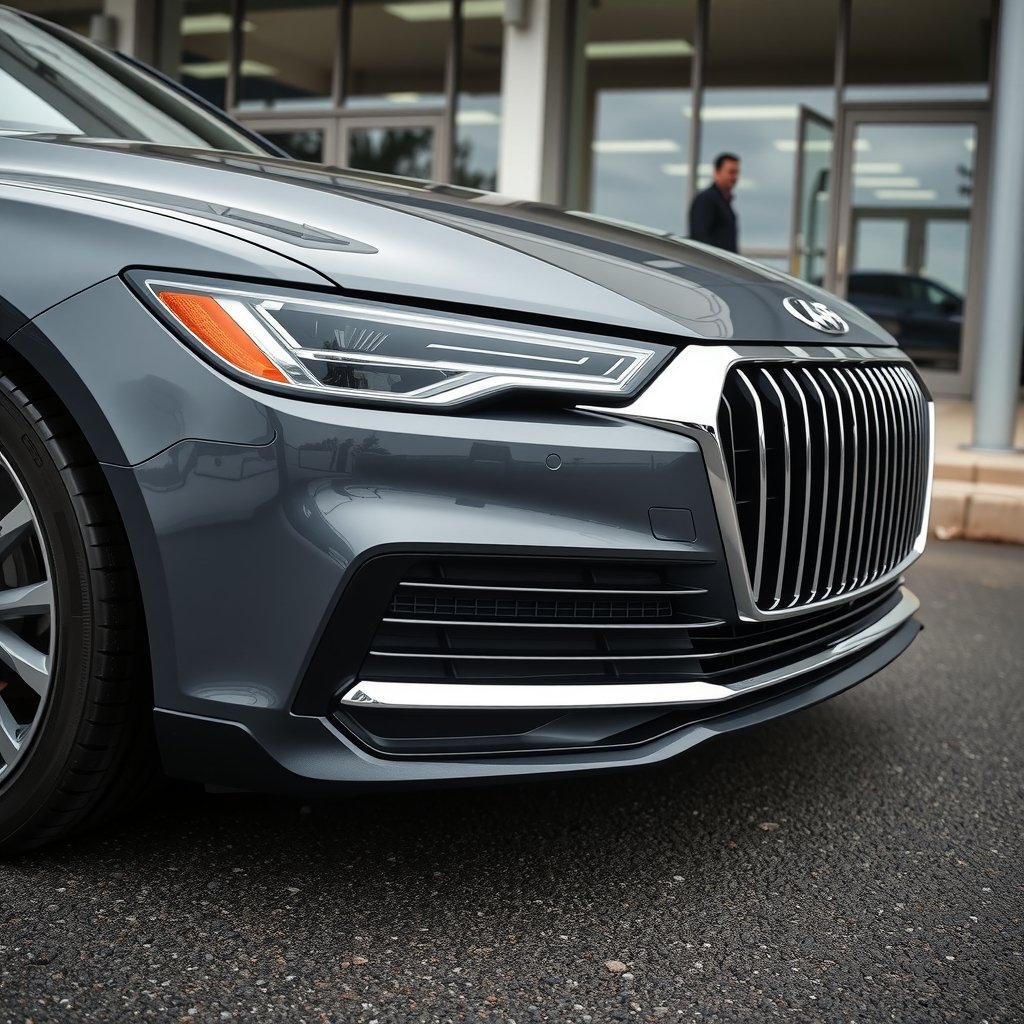
Is the 2027 S-Class a real, orderable car, a mid-cycle refresh of the current sedan, or just a rumor mill running on fumes? That question lands in search bars constantly, and the honest answer is messier than most headlines admit. Mercedes-Benz has not published a single confirmed spec sheet for a vehicle officially named “2027 S-Class.” What exists is a mix of model-cycle logic, regulatory pressure, brand strategy, and a lot of speculation. This article separates the confirmed from the plausible, so you can decide whether to wait, buy now, or keep your expectations in check. (10 best ai chatbots gpt 5 claude under hood 2027)
Why the 2027 S-Class Is Hard to Pin Down
The current-generation S-Class, known internally as the W223, was unveiled in September 2020 and reached showrooms in 2021. That single fact explains most of the confusion. Under Mercedes’ normal rhythm, a car launched in 2020 sits roughly four to five years from a facelift, which puts a refreshed version in a 2025 to 2026 reveal window and a 2027 model year on the road.
But “2027 S-Class” can mean at least three different things. It might describe the 2027 model-year version of the existing sedan. It might refer to a rumored next-generation car. Or it might be shorthand for an electric flagship that wears S-Class DNA. Mercedes has not confirmed which interpretation is correct, and that ambiguity is the single biggest trap for anyone researching this car. (Best ai translation tools 2027 deepl vs chatgpt vs google)
There is also no confirmed reveal date. Major Mercedes debuts often land at IAA Mobility in Munich, a biennial September event, or at CES in January. A 2027 model could plausibly appear at either, but nothing in the public record confirms an event, a date, or a venue.
What Is Actually Confirmed
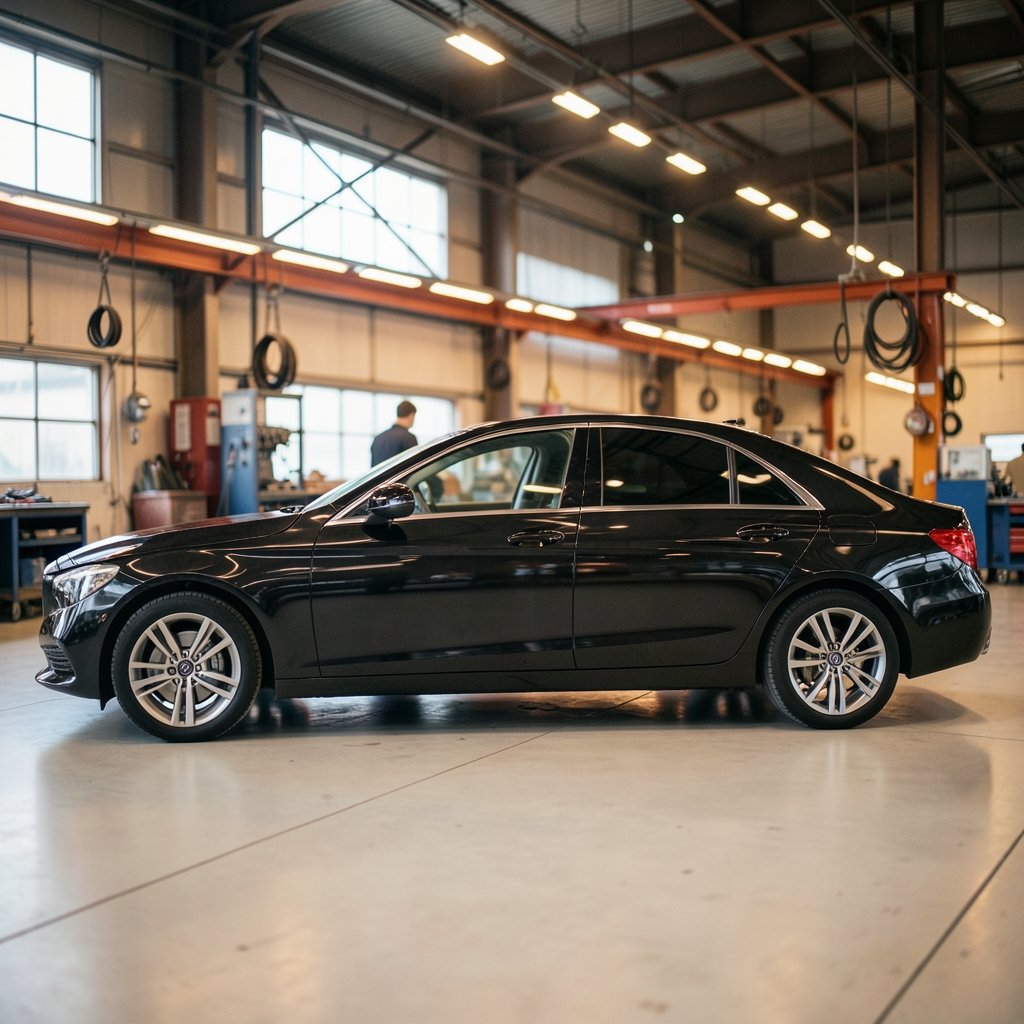
Very little, and that is worth stating plainly. No verified horsepower figures, range numbers, dimensions, or pricing exist for a 2027 S-Class. Any article quoting a specific output or a starting price is either extrapolating from the current car or inventing numbers.
What can be said with confidence is contextual. The W223 exists, it launched in 2020, and it is the benchmark luxury sedan against which everything else in the segment is measured. Mercedes has also publicly discussed a large electric sedan, reported under the EQS name and launched in 2021. Whether a 2027 S-Class is combustion, electric, or both remains unconfirmed.
Mercedes has been restructuring its model names, including the EQ branding used for electric vehicles. Whether the S-Class nameplate continues unchanged into 2027 and beyond is not confirmed either. That sounds like a small detail. It is not. Naming decisions signal platform decisions, and platform decisions determine what you can actually buy.
The Regulatory Squeeze Shaping 2027
One force is genuinely shaping the 2027 model year, and it has nothing to do with marketing. European emissions rules are tightening. The Euro 7 regulation was adopted in 2024 and applies to new vehicles from roughly 2026 to 2027 depending on vehicle category. Exact application dates should be checked against the regulation itself, because the rollout is staggered and easy to misread. (10 best ai chatbots e commerce 2027 that rescue abandoned)
For a flagship sedan, this matters in practical ways. Emissions compliance pushes toward electrified powertrains, more efficient combustion, and heavier after-treatment systems. Those systems add cost and complexity. They also influence which markets get which engines. A 2027 S-Class sold in Europe may not carry the same powertrain lineup as one sold elsewhere, and that divergence is a common source of confusion when buyers compare specs across regions.
Shoppers should not assume the 2027 car will be a light cosmetic refresh. Regulatory pressure alone can force mechanical changes under the skin, even when the sheet metal looks familiar.
Facelift Versus All-New: What Buyers Usually Get Wrong
A frequent mistake is assuming that a new model year means a new generation. It usually does not. Mercedes typically facelifts the S-Class roughly four to five years after launch, and a facelift is not a clean-sheet redesign. It is a targeted update: revised lighting, updated infotainment hardware, adjusted trim, and sometimes a new powertrain option.
Here is how the two scenarios typically differ in practice.
| Factor | Mid-cycle facelift | All-new generation |
|---|---|---|
| Body structure | Carried over | New platform |
| Interior layout | Refreshed screens and trim | Fully redesigned |
| Powertrains | Updated, sometimes electrified | New engine family |
| Price movement | Modest increase | Often significant |
| Depreciation curve | Gentler on the outgoing car | Steep on the prior model |
If the 2027 S-Class turns out to be a facelift, waiting for it means gaining refinement and losing negotiating leverage. If it turns out to be a new generation, waiting means a genuinely different car. The problem is that nobody outside Mercedes currently knows which one it is.
The Electric Question Nobody Has Answered
The most consequential unknown is whether the 2027 S-Class is electric. Mercedes launched the EQS in 2021 as a large electric sedan, and future electric flagship plans have been discussed publicly. But whether those plans fold into the S-Class name, sit alongside it, or replace it is unconfirmed.
This matters because the buying experience differs enormously. An electric flagship brings charging infrastructure questions, battery degradation concerns over a long ownership horizon, and a different service relationship with the dealer. A combustion S-Class brings familiar maintenance rhythms and a mature fueling network. Buyers who assume one and get the other will be disappointed regardless of how good the car is.
A practical tip: if you are seriously shopping this segment, ask your dealer directly what they have been told about 2027 allocation and powertrain. Sales staff often hear about model changes before public announcements, though you should treat anything they say as unconfirmed until Mercedes publishes it.
Practical Buying Advice for the Next Two Years
If you are weighing a purchase now, the decision hinges less on speculation and more on your timeline. Here is a sequence that works.
- Define your actual horizon. If you need a car in the next six months, the current S-Class is a known quantity with a mature feature set. Waiting for an unconfirmed 2027 model is a gamble, not a strategy.
- Check the regulatory picture for your market. Emissions rules can change which engines are offered where, and that affects resale value later.
- Watch the major auto shows. IAA Mobility and CES are the most likely venues for a confirmed reveal, so those are the dates worth circling.
- Avoid locking in pricing assumptions. No confirmed 2027 pricing exists, and any figure you see online is an estimate.
- Consider the outgoing model seriously. Facelifts often make the pre-facelift car a better value, and the W223 is already a highly capable sedan.
The most common mistake is treating rumor as roadmap. People delay purchases for years based on unconfirmed reports, then buy the same car they could have had two years earlier at a better price. If a specific feature matters to you, verify it exists on a car you can actually test drive.
Where AI Tools Fit Into Car Research
Car research has quietly become an AI-assisted task, and that cuts both ways. Chatbots are useful for summarizing dense regulatory language or comparing trim levels across markets. They are unreliable for confirmed specs on unreleased vehicles, because they will often produce confident numbers that trace back to nothing.
If you use AI to research a 2027 S-Class, treat every spec as a claim to verify rather than a fact. The same discipline applies across consumer tech. Anyone comparing assistants for shopping research will notice a consistent pattern: capability varies wildly between tools, and confident tone is not the same as accuracy. Comparisons of output quality across major models make a similar point about how differently they handle factual queries.
For buyers cross-shopping markets or reading foreign-language reviews of the current S-Class, translation tools are genuinely helpful. Quality varies noticeably between engines, which matters when a mistranslated spec sheet could send you to the wrong conclusion.
What to Watch For Next
Three signals will resolve most of the uncertainty. First, an official Mercedes press release confirming a 2027 model year vehicle, its powertrain options, and its market availability. Second, a confirmed auto show debut, which usually precedes order books by months. Third, naming clarity, meaning a clear statement on whether the S-Class name continues alongside or merges with electric branding.
Until at least one of those lands, the responsible position is cautious. The 2027 S-Class is a plausible next step in a well-documented model cycle, shaped by real regulatory pressure and real brand strategy. It is not yet a car you can spec, price, or order. Treat it as a developing story, and keep your deposit in your pocket until Mercedes says otherwise.
Conclusion
The 2027 S-Class sits at an awkward intersection of logic and speculation. The model-cycle math points to a facelift arriving around 2027. Emissions regulation guarantees substantial engineering changes underneath. Brand restructuring leaves the nameplate itself in question. What is missing is the one thing that would settle everything: an official announcement. Buyers who need a car now should evaluate the current S-Class on its own merits, which remain strong. Buyers who can wait should watch the show calendar and Mercedes’ own press channels rather than the rumor cycle. The car will be real eventually. The specs floating around today mostly are not.
FAQ
Is the 2027 S-Class confirmed by Mercedes?
No. Mercedes has not published a confirmed specification, price, or launch date for a vehicle officially named 2027 S-Class. The model is inferred from the current W223 generation’s launch in 2020 and normal facelift timing of roughly four to five years.
Will the 2027 S-Class be electric?
That is unconfirmed. Mercedes launched the EQS electric sedan in 2021 and has discussed future electric flagship plans, but whether a 2027 S-Class is combustion, electric, or offered in both forms has not been stated publicly.
When will the 2027 S-Class be revealed?
No confirmed reveal date exists. Mercedes often debuts major models at IAA Mobility in Munich, held biennially in September, or at CES in January, so those events are the most plausible windows, but nothing official has been announced.
How much will the 2027 S-Class cost?
There is no confirmed pricing. Any figure circulating online is an estimate based on the current model or speculation about facelift increases. Treat all pricing claims as unverified until Mercedes publishes official numbers.
Should I wait for the 2027 S-Class or buy the current model?
It depends on your timeline. If you need a car within six months, the current S-Class is a known, mature product. If you can wait and want the latest updates, watching for an official reveal is reasonable, but waiting on unconfirmed rumors carries real opportunity cost.
Does Euro 7 affect the 2027 S-Class?
Euro 7 was adopted in 2024 and applies to new vehicles from roughly 2026 to 2027 depending on category. It is likely to influence powertrain choices and emissions equipment, though the exact application dates and specific impact on the S-Class should be verified against the regulation itself.
The prudent shopper should also factor in depreciation timing. If a facelift is confirmed for 2027, late W223 models bought just before the reveal tend to absorb the steepest value drop. Conversely, if the 2027 car proves to be a new generation, the outgoing model’s value settles once the initial shock passes. Either way, the smart move is to buy after clarity arrives, not before. Patience remains the cheapest option in this segment.



