
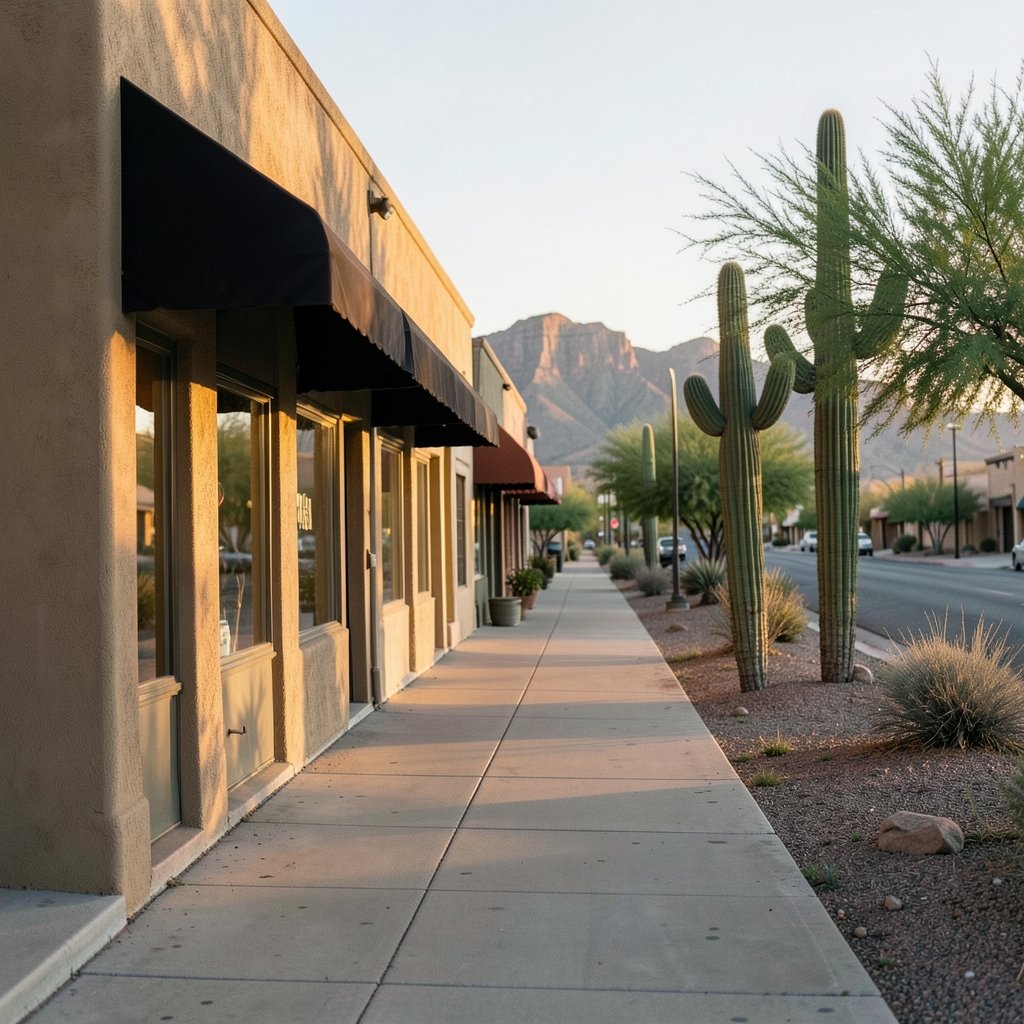
What do Mesa, Tempe, Chandler, Gilbert, and Scottsdale have in common besides desert heat and traffic on the Loop 202? They all sit inside the 480 area code, one of the most recognizable phone prefixes in Arizona. If a number starts with 480, it almost certainly belongs to someone in the East Valley of the Phoenix metro area. But how did that happen, why did the code appear in the first place, and what should you know before you dial one?
This guide walks through the history, geography, and practical dialing rules behind 480, plus the mistakes people make when they assume a 480 number means something it doesn’t.
What the 480 Area Code Actually Covers
The 480 numbering plan area (NPA) serves the East Valley portion of Maricopa County, Arizona. That includes Mesa, Tempe, Chandler, Gilbert, Scottsdale, Fountain Hills, and parts of Apache Junction. It does not reach central Phoenix, which keeps the older 602 code, and it does not cover the West Valley, which falls under 623.
That geographic split matters more than most people realize. The Phoenix metropolitan area is one of the largest in the United States by land area, and its suburbs sprawl across dozens of miles of desert. A 480 number tells you the person or business is on the eastern side of that sprawl, not downtown and not out toward Buckeye or Goodyear.
It also means 480 is not a “Phoenix” code in the strict sense, even though people outside Arizona often use the two interchangeably. Locals know the difference immediately.
How 480 Came to Be in 1999

Before March 1, 1999, the entire Phoenix metro area shared a single area code: 602. As the East Valley’s population exploded through the 1990s, that single code ran out of available numbers. Phone companies and regulators had to act. (Big tech earnings oct 2829 copilot kiro gemini code assist)
The solution was a split. On that date, the 602 numbering plan area was divided. Central Phoenix kept 602, while the East Valley received the brand-new 480 code. Existing customers in the affected suburbs had to change their numbers, which is always an unpopular but sometimes unavoidable step in telephone administration.
The same era brought other changes to Arizona’s numbering map. The West Valley received 623, and in 2001 the outlying 520 code was split to create 928. The 1990s were a busy decade for Arizona phone numbers, and 480 was one of the most visible results.
Why Population Growth Forced the Change
Area codes are not handed out arbitrarily. The North American Numbering Plan Administrator (NANPA) manages the supply of three-digit codes across the United States, Canada, and much of the Caribbean, and it allocates new ones when existing codes approach exhaustion. Rapid suburban growth in the East Valley during the 1990s pushed 602 toward that limit faster than planners expected.
Anyone who has watched a fast-growing metro get a new area code knows the pattern: growth, exhaustion, relief plan, and a period of confusion while residents update contact lists and business cards. The 480 split followed that script exactly.
The North American Numbering Plan in Plain Terms
The North American Numbering Plan (NANP) is the system that gives every phone line in the U.S., Canada, and many Caribbean nations a ten-digit number built from a three-digit area code, a three-digit central office code, and a four-digit line number. The 480 code sits in the “4xx” range, which is assigned to the United States. (Best code editor for mac)
Understanding the NANP helps explain why area codes behave the way they do. Codes are finite, they get recycled and reassigned, and regulators plan relief years in advance. If you want the full technical picture of how these numbers are structured and administered, the NANP overview from NANPA explains the system in more depth than a single article can.
For most people, though, the practical takeaway is simpler: 480 is a real, valid, currently active area code, and it carries specific geographic meaning.
Dialing Rules: What Changed and What Still Trips People Up
One of the most common mistakes involves dialing. Because the Phoenix metro uses overlay codes, meaning multiple area codes share the same geographic territory, callers must dial all ten digits, even for local calls within 480.
Here is the practical breakdown:
| Situation | What to Dial |
|---|---|
| Calling another 480 number locally | 10 digits (480 + 7-digit number) |
| Calling from 480 to 602 or 623 | 10 digits |
| Calling long distance from outside Arizona | 1 + 10 digits |
| Sending a text message | 10 digits, no prefix needed |
The overlay system is why Arizona residents can no longer get away with seven-digit dialing. It is also why so many people misdial the first few times after moving to the area. If a call fails, the missing area code is almost always the culprit.
Common Mistakes to Avoid
- Assuming 480 means Phoenix proper. It means the East Valley. A 480 number is not a downtown Phoenix line.
- Dropping the area code for local calls. Ten-digit dialing is mandatory across the metro.
- Treating 480 as a mobile-only code. It covers landlines, cell phones, and business lines alike.
- Guessing a business is local because of its code. VoIP and number portability mean a 480 number can technically ring anywhere, though most businesses keep it for local credibility.
That last point deserves emphasis. Number portability lets people keep their 480 number when they move or switch providers, so a 480 prefix signals where a number originated, not necessarily where the person is standing right now. This is the same principle behind modern authentication systems, where a code sent to a device proves access rather than location. If you are curious how that works in practice, this explanation of how a passkey QR code login beats passwords covers the security side of codes and verification.
Who Regulates Area Codes in Arizona
Area code decisions in the United States are not made by phone companies alone. The Federal Communications Commission (FCC) oversees the NANP, NANPA administers the day-to-day allocation of codes, and state regulators participate in relief planning. In Arizona, that state body is the Arizona Corporation Commission.
When a new area code or overlay is proposed, the process typically involves public notice, comment periods, and a formal relief plan. Residents sometimes get a say, and businesses often get a transition window to update signage and marketing.
For a broader view of how the federal government structures this system, the FCC’s overview of the North American Numbering Plan is a useful starting point.
480 in Everyday Life: Business, Real Estate, and Identity
Area codes carry cultural weight, and 480 is no exception. In the Phoenix metro, a 480 number can function as a subtle status marker. It signals East Valley, which many residents associate with newer suburbs, strong school districts, and a certain suburban identity distinct from central Phoenix’s urban core.
Real estate listings, local service businesses, and even political campaigns often lean on area code familiarity. A plumber advertising a 480 number is quietly telling East Valley customers that they are the target audience. Whether that matters to you is a personal call, but it is a real marketing pattern.
There is also a practical side. If you run a business that serves the East Valley, keeping a 480 number makes sense even if your office moves. Customers recognize the code, and recognition reduces friction.
A Note on Number Scarcity and the Future
Every area code eventually faces pressure as populations grow and devices multiply. The Phoenix metro has already gone through multiple relief rounds, and further changes are always possible as the region adds residents. Anyone tracking local phone infrastructure should watch for announcements from NANPA and the Arizona Corporation Commission rather than relying on old articles.
The lesson from 1999 applies today: area codes are administrative tools, and they change when demand requires it.
Practical Tips for Anyone Dealing With 480 Numbers
Whether you are moving to Arizona, running a business, or just trying to reach a client, a few habits make life easier.
- Save contacts with the full ten digits. It prevents failed calls and confusion later.
- Check the area code before assuming location. Portability means a 480 number can belong to someone who moved away years ago.
- Update your own listings if you relocate. Keeping an old area code is fine, but make sure customers know how to reach you.
- Verify business legitimacy separately. An area code is not a trust signal. A local-looking number can be spoofed, which is why call-blocking tools and caller verification matter.
- Watch for official notices. If regulators announce a new overlay or split, act on it early rather than waiting until your number stops working as expected.
If you work with phone-based access systems, the same logic about codes and expiration applies to smart locks and one-time access codes. Setting access that ends at a specific time is a good habit, and this guide to smart lock guest code expiration explains how timed access codes work in practice.
Conclusion
The 480 area code is more than three digits on a phone screen. It is a snapshot of Arizona’s growth story, a marker of the East Valley’s identity, and a working piece of the North American Numbering Plan that regulators maintain behind the scenes. Created in 1999 when Phoenix’s original 602 code could no longer keep up, 480 now covers some of the fastest-growing suburbs in the country.
For residents, the practical rules are simple: dial ten digits, remember that 480 means East Valley rather than downtown Phoenix, and stay alert for future numbering changes as the region keeps expanding. For everyone else, 480 is a useful clue about where a call is coming from, as long as you remember that number portability means the clue is not a guarantee.
Frequently Asked Questions
What cities are in the 480 area code?
The 480 area code covers the East Valley of the Phoenix metropolitan area in Maricopa County, Arizona. That includes Mesa, Tempe, Chandler, Gilbert, Scottsdale, Fountain Hills, and parts of Apache Junction. It does not include central Phoenix, which uses 602, or the West Valley, which uses 623.
When was the 480 area code created?
The 480 area code was created on March 1, 1999, when the original 602 numbering plan area covering the Phoenix metro was split. Central Phoenix kept 602, while the East Valley received the new 480 code. The change was driven by rapid population growth during the 1990s.
Do I have to dial ten digits for a 480 number?
Yes. Because the Phoenix metro uses overlay area codes, callers must dial all ten digits even for local calls within 480. Seven-digit dialing is no longer possible in the region. If a call fails, forgetting the area code is the most likely reason.
Is 480 the same as Phoenix?
Not exactly. Phoenix is a large metro area served by several codes. The 480 code specifically covers the East Valley suburbs, while 602 covers central Phoenix and 623 covers the West Valley. People outside Arizona often use 480 and Phoenix interchangeably, but locals draw a clear line between them.
Can a 480 number belong to someone outside Arizona?
Yes. Number portability allows people to keep their 480 number when they move or switch providers, so the code shows where a number originated rather than where its owner currently lives. Businesses sometimes keep a 480 number deliberately for local recognition even after relocating.
Who decides when area codes change?
The North American Numbering Plan Administrator allocates area codes under FCC oversight, while state regulators such as the Arizona Corporation Commission participate in relief planning. When a code approaches exhaustion, these bodies plan splits or overlays and set transition timelines for residents and businesses.



