

What do Willie Nelson, a South by Southwest badge holder, and a Round Rock software engineer have in common? They have all probably handed out a phone number starting with 512. That three-digit prefix is one of the most recognizable in the country, tied to Austin’s music venues, tech campuses, and taco trailers. But the story behind it is bigger than barbecue and bands. The 512 area code once covered nearly all of Texas, and it has been carved up, overlaid, and re-dialed more times than most people realize. Here is how it got where it is today, who actually uses it, and what to watch out for when you see it on a caller ID.
Where the 512 Area Code Came From
The North American Numbering Plan (NANP) is the system that assigns three-digit area codes across the United States, Canada, and parts of the Caribbean. It launched in 1947, and 512 was one of the original codes handed out that year. At the time, it covered almost the entire state of Texas, which made it a geographic giant.
That did not last. As Texas grew, regulators split the territory again and again to keep enough numbers available. In 1992, a split created 903 for northeast Texas. In 1997, another split carved out 972 for the Dallas metro. Then in 1999, a third split produced 361 for South Texas, including Corpus Christi and Victoria. After that last cut, 512 settled into its current role: the Austin area and a wide ring of central Texas around it.
This pattern is not unique to Texas. Area codes across the country have been subdivided for decades as populations and phone lines multiplied. If you have ever wondered why a city like Los Angeles juggles several codes at once, the same logic applies, and the story of the 213 area code in downtown LA shows how one original code can splinter over time.
What 512 Covers Today
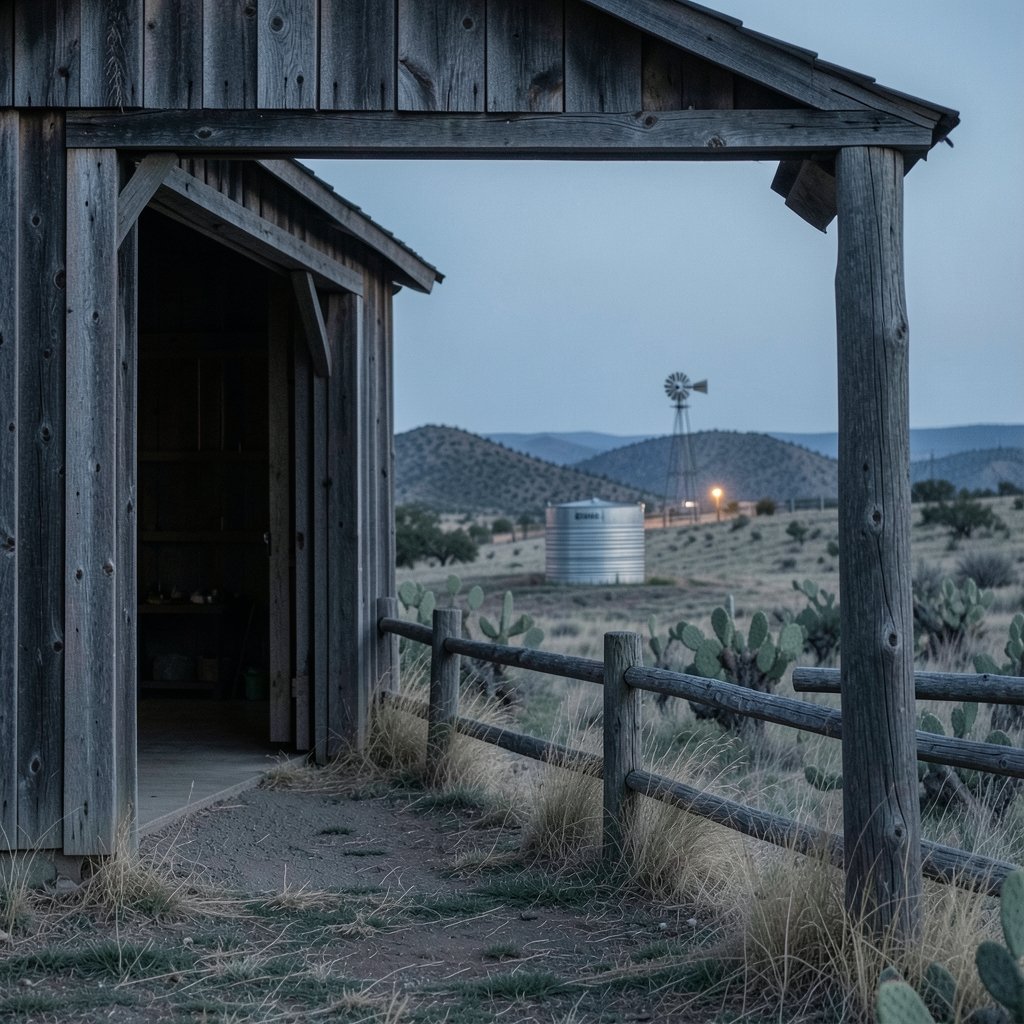
Today, the 512 area code serves the Austin metropolitan area and much of central Texas. That includes Austin itself, plus Round Rock, Cedar Park, Georgetown, San Marcos, and Bastrop. If you drive from the Hill Country into the eastern plains, you are moving through 512 territory the whole way.
| City | In 512? | Notes |
|---|---|---|
| Austin | Yes | Core of the region |
| Round Rock | Yes | Northern suburb, major tech employers |
| Cedar Park | Yes | Fast-growing northwest suburb |
| Georgetown | Yes | Williamson County seat |
| San Marcos | Yes | Home to Texas State University |
| Bastrop | Yes | Eastern edge of the metro |
| Dallas | No | Uses 214, 469, and 972 |
| Corpus Christi | No | Moved to 361 in 1999 |
The geography matters because 512 serves more than a single city. It stretches across several counties and a mix of urban, suburban, and rural communities. A call from a ranch outside Bastrop and a call from a high-rise on Congress Avenue can both show up as 512.
The 737 Overlay and Why You Dial Ten Digits
By the early 2010s, 512 was running out of room. Rather than split the region again, regulators introduced an overlay: a new code, 737, assigned to the exact same territory. The overlay went live in 2013. The key change for residents was that local calls now required 10-digit dialing, meaning you punch in the area code even when calling your next-door neighbor.
Overlays are now the standard fix across the country because they avoid forcing existing customers to change numbers. A split divides a region and makes half the residents get a new code; an overlay simply adds a second code on top. You can see the same approach in other big metros, like the 347 overlay in New York City and the 323 overlay in Los Angeles. Each one forced the same adjustment: memorize the area code, or the call will not go through.
Common Mistakes People Make With Overlays
- Dropping the area code out of habit. Longtime residents who grew up dialing seven digits still slip up. The call simply fails, and the fix is to redial with 512 or 737 in front.
- Assuming 737 is a scam code. It is a legitimate overlay, not a red flag. New numbers in the region are often issued as 737 simply because 512 is exhausted.
- Confusing 512 with 361. South Texas numbers moved to 361 back in 1999, but plenty of people still associate Corpus Christi with 512. Old habits die hard.
- Forgetting that 10-digit dialing applies to local calls. It no longer applies only to long distance.
Who Actually Uses 512 Numbers
The 512 area code has become a kind of local badge. Austin’s tech boom, its music scene, and its reputation as a place where people move for work have made the code a marker of belonging. Businesses put “512” in their names. Bands have used it. Locals treat it as shorthand for the city itself.
In practical terms, though, the number pool is shared. New numbers in the region are frequently assigned a 737 prefix because 512 combinations are largely taken. That means a brand-new Austin resident may end up with a 737 number even though they live squarely in 512 country. Both codes work identically; the difference is purely which block of numbers was available when the line was activated.
There is also a cultural quirk worth noting: people who move away from Austin often keep their 512 number for years. Porting rules let you carry a number to a new carrier, so a 512 prefix no longer guarantees the person is actually in central Texas. That matters for anyone trying to guess a caller’s location from the area code alone.
How Area Code Changes Actually Happen
It helps to understand who makes these decisions. The NANP is administered by the North American Numbering Plan Administrator (NANPA), which tracks assignments and forecasts when a region will run out of numbers. In Texas, area code relief is overseen by the Public Utility Commission of Texas, which works with NANPA and carriers to approve splits and overlays.
The process usually follows a predictable path:
- Forecasting. Numbering administrators project how many prefixes remain in a region and estimate the exhaustion date.
- Relief planning. Regulators choose between a split and an overlay, weighing disruption to existing customers.
- Public notice. Carriers and regulators notify residents and businesses about dialing changes.
- Implementation. The new code or overlay goes live, and 10-digit dialing rules take effect if needed.
- Adjustment period. Callers get a grace period with recorded reminders before old dialing habits stop working.
This is why area code changes rarely happen overnight. The 737 overlay was announced well before it took effect, giving residents time to update contact lists, signage, and business cards.
512 Compared With Other Texas Codes
Texas has a crowded numbering landscape, and it can be hard to keep the codes straight. Here is a quick comparison of the major ones.
| Area Code | Region | Status |
|---|---|---|
| 512 | Austin and central Texas | Original code, now overlaid by 737 |
| 737 | Same territory as 512 | Overlay added in 2013 |
| 903 | Northeast Texas | Split off from 512 in 1992 |
| 972 | Dallas metro | Split off from 512 in 1997 |
| 361 | South Texas | Split off from 512 in 1999 |
| 214 | Dallas | Separate original code |
Notice the pattern: three of the state’s codes exist because 512 was too big. That is a useful way to remember the family tree. If a Texas number starts with 903, 972, or 361, it traces back to the original 512 territory.
Practical Tips for Living With 512 and 737
If you live in or around Austin, a few habits will save you headaches.
Save contacts with the area code. Store every number as a 10-digit entry so you never have to think about it at dial time. This is the single easiest fix for overlay confusion.
Update your business listings. If your website, Google profile, or printed materials show a seven-digit number, fix them. Customers outside the region cannot call you otherwise.
Watch for spoofed numbers. Scammers can fake a 512 prefix to make a call look local. If an unknown 512 number calls and asks for personal information, hang up and verify through an official channel. The area code tells you nothing about whether the caller is trustworthy.
Check before you move. If you are relocating to the region and want a 512 number specifically, ask your carrier whether one is available. You may be offered 737 instead, and that is normal.
Do not read too much into the prefix. Because numbers can be ported and spoofed, a 512 area code is a hint about origin, not proof of it.
How 512 Fits Into the Bigger Numbering Picture
The 512 story is really a case study in how phone numbering evolves. A code that once covered an entire state now covers one metro, and it shares that metro with an overlay. Similar pressures are reshaping codes everywhere. The Dallas-Fort Worth region, for example, now uses an overlay code in the 469 area alongside its older codes, and coastal California has seen the same pattern with the 949 area code in Orange County. Each region solves the same math problem: more phones, fixed number pools, and the need to keep calls connecting.
For residents, the practical takeaway is simple. Learn your local dialing rules, store numbers with area codes, and expect overlays rather than splits when the next shortage arrives. Overlays are less disruptive, and regulators have leaned on them consistently since the 2000s.
Conclusion
The 512 area code is more than a prefix on a business card. It is a piece of Texas history that shrank from a statewide label to a regional one, then learned to share its territory with 737. It carries cultural weight in Austin, where the number shows up in band names and storefronts, and it carries practical weight for anyone who has to dial ten digits to reach a neighbor. Whether you are moving to Round Rock, running a food truck on South Congress, or just staring at an unknown number on your phone, knowing how 512 works helps you make sense of the call.
What cities does the 512 area code cover?
The 512 area code covers Austin and much of central Texas, including Round Rock, Cedar Park, Georgetown, San Marcos, and Bastrop. It no longer covers the rest of the state; those regions moved to other codes through splits in 1992, 1997, and 1999.
What is the 737 area code, and is it the same as 512?
The 737 area code is an overlay that covers the exact same territory as 512. It was introduced in 2013 to add more available numbers. Both codes work identically, and calls between them require 10-digit dialing.
Why do I have to dial 10 digits for local calls in Austin?
Because of the 737 overlay. When two area codes serve the same region, the phone network cannot tell which number you mean from seven digits alone. Dialing the area code first removes the ambiguity.
Was 512 always the Austin area code?
No. When it was assigned in 1947, 512 covered nearly all of Texas. Successive splits created 903, 972, and 361, gradually shrinking 512 down to the Austin region it serves today.
Can I still get a 512 phone number if I move to Austin?
Possibly, but it is not guaranteed. Many 512 number combinations are already in use, so carriers often issue new lines with a 737 prefix instead. Ask your carrier about availability if the specific prefix matters to you.
Is a call from a 512 number always from Austin?
No. Number portability lets people keep their 512 number after moving away, and scammers can spoof area codes to make calls look local. Treat the prefix as a hint about origin, not proof of location.



