
You may need a truck for work but feel unsure which features matter most. The right choice depends on the jobs, loads, and routes you handle.
A dealership team can help you define the work, identify a suitable truck, and compare available choices. Gross vehicle weight rating (GVWR) is the maximum weight of a fully loaded truck, including its occupants and cargo.
You can ask for help with the purchase, including service details and financing questions. Start with the jobs you need the truck to do, then share your budget and must-have features.
A clear sense of your needs is the most useful starting point for a confident purchase.
Key Takeaways
- List the work you need the truck to handle.
- Match capacity to the loads you carry.
- Check records and condition before you buy.
- Compare full prices, not just asking prices.
- Review loan costs and written sale terms.
How to Choose a Used Truck Dealer
A trustworthy dealership makes the truck’s condition and purchase terms easy to verify, rather than relying on verbal assurances. Dealers selling or offering more than five used vehicles in a 12-month period must display a Buyers Guide on each vehicle.
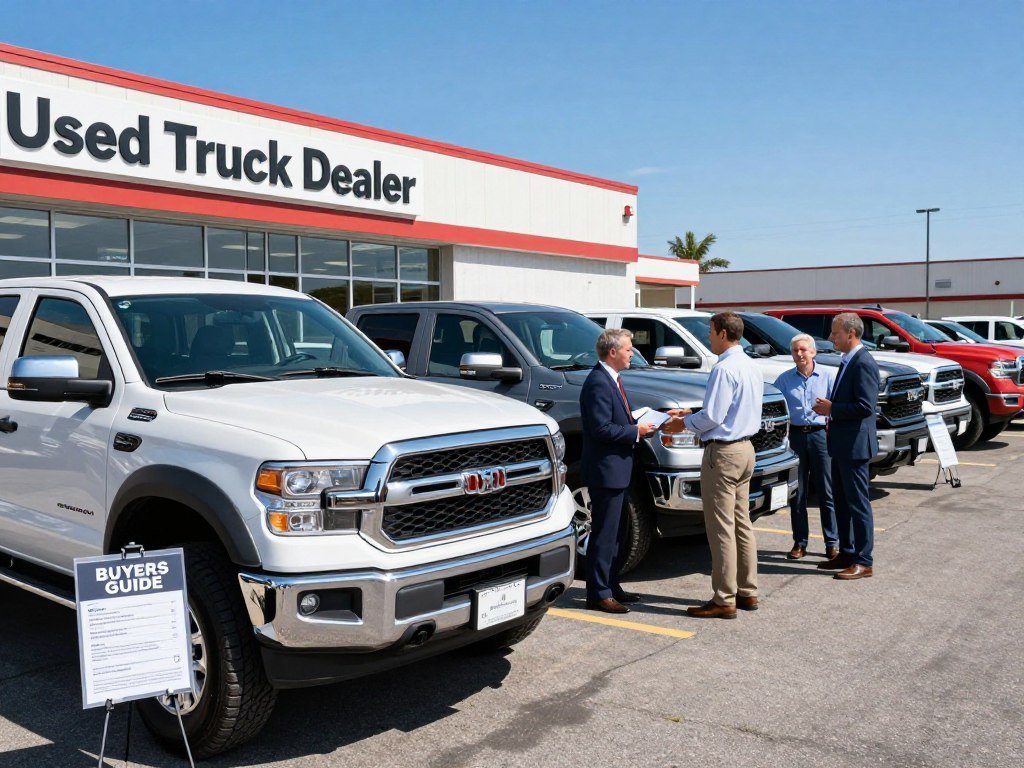
A used truck dealer near you should make the truck’s history, condition, and sales terms easy to discuss. When comparing used truck dealers near you, look for clear answers and records you can review at your own pace.
Use this checklist during your visit:
- Read the posted Buyers Guide and ask about any terms you do not understand.
- Request written answers about known damage, repairs, and current condition.
- Ask to arrange an independent inspection before you commit.
- Get a clear explanation of every required fee.
Check the dealership’s license with the state motor-vehicle agency that oversees dealers where you live. A license check can help confirm the business is authorized to sell vehicles in that state.
A polished website does not prove a seller is legitimate; check its contact details through an independent channel.
You can also review how to spot a fake website and seller before sharing personal details online. Ask the sales team who will answer questions after the sale, and get that person’s contact information.
Before treating a listing as a serious option, confirm that the Buyers Guide is present and readable.
Which Truck Setup Fits the Work?
A truck’s payload and towing ratings matter more than its appearance when the job involves heavy loads. Choose a setup that meets the work without paying for capacity or features you will not use.
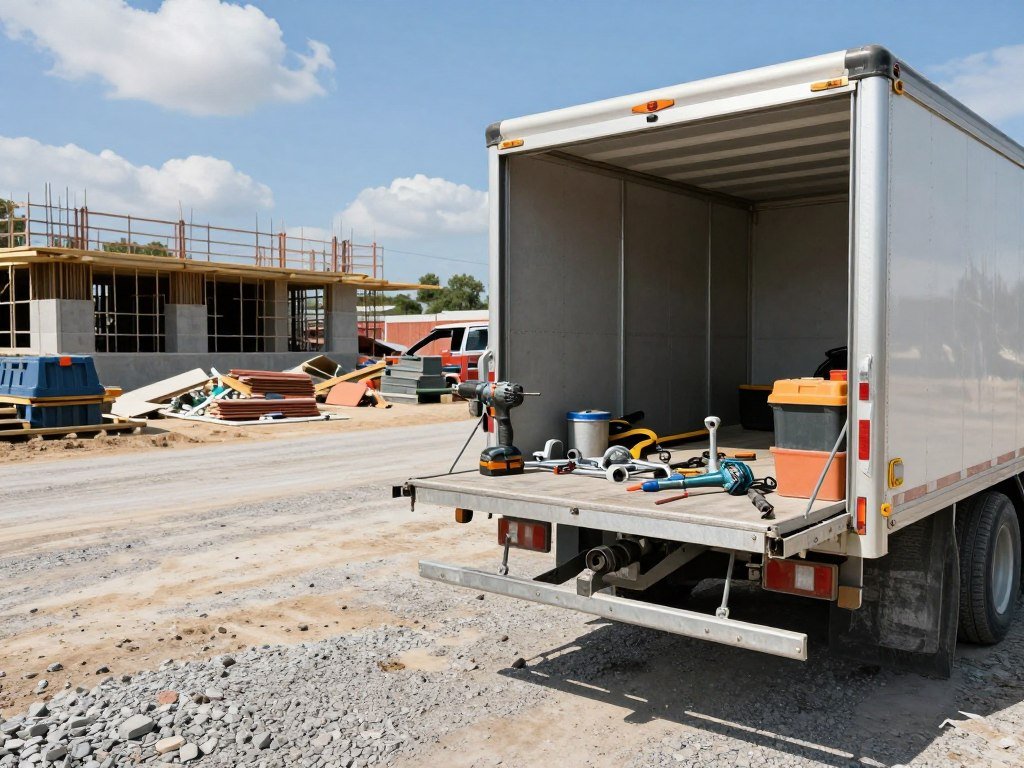
Payload, towing, and bed setup
Payload includes everyone riding in the truck, along with tools, materials, and other cargo. The truck’s door label and owner’s manual list its specific ratings, so use those details rather than a general model figure.
Hauling means carrying cargo in the bed; towing means pulling a trailer. Each task uses a different rating, so confirm the truck is rated for the load and trailer you plan to use.
GVWR class 2a covers 6,001-8,500 pounds, while class 2b covers 8,501-10,000 pounds. Those ranges describe the maximum loaded weight class, not the amount you can place in the bed.
A NTEA explanation of GVWR ratings notes that changing a used truck’s rating can raise liability concerns. A sport utility vehicle’s cargo-box rating also is not its towing rating; the Polaris RZR XP 1000 cargo box has a 300-pound rating.
| Work need | Suitable setup | Practical tradeoff | What to verify |
|---|---|---|---|
| Carrying tools and materials | Bed sized for cargo | Longer beds can be harder to park | Payload rating and bed length |
| Towing equipment | Truck rated for the trailer | More capacity may add cost | Tow rating and hitch fit |
| Carrying a crew | Crew cab with rear seats | Less room for a long bed | Seat belts and passenger space |
| Driving on rough or slippery routes | Four-wheel drive when needed | More equipment to maintain | Route conditions and drivetrain |
Cab, drivetrain, and daily route
A regular cab usually seats fewer people and can leave more room for a longer bed. A crew cab adds rear seating, which helps when workers ride together but may limit bed length.
Two-wheel drive may suit routine pavement use, while four-wheel drive can help on rough or slippery routes. Consider work-site access as well as daily driving, since extra equipment may add weight and cost.
Check the specific truck’s door label and owner’s manual before relying on a capacity figure.
How Can You Check a Used Truck’s Condition?
A matching VIN and an independent inspection are two practical checks to complete before buying a used truck. Use paperwork, history records, and a mechanic’s findings together.
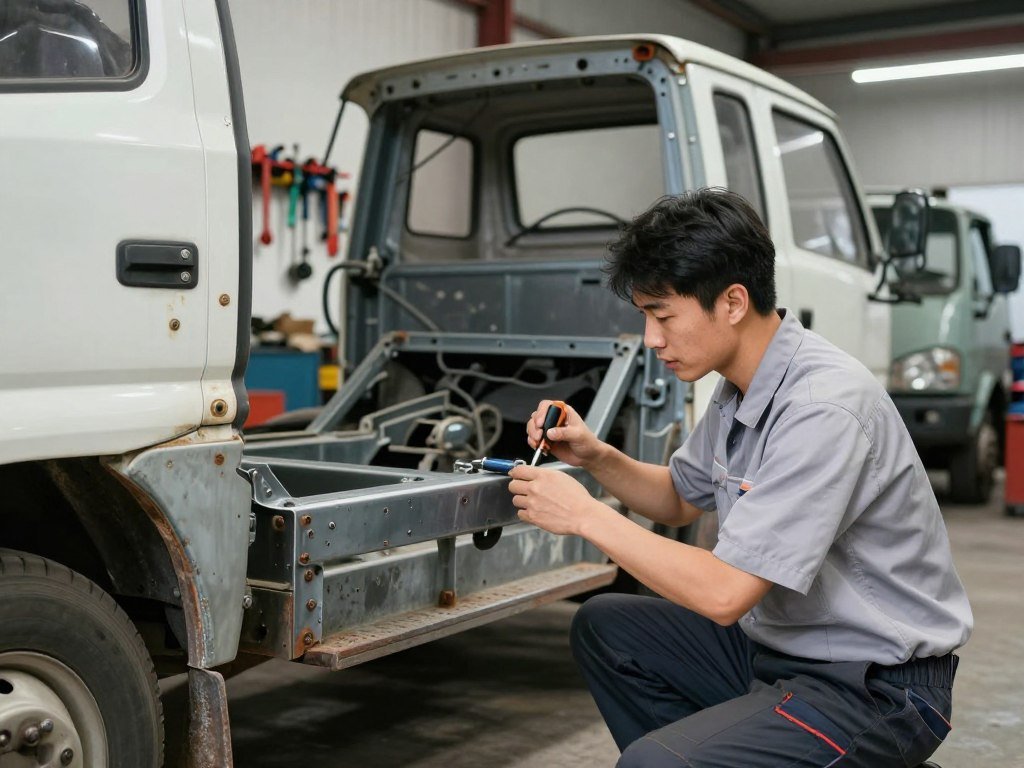
Paperwork and vehicle history
Match the VIN on the truck with the VIN on its title and other paperwork. U.S. vehicles made for sale since model year 1981 use 17-character VINs.
NHTSA offers a VIN decoder and a recall lookup. Check for open recalls, then ask the dealership whether any recall work has been completed.
Review maintenance records for dates, repairs, and repeated service needs. A history report can flag past events, but it cannot show every issue or replace a hands-on check.
Checking service access and maintenance records also helps when comparing compact camper vans, where the chassis and living gear can need separate care.
An independent mechanical inspection
Ask a mechanic you choose to inspect the truck before purchase. The mechanic can examine the frame, tires, brakes, steering, drivetrain, and signs of leaks.
Request a written report that separates urgent repairs from items to watch. A mechanic may spot wear that a brief test drive or clean exterior does not reveal.
| Evidence | What it can help verify | What it cannot establish |
|---|---|---|
| VIN and recall checks | Vehicle identity and open recalls | Current mechanical condition |
| Maintenance records | Recorded service and repairs | Work that was never documented |
| Independent inspection | Visible wear and repair needs | Future reliability or hidden history |
Ask the mechanic to document any urgent repairs and estimated work before you agree to buy.
How Do You Compare Local Truck Inventory?
Two listings are only comparable when their work-relevant configuration and condition are similar. Compare at least three similar trucks before settling on one asking price.

Used trucks for sale can look alike in photos but differ in ways that affect daily work. Compare model year, cab, drivetrain, mileage, maintenance history, and condition.
Record these details for each truck so you can spot meaningful differences:
- Model year and cab style
- Drivetrain and mileage
- Maintenance history and known repairs
- Condition and listed equipment
- Asking price and out-the-door price
Focus on features tied to your work, not a long list of extras. A newer truck with more miles may not suit you better than an older one with strong records and the right setup.
The out-the-door price includes the negotiated vehicle price plus applicable sales tax, title, and registration charges. Taxes and fees vary by location, so ask each dealership for a written out-the-door figure.
Check whether the advertised figure includes required charges or only the truck’s listed price. Comparing written totals helps prevent a low advertised number from hiding a larger final bill.
Keep a short record of the asking price and out-the-door price for each truck so the comparison stays clear.
What Should You Know About Financing a Truck?
The lowest monthly payment is not necessarily the least expensive financing option. Compare the APR and total amount paid, not just the payment size.
Compare the full cost of borrowing
APR, or annual percentage rate, shows the yearly cost of borrowing, including interest and certain fees. The loan term is the time you have to repay the debt.
A longer term can lower each monthly payment while keeping you in debt longer and increasing interest paid. A larger down payment can reduce the amount you borrow.
The Consumer Financial Protection Bureau advises shoppers to compare auto-loan offers. Its auto-loan terms guide explains APR, loan terms, and total loan cost.
The Truth in Lending Act requires creditors to disclose the APR and finance charge. Review those figures alongside the amount financed and total amount paid over the loan.
Set a payment that fits your budget
Compare these four details across financing offers:
- APR
- Loan term
- Down payment
- Total finance charge
Use your credit score, loan term, and down payment when estimating a monthly payment. Then compare that estimate with the full loan offer, including its fees and total cost.
A payment that looks manageable can still strain your budget when insurance, fuel, and regular service come due. Leave room for those ongoing costs before choosing a payment target.
Ask the finance team to explain any term you cannot match to the written offer. Compare the APR and total amount paid before deciding that a payment fits your budget.
What Should You Confirm Before Signing?
Before signing, compare the contract with the agreed out-the-door price and every promise the dealership made. Do not assume you can return a truck within three days after buying it from a dealership.
Check that the contract lists the correct truck, sale price, taxes, title charges, and registration charges. Ask the sales team to explain any line that differs from your written price quote.
Any promised repair, added equipment, or other included item should appear in the paperwork. A verbal promise can be hard to prove if the signed terms leave it out.
Read the warranty terms or as-is language before you sign. Make sure you understand what the dealership agrees to fix and what becomes your responsibility.
The FTC’s federal three-day Cooling-Off Rule generally does not cover a purchase made at a dealership’s permanent place of business.
State law and the written contract can affect cancellation rights. Do not rely on a general cooling-off period when deciding whether to sign.
Keep a complete copy of the signed contract and every written promise related to the sale.
Conclusion
A suitable truck fits the work, checks out in person, and makes sense at its full price. Give more weight to the truck’s actual condition and total cost than to a polished listing or a low monthly figure.
Contact a dealership team with your intended workload, must-have features, and budget ready. A focused conversation helps the team narrow the selection and explain which service or financing options fit your needs.
Write down the job requirements and budget, then use them to start a focused conversation with a dealership.
FAQ
Can I take a used truck to my own mechanic before buying it?
Yes, you can ask the dealership to arrange access for an independent pre-purchase inspection before signing. Your mechanic can assess the truck without relying on the seller’s description alone. Ask how the visit will work, where the inspection can take place, and how much time the mechanic may need. Review the written findings before you decide.
What does a truck’s payload rating include?
A truck’s payload includes its occupants and cargo, including tools and materials. The rating applies to the specific truck, not every truck with the same model name. Check the door label and owner’s manual for its figures. Include the weight of passengers and items you expect to carry when deciding whether that truck suits your work.
Should I get four-wheel drive if I mostly drive on paved roads?
Two-wheel drive may suit routine paved-road use when your routes do not call for extra traction. Consider the terrain, weather, and access to your work sites before choosing. Four-wheel drive adds equipment, so it may not be useful for every route. Think about where you drive most often, not only the occasional rough road.
Can I return a used truck after buying it from a dealer?
The federal three-day Cooling-Off Rule generally does not apply to a purchase made at a dealership’s permanent place of business. Your contract and state rules may affect cancellation rights, so read the written terms before signing. Do not count on being able to return the truck simply because you changed your mind after the sale.
How can I compare monthly payments from different lenders?
Compare each lender’s APR, loan term, down payment, and total finance charge, not just the monthly amount. Keep the truck price and down payment consistent when comparing estimates. A longer loan term may lower the payment but increase the time you pay interest. Review the full written offer to see the total amount due.
Is a vehicle history report enough to judge a used truck?
No, a vehicle history report alone cannot show the truck’s full condition or every repair. Match the VIN, check for open recalls, review maintenance records, and arrange an independent mechanical inspection. Those checks answer different questions. A clean report does not replace a mechanic’s review of the frame, brakes, tires, steering, and drivetrain.