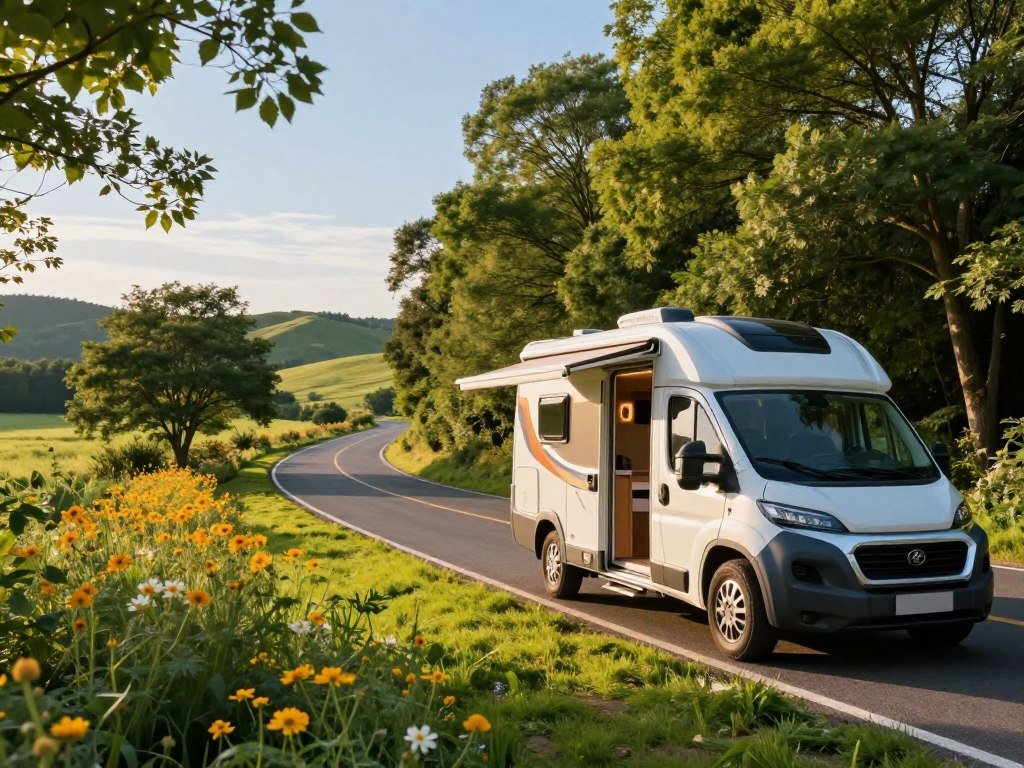
A compact camper can make a weekend trip easier to drive and park, but the right choice still depends on what you need inside. Your best fit depends on how many people travel, whether the vehicle must double as a daily driver, and which comforts matter most. This comparison covers ten choices, from factory-built vans to used vehicles and conversions, so you can weigh the tradeoffs without losing sight of your budget.
A smaller footprint can help with errands and campground access, while a more involved layout may bring added comfort on longer trips. Every extra feature takes room, so a good-looking floor plan still needs to work for your real travel habits. Keep your top priorities to three, such as sleeping capacity, an onboard bathroom, and a firm spending limit.
Key Takeaways
- Start with your travel group, daily driving needs, and budget.
- Compare the actual footprint with your usual parking spaces.
- Choose a bathroom setup that suits your water and privacy needs.
- Look closely at sleeping space, storage, and legal travel seats.
- Compare included equipment, vehicle condition, and service access.
What Makes a Small Camper Van Practical?
Small motorhomes are generally under 23 feet long, a size that can make errands and campground parking less daunting. A Class B motorhome uses an automotive van or panel truck chassis, which gives you familiar road manners in a smaller vehicle. That blend can suit buyers who want camping comforts without a large motorhome.
A compact footprint can make daily driving and parking easier, but it does not promise enough room for every traveler. The RV Industry Association explains the basic RV definition and classifications: an RV combines transportation with temporary living quarters for travel, recreation, or camping.
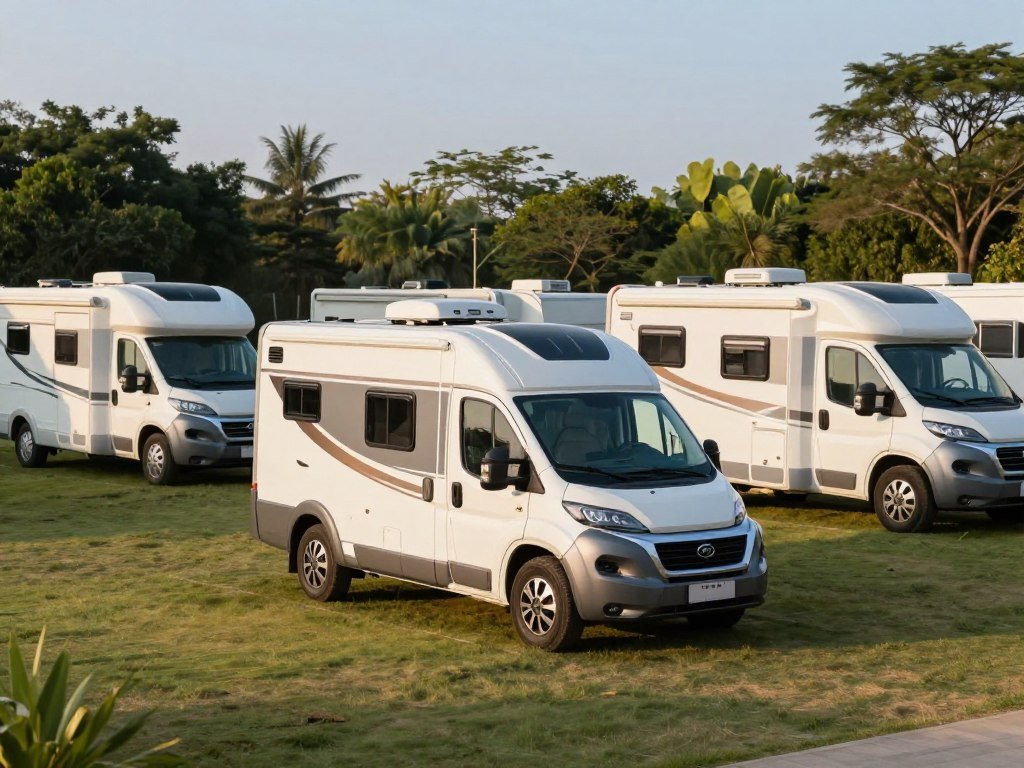
A compact exterior does not guarantee a bathroom or sleeping space for every traveler.
Inside, every inch has a job. A fixed bed may cut into daytime seating, while a bathroom can take space from storage or the kitchen. Those choices matter more when several people share the same small room.
For two travelers, a compact floor plan may feel easy to manage. Add children, pets, or bulky gear, and the same layout can feel crowded quickly. Check how people move between the bed, seats, and door, not just how many features appear in the brochure.
Some vans work as everyday vehicles because they fit more easily into ordinary roads and parking areas. Others feel best as trip vehicles, where you can leave equipment onboard and accept a larger footprint. The right balance comes from the way you plan to use the van, not its label.
Check the vehicle’s actual overall length, including any rear-mounted equipment, before assuming it fits your usual parking spot.
How Do Chassis and Length Affect Your Choice?
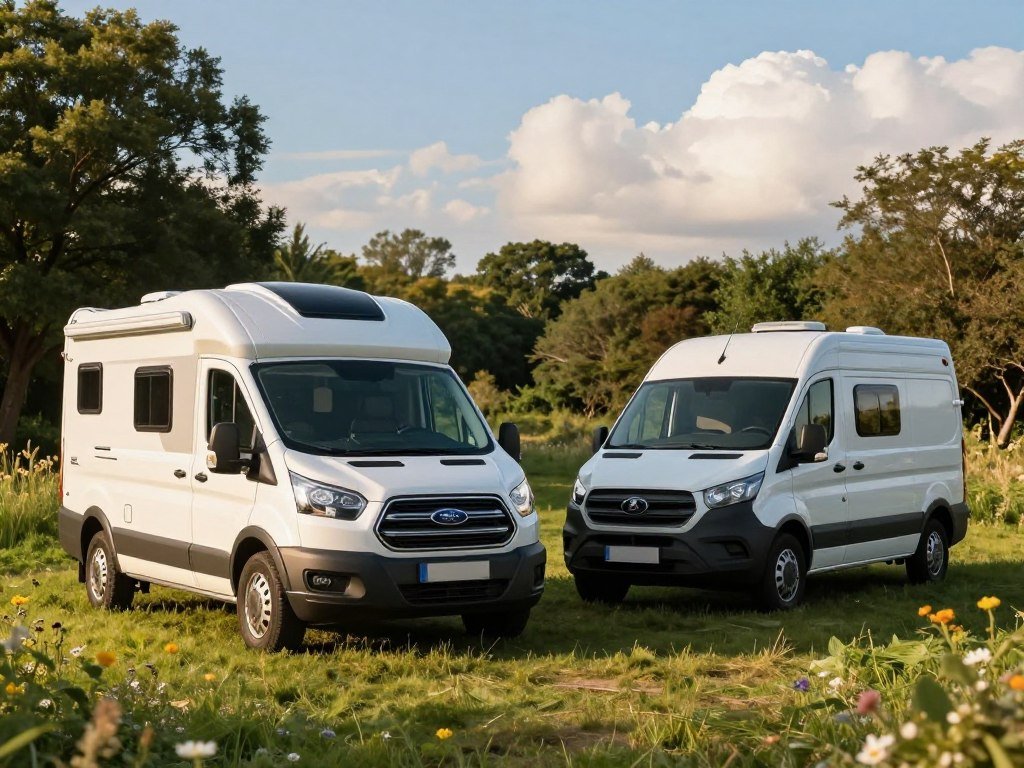
A Transit 148 and a Sprinter 144 are each approximately 19.5 feet long, so either can fit buyers seeking a short-wheelbase layout. That shared starting point helps you compare parking needs, but cab feel and service access can change the ownership experience. Check the stated length against the places you drive most.
Common Class B chassis include the Ram ProMaster, Ford Transit, and Mercedes-Benz Sprinter. The best option depends on how each one handles, how its interior uses space, and which drivetrain choices suit your trips.
| Platform or category | Stated length | Practical implication |
|---|---|---|
| Ford Transit 148 | Approximately 19.5 feet | Useful starting point for checking parking |
| Mercedes-Benz Sprinter 144 | Approximately 19.5 feet | Useful starting point for checking parking |
| Small motorhomes generally | Under 23 feet | Compact class, with layouts that still vary |
Short-wheelbase van dimensions
The Transit 148 and Sprinter 144 offer a short-wheelbase layout at approximately the same overall length. That number is only a first check. A ladder, spare tire, or other rear-mounted item may add to the vehicle’s total length.
Measure your garage or parking space before choosing a van. Leave room for the vehicle to enter and exit, not just fit between two lines. A length figure can help you narrow options, but it cannot account for every driveway or parking rule.
Choosing among the main chassis
The Ram ProMaster, Ford Transit, and Mercedes-Benz Sprinter each form a base for factory-built vans and conversions. Their cab feel can differ, and the shape of the interior affects where a bed, kitchen, or storage fits. Drivetrain options may matter if your routes include steep roads or winter travel.
Try the driver’s seat and check what you can see around the vehicle. A platform that feels easy to handle can make an ordinary travel day less tiring. The interior plan matters just as much, since a good cab cannot fix a layout that wastes the space you need.
Service access and drivability
Service access is part of the platform choice. Find out which nearby locations can work on that chassis, then consider the same question for places on your regular travel routes. Parts availability and service networks vary by platform.
Before choosing a platform, identify a service location you could reach during a trip as well as near home.
Which Bathroom Layout Works in a Small Camper Van?
A wet bath uses one waterproof room for the shower and toilet, while a dry bath keeps those functions separate. A wet bath saves room by combining both jobs, while a dry bath may give you more privacy between uses. The best layout depends on how much interior space you want to give the bathroom.
Compact bathroom-equipped options exist, but no single model is definitively the smallest. The Thor Motor Coach Rize 18 is under 18 feet long and has a wet bath, while the Winnebago Travato 59K has a compact wet bath.
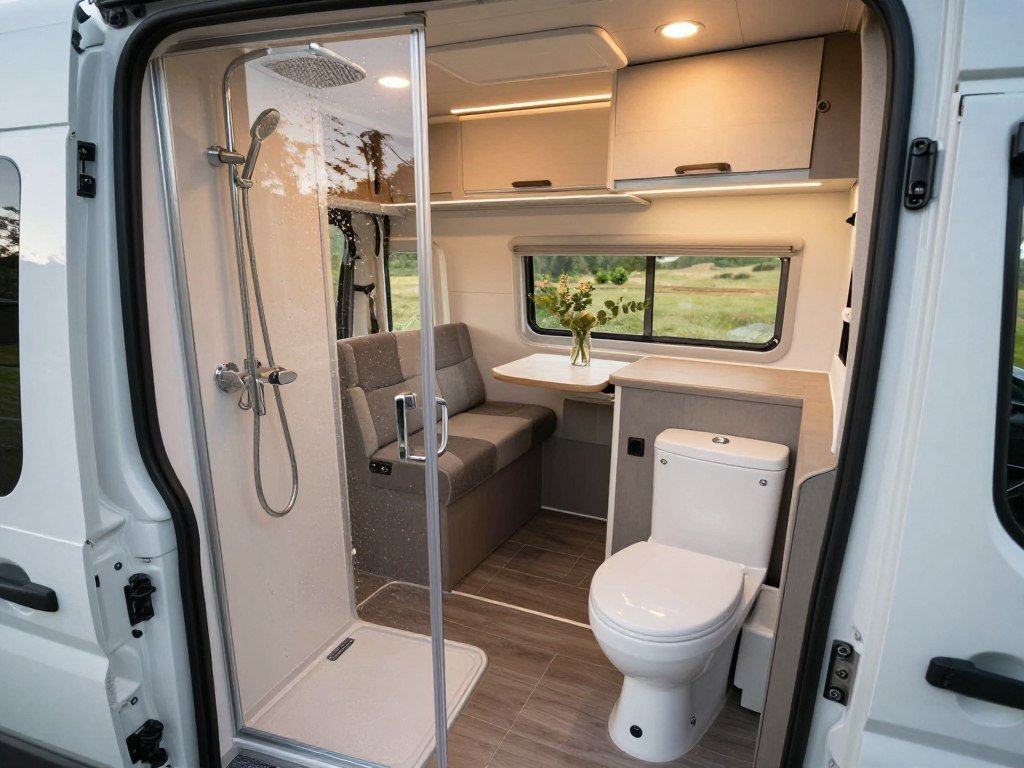
Wet baths and dry baths
The Winnebago Revel pairs a shower and cassette toilet in a compact wet bath. The Coachmen RV Galleria and Roadtrek Zion also have wet baths with cassette toilets. The Thor Tellaro and Coachmen Nova are other wet-bath options.
The Winnebago Travato and Winnebago Revel have flexible wet baths. A Pleasure-Way Plateau TS has a dry bath, and select Chinook RV Bayside layouts separate the shower and toilet areas. The Airstream Interstate 19 includes a toilet and shower, while the Airstream Atlas has a dry bath.
These examples show how much bathroom layouts can differ, even among compact vans. When you inspect one, check whether the door opens fully and whether you can reach the toilet and shower without moving stored gear.
Portable and waterless toilet options
A portable toilet can fit under a bench or inside a cabinet when it is not in use. Other systems vary in how they hold waste and what you need to replace or empty:
- Thetford cassette toilet: removable waste tank accessed through an exterior hatch.
- Clesana C1: uses 12-volt power and replacement liners to seal waste.
- CompoCloset Cuddy Lite: separates liquid and solid waste.
- Laveo Dry Flush: uses replaceable cartridges and no water.
Each setup calls for a different routine. Consider where you will store supplies and how often you want to handle waste while traveling.
Water use and bathroom tradeoffs
A quick campervan shower typically uses 2-4 gallons of water. That can add up during a trip without hookups, especially when more than one person showers. A smaller bathroom may also leave more room for seating or storage.
Privacy has a cost in floor space. A separate shower and toilet area can make daily use easier for two people, while a combined room keeps the layout compact. Match the toilet’s waste system to the way you expect to empty and maintain it on the road.
What Should You Budget for a Small Camper Van?
In 2026, a used Class B typically costs $45,000-$120,000, while budget-focused used buyers typically spend $45,000-$75,000. New small motorhomes typically cost $120,000-$180,000. Your price range depends on whether you value a newer vehicle or a lower starting cost.
Age, mileage, and layout all affect used prices. A lower asking price may come with older systems or a floor plan that lacks a feature you need. Compare the condition and included equipment before you weigh one listing against another.
| Vehicle type | 2026 typical price range | Condition or buyer context | What to compare |
|---|---|---|---|
| New small motorhome | $120,000-$180,000 | New vehicle | Layout, equipment, and systems |
| Used Class B | $45,000-$120,000 | Age, mileage, and layout vary | Condition, maintenance, and features |
| Budget-focused used Class B | $45,000-$75,000 | Buyers focused on lower cost | Wear, repairs, and included systems |
Affordable camper vans with bathrooms may require a compromise on age, layout, or features. A small price tag does not tell you whether the bathroom, battery, or heating system works as expected.
Set your limit before browsing listings, then leave room for work the vehicle may need. A well-kept used van can suit your plans, but only if its past use and current systems make sense for your travel needs.
Set aside room in your budget for the vehicle’s condition and the systems you will need to maintain.
Best Small Camper Vans: 10 Picks Compared by Price
A first-time buyer who wants an onboard toilet can start by comparing the Rize 18M and Solis Pocket, while someone willing to go without a full bathroom can consider the Tofino. These factory-built options show how price, roof design, and bathroom features shape a compact layout. The figures below are approximate 2026 prices.
Compare the listed equipment, not price alone. A lower figure may describe a different platform or a less complete setup.
| Model | Approximate 2026 price | Chassis or platform | Bathroom or roof feature |
|---|---|---|---|
| Thor Motor Coach Rize 18M | $84,375 | Ram ProMaster | Cassette toilet |
| Pleasure-Way Tofino | $85,150 | Ram ProMaster | Pop-top roof, no full bathroom |
| Winnebago Solis Pocket | Starting at $99,566 | Ram ProMaster 1500 | Portable toilet |
| Gulf Stream BTouring Cruiser 5210 | $110,573 | Ford E350 step-up campervan | Full dry bathroom |
| Thor Sequence line | Starts near $164,500 | Mercedes-Benz Sprinter | Wet bath |
The Rize 18M and Solis Pocket are worth a look if you want a toilet onboard. The Tofino may fit a buyer who prefers a pop-top and can travel without a full bathroom. Compare how each bed and roof setup serves your trip.
The BTouring Cruiser 5210 has a full dry bathroom, while the Sequence line offers a wet bath. Their different platforms and layouts make it useful to check the driving position and interior in person.
- Thor Scope: around $137,830 on a Ram ProMaster chassis, for buyers who want a compact factory-built layout.
- Thor Gemini 23TE: around $137,850 on a Ford Transit AWD chassis, for buyers who want all-wheel drive.
- Leisure Travel Wonder 24RTB: around $144,129 on a Ford Transit 350 HD chassis, for buyers who want a more equipped factory-built van.
- Used Class B campervan: see the ranges in Section 5, with the specific fit shaped by its condition and floor plan.
- Vansmith Foundation conversion: starts at $9,970, a conversion starting price, not the price of a complete camper van.
A beginner can use this comparison to prioritize a simple layout, a suitable bathroom, and a familiar driving platform. The bed, storage, and roof features matter too, especially if you plan to use the van for more than short trips.
Compare the included equipment and the exact configuration before treating two listed prices as equivalent.
Which Layout Makes the Most of Sleeping and Storage Space?
A rear layout determines whether your limited floor space prioritizes sleep, daytime seating, or bathroom privacy. Twin beds that convert to a king can serve different sleeping needs, while a sofa bed can create a lounge by day. A rear bath gives bathroom space a permanent place.
The best layout is the one that leaves enough room for your daily routine. Consider how bedding, travel seats, and gear fit when the van changes from driving mode to dining and sleeping modes.
| Layout | Main advantage | Space tradeoff |
|---|---|---|
| Twin beds that convert to a king | Separate beds or one larger bed | Less space for other rear uses |
| Convertible sofa | Daytime seating that becomes a bed | Needs setup before sleep |
| Rear bath | Bathroom privacy at the back | Uses room otherwise available for beds or storage |
The larger Airstream Interstate 24GL allows more flexibility for bathroom space and privacy. That may suit some trips, but its larger platform will not fit every buyer’s daily driving needs.
Before choosing a floor plan, ask yourself:
- Where does bedding go while you drive and eat?
- Which seats can people use while the vehicle is moving?
- Where will you keep bags and outdoor gear at night?
A layout can look roomy with the bed folded away, then feel tight after you make it up. Check the bed in its fully made-up position, not only the open lounge layout.
What Is It Like to Drive a Small Camper Van?
Small RVs are typically described as getting 14-18 mpg, compared with under 12 mpg for large Class A or C motorhomes. That typical range gives you a useful starting point when planning fuel costs, but actual mileage changes with vehicle setup and travel conditions.
Load, route, configuration, and driving conditions affect actual mileage. Extra gear adds weight, and stop-and-go traffic can change what you see at the pump. Gas and diesel models may also feel different behind the wheel.
A test drive should include more than a stretch of open highway. Try a tight turn, check your view through the mirrors, and see how comfortable the driver’s seat feels after several minutes.
Notice how the vehicle responds when you slow down, change lanes, and enter a parking area. A van that feels calm on a straight road may feel different on narrow streets or winding routes.
If you plan to travel with a full load, bring a realistic idea of the people and gear you will carry. Ask to drive the vehicle in a setting that reflects your typical use, rather than judging it only from the passenger seat.
Use the test drive to check whether the vehicle feels manageable in the places you plan to travel.
Should You Buy a Factory-Built Van or Choose a Conversion?
A factory-built Class B gives you an installed layout, while a conversion lets you tailor how the interior uses its space. The main tradeoff is convenience versus control: one comes ready with a planned setup, while the other can reflect your specific travel habits.
Choose based on how much planning and build detail you want to manage. Both routes can work well, but each asks you to make different decisions before your first trip.
Factory-built layouts
Factory-built Class B vehicles start with an automotive van or panel truck chassis. The finished layout includes living systems, such as a bed, kitchen, and electrical features. You can focus on whether the installed setup works for your group instead of planning each part from scratch.
Check the sleeping arrangement and bathroom setup closely. A finished design may look tidy but still leave too little room for your gear or daily routine. Walk through the interior as if you were preparing a meal or getting ready for bed.
Custom conversion priorities
A conversion can shape the bed, kitchen, storage, and living area around how you travel. Someone who works on the road might want a desk and extra power, while a weekend camper may prefer open floor space.
If you plan to work from the van, a portable monitor for remote work may be part of your equipment list. Its screen, cables, and power needs can affect where you place a desk or storage.
Custom design also means making clear choices about the electrical system, water, lighting, and heating. A conversion can be a poor fit if you want a ready-to-drive vehicle without planning or managing build details.
Choose a conversion only after listing the systems and living features you want finished before your first trip.
Which Small Camper Van Fits Your Travel Style?
A daily driver, a two-person touring van, and a family camper each place different demands on the same compact interior. A solo traveler may favor simple sleeping and storage, while a couple may care more about bed setup and bathroom privacy. The right comfort features depend on who comes along and how long you stay out.
Families should confirm both travel seats and sleeping capacity for every person. The Airstream Interstate 19 and Winnebago Revel are small campervans with a toilet and shower, which can suit travelers who want those facilities onboard.
A van that doubles as a daily driver needs usable seats and a parking fit that works for errands. A vehicle used mainly for longer trips can devote more room to camping equipment that stays onboard.
Travel style can also shape how often you use the vehicle. The RV Industry Association reports that 58% of owners cite relaxing as a purchase motivator, 57% cite time in nature, and 43% cite bringing pets.
The group also reports that median RV use rose to 30 days per year. Among RV households with remote workers, 54% have worked from an RV, so a work setup may matter to some travelers.
Count both legal travel seats and nighttime beds against the number of people on every trip.
What Should You Check Before Buying?
Before buying a particular vehicle, review its maintenance history and confirm you can get its chassis serviced where you travel. Service access and past care can tell you more than a polished listing title. Class B chassis networks and parts availability vary by platform.
Compare mini motorhomes for sale by condition, layout, and included systems, not by title alone. A clean interior does not prove that the main systems work.
A clean interior does not prove that the major systems work.
Vehicle and service checks
Read the maintenance records and look for long periods when the van sat unused. A vehicle that spent a lot of time parked may need attention even if its mileage seems low.
Find service locations for the specific chassis in your area and on routes you expect to travel. In most states, a standard driver’s license is enough for a Class B campervan, but rules vary. Confirm the requirements with your state DMV.
Use this short list while you inspect a vehicle:
- Review service records.
- Check chassis service access.
- Test the control panel.
- Learn tank and hookup procedures.
- Secure belongings before departure.
Systems and first-trip checks
Freshwater tanks hold water for the sink and shower. Gray-water tanks collect sink and shower runoff, while black-water tanks hold toilet waste. Ask how each tank fills, drains, and connects to a dump point.
Check the electrical hookups and control panel, which lets you monitor or manage key systems. Ask how the generator has been maintained and what it powers. Test lights, outlets, and other equipment while the seller explains the controls.
Before driving away, learn where loose items belong and how to secure them. Have the seller demonstrate each major system before you take the vehicle home.
Conclusion
The best choice is the one whose size, sleeping plan, and onboard facilities match how you will actually travel. Your best fit balances the vehicle’s footprint and layout with your travel group and budget.
Two or three strong options are easier to compare in person than a long list of listings. Ask to see the bed set up, sit in the driving position, and check the features you expect to use most.
Write down your must-haves, then schedule a walkthrough and test drive for your shortlist.
FAQ
How many people can sleep in a small camper van?
A small camper van can sleep the number of people its floor plan supports, but the bed count alone does not settle the question. Check whether each bed fits the people who will use it and whether it needs to be set up each night. Also confirm the number of belted travel seats, since sleeping spots do not count as seats for driving.
Can a small camper van work as a daily driver?
Yes, many compact vans can work as daily drivers if their parking fit and seating suit your routine. Compare the van with your garage, regular parking spaces, and the roads you use most. Consider how much camping equipment will stay onboard, too. Gear that fills the back for trips may limit everyday cargo space or access to seats.
Is a wet bath or dry bath better for two travelers?
A wet bath saves space, while a dry bath separates the toilet and shower and may offer more privacy. For two travelers, the better fit depends on how often you need the bathroom at the same time and how much interior room you can give it. Check how the doors and fixtures work in person, since tight access can make daily use awkward.
How much does a used small camper van usually cost?
A used Class B campervan typically costs $45,000-$120,000 in 2026, with budget-focused buyers typically spending $45,000-$75,000. Age, mileage, and layout affect the price, so two vans with similar asking prices may need different repairs or upgrades. Review the vehicle’s condition and included systems before deciding whether a lower price fits your budget.
Do you need a special license to drive a Class B camper van?
In most states, a standard driver’s license is sufficient for a Class B campervan. License rules vary by state, so check your state DMV’s requirements for the vehicle you plan to drive. Confirm the vehicle’s listed weight and registration details when you review the rules, since those facts can help you identify the right license category.
How much water does a quick campervan shower use?
A typical quick campervan shower uses 2-4 gallons of water. Your onboard freshwater supply matters more on trips without hookups, especially when several people need showers. Think about water for cooking and handwashing, too, before estimating how long a tank will last. Short showers can help stretch the supply between places where you can refill.