
A rich lamb stew can be a satisfying dinner at home, but finding it on a nearby menu takes a little more than searching one name. Caldereta de cordero, or Spanish lamb stew, has a rich sauce and tender meat. You can cook it yourself or look for it at nearby restaurants. A majado is a blended paste used to enrich and thicken the stew, made here with fried bread, almonds, chicken livers, and peppers.
Spanish and Filipino preparations are distinct dishes, so menu availability depends partly on which style you want. A local search can turn up different names for each, and a restaurant may serve one only as a special. The first useful choice is whether you want a Spanish-style version or a Filipino-style one.
Key Takeaways
- Choose a Spanish or Filipino style.
- Spanish recipes often include wine and herbs.
- Filipino recipes use varied sauces and add-ins.
- Slow simmering helps tenderize lamb.
- Check current menus before traveling.
What Sets Spanish Caldereta Apart From Filipino Caldereta?
A menu featuring paprika, herbs, and wine points toward a Spanish-style profile, while Filipino-style recipes can build flavor with a different mix of sauce and add-ins. The same stew name can lead to different flavors at the table.
Read the ingredients, not just the dish name, to spot the style. Tomato, garlic, peppers, and wine can all shape the sauce.

Filipino-style caldereta can vary widely from one kitchen to another.
Spanish caldereta brings wine, paprika, and herbs
Spanish lamb stew often starts with tomato, garlic, onion, and peppers. Paprika adds warmth, while herbs such as thyme or rosemary bring an earthy note. Wine adds depth as the sauce cooks.
Some Spanish recipes use white wine; others take a bolder route with red wine. One recipe pairs its red-wine sauce with a Ribera del Duero Reserva. These changes give caldereta cordero different shades of flavor without changing its place as a hearty lamb stew.
Filipino caldereta offers a different sauce and add-ins
Filipino-style recipes may use tomato sauce, olives, potatoes, liver spread, cheese, or chili. Some versions lean rich and mild, while others bring more heat from chili. The sauce and add-ins depend on the cook’s recipe.
HALINÁ’s modern Filipino menu, for example, names an Australian Lamb Caldereta. That name signals a Filipino menu take on lamb, though the ingredient details can differ between kitchens. A menu may also call the Spanish version “caldereta cordero” or “Spanish lamb stew.”
Read the menu description before ordering, since the name alone does not tell you which style the kitchen serves.
How Do You Make a Slow-Cooked Lamb Caldereta?
The 1-kilogram stovetop version needs at least 2 hours of gentle simmering, with potatoes added during the final 20 minutes. This recipe makes a full pot of tender lamb with a thick, savory sauce.
Let the lamb simmer slowly for at least 2 hours. The majado adds body without needing flour.
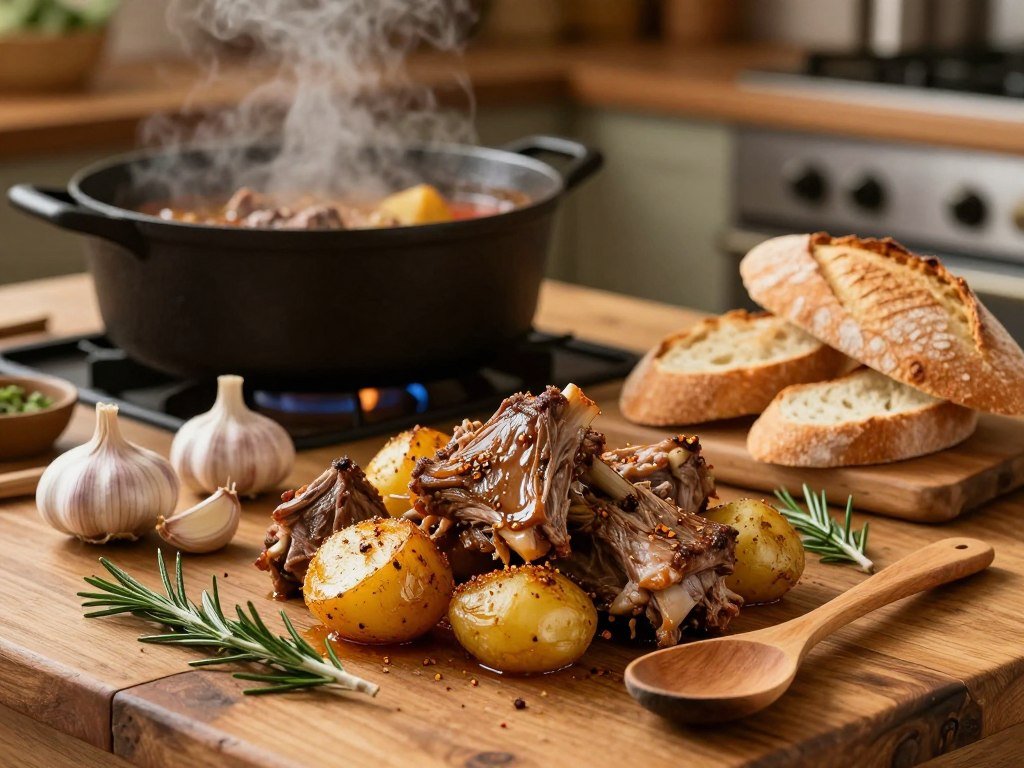
Gather the ingredients for the 1-kilogram version
- Lamb and vegetables: 1 kg lamb chunks, 4 medium potatoes, 4 garlic cloves, 1 red pepper, 1 green pepper, 2 carrots, 1 onion, and 200 g crushed tomato.
- Wine and herbs: 250 ml white wine, thyme, rosemary, ½ teaspoon ground cumin, 2 bay leaves, 1 chili, and 1 teaspoon paprika.
- Majado: 2 slices of bread, a handful of almonds, 4 chicken livers, 1 choricero pepper, and 1 chili pepper.
- For the pot: oil, water, salt, and pepper.
Brown the meat, simmer, and add the potatoes near the end
Fry the bread and almonds in oil until golden, then set them aside. Fry the chicken livers and peppers, then blend them with the bread and almonds into a smooth majado.
Brown the lamb in a casserole, then cook the onion, garlic, carrots, and peppers in the same pan. Stir in the paprika and wine. Add the crushed tomato, herbs, and majado, then pour in enough water to cover the meat.
Cover the pot and simmer gently. Add the potatoes for the final 20 minutes, then season with salt and pepper. This 1-kilogram caldereta recipe uses at least 2 hours of simmering time.
| Recipe version | Lamb | Cooking liquid | Cooking time |
|---|---|---|---|
| 1-kg caldereta | 1 kg chunks | 250 ml white wine | At least 2 hours |
| Spanish red-wine version | 250 gr lamb | 200 ml red wine | 45 minutes |
| Slow-cooker version | 600 g diced lamb | 100 ml white wine | 8 hours on low |
| Lamb-neck version | 300 g lamb neck | 100 ml red wine plus 200 ml chicken stock | 2 hours |
| Broth-based version | 1 leg of lamb | 1.5 l beef broth | 45 minutes, then 20 minutes for potatoes |
Cooking times and liquid amounts change across recipes. A slow-cooker version adds peas during its final 30 minutes, while its heavy-pot alternative takes about 3-4 hours. Another recipe can be made ahead and refrigerated for a day or two.
Keep the heat gentle during the long simmer so the sauce cooks steadily rather than reducing too quickly.
Where Can You Find the Best Caldereta de Cordero Near Me?
If a nearby menu does not use the exact Spanish name, try searching for “Spanish lamb stew” or “lamb caldereta” instead. Start with Spanish restaurants for Spanish lamb, then check Filipino restaurants for lamb caldereta.
Look for current menu details and call before you travel. A daily or seasonal special may not appear as a permanent menu item.
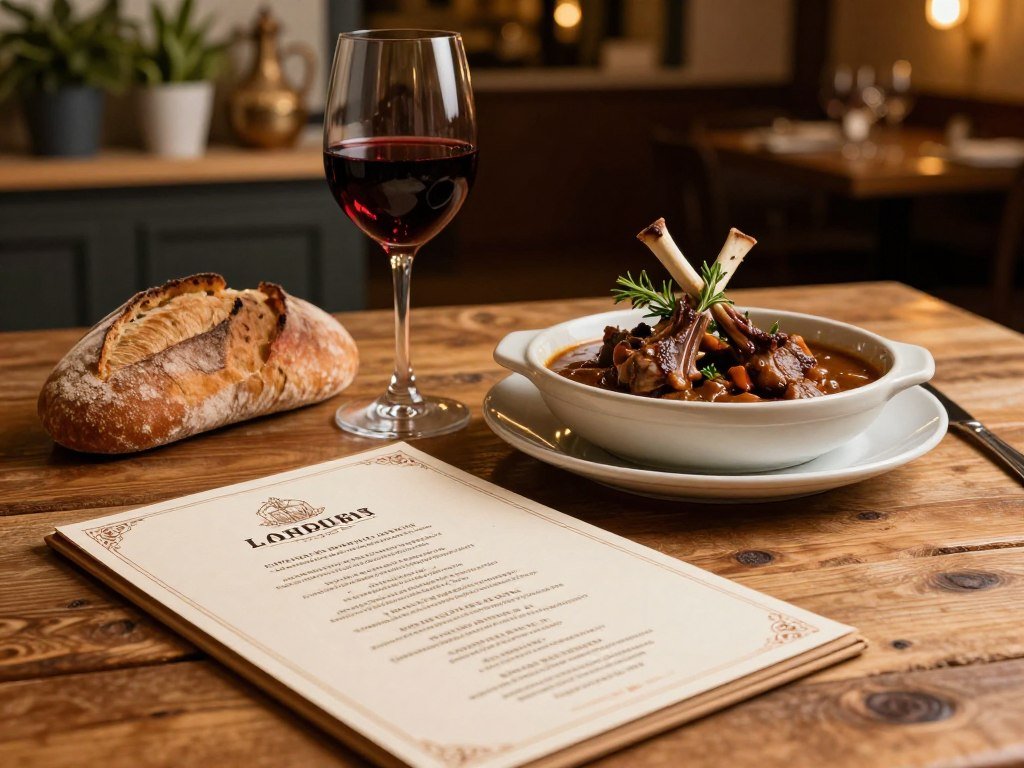
- “Spanish lamb stew near me”
- “Caldereta de cordero restaurant”
- “lamb caldereta near me”
- “Spanish restaurant near me”
- “Filipino lamb caldereta”
Check current menus, recent reviews, and food photos for clues about the dish and its side. A nearby restaurant search guide can also help you compare local options and confirm same-day details.
A daily special can disappear from a menu without warning, so same-day confirmation matters.
Call to ask if the stew is available, made with lamb, and served with the side you expect. Some kitchens serve it with rice, while others may offer crusty bread.
Confirm the meat is lamb before making the trip, since caldereta can refer to preparations made with other meats.
Conclusion
The best fit is the version whose sauce and seasonings sound right to you, whether you order it or cook it. A white-wine stew may suit you, or you may prefer the richer notes of red wine.
For a home-cooked meal, set aside a slow afternoon for the stovetop recipe and serve the sauce with crusty bread or rice. If you cook the stovetop version, test a piece of lamb with a fork before serving and continue simmering if it is not tender.
FAQ
Can I use lamb shoulder instead of lamb neck?
Yes, lamb shoulder works well instead of lamb neck in caldereta. Shoulder, leg, neck, and other stewing cuts can all soften during slow cooking. Cut the meat into similar-sized chunks so it cooks at an even pace. The amount of fat on the cut can change how rich the sauce feels, so skim excess fat before serving if needed.
Can I make caldereta in a slow cooker?
Yes, one caldereta version cooks on low for 8 hours in a slow cooker. A heavy pot on the stove takes about 3-4 hours for another version. Follow the liquid amounts for the recipe you choose, since slow cookers lose less moisture than open pots. Add quick-cooking vegetables near the end to keep them from turning soft.
Does red wine work in caldereta?
Yes, red wine works in caldereta and gives the sauce a different profile from white wine. One Spanish variation uses 200 ml red wine with 250 gr lamb and simmers for 45 minutes. Red wine brings a deeper taste to the sauce. Let the stew cook gently so the wine blends with the tomato and herbs.
Can I make lamb caldereta ahead of time?
Yes, you can make one version ahead and refrigerate it for a day or two. Cool the stew, then store it in a covered container in the refrigerator. Reheat it until steaming throughout, stirring so the sauce warms evenly. The potatoes may soften as they sit, so handle them gently when you stir or portion the stew.
What should I serve with caldereta?
Crusty bread, rice, or potatoes are practical pairings for caldereta. Bread helps you scoop up the sauce, while rice makes an easy base for a saucy serving. Potatoes may already be cooked into the stew, so you can keep the meal simple. Add a side that suits the sauce and the portion size you want.
Can I freeze leftover caldereta?
Yes, freeze leftover caldereta in an airtight container and reheat it thoroughly before eating. Let the stew cool before packing it, and leave a little room at the top for expansion. Thaw it in the refrigerator when possible, then warm it on the stove. Stir during reheating so the meat and sauce heat evenly.



