A dependable phone should fit your budget, feel right in your hand, and handle the tasks you use every day. The best phone to buy 2026 depends on what you value most, from low cost to top camera tools. This roundup gives U.S. buyers a clear way to compare phones by price, operating system, photography, battery life, and special use. Optical zoom is lens-based magnification that brings a distant subject closer without relying only on digital cropping.
You do not need every premium feature to get a phone that feels right. A smaller screen may work better in one hand, while longer software support can matter more than a fast chip. Start with the operating system you prefer and the amount you can spend, then compare the features you will actually use.
Key Takeaways
- Choose your operating system and spending limit first.
- Match screen size and camera tools to your daily habits.
- Compare update promises for the exact model.
- Check battery runtime separately from charging speed.
- Confirm an unlocked phone works with your carrier before buying.
Which Phones Make the Shortlist?
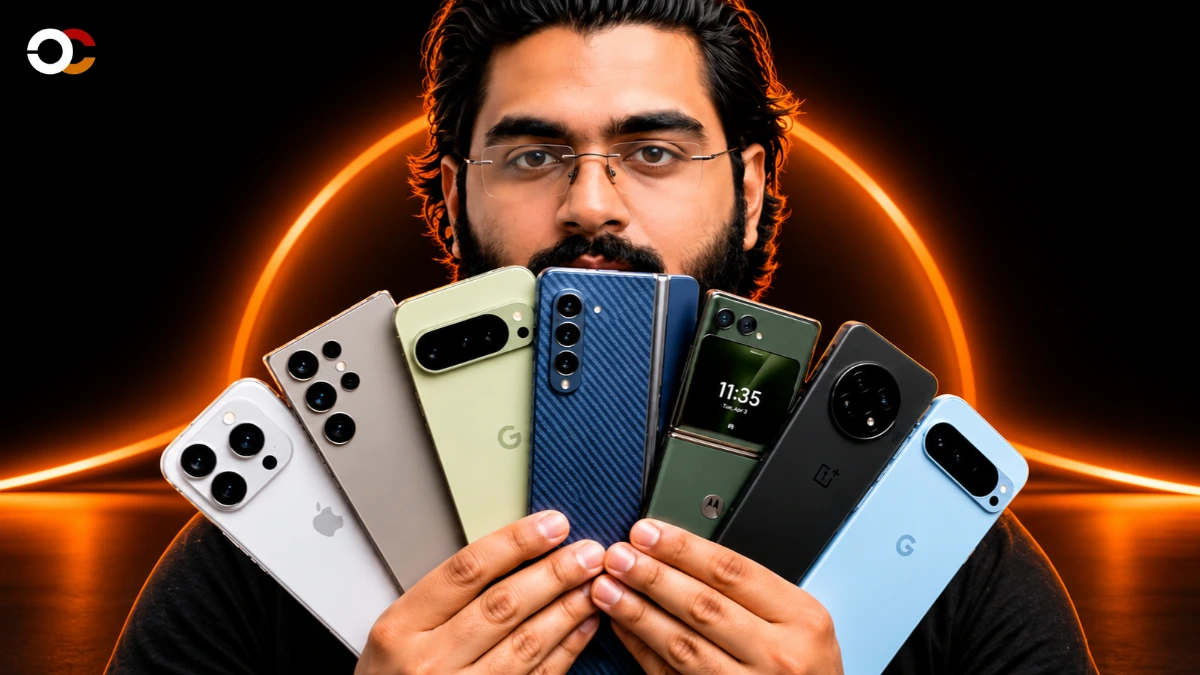
For a broad premium recommendation, start with the iPhone 18 Pro; choose the Galaxy S26 Ultra if you want a premium Android phone. Ten U.S.-relevant standouts cover common buying needs, but they are not a worldwide ranking.
Phone prices fall into three broad bands: flagship phones at $800 and above, midrange phones at $500-$799, and budget phones below $500. The table narrows those choices by buyer type.
| Buying need | Pick | Why it makes the shortlist |
|---|---|---|
| Premium iPhone | iPhone 18 Pro | Fits buyers who want Apple’s current high-end phone |
| Android for most people | Google Pixel 11 | Offers a mainstream Android experience |
| Premium Android | Samsung Galaxy S26 Ultra | Suits buyers who want a top-tier Android phone |
| Value Android | Google Pixel 10a | Brings long support to a lower price band |
| Under-$300 phone | Motorola Moto G Power (2025) | Offers practical extras at a low cost |
Use the shortlist to find a likely fit, not to crown one phone as the best for every buyer.
The ten standout models are the iPhone 18 Pro, Google Pixel 11, Samsung Galaxy S26 Ultra, Google Pixel 10a, Motorola Moto G Power (2025), Samsung Galaxy A17 5G, Samsung Galaxy Z Fold 8, Samsung Galaxy Z Flip 7, Apple iPhone 15, and Samsung Galaxy A36 5G. Their prices and designs suit different needs, so a global ranking would miss the point.
Use the table to narrow the field to one or two models, then check that model against your budget and must-have features.
How to Choose the Best Phone to Buy 2026
Choose the platform and budget first, because they determine which phones are worth comparing. Your habits should shape the rest of the decision, not a feature list alone.
Set five priorities before comparing a smartphone: operating-system preference, comfortable screen size, camera needs, expected update support, and spending limit. This simple checklist keeps extra features from taking over your decision.
- Operating-system preference
- Comfortable screen size
- Camera needs
- Expected update support
- Spending limit
Start with iOS or Android
Apple-device integration can make an iPhone a natural fit if you already use an iPad, Mac, or Apple Watch. Android gives you a wider choice of brands, prices, and form factors, including standard phones, flips, and book-style foldables.
The choice affects more than the home screen. It shapes which apps, accessories, and settings feel familiar, so switching platforms may take some adjustment.
Match the screen and cameras to your habits
Displays larger than 6 inches are common, while screens closer to 6 inches can suit people who favor one-handed use. Think about where you read, watch video, and type before choosing a size.
A telephoto camera helps when you often photograph distant subjects, such as performers or players across a field. For family snapshots, food, and nearby scenes, a strong main camera may matter more.
Check support, durability, and total value
A healthy software-support benchmark for this phone class is four years of operating-system updates and five years of security updates. Water and dust resistance can also help a phone handle daily mishaps, but ratings differ by model.
Check whether the phone supports the charging method you use and has enough storage for apps, photos, and videos. A lower price may be less appealing if limited storage forces you to manage files often.
Before paying, verify the specific model’s update commitment and water-resistance rating rather than relying on the brand name alone.
Which iPhone Is the Best Premium Pick?
The iPhone 18 Pro is the premium iPhone pick for someone who wants Apple’s current Pro hardware without the larger Pro Max display. It keeps the screen more manageable while using the same A20 Pro processor.
The iPhone 18 Pro lists at $1,199 at Apple. Its display measures 6.3 inches, compared with 6.9 inches on the iPhone 18 Pro Max.
Both models use Apple A20 Pro processors, so the Pro Max is not the only way to get that chip. The size difference is the main choice for buyers deciding between these two Pro models.
The iPhone 18 Pro offers 256GB, 512GB, 1TB, and 2TB storage options. The 2TB option is exclusive to the Pro model, a useful distinction if you record a lot of video.
More storage can help if you plan to keep a phone for years, but do not pay for space without checking your actual photo, video, and app needs. A large offline library can fill storage faster than everyday messages and browsing.
The iPhone Pro can suit buyers who want a current high-end iPhone in a smaller package. If you often watch video or work with content on your phone, the larger Pro Max screen may feel more comfortable.
Choose the Pro Max for its larger screen, but compare its size with how comfortably you can hold and carry it.
Which Google Pixel Suits Most Android Buyers?
For many Android buyers, the Google Pixel 11 is the most straightforward pick because it brings former Pixel Pro features to a less specialized model. That wider feature set makes it a strong mainstream Android phone in this roundup.
The Pixel 11 costs $899 at Best Buy and has a CNET score of 9.0. CNET names it its Android phone pick for most people.
Features that once appeared only on Pixel Pro models now reach a standard Pixel model. That shift may appeal if you want more tools without choosing a specialized Pro phone.
A Pixel 11 review roundup reports an average score of 80.77% across 57 scores from 123 reviews. It lists a 6.3-inch 120Hz OLED display, a triple-camera system with 5x optical zoom, and Gemini AI features.
Notebookcheck also notes that the Tensor G6 trails competing flagship processors, especially for gaming. That matters more if you play demanding games than if your main tasks are messaging, maps, and photos.
- Google software and its familiar services
- A broad set of features in a mainstream model
- An alternative to a higher-priced Pixel Pro model
AI tools can help with writing, photo edits, and translation, but you should check the results. You can read more about how phone AI tools work before deciding which features you want.
Compare the Pixel 11 with the Pixel 10a if saving money matters more than having the newer feature set.
Is the Samsung Galaxy S26 Ultra Worth Its Price?
The Galaxy S26 Ultra is a strong premium Android choice for buyers who value a large display, privacy features, and fast wired charging. Its standout privacy tool can help when you use your phone around other people.
The Galaxy S26 Ultra costs $1,300 at Samsung. Its 6.9-inch AMOLED display has a 1-120Hz adaptive refresh rate and 3,120 × 1,440-pixel resolution.
Privacy Display and large-screen use
Built-in Privacy Display reduces side-view visibility, making sensitive content harder for people beside you to see. It can be useful for email, account details, or work messages in a crowded place.
The large screen suits readers who want ample viewing space for video, documents, and games. It is less compelling if you prefer a smaller phone or rarely use your device in public.
Performance, price, and wired charging
CNET scores the S26 Ultra 9.3 and the Galaxy S26 8.3. CNET also gave the Ultra a Lab Award for fastest wired charging after testing 33 phones.
The S26 Ultra supports 60W wired charging. That speed can matter to power users who need a quick top-up between demanding tasks, but a strong rating alone does not make the price right for everyone.
The Snapdragon Elite Gen chip and premium features suit buyers who use their phone heavily and value a large screen. Privacy Display is a useful feature, not a reason to upgrade if public phone use is rare.
If those advantages do not solve a daily-use problem for you, compare the less expensive Galaxy S26 before spending more.
What Is the Best Value Android Phone?
The Google Pixel 10a is the value pick for someone who wants a capable Android phone without entering flagship pricing. Its long support period adds appeal if you plan to keep the same device for years.
The Pixel 10a costs $499 at Best Buy and has a CNET score of 8.2. It is listed with seven years of operating-system and security updates.
That update term can help the phone stay useful for longer ownership. It gives you a reason to consider the Pixel 10a beyond its initial price, especially if you avoid replacing a phone often.
A value phone still has to cover your daily needs. Consider the apps you use, how much storage you need, and whether its camera and screen meet your expectations.
Paying more for a Pixel Pro or another flagship can make sense when you need a specific feature. Extra performance or camera tools have little value if they do not change what you can do each day.
For deals and technology updates, you can choose the topics you receive through the technology newsletter.
Compare the Pixel 10a’s features with your daily needs before paying extra for a more advanced model.
Which Phones Are Best Below $300?
The Motorola Moto G Power (2025) is the lowest-priced pick here, while the Galaxy A17 5G offers a longer stated update commitment. Each phone makes a different trade-off between practical hardware and long-term support.
Below $300, expect useful basics rather than the full feature depth of a flagship. A cheap phone can still be a sensible daily driver for calls, messages, browsing, and common apps.
Low-cost picks from Motorola and Samsung
| Model | Listed price | Standout practical feature |
|---|---|---|
| Motorola Moto G Power (2025) | $200 at Amazon | microSD storage expansion up to 1TB |
| Samsung Galaxy A17 5G | $250 at Samsung | Six years of software and security updates |
| Google Pixel 10a | $499 at Best Buy | Seven years of operating-system and security updates |
The Pixel 10a is included for comparison, though its listed price places it above this section’s $300 limit. Its longer update commitment gives you a reference point for what a higher-priced value model offers.
Choose between durability, storage, and support
The Moto G Power (2025) supports microSD expansion up to 1TB, so you can add space for files without choosing a larger built-in storage tier. It also has IP68 and IP69 water- and dust-resistance ratings and MIL-STD-810H certification.
It supports wireless charging and keeps a headphone jack, two useful extras that many buyers may want. The Galaxy A17 5G instead stands out for its six-year software and security update commitment.
For a phone you plan to keep, weigh the A17’s six-year support against the Moto’s expandable storage and durability.
Which Phone Is Best for Photography?
For flexible zoom and manual control over light, the iPhone 18 Pro stands out through its variable-aperture main camera and 4x optical zoom. Optical zoom uses a lens to bring a distant subject closer without relying only on digital cropping.
Choose a telephoto camera when you often photograph faraway subjects. The best camera setup depends on whether you shoot sports, portraits, or everyday scenes.
Flexible zoom for distant subjects
| Model | Camera setup | Best photography use |
|---|---|---|
| iPhone 18 Pro | 48MP main, ultra-wide, and telephoto; 4x optical zoom | Variable light control and flexible zoom |
| Samsung Galaxy S26 Ultra | 200MP main, 50MP ultra-wide, 50MP 5x telephoto, 10MP 3x telephoto | Extreme digital zoom and sports |
| CMF Phone 2 Pro | Main, ultra-wide, and 50MP 2x telephoto | Lower-cost zoom and everyday photos |
The iPhone 18 Pro models have 48MP main, ultra-wide, and telephoto rear cameras. The main camera’s variable aperture shifts from ƒ/1.48 to ƒ/4.0, and both models offer 4x optical zoom.
The Galaxy S26 Ultra pairs two telephoto cameras with its main and ultra-wide cameras. Its extreme digital zoom and sports photography are good reasons to consider it if you often shoot action from far away.
Main-camera versatility and processing
The Samsung Galaxy A36 5G has a Sony IMX882 main camera with optical image stabilization, or OIS, which helps steady the camera. Its AMOLED display reaches 1,900 nits, and it supports 45W charging.
The Galaxy A36 5G and CMF Phone 2 Pro each have 8GB physical RAM configurations in the tested group. Those details may help you compare general use, but camera results still depend on how you shoot.
Midrange camera alternatives
The Xiaomi 17 Ultra has an upgraded sensor and optical zoom, with one fewer lens than its predecessor. The Xiaomi 15T Pro is recommended as a midrange-priced phone with flagship-level image processing.
These Xiaomi models offer alternatives for buyers who care about image quality, though their availability and price can vary by market. Check the exact version you can buy in your region.
Choose a dedicated telephoto camera if you regularly photograph distant subjects, rather than paying for zoom you rarely use.
Which Phone Has the Best Battery Life?
In Future Labs’ test, the iPhone 18 Pro Max lasted longer than the iPhone 18 Pro, while the OnePlus 15 targets buyers who want unusually long endurance. Battery life and charging speed answer different questions.
The iPhone 18 Pro lasted 16 hours and 17 minutes, while the Pro Max lasted 18 hours and 27 minutes. Both can charge to 50% in 15 minutes with wired charging.
The OnePlus 15 has a 7,300mAh battery and can approach three days of use for lighter users. That estimate suits people with modest workloads, not every gaming or streaming routine.
The OPPO A5 Pro has a 5,800mAh battery and supports 45W charging. Battery capacity gives you one clue, while charging speed tells you how quickly the phone can refill.
Individual runtime depends on screen use, signal conditions, and workload. Streaming video, weak service, and demanding games can change how long a charge lasts.
- Compare independent runtime results.
- Check the phone’s wired charging speed.
- Find out whether the charger is included.
A large battery can help, but charging speed and the included charger matter when you need to refill quickly. Check wired charging and charger inclusion separately from battery capacity, since a large battery does not guarantee a quick top-up.
Which Foldable Phone Should You Choose?
Choose a book-style foldable for a larger inside workspace, or a flip phone if folding down to a smaller carry size is the priority. The open-screen shape should match what you plan to do on the phone.
Book-style models open into a larger display, while flip models fold into a compact shape. The table compares their main screens and cover screens.
| Model | Main or inner display | Cover display |
|---|---|---|
| Samsung Galaxy Z Fold 8 | 8-inch internal AMOLED, 1-120Hz | Not specified |
| Samsung Galaxy Z Flip 7 | 6.9-inch main screen | 4.1-inch cover screen |
| Pixel 10 Pro Fold | 8-inch internal display | 6.4-inch cover display |
Book-style screens for multitasking
The Galaxy Z Fold 8’s 8-inch internal AMOLED display offers a tablet-like space for multitasking and viewing content. It has a 1-120Hz refresh rate, a CNET score of 8.6, and a listed starting price of $1,900 at Samsung.
The Pixel 10 Pro Fold also has an 8-inch internal display. Its IP68 dust and water resistance and built-in Qi2 magnets add practical protection and charging support.
Flip phones for a compact carry
The Galaxy Z Flip 7 has a 6.9-inch main screen and a 4.1-inch cover screen. The larger display is there when the phone opens, while the cover screen handles quick tasks without opening it.
A foldable’s hinge and two-screen design add complexity compared with a standard phone. Before choosing a foldable, decide whether you will use its open display often enough to justify the added complexity and cost.
Is the iPhone 15 Still a Good Buy?
The iPhone 15 can still suit an iPhone buyer who is comfortable with a 60Hz screen and does not need a newer model’s features. It remains a possible lower-cost option if its screen and camera setup meet your needs.
The iPhone 15 has a 6.1-inch Super Retina XDR display with a 60Hz refresh rate. Its resolution is 2,556 × 1,179 pixels.
Its rear cameras are 48MP and 12MP, with a 12MP front camera. Storage options go up to 512GB, which may suit buyers who do not need the largest storage tier.
The 60Hz display and two rear cameras are simpler than the features in newer options discussed here. They can still be enough for everyday tasks, but buyers who want newer screen or camera tools should compare current models.
A search for a top-ten phone list from 2025 asks a different question from choosing a phone to buy in 2026. The iPhone 15 is a previous-generation model, so its value depends on the current seller and condition.
Check the exact storage, condition, and current seller price before deciding that an older model is the better value.
Which Phones Can You Buy Without AI Features?
The Motorola Moto G Power (2025) is the clearest listed choice for avoiding AI hardware and software, while the Galaxy A17 5G does not include Galaxy AI. Those are different claims about the phones’ features.
A phone described as lacking dedicated AI hardware or software is not the same as a phone with optional AI tools. Optional tools may be present even when you do not use them.
ZDNET lists the Moto G Power (2025) as a phone without AI hardware or software. The Galaxy A17 5G runs Android 16 and does not include Galaxy AI.
These details help if you want to avoid specific AI features, but software can change over time. Do not assume every tool labeled AI can be disabled or that system updates will never add new software.
Names and feature labels can also differ by model and region. Check the current software feature list for the exact model and region if avoiding AI tools is a firm requirement.
Which Phones Offer the Longest Software Support?
The Pixel 11 Pro XL and Galaxy S26 Ultra each offer seven years of software support, while the Galaxy A36 5G offers six. Support length can help you judge how long a phone may stay current and protected.
A healthy benchmark for this phone class is four years of operating-system updates and five years of security updates. The exact commitment still depends on the phone model.
Longer update commitments
The Pixel 11 Pro XL and Galaxy S26 Ultra each have a seven-year software-support promise. The Galaxy A36 5G offers six years, placing it close to the longer-support options.
Operating-system upgrades add new system features, while security updates help fix risks. A company’s total support period may cover both, so read what the promise includes.
What to verify before keeping a phone for years
Support terms can vary by exact model, so check the model name and its stated end date. A broad brand promise does not tell you whether every phone receives the same updates.
- Update end date for the exact model
- Security-update frequency
- Repairability or battery replacement options
A phone can remain useful after its final operating-system upgrade, but missing security fixes can change the risk of keeping it. Confirm the support end date for the exact model before choosing it for long-term use.
What Should You Check Before Buying an Unlocked Phone for Verizon?
An unlocked phone is a good Verizon choice only after its model number and network compatibility are confirmed. Unlocked status alone does not guarantee Verizon service.
Verizon compatibility depends on supported LTE and 5G bands and the carrier’s device-compatibility check. Confirm the exact model and its IMEI before buying.
Confirm network compatibility
Phone makers can sell different versions of a model, and those versions may support different network bands. Check the specific model number for Verizon’s LTE and 5G bands.
Enter the device’s IMEI in Verizon’s compatibility tool to see whether the carrier accepts it. A phone may be unlocked and still lack the band support or approval needed for service.
Compare unlocked and carrier-sold terms
Compare the full device cost, payment period, and unlock conditions before choosing a seller. Carrier credits can depend on service terms, so a lower monthly payment may come with conditions.
Read how long a payment plan lasts and what happens if you end service early. The Xiaomi Leica Leitzphone is not sold in the United States, so it is not a U.S. retail option.
Verify the exact model and IMEI with Verizon before completing an unlocked-phone purchase.
Which Phone Is Best for Gaming and Heavy Use?
For demanding Android games, compare the Galaxy S26 Ultra and OnePlus 15; for an iPhone gaming setup, consider the iPhone 18 Pro and its A20 Pro chip. Each platform offers a high-end option for games and demanding apps.
Peak chip speed is only one part of gaming performance. Heat, screen behavior, and sustained workloads also affect how a phone feels during a long session.
Check whether your favorite games support the phone’s high-refresh mode before paying for a feature you may not use.
Processing power and sustained workloads
The Galaxy S26 Ultra and OnePlus 15 use Snapdragon 8 Elite Gen 5 processors. The iPhone 18 Pro uses Apple A20 Pro.
Those chips suit demanding apps, games, and multitasking, but they do not establish a clear winner for every task. A game may run differently from a video edit or several apps used at once.
Reviews of the Google Pixel 11 note that its Tensor G6 trails competing flagship processors, especially for gaming. That makes it a less direct choice if games are your main reason for upgrading.
Refresh rate, heat, and battery trade-offs
The OnePlus 15 has a 165Hz gaming display mode. A high refresh rate can make supported games look smoother, but drawing more frames can raise power demands.
A gaming mode set to 165Hz is different from ordinary adaptive refresh behavior, which changes screen rate based on activity. Check game support before treating the high-rate mode as a benefit you will use.
Heat management and sustained performance matter more during a long session than a brief peak. Sustained gaming can raise heat and battery drain, so a powerful phone may still need pauses during demanding play.
Conclusion
The best choice is the one that fits your daily use without making you pay for features you will not use. The iPhone 18 Pro suits a broad premium buyer, while the Pixel 10a gives value-focused buyers long support at a lower tier.
Before you order, check the model, storage, network compatibility, and support terms on the exact listing. Pick your leading model, confirm the exact configuration and compatibility, and buy only when its current terms suit your budget.
FAQ
What is the #1 cell phone?
The iPhone 18 Pro is the broad premium pick, while the Galaxy S26 Ultra is a premium Android alternative. The iPhone suits buyers who want Apple’s current Pro hardware in a smaller size than the Pro Max. Choose the Samsung if its large display, privacy tools, and fast wired charging match your needs. Neither phone is the right choice for every budget.
How to choose a phone in 2026?
Start with your operating-system preference and budget, then weigh screen size, camera needs, update support, and carrier compatibility. Choose features based on your daily habits, such as a telephoto camera for distant subjects or a smaller screen for one-handed use. Check the exact model’s support terms and network fit before paying, since model versions can differ.
Which phone brand is the best quality?
No single phone brand is the best choice for every buyer. Compare the exact model’s durability, support period, and features instead of relying on a logo. A lower-priced phone may have enough screen and camera tools for your needs, while a premium model may suit heavy gaming or photography. Judge quality by how well the specific phone fits your use.
Which brand of phone is the most reliable?
Reliability depends more on the exact phone’s update support and repair options than on brand reputation alone. Check how long the maker promises software and security updates, and whether a battery or damaged screen can be replaced. A phone that receives support for years and can be repaired may serve you longer than a model with stronger launch-day features.
What is the most recommended phone brand?
Recommendations differ by use case, so there is no single brand that suits everyone. Apple is a strong choice for buyers who prefer iOS and already use Apple devices. Google and Samsung offer leading Android choices, with different designs and feature sets. Compare the exact models, since two phones from one brand can differ in price, screen size, and support.
How much storage should I choose for a new phone?
For many buyers, 256GB is a practical starting point for a new phone. Frequent video recording, large games, or a big offline music and movie library can justify more storage. Think about how often you remove files and whether the model supports microSD expansion. If you keep photos and videos on the phone, choose more space before your library grows.
Do I need a telephoto camera for everyday photos?
No, you do not need a telephoto camera for most everyday photos. A main camera can handle nearby people, food, pets, and street scenes well. A dedicated telephoto lens helps with distant subjects and can also suit portraits. If you rarely zoom in, a phone with a strong main camera may be a better use of your budget.