
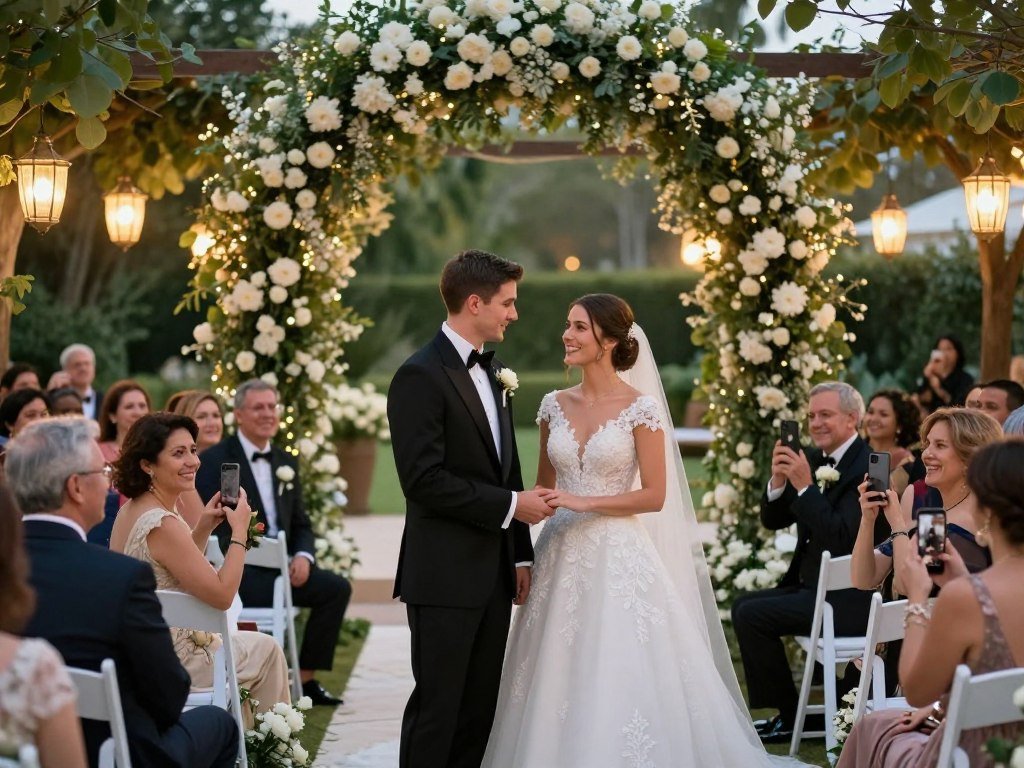
A search for this phrase points to a public wedding ceremony and a debate about the gifts shown, not a private or explicit leak. The clip features Arun Panwar and Dr. Tithi at their wedding, where a large transfer was presented as a gift, or “daan.” Some viewers question whether that label changes how the exchange should be understood.
The words “no leak” matter because viral captions can give ordinary ceremony footage a false, sensational frame. The video is wedding content, not adult material or a leaked private recording. The debate concerns the meaning of the transfer, not whether the ceremony happened.
For people encountering the controversy through a repost, the caption may not explain what the clip shows or what remains disputed. This update separates the ceremony from claims about its legal meaning. The clearest starting point is to separate the ceremony footage from the sensational labels attached to it.
Key Takeaways
- The clip shows a public wedding ceremony, not a private leak or adult content.
- Reports place the wedding in late 2025, not 2026.
- The transfer was described by the couple as “daan” or a gift.
- Online debate asks whether the transfer should be considered dowry.
- A video shows a presentation, but not every conversation around it.
What Does the Arun Panwar Wedding Video 71 Lakh Daan No Leak 2026 Search Refer To?
The phrase refers to ceremony footage associated with Arun Panwar and Dr. Tithi, not a private recording. The clip is public wedding footage, and it is not a leak or adult content. “2026” appears in the update framing around the story, rather than confirming that the wedding took place that year.
Reports place the wedding in late 2025, with the ceremony held on January 30. The search phrase combines the couple’s description of a transfer, a denial of leak claims, and an update year. That mix can make a routine wedding video sound like something it is not.
A ceremony clip can show what happened in front of the camera, but a dramatic caption cannot prove what happened before it.
The wedding-highlight footage and its context center on the presentation during the ceremony. The clip does not become private or explicit content because a post uses the word “leak.” Readers should treat the label as a claim about the video, not a description of its content.
Some reposts may also leave out the original date or setting. That can blur the difference between the wedding itself and a later discussion about it. The “2026” wording signals an update or search context, not a confirmed wedding year.
Who Is YouTuber Arun Panwar?
Arun Panwar is a Haryana-based automotive YouTuber with more than 2.4 million subscribers. His videos focus on vehicles, including cars and related automotive content. His large audience helps explain why a personal wedding clip reached people beyond his regular viewers.
The channel’s reach is part of the context, not proof that every viewer followed the story for the same reason. Some may know the creator from his car videos, while others encountered the wedding through reposts and news coverage. Those different audiences can bring different expectations to a personal event.
A third-party channel profile lists about 2.48 million subscribers and 2.6 billion views as of October 30, 2026, on Arun Panwar’s YouTube statistics page. That audience size gives the ceremony clip a much wider potential reach than a family-only recording. It also means captions can travel far from the original context.
The term “youtuber arun” often points to this automotive creator, rather than to a separate person. His work is distinct from the wedding debate, even though the creator’s public profile helped draw attention to it. His connection to automotive content explains his public profile, while the controversy centers on a separate personal event.

What Does the Wedding Footage Show?
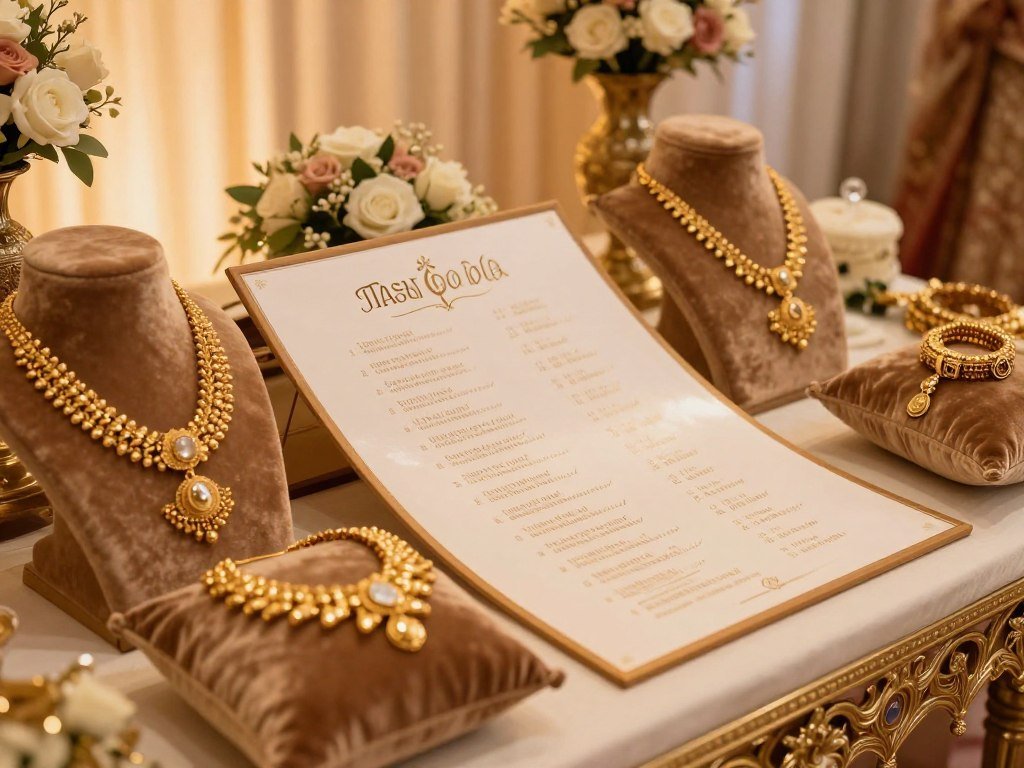
The central reported figures are ₹71 lakh in cash and 21 tolas of gold. The ceremony narration calls the transfer “daan”, and a tola is a traditional unit used to state the weight of gold. The video also names relatives who received gold jewelry, without assigning each person a specific piece or value.
The narration lists the groom, his father, uncle, brothers, mother, sister-in-law, and the bride’s sister among the jewelry recipients. It does not itemize the cash tola gold by relative or give a separate jewelry valuation. The table captures the reported cash tola and gold details without adding figures the narration does not provide.
| Item | Reported amount or detail | Ceremony context |
|---|---|---|
| Cash | ₹71 lakh | Presented as “daan” |
| Gold | 21 tolas | Presented during the ceremony |
| Jewelry | Listed for the named relatives | Narration names recipients but gives no itemized values |
In this account, “cash tola gold” refers to distinct parts of the presentation, not one combined measure. The reported 21 tolas describes gold weight, while the cash amount is stated in rupees. The jewelry list adds names, but it does not provide enough detail to calculate a total value.
That distinction matters when a short clip circulates without its narration. Viewers can identify what the ceremony account reports, but should not infer a separate amount for each relative. The figures describe reported quantities, not a valuation of the gold.
What Did Arun Panwar and Dr. Tithi Say About the Cash?
Panwar and Dr. Tithi say the cash was presented unexpectedly and was not demanded from his family. They describe a surprise during a religious ceremony, rather than a planned request. Those statements are the couple’s account, not a legal finding about the exchange.
Their explanation addresses criticism of the transfer, but it does not settle how a court or authority might assess it. The couple has described the presentation as unexpected. Their statements should remain attributed to them when repeated.

Panwar’s Explanation
Panwar said his family did not demand the money. He also said the amount would not be a large sum for his wife’s family. That comment describes his view of their finances, not a standard that applies to other families.
He has framed the cash as a transfer made by his wife’s family, rather than money requested by his own family. The distinction speaks to what he says happened before the presentation. It does not independently establish every conversation or expectation between the families.
Dr. Tithi’s Account
Dr. Tithi said the presentation came as a surprise to Panwar during a religious ceremony. She has described the money as being presented unexpectedly, rather than as an exchange her husband had arranged in advance. Her account gives a reason the couple uses the word “daan.”
“Daan” can mean a gift or offering, but a label cannot by itself resolve a legal question. The couple’s description explains their position; it does not replace evidence about any expectations or demands. Their comments also do not show what every person at the ceremony knew beforehand.
Panwar’s comment about the amount expresses his view of his wife’s family’s finances, not a general measure of affordability.
Why Did the Wedding Gifts Draw Backlash?
The backlash centers on whether a large, public marriage transfer can be separated from dowry concerns by calling it a gift. The public label became part of the debate, especially as footage circulated on Instagram and X. Reactions were varied, not unanimous.
For some viewers, the concern is less about one family’s account and more about what a public display can suggest to others. The visible scale of a marriage transfer can carry social meaning beyond the people at the ceremony. Three points shaped much of the discussion:
- Some worried that public displays could make extravagant marriage transfers seem normal.
- Others raised concern that a large exchange could create indirect pressure on families.
- Viewers disagreed on whether “daan” or “gift” changes how the transfer should be understood.
The argument about the word “gift” reflects a wider question: do labels change the meaning of a transfer, or do its circumstances matter more? People may read the same footage differently based on family customs, personal experience, or views on marriage costs. That range of responses helps explain why the clip drew both criticism and defense.
Online discussion is not a single verdict. A post that attracts attention can make one reaction look more widespread than it is, especially when it is shared without context. Online criticism reflects a social debate, not a determination of what either family intended.
What Does India’s Dowry Prohibition Act Say About Wedding Gifts?
Indian law prohibits dowry, while the distinction for a wedding transfer turns on its connection to marriage and whether it was demanded. The label alone is not enough to decide whether an exchange qualifies as dowry. The Dowry Prohibition Act, 1961 covers property or valuable security given directly or indirectly in connection with marriage.
The law’s definition focuses on the link between a transfer and a marriage. That makes the circumstances important, including whether someone asked for or expected the property. The word “gift” does not, on its own, resolve the legal question.
How the Act Defines Dowry
The Act prohibits giving, taking, or demanding dowry. It treats property or valuable security as dowry when given directly or indirectly in connection with a marriage. The Dowry Prohibition Act text sets out that definition and the rules for certain wedding presents.
A marriage connection is central to the definition. A transfer made in the context of a wedding may raise questions, but the facts still matter. Calling the transfer a present does not erase that connection or prove that it meets the legal test.
When a Voluntary Gift Is Different
The Act allows certain wedding presents when they are made without demand and entered in a list. Presents from or on behalf of the bride must also be customary and not excessive compared with the giver’s financial status. These points help frame the legal distinction:
- Whether anyone made a demand or created an expectation.
- Whether the transfer was connected with the marriage.
- Whether a voluntary gift was documented and suited the giver’s financial status.
A written list can help record wedding presents, but it does not settle every question by itself. The circumstances and the giver’s means still matter under the rules. “Gift” is a description, not a legal shield that decides how a transfer is classified.
The general test can explain why viewers debate the case, but it cannot decide the case from a clip. A case-specific legal conclusion belongs with an Indian lawyer or competent authority, not a reading of a short clip.
What Is Confirmed About the Video and Legal Status?
A short clip can show a presentation, but it cannot establish the conversations or legal findings surrounding it. Footage has limits: it records what enters the frame, not what families discussed beforehand. As of October 24, 2026, no court or official finding had established that the exchange was dowry.
The video may help show how the presentation looked during the ceremony. It cannot, by itself, prove whether anyone made a demand, what expectations existed, or how the transfer should be classified under Indian law.
A video can document a moment, but legal status depends on evidence beyond the moment shown.
New posts may attach a fresh caption to the same footage, or make a claim about official action. A simple three-step check can help separate the clip from those claims:
- Identify the original uploader and the date attached to the first post.
- Separate what appears in the footage from what the caption alleges.
- Check any claim of legal action against an official record.
A reverse image search can help find earlier versions or captions, though a match is only a clue. This guide to checking image context explains why a tool’s result should not stand alone as proof. The same care applies when a still or cropped clip appears without its original post.
Readers in the United States should not assume that U.S. legal rules determine the status of a ceremony in India.
Conclusion
The key takeaway is to keep what the footage shows separate from what its legal meaning may be. The couple calls the transfer “daan” or a gift, while the public debate asks whether its circumstances raise dowry concerns. Neither a viral caption nor a brief clip can settle that legal question.
That distinction matters when a familiar video appears with a new claim attached. A fresh repost may change the framing without adding evidence. Before sharing a new allegation, check whether an official record identifies the case and its status.
FAQ
How many grams are in one tola of gold?
One tola is about 11.66 grams, so 21 tolas is roughly 245 grams. The conversion is approximate because a tola is a traditional unit, while grams use the metric system. The reported weight describes gold quantity, not its price or the value of jewelry made from it. Jewelry value also depends on the items and their gold content.
Does the video identify the individual who supplied the ₹71 lakh?
No, the ceremony account presents the cash as coming from the wife’s family but does not identify one specific person as its supplier. It would be inaccurate to assign the amount to Dr. Tithi, a parent, or another relative without clear evidence. A family-level description does not establish who provided or carried the money.
Did the narration assign a specific jewelry item to each relative?
No, the narration names relatives who received jewelry but does not give an item-by-item allocation or valuation. The list includes the groom and several members of both families, but it does not say which person received a particular necklace, bracelet, or other piece. It also gives no separate price for each recipient’s jewelry.
Is “daan” a separate legal category under the Dowry Prohibition Act?
No, “daan” is not a separate legal category that decides whether a transfer is dowry. The law focuses on the transfer’s connection with marriage and the circumstances around it, including any demand or expectation. Calling something a gift may describe how a family views it, but the label alone does not settle its legal status.
Does the “2026” in the search phrase mean the wedding happened in 2026?
No, reports place the wedding in late 2025, while “2026” can refer to an update or search framing. The year in a headline or search phrase does not by itself establish the date of the ceremony. The reported wedding date was January 30, in a wedding reports place in late 2025.
What should readers check before sharing a viral version of the clip?
Check the original uploader and date, separate what appears in the footage from what its caption claims, and verify legal claims against an official record. Reposts can crop out context or attach new wording to older footage. A reverse image search may find earlier versions, but a match is a clue, not proof of a claim.