
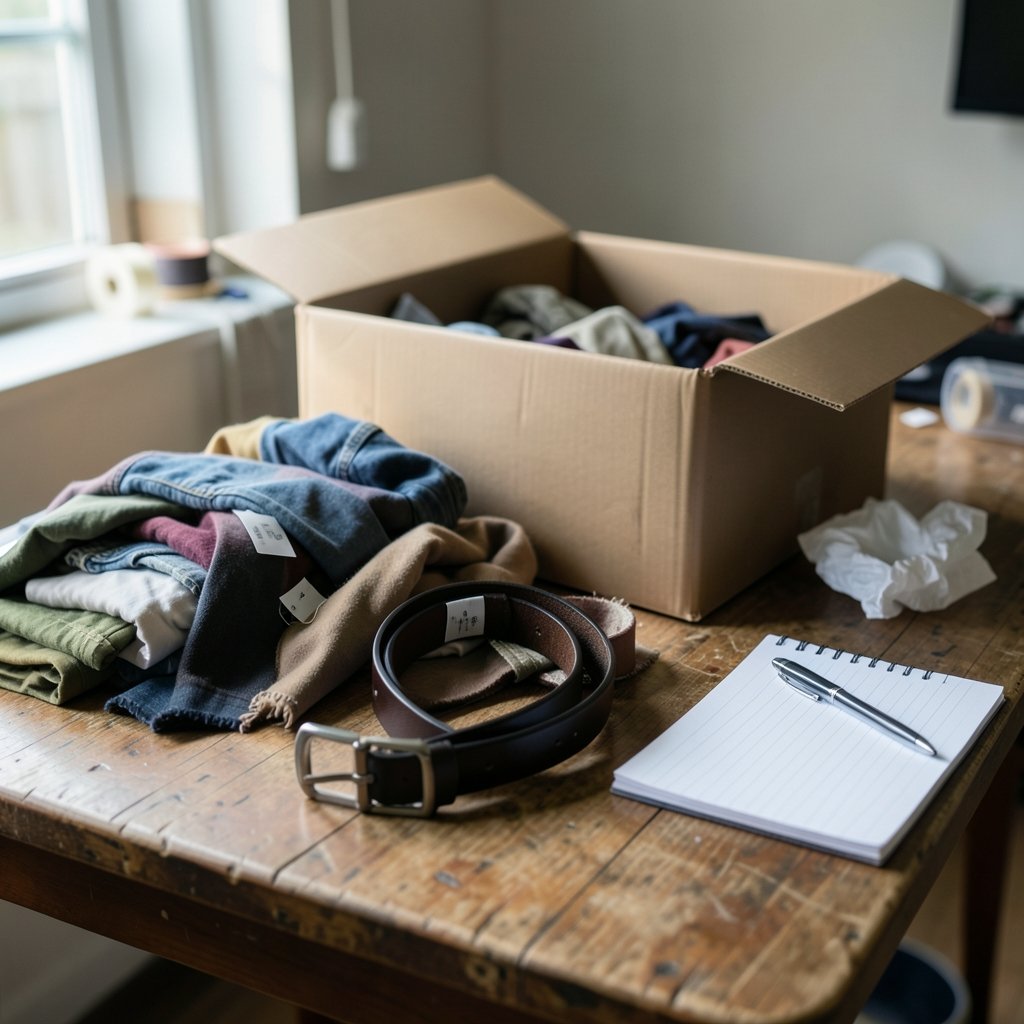
A designer mystery box promises a surprise bundle of fashion items for one flat price. Sometimes it delivers a genuine bargain. Sometimes it delivers a warehouse of unsellable leftovers. So how do you tell which one you’re buying before you hand over your money?
That question matters more than most shoppers realize. The “mystery box” format has exploded across resale apps, social media storefronts, and independent fashion shops. It borrows the thrill of a blind box and attaches it to luxury branding. The result is a product category that is exciting, confusing, and occasionally deceptive all at once. This guide breaks down how these boxes work, what the law says about the claims sellers make, and the practical checks that separate a fun gamble from a costly mistake.
What Is a Designer Mystery Box?
A designer mystery box is a prepackaged bundle of fashion items sold without disclosing the exact contents. The buyer knows the price, the rough category (clothing, accessories, or both), and sometimes a promised value. They do not know the specific brands or pieces until the box arrives.
The term covers two very different products, and mixing them up is the first mistake shoppers make:
| Box type | What’s inside | Typical price | Main risk |
|---|---|---|---|
| Authenticated resale bundle | Pre-owned or surplus items from named designer brands, often with condition notes | Higher | Value may not match the hype |
| Novelty or blind box | Unbranded or “inspired” items, sometimes randomized | Lower | Items may not be designer goods at all |
The first type sits in the resale and consignment world. A seller clears excess inventory by grouping items into themed boxes. The second type borrows designer aesthetics without designer goods. Both get marketed with the same language, which is why transparency is the single most important thing to look for.
Why the Format Appeals to Buyers and Sellers
The appeal is easy to understand. Buyers get the dopamine hit of unboxing plus the hope of a deal. Sellers get to move slow inventory without discounting individual pieces to the bone. It is a clever model, and it works because uncertainty itself has value.
There is a real psychological pull here. Randomized rewards trigger the same anticipation as a scratch card, and fashion resale has leaned into that feeling hard. The format also solves a genuine problem for sellers: mixed inventory that would take months to list item by item can move in a single transaction.
But the incentives are not aligned. The seller knows what is in the box. The buyer does not. Whenever that gap exists, the burden of honesty falls on marketing claims, and marketing claims are exactly where things go wrong.
The Legal Reality Behind “Guaranteed Value” Claims
Many listings promise a box “worth $500” or “guaranteed to include at least one designer item.” Those claims go beyond marketing fluff. In the United States, the Federal Trade Commission treats deceptive advertising as a legal problem, and vague value claims that cannot be substantiated are a classic example. A seller who invents retail values to make a box look generous is on shaky ground. (Advertising FAQs: A Guide for Small Business)
The same principle applies in the UK and EU, where consumer protection rules target misleading commercial practices. Distance-selling rules also typically give buyers a cooling-off period on online purchases, though the picture gets murky when a product is customized or clearly sold as a randomized gamble. Buyers should check the seller’s stated returns policy before assuming they can send a disappointing box back.
The practical takeaway: a value claim is only as good as the seller’s willingness to define it. “Worth $500” means nothing. “Contains items with a combined original retail price of at least $500, based on brand tags” is a claim you can actually test when the box arrives.
How to Vet a Seller Before You Buy
Most bad mystery box experiences trace back to a seller nobody checked. A few minutes of research prevents most of them.
- Read the fine print on contents. Look for a stated number of items, a brand list, or a minimum value definition. Vague language like “amazing designer pieces” is a warning sign.
- Check the returns policy. If the listing says “no returns, final sale,” treat the purchase as a gamble, not a purchase.
- Look for proof of authentication. Reputable resellers usually describe how they verify items. Silence on this point is telling.
- Search the seller’s name plus the word “review.” Mystery box complaints tend to cluster. One unhappy buyer is noise. A pattern is a signal.
- Start small. Buy the cheapest box first. A seller’s cheapest box tells you more about their standards than their most expensive one.
A useful habit: screenshot the listing before buying. If the contents arrive and the description has quietly changed, you have a record. Platforms tend to side with buyers who can show what was promised.
Red Flags That Signal a Bad Box
Experienced resale shoppers tend to spot the same warning signs over and over. Watch for these:
- No item count. “Several items” can mean two.
- Inflated retail values. A no-name scarf is not “worth $200” because a seller says so.
- Stock photos of luxury goods with no photos of actual box contents.
- Pressure tactics. Countdown timers and “only 3 left” banners on a product the seller can make endlessly.
- Brand names used loosely. “Designer-inspired” and “designer-style” mean the items are not from the brand you are picturing.
- No physical address or business details. Legitimate shops publish them.
One more subtle flag: boxes priced suspiciously close to the claimed value of their contents. If a box costs $150 and claims $400 of designer goods, ask yourself why the seller would not simply sell those goods for $400. The answer is usually that the goods are not worth $400.
What Buyers Usually Find Inside
Realistic expectations matter here. Authenticated resale boxes tend to contain a mix of past-season items, sample pieces, and accessories that did not sell individually. Condition varies. Some pieces arrive new with tags; others show wear. Boxes built around a single brand often include that brand’s less popular sizes and colorways.
Novelty boxes are a different story. Buyers frequently report receiving unbranded accessories, low-cost jewelry, and clothing that fits the “aesthetic” but not the label. That is not necessarily fraud if the listing never promised specific brands. It is a mismatch between what the buyer imagined and what the words actually said.
The pattern is consistent: the box is only as good as its description. Sellers who describe contents precisely tend to deliver precisely. Sellers who trade in vibes tend to deliver vibes.
The Unboxing Economy and Social Proof
Part of what fuels this category is the unboxing video. A dramatic reveal makes great content, and great content sells boxes. But unboxing videos deserve skepticism. Sellers can curate which boxes get filmed. A creator who received a generous box may have been sent a promotional one, not a random order.
Watching several unboxing videos from different buyers is more useful than watching one viral clip. Look for videos that show the shipping label, the order confirmation, and the actual contents without cuts. Those are harder to stage.
The broader lesson connects to how visual marketing shapes buying decisions across the design world. The same techniques that make a room look bigger in a listing photo make a mystery box look more valuable than it is. If you have ever wondered how AI interior design tools create flattering mockups, you already understand the principle: presentation is a skill, and sellers use it.
Mystery Boxes vs. Buying Secondhand Directly
Is a mystery box ever the smarter buy? Sometimes, but the comparison is worth making explicitly.
| Approach | Control over what you get | Potential savings | Effort |
|---|---|---|---|
| Mystery box | None | High if the seller is honest | Low |
| Buying specific secondhand pieces | Full | Moderate | Medium |
| Buying new | Full | None | Low |
The mystery box wins on effort and occasionally on price. It loses on control. If you need a specific item for a specific event, a box is the wrong tool. If you enjoy fashion as a hobby and can absorb a dud, the format can be fun.
A middle path works well for many shoppers: buy one box to sample a seller’s inventory, then buy specific pieces from that seller once you trust them. You get the thrill once and the control afterward.
Where Design Skills Fit In
Here is an angle most buyers never consider. The value of a mystery box depends heavily on what you can do with what arrives. A box full of odd pieces is a liability to someone with no styling sense and an opportunity to someone who can restyle, tailor, or rework items.
That is why creative skills change the math. Someone comfortable editing product photos can resell unwanted pieces more effectively. Someone who understands mockups can preview how an item will look before listing it. AI mockup generator tools make that resale process faster, which turns a disappointing box into a smaller loss. The same logic applies to beginners learning visual software through accessible AI graphic design tools: the skill compounds, and the box becomes raw material rather than a dead end. (What is feature sliced design in software development)
None of this rescues a genuinely deceptive seller. But it does explain why some buyers consistently come out ahead on mystery boxes while others feel burned. The box is only half the transaction. The other half is what the buyer does next.
Building a Smarter Buying Strategy
If you want to try the format without regret, treat it like any other speculative purchase. Set a budget you can lose entirely. Buy from sellers with written content policies. Photograph everything on arrival. And keep a simple record of what each box actually contained versus what was promised.
That record does two things. It protects you if you need to open a dispute. It also builds real data about which sellers deliver. After three or four boxes, patterns become obvious, and you stop guessing.
For buyers who also collect or resell, the same discipline applies to sourcing generally. Whether you are commissioning home addition contractors for a renovation or picking a mystery box seller, the vetting process is identical: verify claims, check references, and get the scope in writing. The stakes differ, but the method does not.
Conclusion
The designer mystery box is neither a scam nor a sure thing. It is a format, and like any format it inherits the ethics of whoever uses it. Buyers who read the fine print, verify value claims, and start with small purchases tend to enjoy the experience. Buyers who chase the biggest promised discount tend to write the angry reviews.
The smartest approach is simple. Treat the box as entertainment with a budget, not as a shortcut to luxury. Demand specifics before you pay. And remember that a seller who cannot describe what is in the box in plain language probably does not want you to know.
Frequently Asked Questions
Are designer mystery boxes legit?

Some are, some are not. Legitimate boxes come from resellers with clear content policies, stated item counts, and authentication practices. Illegitimate ones rely on vague promises and inflated retail values. The difference is almost always visible in the listing text before you buy.
Can I get my money back if the box is disappointing?
It depends on the seller’s stated policy and where you live. Many mystery box listings are final sale, which limits your options. If the contents materially differ from the description, consumer protection rules against misleading advertising may still apply, so keep screenshots of the original listing.
How do I know if a “worth $500” claim is real?
You usually cannot verify it in advance. A credible seller defines how the value was calculated, such as combined original retail price based on brand tags. If the listing just states a number with no method, treat the claim as marketing rather than fact.
What is the difference between a designer mystery box and a blind box?
A blind box typically contains one randomized item, often a collectible figure or accessory, and the randomness is the product. A designer mystery box usually contains multiple fashion items and leans on brand names and resale value. The legal and practical risks differ because the value claims are bigger.
Is it worth buying a mystery box to resell the contents?
Rarely as a primary strategy. Resale margins depend on knowing exactly what you have and what it sells for. A mystery box removes that certainty. It can work as a low-cost way to source inventory, but only if you can accurately price and photograph what arrives.
How many items should a good mystery box contain?
There is no standard, which is exactly why the listing should state a number. A box that promises “several items” could contain two. A box that promises “at least five pieces, including one outerwear item” gives you something to hold the seller to.



