

Can a budget laptop really be worth waiting for? That is the question hanging over the Lenovo Xiaoxin 14 SE, a thin-and-light model from Lenovo’s China-market lineup, and its rumored pairing with an Intel platform codenamed Wildcat Lake. Neither the exact SKU nor the chip has been confirmed in any way that a careful buyer can rely on. That makes this a story about how to read the rumor cycle, not a spec sheet. (Lenovo)
What follows separates what is reasonably solid from what is speculation, explains why this pairing matters if it happens, and shows how to judge the machine on the day it actually ships.
What the Xiaoxin 14 SE Actually Is
Lenovo sells laptops under several brand families that shift by region. In China, Xiaoxin is the name used for consumer notebooks that international buyers would recognize as IdeaPad-class machines. The naming has been stable for years: Xiaoxin covers mainstream and budget thin-and-lights, while Legion covers gaming and ThinkBook covers small-business designs.
The “14” in the name signals a 14-inch display, the most common size for value-focused laptops because it balances screen area against weight and cost. The “SE” suffix, used across Lenovo’s Chinese catalog, generally marks a trimmed variant: fewer ports, a simpler chassis, or a lower-tier panel compared with the standard model.
That is where the certainty ends. A specific Xiaoxin 14 SE configuration, with confirmed specifications and a launch date, is not something that can be verified from reliable sources. Buyers should treat any detailed spec list circulating online as unconfirmed until Lenovo’s own product pages show it.
What “Wildcat Lake” Refers To
Wildcat Lake is an Intel codename associated with a rumored entry-tier client platform, positioned below the company’s mainstream mobile chips. Intel has a long history of using lake-themed codenames for processor generations, and the pattern is well documented in public references to Intel processor generations.
The important caveat: knowledge of Wildcat Lake is thin. Core counts, graphics configuration, launch timing, and which laptop makers will adopt it are all unverified. Treat any claim of a fixed specification as a rumor, not a fact.
What can be said with confidence is the strategic logic. Budget notebook platforms exist to hit price points, and Intel has repeatedly refreshed low-cost silicon to keep OEMs from switching to alternatives. If Wildcat Lake is real, its job is almost certainly the same: give manufacturers like Lenovo a cost-effective part for high-volume, low-margin machines.
Why This Pairing Would Matter
If a Xiaoxin 14 SE with Wildcat Lake does appear, it would sit in one of the most competitive segments in computing. Budget 14-inch laptops are the default purchase for students, office workers, and families, and the platform choice inside them shapes everything from battery life to how long the machine stays useful.
Three things would determine whether the combination works:
- Price positioning. An entry-tier platform only makes sense if it lands the finished laptop at a genuinely low price. A cheap chip in an expensive chassis defeats the purpose.
- Efficiency over raw speed. Budget buyers care more about battery life and fan noise than benchmark scores. A platform tuned for low power draw is more valuable here than one tuned for peak performance.
- Platform longevity. A laptop bought in 2026 should still receive security updates and driver support years later. That depends on Intel’s support commitment as much as on Lenovo’s.
The broader PC market adds context. Chip vendors are under pressure across desktop and mobile segments, and pricing pressure at the low end is intense. Coverage of recent market moves, such as the Intel and AMD stock slide tied to Nvidia’s PC chip ambitions, shows how quickly competitive dynamics can reshape what gets built and what gets cancelled. (Intel Processors Overview)
A Realistic Spec Expectation Table
The table below separates what is typical for this class of laptop from what remains unknown. Nothing in the “unknown” column should be filled in from a leak and treated as settled.
| Component | Typical for a budget 14-inch thin-and-light | Status for this rumored model |
|---|---|---|
| Processor | Entry-tier Intel mobile platform | Unconfirmed; Wildcat Lake is a rumor |
| Memory | 8GB to 16GB | Unconfirmed |
| Storage | 256GB to 512GB SSD | Unconfirmed |
| Display | 14-inch, often 1920×1200 or 1920×1080 | Unconfirmed |
| Chassis | Plastic or aluminum-look plastic | Unconfirmed |
| Ports | Two USB-A, USB-C, HDMI, audio jack | Unconfirmed |
| Launch window | Varies by region | No verified date |
The honest takeaway from that table is that almost everything is open. Anyone presenting a complete spec sheet with confidence is guessing.
How to Evaluate the Claim Without Getting Burned
Rumors about unannounced laptops follow a predictable pattern, and knowing the pattern saves money. Here is a practical order of operations for anyone tempted by the hype.
- Check the manufacturer’s own regional site first. Lenovo’s China product pages are the primary source for Xiaoxin model names and specifications. If a model is not listed there, it has not launched.
- Check the chip vendor’s official product database. Intel’s public product listings are the authoritative source for whether a codename has become a shipping product.
- Treat leaks as leads, not facts. A leaked benchmark or retail listing is a signal that something may exist. It is not a specification.
- Wait for independent reviews of retail units. Early hands-on coverage often uses pre-production hardware with different firmware.
- Compare against what is actually on sale today. A rumored machine is only worth waiting for if it beats current options on price or battery life, not on a codename.
Common Mistakes Buyers Make
The most frequent error is buying on a codename. A processor family name tells you almost nothing about a specific laptop’s performance, because the same chip can be configured very differently depending on the chassis and cooling.
The second mistake is assuming regional models will travel. Xiaoxin is a China-market brand. Even when a model is real, the international equivalent may ship under a different name with different components. Buyers importing a laptop should check warranty coverage before ordering, since cross-border service is often limited.
The third mistake is overweighting the processor and ignoring the rest. On a budget machine, the display, keyboard, and battery often matter more to daily satisfaction than a small difference in chip performance. A mediocre panel will bother you every day; a slightly slower processor usually will not.
The Software and Support Side
Hardware gets the headlines, but the experience of owning a budget laptop is shaped heavily by software support. Buyers should ask how long the machine will receive driver updates and security patches, and whether the manufacturer has a track record of timely releases in their region.
This matters more than it used to. Platform-level changes at the operating system and silicon level now determine which features a laptop can use. Coverage of how vendors handle data and advertising safeguards, such as the debate around Google’s Gmail and Photos AI data and ad safeguards, is a reminder that the software layer is now part of the product, not an afterthought.
For buyers comparing machines across price tiers, it also helps to understand how the underlying data platforms behind retail and support systems work. Even a general overview of data warehouse options like Redshift, Snowflake, and BigQuery illustrates how much of the modern tech stack is invisible to the end user but still shapes reliability and pricing.
Where This Fits in the Wider 2026 Picture
The 2026 laptop market is being pulled in several directions at once. On one side, premium hardware keeps pushing into new form factors, with devices like the Acer Predator Atlas 7 with Intel Arc G3 Extreme showing how much performance manufacturers can now pack into portable designs. On the other, budget buyers are being courted with cheaper platforms and simpler configurations.
That split is healthy. Not every buyer needs a high-end machine, and a well-executed budget laptop can last four or five years for typical work. The question is whether an entry-tier Intel platform can deliver that longevity without cutting corners on the things that matter.
There is also a platform-ecosystem angle. Apple’s continued disputes over App Store fees, including the Supreme Court case over the 27 percent App Store fee, show how much value now sits in software ecosystems rather than hardware alone. A budget Windows laptop benefits from a vast software library, which partly offsets weaker hardware.
Meanwhile, the boundaries between product categories keep blurring. Companies like Tesla have restructured their public messaging around multiple hardware bets at once, as covered in reporting on Tesla’s robotaxi, Semi, and Roadster hardware strategy. The lesson for laptop buyers is the same one that applies to any technology purchase: judge the shipping product, not the roadmap.
Security and trust also belong in the conversation. High-profile incidents such as the Navigate360 breach affecting millions of crime tips underline why long-term software support on a cheap laptop is not a luxury. A machine that stops receiving patches becomes a liability.
What Would Make This Laptop Worth Buying
If a Xiaoxin 14 SE with Wildcat Lake does reach shelves, here is the checklist that would separate a good value from a false economy.
- A confirmed price that undercuts comparable machines. The whole point of an entry-tier platform is savings that reach the buyer.
- Battery life measured in a full working day. Real-world reviews, not manufacturer claims.
- A display that is comfortable for text. Resolution matters less than brightness and panel quality at this price.
- Upgradeable memory and storage where possible. Soldered components shorten useful life.
- A clear support commitment. Drivers and firmware updates for a defined number of years.
- Availability through normal retail channels. Gray-market imports carry warranty risk.
Buyers who apply that list will make a good decision whether or not this particular model ever exists. That is the useful part of following rumors: the discipline transfers.
Conclusion
The Lenovo Xiaoxin 14 SE paired with Intel Wildcat Lake is a plausible idea built on two thin foundations. The Xiaoxin brand is real and the 14-inch budget segment is real, but a specific SE model with that chip has not been verified, and Wildcat Lake itself remains a rumor with no confirmed specifications or launch date.
The right posture is patient curiosity. Watch Lenovo’s China product pages and Intel’s official listings, treat leaks as leads, and judge the machine on price, battery life, display quality, and support once retail units reach reviewers. If the pairing does arrive and hits the right price, it could be a genuinely good budget buy. Until then, the smart move is to keep your money in your pocket and your expectations calibrated.
Frequently Asked Questions
Is the Lenovo Xiaoxin 14 SE with Wildcat Lake confirmed?
No. The Xiaoxin brand and the 14-inch budget segment are well established, but a specific Xiaoxin 14 SE configuration with an Intel Wildcat Lake processor has not been verified through official sources. Treat detailed spec lists as unconfirmed until Lenovo publishes them.
What is Intel Wildcat Lake?
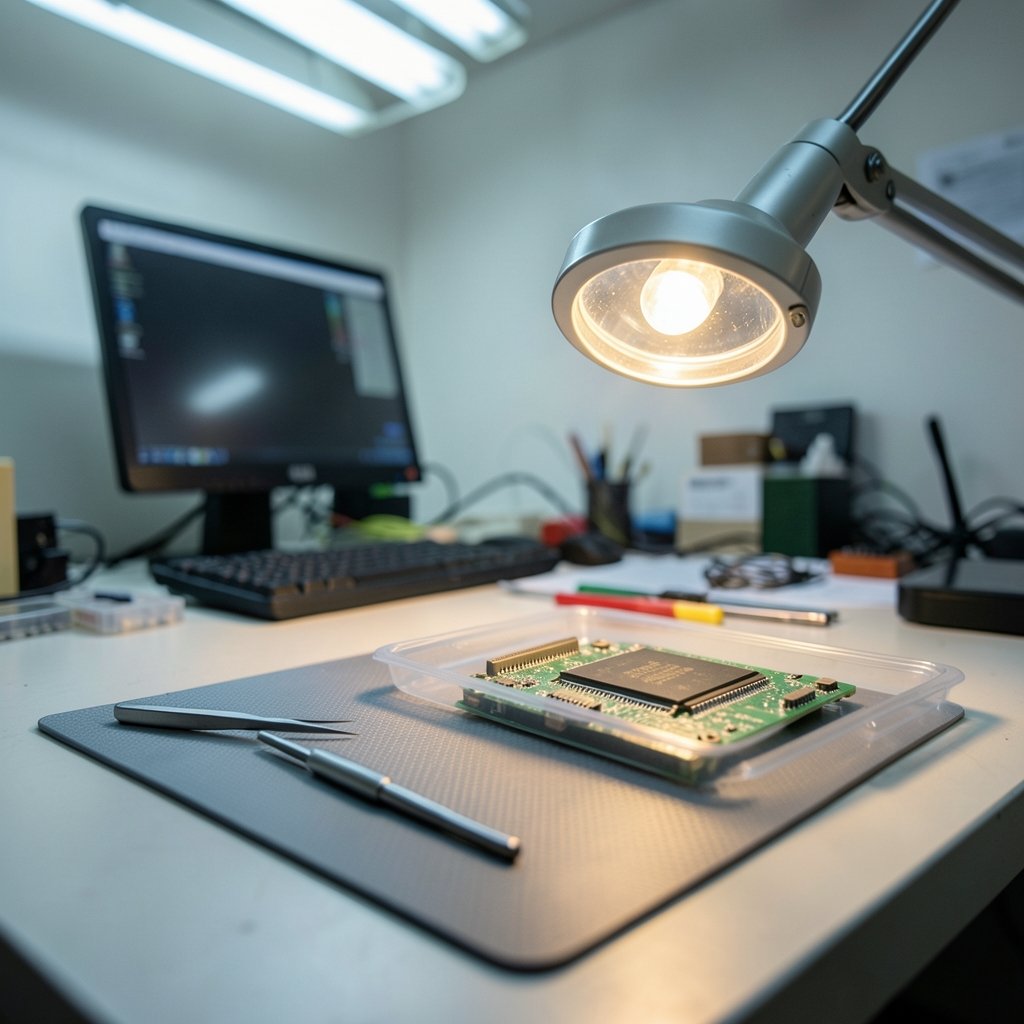
Wildcat Lake is an Intel codename associated with a rumored entry-tier client platform positioned below mainstream mobile chips. Details such as core counts, graphics configuration, and launch timing are unverified and should not be treated as fact.
Will the Xiaoxin 14 SE be sold outside China?
Xiaoxin is a China-market brand. Even when a model is real, international buyers usually see an equivalent design under a different name, sometimes with different components. Anyone considering an import should check warranty coverage first, because cross-border service is often limited.
How much should a laptop like this cost?
There is no verified price. As a general rule, an entry-tier platform only makes sense if the finished laptop clearly undercuts comparable machines. If the price is close to a mainstream model with a better display or longer support, the budget option is not worth it.
When will this laptop be announced?
No verified launch date exists. Product announcements in this segment typically appear first on the manufacturer’s regional site, followed by retail listings. Following those two sources is more reliable than watching rumor threads.
Should I wait for it or buy a laptop now?
Wait only if you can afford to and if the rumored machine would clearly beat what is on sale today. If you need a laptop in the next few weeks, buy a reviewed model with a known support commitment. A codename is not a reason to delay a purchase.



