

What do a hacked software update, a counterfeit aircraft bolt, and a delayed shipment of microchips have in common? They are all supply chain security failures. That phrase gets thrown around a lot, and it means two different things depending on who is talking. This beginner’s guide untangles both meanings, shows where the real risks sit, and gives you practical steps that actually work.
What Supply Chain Security Actually Means
Supply chain security protects everything that flows into a product or service before it reaches the end user. That includes physical goods, software components, data, and the people and vendors involved along the way.
Here is where beginners get stuck. Supply chain security splits into two distinct tracks: (Best ukulele for beginners)
| Track | What it protects | Typical threats | Who owns it |
|---|---|---|---|
| Physical supply chain | Goods, parts, logistics, inventory | Theft, counterfeits, tampering, disruption | Logistics and procurement teams |
| Digital/software supply chain | Code, dependencies, updates, vendor systems | Malicious code, hidden vulnerabilities, compromised vendors | IT, security, and engineering teams |
These are not the same problem, and they are not solved by the same people. U.S. Executive Order 14017, “America’s Supply Chains,” focuses on physical and industrial supply chains. Executive Order 14028, “Improving the Nation’s Cybersecurity,” focuses on software. Mixing them up is one of the most common beginner mistakes, and it leads to buying the wrong controls.
For most readers searching this topic today, the digital side is the pressing concern. So that is where this guide leans, while keeping the physical picture in view.
Why This Suddenly Matters to Everyone
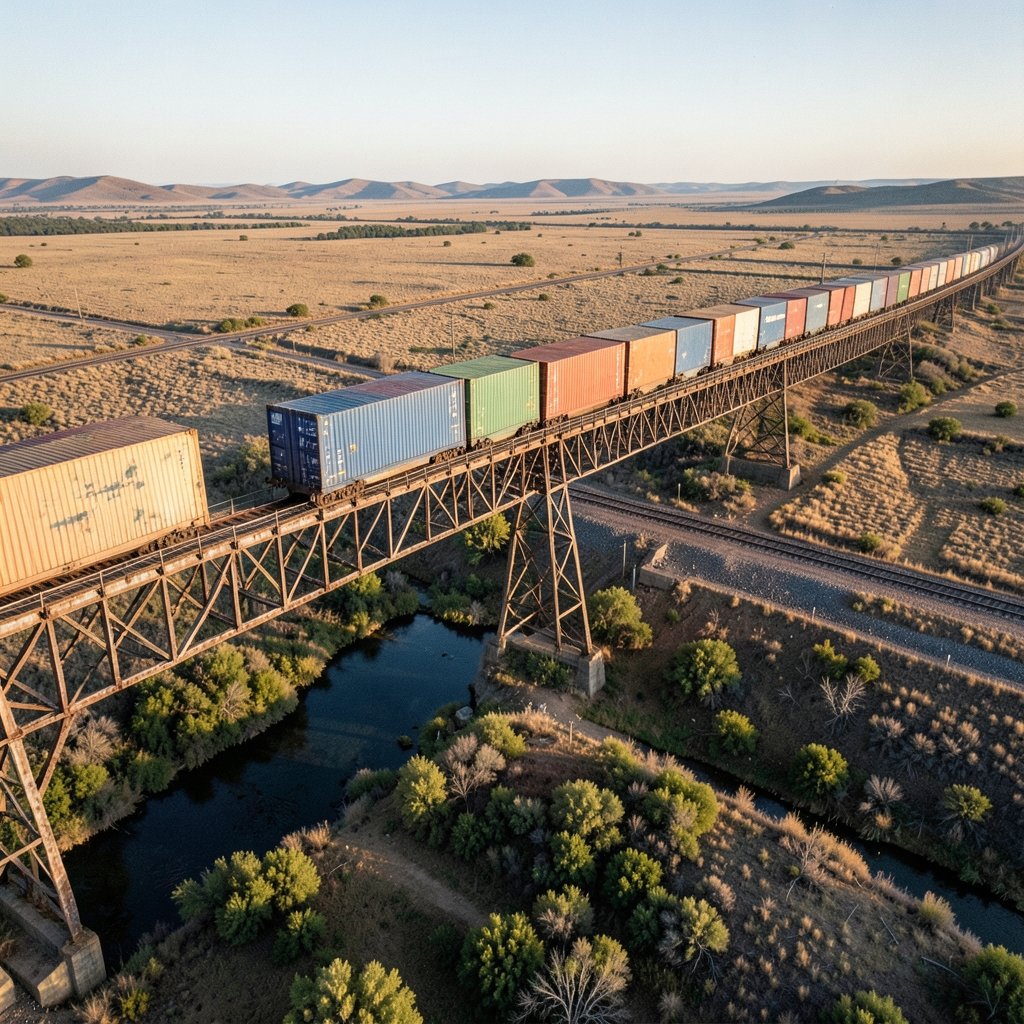
Supply chains got longer, more global, and more specialized over the past three decades. Companies stopped making everything in-house and started assembling products from parts and code built by dozens of suppliers. That efficiency came with a hidden cost: you inherit the security posture of every vendor you depend on.
The SolarWinds Orion compromise, disclosed in December 2020, made this concrete for the entire industry. Attackers inserted malicious code into legitimate software updates, and the U.S. Cybersecurity and Infrastructure Security Agency responded with Emergency Directive 21-01. Organizations that had done nothing wrong still found themselves compromised, because they trusted a vendor’s update pipeline.
The XZ Utils backdoor, tracked as CVE-2024-3094 and disclosed in March 2024, pushed the lesson further. A widely used open-source compression library turned out to have been quietly compromised at the maintainer level. Many teams had never heard of the library, yet it sat deep inside their systems.
That is the uncomfortable truth of supply chain risk: the component you have never audited is often the one that hurts you. It is the same principle that makes people think carefully about which home security systems they trust with their front door, or which internet security suite they install on a family laptop. Trust has to be earned and verified, not assumed. (How much social security will i get at 62)
The Main Threats, Explained Simply
Beginners do not need a threat encyclopedia. They need to recognize the handful of patterns that show up again and again.
Compromised software updates
If attackers can push code through a vendor’s update channel, they bypass almost every perimeter defense. This is the SolarWinds pattern, and it remains the highest-impact software supply chain risk.
Hidden dependencies
Modern applications pull in hundreds of open-source libraries, which pull in more libraries. Log4Shell (CVE-2021-44228, disclosed December 2021) showed how a single vulnerable logging library buried in millions of systems could become a global emergency overnight.
Counterfeit and tampered goods
On the physical side, fake components and tampered shipments are persistent problems, especially in electronics and aerospace. If you cannot trace where a part came from, you cannot trust it.
Vendor and third-party access
Every contractor, cloud provider, and SaaS tool with access to your data is part of your supply chain. Weak security at a small vendor can become your breach.
Maintainer and insider risk
The XZ Utils case showed that trust in a project’s maintainers is itself an attack surface. Open source is not automatically safer; it is differently exposed.
The Frameworks Worth Knowing (and What They Are Not)
You will encounter a wall of acronyms. Here is the short version that keeps beginners oriented.
NIST SP 800-218, the Secure Software Development Framework (SSDF) Version 1.1, lays out voluntary practices for building software with fewer vulnerabilities. NIST SP 800-161r1 covers cybersecurity supply chain risk management more broadly. The NTIA minimum elements for an SBOM, published in July 2021, define what a Software Bill of Materials should contain: supplier, component name, version, unique identifiers, dependency relationships, author, and timestamp.
An SBOM is essentially an ingredient list for software. When Log4Shell hit, organizations with an SBOM could answer “are we affected?” in hours. Organizations without one spent weeks guessing.
One critical caveat: these U.S. frameworks are largely voluntary. They are not legal requirements, and treating them as such causes confusion. The binding rules live elsewhere. The EU Cyber Resilience Act, Regulation (EU) 2024/2847, entered into force in December 2024, with main obligations applying from December 2027.
NIST’s Cybersecurity Framework 2.0, released in February 2024, folded supply chain risk management into its new “Govern” function, which signals that this is now a board-level concern rather than a technical afterthought.
Practical Steps That Actually Work
Theory is cheap. Here is what tends to hold up in practice, ordered from easiest to hardest.
- Inventory your vendors. Write down every supplier, SaaS tool, and open-source component that touches sensitive data or production systems. Most teams discover they have far more than they thought.
- Ask vendors the uncomfortable questions. Do they produce an SBOM? How do they handle vulnerability disclosure? Who has administrative access? A vendor that cannot answer is a finding in itself.
- Generate an SBOM for your own software. Start with one product, not the whole portfolio. Tools exist; the hard part is the process, not the technology.
- Track known vulnerabilities continuously. CVE feeds and dependency scanners are table stakes. The goal is knowing within a day, not a quarter.
- Limit third-party access ruthlessly. Least privilege applies to vendors as much as employees. Review who still has access after projects end.
- Segment your network. If a vendor’s tool is compromised, segmentation limits how far the damage spreads.
- Write a supplier incident plan. When a vendor gets breached, you need a playbook before the phone rings, not during.
Common mistakes beginners make
The biggest one is treating supply chain security as a one-time audit. It is a continuous process, because your vendor list and your dependency tree change constantly. The second is chasing tools before process. Buying an SBOM platform before anyone owns the vendor inventory produces expensive dashboards nobody reads. The third is ignoring the boring vendors. Small vendors with weak security are frequently the easiest path in, and they rarely appear on anyone’s risk register.
If you are building a broader security stack at home or at a small business, the same logic applies: verify what you install, know who made it, and keep it updated. Guides like the best internet security in Australia roundup follow that principle, and so should your vendor decisions.
Where Beginners Should Focus First
If you only do three things this quarter, do these. First, build the vendor inventory and rank suppliers by how much access they have. Second, get an SBOM for your most business-critical application. Third, set up continuous vulnerability monitoring for your dependencies.
Everything else can wait. The teams that handle supply chain incidents well are rarely the ones with the most tools. They are the ones who knew what they depended on before the incident started.
Curiosity about adjacent topics helps too. A beginner who has read a practical guide to AI video generators from images already understands a key supply chain lesson: the output is only as trustworthy as the model and data behind it. The same instinct applies to software components and physical parts.
Conclusion
Supply chain security is not a product you buy or a checkbox you tick. It is the discipline of knowing what you depend on, verifying that those dependencies are trustworthy, and limiting the damage when one of them fails. Start with the physical and digital tracks separated in your mind. Then build the vendor inventory, demand transparency through SBOMs, and monitor continuously. The SolarWinds and XZ Utils incidents were not caused by careless victims. They were caused by invisible dependencies. Making yours visible is the whole job.
FAQ
What is supply chain security in simple terms?
It is the practice of protecting everything that flows into your product or service before it reaches you. That covers physical parts and shipments as well as software components, updates, and vendor access. The goal is knowing what you depend on and making sure those dependencies cannot be used against you.
What is the difference between physical and software supply chain security?
Physical supply chain security focuses on goods, logistics, counterfeits, and tampering. Software supply chain security focuses on code, open-source dependencies, update pipelines, and vendor systems. They use different controls and usually sit with different teams. U.S. Executive Order 14017 addresses the physical side, while Executive Order 14028 addresses cybersecurity.
What is an SBOM and why does it matter?
An SBOM, or Software Bill of Materials, is an ingredient list for software. The NTIA published minimum elements for one in July 2021, including supplier, component name, version, and dependency relationships. It matters because when a vulnerability like Log4Shell appears, an SBOM lets you answer “are we affected?” in hours instead of weeks.
Are NIST and NTIA supply chain frameworks legally required?
In the United States, generally no. The NIST Secure Software Development Framework and the NTIA SBOM guidance are voluntary. The EU Cyber Resilience Act is different: it entered into force in December 2024, with main obligations applying from December 2027. Do not assume U.S. guidance is law, and do not assume EU rules stop at EU borders.
What was the SolarWinds attack and why is it the classic example?
Attackers inserted malicious code into legitimate SolarWinds Orion software updates, and the compromise was disclosed in December 2020. CISA issued Emergency Directive 21-01 in response. It became the textbook example because victims did nothing wrong; they simply trusted a vendor’s update channel, which is exactly the risk supply chain security exists to manage.
How does a beginner start improving supply chain security?
Start with a vendor inventory and rank suppliers by how much access they have to your data and systems. Then generate an SBOM for one critical application and set up continuous dependency vulnerability monitoring. Limit third-party access to least privilege. Write an incident plan for vendor breaches before you need it.
A note on scope: supply chain security overlaps with, but is not the same as, general cybersecurity. It is specifically about the trust you extend outward—to suppliers, maintainers, and intermediaries—and how you verify that trust rather than assume it. Keeping that distinction clear will stop you from duplicating work your existing security program already covers.
One habit worth building: whenever you add a new dependency, vendor, or component, ask three questions. Where did this come from? Who controls it now? What happens to me if it is compromised tomorrow? Those three questions, asked consistently, catch more risk than most tooling.
A final word on scale: you do not need an enterprise budget to start. A spreadsheet, a calendar reminder to review vendors quarterly, and a habit of reading release notes will outperform an expensive platform nobody maintains. The incidents that dominate headlines were not stopped by better tools—they were missed because nobody had written down the dependency in the first place. Write it down. Then verify it. That is supply chain security, and it starts today.



