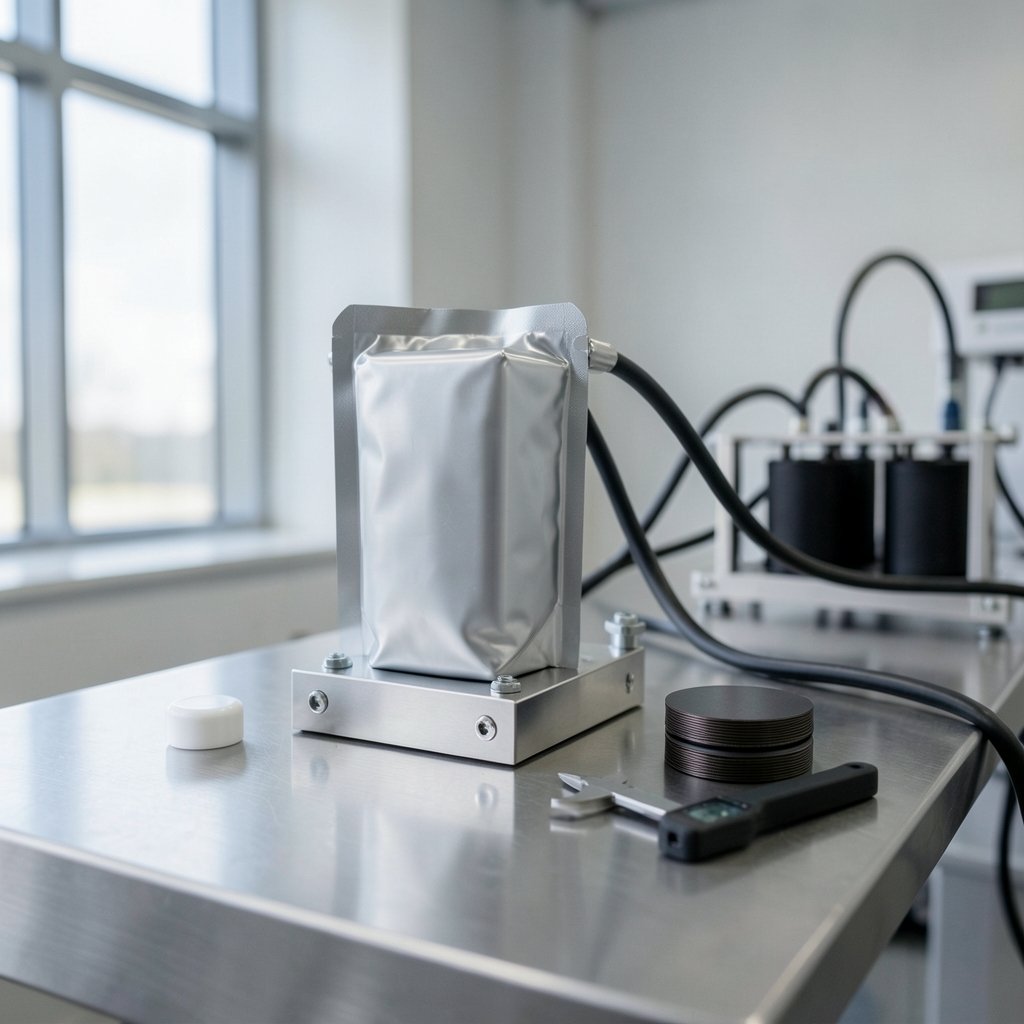
Battery researchers like to say the electric vehicle industry has been waiting for a breakthrough that has been “five years away” for about fifteen years. Solid state battery technology is the most famous example. It promises more range, faster charging, and a dramatically lower fire risk than today’s lithium-ion packs. Yet as of the mid-2020s, no mass-market passenger EV with a true all-solid-state battery was in broad commercial sale. Understanding what this technology actually is, and where it honestly stands, matters for anyone shopping for an EV, investing in the sector, or simply trying to cut through the hype. (Redmi note 17 nigeria 10000mah battery launch 2026)
Quick Answer: What is solid state battery technology?
Solid state battery technology is a battery design that replaces the liquid or gel electrolyte in a conventional lithium-ion cell with a solid material, such as ceramic, glass, sulfide, or polymer. In plain terms, it swaps the flammable liquid that shuttles lithium ions between electrodes for a solid conductor, which could allow higher energy density, better safety, and wider operating temperatures. (Ai trends that could shape the future of technology)
It is different from “semi-solid-state” or hybrid cells, which still contain gel or liquid components and are often marketed under similar names. It is also unrelated to the solid-electrolyte interphase (SEI), a normal layer that forms inside ordinary lithium-ion cells.
Before believing any timeline, check the chemistry type (all-solid vs. semi-solid), the announced production volume, the verified energy density, the operating temperature range, the cycle life, and whether the product is a demonstration cell or a shipping vehicle.
The Basic Idea Behind Solid State Batteries
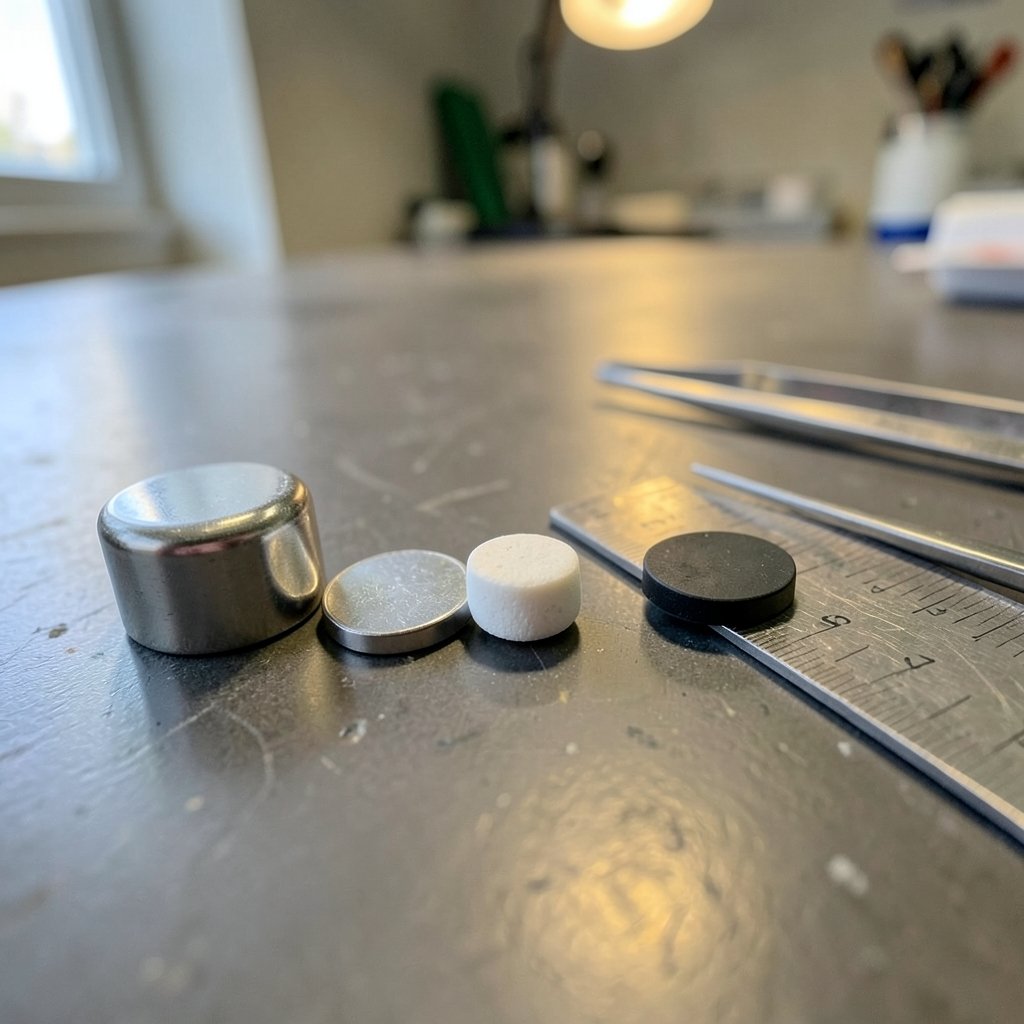
Every battery has three core parts: an anode (negative electrode), a cathode (positive electrode), and an electrolyte that lets charged particles move between them. In a standard lithium-ion cell, that electrolyte is a liquid or gel packed with lithium salts. It works well and it is cheap to manufacture at enormous scale, which is exactly why it has dominated for three decades.
A solid state battery replaces that liquid with a solid conductor. The concept is not new. Thin-film solid electrolytes have powered pacemakers and small electronics for years. What is new, and hard, is making the idea work at the size, cost, and lifespan a car needs.
The prize is significant. A solid electrolyte is not flammable, so the thermal runaway risk that makes battery fires so frightening is reduced at the source. A solid barrier can also physically block the lithium dendrites (tiny metal spikes) that cause short circuits, which opens the door to using a lithium-metal anode instead of graphite. Lithium metal holds far more energy per unit of weight.
Why Engineers Are Chasing This Chemistry
The energy density gap is the headline. Conventional lithium-ion cells in production cars typically deliver somewhere in the range of 150 to 250 watt-hours per kilogram at the pack level. Solid state designs with lithium-metal anodes are theoretically capable of substantially more, which translates into either longer range for the same pack weight or a lighter, cheaper pack for the same range.
Safety comes second but matters just as much commercially. A liquid electrolyte is the fuel in most battery fires. Remove it, and you remove the primary combustion source. That changes how packs must be engineered, how much crash protection they need, and potentially how much insurance and regulation they attract.
Then there is temperature tolerance. Solid electrolytes can, in principle, operate across a wider window than liquid systems, which reduces the need for elaborate thermal management. Anyone who has watched an EV’s range estimate collapse in a cold snap understands why that is appealing.
The Hard Problems Nobody Markets
Here is where the honest conversation starts. The gap between a laboratory coin cell and a production battery pack is brutal, and solid state designs hit several walls at once.
Interfacial resistance. Where a solid electrolyte meets an electrode, ions do not flow as freely as they do in a liquid. That contact resistance saps efficiency and generates heat. Keeping that interface stable through thousands of charge cycles is one of the field’s central unsolved challenges.
Dendrites at grain boundaries. The romantic version of the story says solid electrolytes stop dendrites. The reality is messier: in ceramic and sulfide electrolytes, lithium can still creep along grain boundaries and microcracks, sometimes shorting the cell. Solving this is an active research front, not a settled win.
Mechanical stress. Electrodes swell and shrink as lithium moves in and out. A liquid electrolyte simply flows around that movement. A rigid solid must survive it, often under stack pressure that adds weight and complexity.
Manufacturing cost and scale. Sulfide electrolytes are moisture-sensitive and can release hydrogen sulfide if exposed to humid air, which makes factory handling demanding. Ceramics are brittle. Every candidate material trades one problem for another, and every fix has to survive the cost pressures of automotive manufacturing.
Solid State vs. Today’s Lithium-Ion: A Side-by-Side Look
| Feature | Conventional lithium-ion | All-solid-state (target) |
|---|---|---|
| Electrolyte | Liquid or gel | Ceramic, glass, sulfide, or polymer |
| Typical anode | Graphite | Lithium metal (enables higher energy) |
| Fire risk | Flammable electrolyte present | Reduced, no liquid fuel source |
| Energy density potential | Mature, near practical limits | Substantially higher in theory |
| Manufacturing maturity | Mass production at huge scale | Pilot lines, limited volume |
| Cost today | Low and falling | High, unproven at scale |
| Commercial availability | Everywhere | Demonstration and limited release |
The table is deliberately lopsided, and that is the point. Solid state is not a better version of what exists; it is a different manufacturing paradigm that has to be built from the ground up.
Where the Industry Actually Stands
Several automakers and cell manufacturers have announced pilot lines and target dates generally clustered in the late 2020s. Those dates move, sometimes quietly. Toyota, Nissan, Honda, Samsung SDI, QuantumScape, and Solid Power have all been part of the public conversation, and the pattern across the sector is consistent: demonstration cells exist, small pilot production exists, and mass-market vehicles remain ahead of us.
A frequent source of confusion is the “semi-solid-state” label. Some manufacturers, particularly in China, sell cells with gel or hybrid electrolytes under marketing language that sounds like a full leap. These are genuine improvements in some cases, but they are not all-solid-state batteries. If a press release mentions “solid-state” without specifying the chemistry, treat the claim as unverified until the cell teardown data appears. (States and Capitals Game: Test Your State Knowledge) (Batteries)
For context on how quickly adjacent technology sectors shift, the broader conversation around AI trends offers a useful parallel: bold timelines are common, delivered products are rarer, and the gap between the two is where most of the real work happens.
Practical Advice for Buyers and Observers
If you are shopping for an EV in the next couple of years, do not wait for solid state. Today’s lithium-ion packs are mature, warrantied for eight years or more, and improving steadily with chemistry tweaks like higher-nickel cathodes and silicon-doped anodes. The practical move is to buy on total cost of ownership, charging access, and warranty terms, not on a future chemistry that may not reach your price bracket for years.
If you are tracking the technology as an investor or enthusiast, a few habits separate signal from noise:
- Ask whether the announcement refers to a cell, a module, or a full vehicle.
- Look for energy density figures stated per kilogram at the pack level, not per cell.
- Check cycle life claims and the test conditions behind them.
- Note whether the chemistry is all-solid, semi-solid, or hybrid.
- Check production volume numbers alongside target dates.
A common mistake is treating every “solid-state breakthrough” headline as a commercial milestone. Most are laboratory results on small cells under controlled conditions. That is real science, but it is not a product.
What It Could Change If It Works
The knock-on effects would reach well beyond cars. Aviation and long-haul trucking both need energy density that current lithium-ion struggles to deliver, and a lighter, safer pack changes the design math for both. Grid storage would benefit from cells that do not need the same fire-suppression infrastructure. Consumer devices could get thinner and longer-lasting.
The ripple effects would also touch adjacent industries in unexpected ways. Commercial fleets, for instance, weigh total operating cost heavily, and the commercial real estate market already reflects demand for charging infrastructure and warehouse space tied to electrification. Battery chemistry is not a niche engineering topic; it shapes where money gets spent on physical assets.
Common Myths Worth Retiring
Solid state batteries are just around the corner. They have been “around the corner” for over a decade. The honest framing is that the science is progressing and the manufacturing is the bottleneck.
Solid state means no fire risk at all. No lithium battery is risk-free. Removing the liquid electrolyte reduces one major failure mode, but thermal and mechanical failure pathways do not vanish.
Every solid-state claim is the same technology. Sulfide, oxide, polymer, and hybrid systems behave very differently in cost, safety, and manufacturability. The label hides enormous variety.
Semi-solid is basically the same thing. It is not. Semi-solid cells retain gel or liquid components and should be evaluated on their own merits, not on the promise of a fully solid design.
How to Follow the Story Without Getting Fooled
Track peer-reviewed literature and pilot-line output rather than press releases. When a company announces a target date, note the year and check back. When a vehicle ships, look for independent teardown analyses that confirm the chemistry. And keep an eye on the boring metrics: yield rates, cost per kilowatt-hour, and cycle life. Those decide whether a chemistry reaches a showroom.
For readers who enjoy testing their own knowledge against structured challenges, the same discipline applies as in any quiz-based game: the confident answer is not always the correct one, and checking the source beats trusting a hunch.
Conclusion
Solid state battery technology is a genuine engineering frontier, not a marketing fiction. Replacing a flammable liquid electrolyte with a solid conductor could deliver more range, better safety, and wider temperature tolerance, and the research behind it is serious and well funded. But the barriers, especially interfacial resistance, dendrite behavior, mechanical durability, and manufacturing cost, are equally real, and they are why mass-market solid-state EVs remain ahead of us rather than on the lot.
The balanced takeaway is this: the technology is promising, the timelines are unreliable, and the smartest posture is informed patience. Buy today’s EVs on today’s merits. Follow solid state through verified production data rather than announcements. And when the first true all-solid-state passenger car does arrive, check the chemistry label before you believe the headline.
FAQ
How long until solid state batteries are in cars people can actually buy?
Most announced pilot lines and target dates cluster in the late 2020s, but those dates have shifted repeatedly across the industry. A realistic expectation is limited-volume, premium vehicles first, with broader availability following only after manufacturing yields and costs improve. Treat any specific year as a target, not a promise.
Are solid state batteries safer than lithium-ion?
They remove the flammable liquid electrolyte, which is the primary fuel in most battery fires, so the fire risk profile is genuinely better in principle. However, no lithium-based battery is risk-free, and solid designs introduce their own failure modes, including mechanical cracking and, in some chemistries, sensitivity to moisture. “Safer” is fair; “risk-free” is not.
What is the difference between solid state and semi-solid-state batteries?
All-solid-state cells contain no liquid or gel electrolyte at all. Semi-solid or hybrid cells still contain a gel or liquid component, often to improve contact between materials. Semi-solid designs are easier to manufacture today, which is why some are already on the market, but they do not deliver the full theoretical benefits of a fully solid cell.
Why is the lithium-metal anode such a big deal?
Graphite, the standard anode material, stores relatively little lithium per unit of weight. Lithium metal stores far more, which is the main route to higher energy density. The catch is that lithium metal tends to form dendrites that can short a cell, and blocking those dendrites reliably is exactly what a solid electrolyte is supposed to do, if the engineering holds up.
Do solid state batteries charge faster?
Potentially, yes, because solid electrolytes can sometimes tolerate higher current without the same overheating concerns. But fast charging depends on the whole system, including the cathode, the thermal management, and the charger itself. Faster charging is a plausible benefit, not a guaranteed one, and cycle life often suffers when charging speeds rise.
Should I wait to buy an electric car until solid state arrives?
For most buyers, no. Today’s lithium-ion EVs are mature, widely warrantied, and improving each year, and solid state will likely appear first in expensive vehicles. Waiting means missing years of lower running costs and available incentives. Buy on range, charging access, warranty, and total cost of ownership instead.