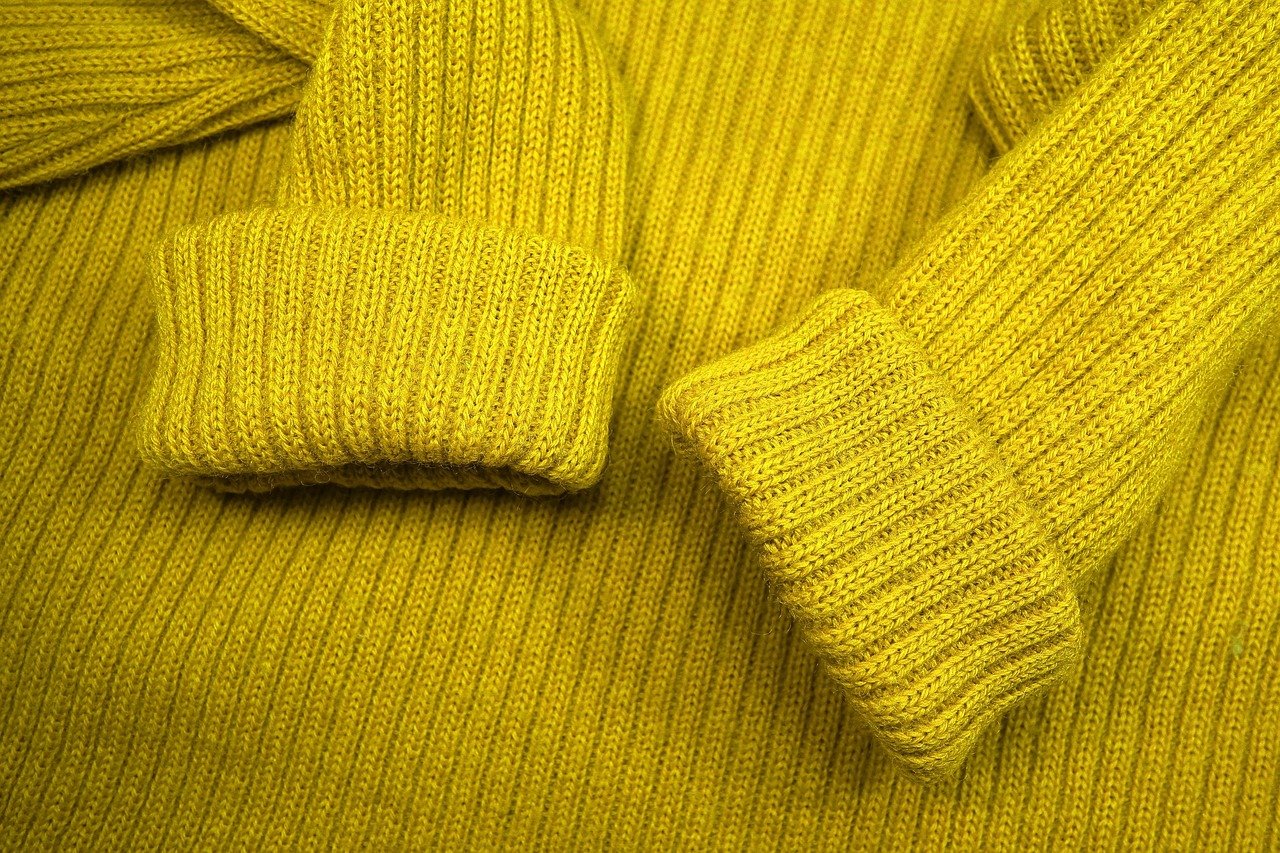
What if the most expensive mistake in your laundry routine happens in the ten minutes you spend trying to do the right thing? Wool is one of those fabrics that punishes good intentions. You notice a coffee spot, you fill the sink with warm water and soap, you scrub a little, you wring it out, and somewhere between the scrubbing and the drying rack a sweater that fit perfectly now belongs to a smaller person. The frustrating part is that almost none of that damage came from dirt. It came from heat, water, and movement working together in exactly the wrong combination. (Water Leak Sensor Under Washing Machine: Best Placement Guide)
The good news is that washing wool is not actually difficult. It is just different from washing cotton. Once you understand why wool behaves the way it does, the rules stop feeling fussy and start making obvious sense. Here is what actually works, what quietly ruins sweaters, and how to dry one so it comes out the same shape it went in.
Why Wool Shrinks When You Wash It Wrong
Wool fibres are covered in tiny overlapping scales, like shingles on a roof. In dry conditions those scales lie flat and the fibre stays smooth. Add water and heat, then add motion, and the scales lift and lock into each other. This is called felting, and it is permanent. It is not the same as cotton shrinking, which is mostly a matter of fibre relaxation and can sometimes be reversed. Felted wool cannot be un-felted, no matter what anyone on the internet claims.
That is why the three enemies of wool are always named together: heat, moisture, and agitation. Any one of them alone is usually survivable. All three at once, and you have a felted sweater. This single fact explains nearly every wool-care rule that follows, from “use cool water” to “never wring” to “do not tumble dry.”
There is one important exception. Superwash wool has been treated, usually with a resin coating or a chlorine-based process, so the scales cannot interlock. That is why some sweaters say “machine washable wool” and genuinely mean it. If the label says superwash or machine washable, you have more room to manoeuvre. If it does not, treat the sweater as delicate.
Read the Care Label Before Anything Else
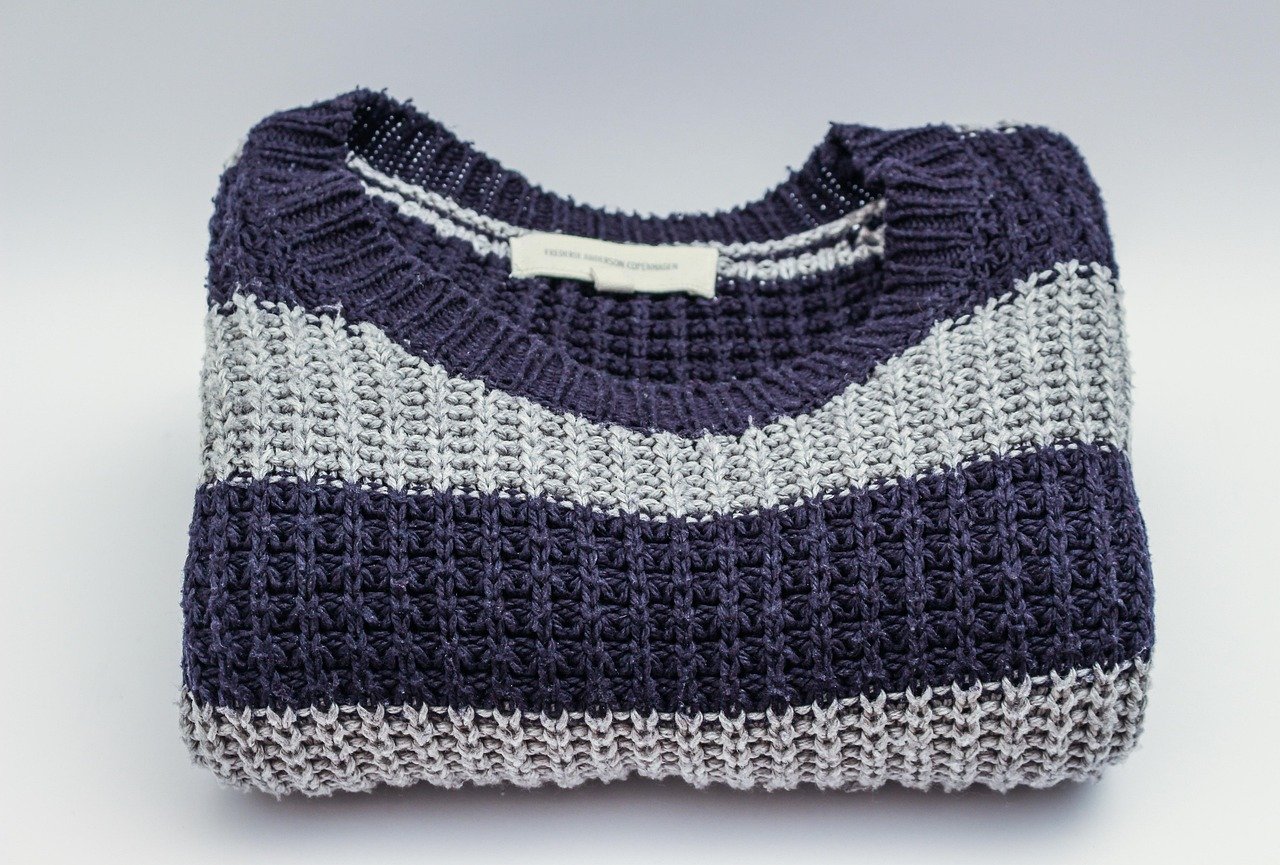
Before you touch water, read the label. Care labels follow an international standard that encodes washing, bleaching, drying, and ironing instructions in a small set of symbols, and those symbols represent what the manufacturer actually tested. The wash tub symbol with a hand inside means hand wash only. A tub with a cross through it means do not wash at all. A tub with a number inside tells you the maximum temperature in Celsius.
If you have ever stared at a care label and had no idea what the little symbols meant, the ISO 3758 care labelling standard defines each one, including the hand-wash tub and the do-not-wash symbol. In the United States, the Federal Trade Commission’s Care Labeling Rule sets out what clothing care labels must legally state, which is why American labels usually spell instructions out in words as well as symbols.
Here is the practical version: the label wins over any advice in this article. A sweater labelled dry clean only is labelled that way for a reason, and that reason is usually that the manufacturer tested it and watched it go wrong.
Hand Washing a Wool Sweater, Step by Step
Hand washing is the safest method for untreated wool, and it takes about fifteen minutes of actual attention. This is the routine that works.
- Fill a basin with lukewarm water. Aim for roughly 30 °C (86 °F) or cooler. If you cannot measure it, test with your wrist the way you would a baby’s bath. If it feels warm, it is too warm.
- Add a mild, pH-neutral detergent. Wool is slightly acidic by nature, and harsh alkaline detergents rough up the fibre surface. A dedicated wool wash or a gentle pH-neutral shampoo works well. Skip anything with enzymes or bleach.
- Submerge the sweater and let it soak. Press it gently under the water until it is saturated, then leave it for ten to fifteen minutes. Do not scrub, rub, or knead. Soaking does the work.
- Squeeze, never wring. Lift the sweater out and press the water out against the side of the basin with flat hands. Twisting is what turns a sweater into felt.
- Rinse in water of the same temperature. This matters more than people realise. A sudden jump from cool wash water to warm rinse water can shock the fibres. Match the temperature.
- Roll in a towel to remove water. Lay the sweater flat on a clean towel, roll the towel up, and press down. The towel absorbs most of the remaining moisture so the sweater does not have to hang wet and heavy.
If you are washing a sweater alongside other laundry and want to track how much energy and water a machine cycle actually uses, a smart plug for washing machine power monitoring can show you the difference between a hot and a cold cycle in real numbers, which is a useful nudge toward cold washing everything you can. (What is ai washing)
Machine Washing Wool Without Ruining It
Machine washing is fine for superwash wool and for sweaters whose labels permit it. The rules are strict but simple.
| Setting | What to choose | Why |
|---|---|---|
| Cycle | Wool, hand wash, or delicate | Minimal drum action and slow spin |
| Temperature | Cold or 30 °C maximum | Heat opens the fibre scales |
| Spin speed | Low, 400–600 rpm | High spin distorts wet wool |
| Detergent | pH-neutral wool wash | Alkaline detergent roughens fibre |
| Load | Alone or with one or two soft items | Friction between garments causes pilling |
Two common mistakes stand out. The first is overloading the machine, which increases friction and pilling. The second is using a normal detergent with stain enzymes, which are designed to break down protein. Wool is protein. The detergent does not know the difference between a grass stain and your sweater.
Turn the sweater inside out, use a mesh laundry bag if you have one, and skip fabric softener entirely. Softener coats the fibre and reduces wool’s natural loft. If you are weighing up whether a combined washer-dryer is worth the convenience for delicates, this comparison of the washing machine with dryer best brand options covers what actually matters for gentle cycles.
The Drying Rules That Decide Everything
Drying is where most wool sweaters are lost, and it happens after the wash went perfectly. Wet wool is heavy and weak. Hang it on a hanger and gravity will pull it out of shape at the shoulders, leaving you with a sweater that fits like a dress. Put it in a tumble dryer and the heat plus tumbling finishes the felting job the wash started.
The only correct method is drying flat. Lay the sweater on a mesh drying rack or a clean towel, reshape it gently to its original dimensions while it is still damp, and leave it somewhere with good airflow. Keep it away from radiators, direct sunlight, and any other direct heat source, which can make the fibre brittle. Flip it once after a few hours so the underside dries evenly. Most sweaters take 24 to 48 hours to dry fully, so plan ahead rather than discovering at bedtime that your only clean sweater is still damp.
Stain Removal on Wool
Treat stains promptly, but gently. Blot liquid spills with a clean cloth rather than rubbing, because rubbing is agitation by another name. For most marks, a small amount of the same pH-neutral detergent worked in with fingertips and rinsed in cool water is enough.
Never use chlorine bleach on wool. It attacks the fibre itself and will leave a weakened, yellowed patch. Oxygen-based stain removers are the usual alternative, and they work best on fresh stains. If a stain has set or the garment is structured, tailored, or lined, take it to a professional rather than experimenting. Structured pieces have interlining and shaping that do not survive home washing well, and blends with viscose or silk behave unpredictably in water.
Storing Wool So It Survives the Off-Season
Moths and carpet beetles are the other great wool destroyer, and they do their damage in storage rather than in the wash. The larvae feed on the fibre, particularly in dark, undisturbed places, and they favour anything with traces of sweat, food, or skin oils left in it.
So wash or dry clean sweaters before putting them away, even if they look clean. Store them folded, never on hangers, in a sealed container or a breathable cotton bag. Avoid plastic bags, which trap moisture. Cedar blocks and lavender sachets help deter moths, though they are not a guarantee. Fold, do not hang, and check stored knits once mid-season for any sign of nibbling.
Common Mistakes That Ruin Wool Sweaters
These are the errors that show up again and again, and most of them come from applying cotton logic to a protein fibre.
- Using hot water “to kill germs.” Wool does not need hot water, and hot water is the single fastest route to shrinkage.
- Wringing or twisting. Squeeze instead, always.
- Hanging a wet sweater. It will stretch at the shoulders and never recover.
- Tumble drying on any setting. Even a low-heat cycle involves tumbling, which is agitation.
- Rubbing a stain hard. Blot and soak instead.
- Skipping the label. It exists because someone tested the garment.
- Washing too often. Wool is naturally odour-resistant and breathable. Air it out between wears and spot-clean where you can; a sweater often needs washing only a few times a season.
One more practical note: if you are also caring for other delicate items around the house, the same principle of matching method to material applies elsewhere. Anyone working with resin prints, for example, will recognise the pattern in these resin print washing and curing times that actually work, where the wrong timing ruins an otherwise perfect result. And if you are trying to keep indoor air cleaner while laundry dries inside, a washable prefilter is a small upgrade that genuinely helps, as explained in this guide to how an air purifier washable prefilter cuts costs and keeps cleaner air.
Conclusion
Washing a wool sweater comes down to three things: keep the water cool, keep your hands gentle, and dry it flat. Everything else is detail. The fibre is not fragile in the way people assume. It is a remarkable material that resists odour, regulates temperature, and lasts for decades when treated with a little respect. What it cannot survive is heat, agitation, and gravity applied all at once.
So the next time a sweater needs attention, slow down for fifteen minutes. Cool water, a mild detergent, a gentle squeeze, a towel roll, and a flat rack. Then leave it alone for a day. Your sweater will come out the same size it went in, which is a small victory that never stops feeling good.
Frequently Asked Questions
Can I wash a wool sweater in a normal washing machine?
Only if the care label says it is machine washable or the wool is superwash treated. Use the wool or delicate cycle, cold water, low spin, and a pH-neutral detergent. Untreated wool should be hand washed, because a standard cycle provides exactly the heat and agitation that causes felting. (Wool)
What temperature should I use for washing wool?
Around 30 °C (86 °F) or cooler. The key is consistency: keep the wash and rinse water at the same temperature, because a sudden change can shock the fibres and encourage shrinkage. If you cannot measure, the water should feel barely warm to lukewarm on your wrist.
Can I put a wool sweater in the dryer?
No, not on a normal cycle. Tumble drying combines heat and tumbling motion, which is the exact combination that felts wool. Even low-heat settings involve movement. Always dry wool flat on a mesh rack, away from direct heat, and reshape it while damp.
What should I do if my wool sweater already shrank?
If it felted, meaning the fibres locked together and the fabric became dense and stiff, the change is permanent and cannot be reversed. If it simply relaxed or stretched slightly, a cool soak followed by careful reshaping and flat drying can sometimes help. Prevention is far more reliable than rescue.
How often does a wool sweater actually need washing?
Less often than you think. Wool resists odour and sheds dirt well, so most sweaters need washing only every few wears or at the end of the season. Between washes, air the sweater outdoors for a few hours and spot-clean small marks. Always wash before storing it away.
Is it safe to use regular laundry detergent on wool?
It is not ideal. Many standard detergents are alkaline and contain protein-breaking enzymes, and wool is a protein fibre, so those enzymes gradually damage it. A mild, pH-neutral wool wash or gentle shampoo cleans effectively without roughening the fibre surface.