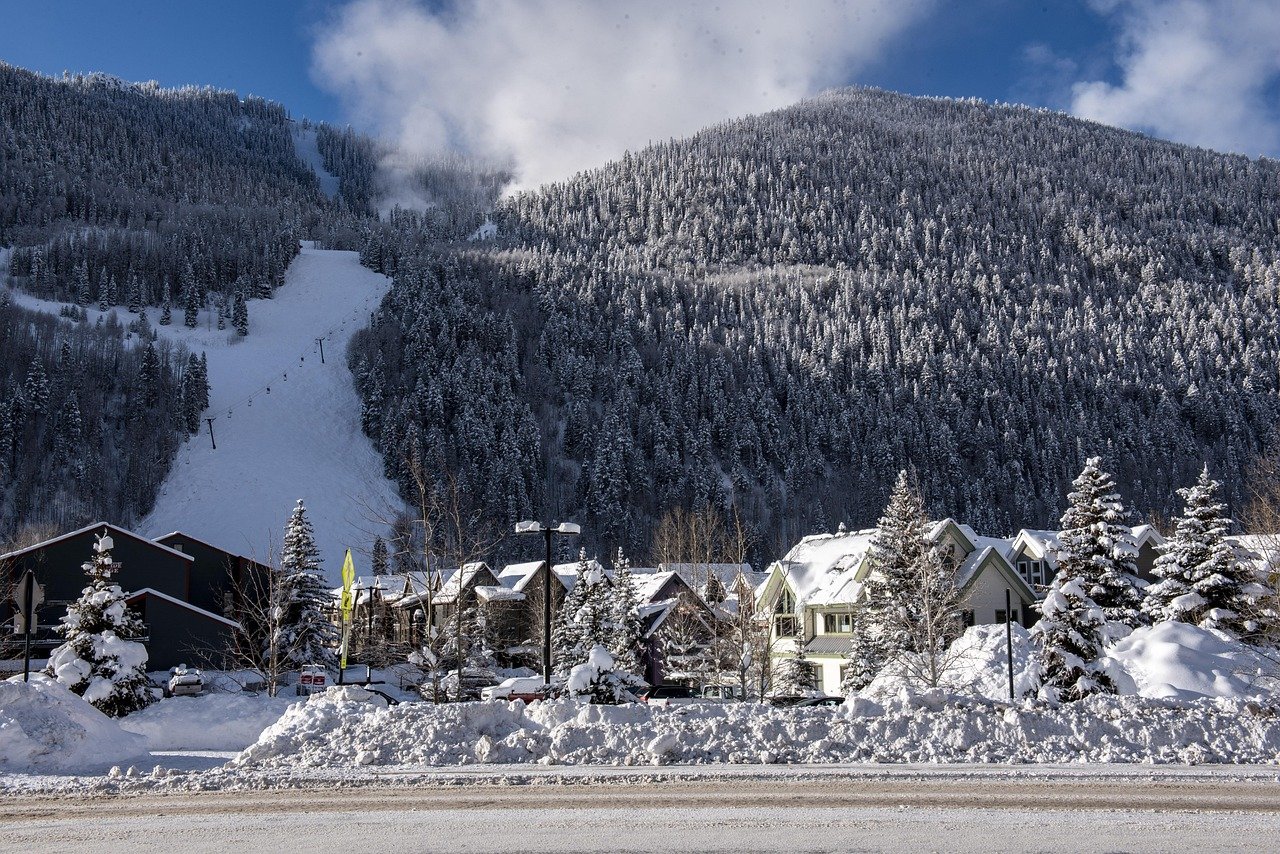
What if the hardest part of a Colorado ski trip isn’t the double black diamond, but picking the mountain in the first place? Colorado packs dozens of resorts into a few hundred miles, and each one has a distinct personality: some are built for families, some for experts, some for people who care as much about lunch as they do about powder. The right choice depends on who’s coming, when you’re going, and what kind of day you want to have. This guide breaks down the state’s standout resorts by terrain, access, snow, and vibe, so you can match the mountain to the trip instead of guessing. (Projector rainbow effect explained some viewers see color)
How to Judge a Colorado Ski Resort
Before comparing names, it helps to know what actually separates one resort from another. Three factors matter more than any marketing brochure.
Terrain shape. A resort’s skiable acreage tells you how much room you’ll have, but the distribution matters more. A mountain split into three distinct zones by difficulty skis very differently from one that funnels everyone onto the same runs. Look for resorts that publish a terrain breakdown by ability level.
Base elevation and snow character. Colorado resorts sit high, and that matters. Breckenridge’s base sits around 9,600 feet, among the highest of any major U.S. resort, which helps snow stick around. Further west, Steamboat’s trademarked “Champagne Powder” comes from a different weather pattern and a lighter, drier snow texture. High elevation also means you should plan for altitude adjustment, which is its own practical skill.
Access. A resort two hours from Denver skis the same as one 90 minutes away, but the trip feels different. I-70 traffic on a Saturday morning is a real variable, and resorts close to the corridor benefit from it. Resorts further out often trade convenience for shorter lift lines.
| Resort | Known For | Best Fit |
|---|---|---|
| Vail | Massive acreage, back bowls | Strong intermediates, groups |
| Aspen/Snowmass | Four mountains, town culture | Mixed groups, long trips |
| Breckenridge | High elevation, historic town | Families, altitude seekers |
| Telluride | Dramatic scenery, steep terrain | Experts, scenery chasers |
| Steamboat | Light powder, tree skiing | Powder hunters, families |
| Winter Park | Close to Denver, local feel | Day trips, beginners |
| Arapahoe Basin | Long season, high terrain | Late-season skiers |
| Copper Mountain | Naturally divided terrain | Skill-segregated groups |
| Beaver Creek | Grooming, upscale village | Comfort-focused skiers |
| Keystone | Night skiing, family value | Budget-conscious families |
Vail: The Big One
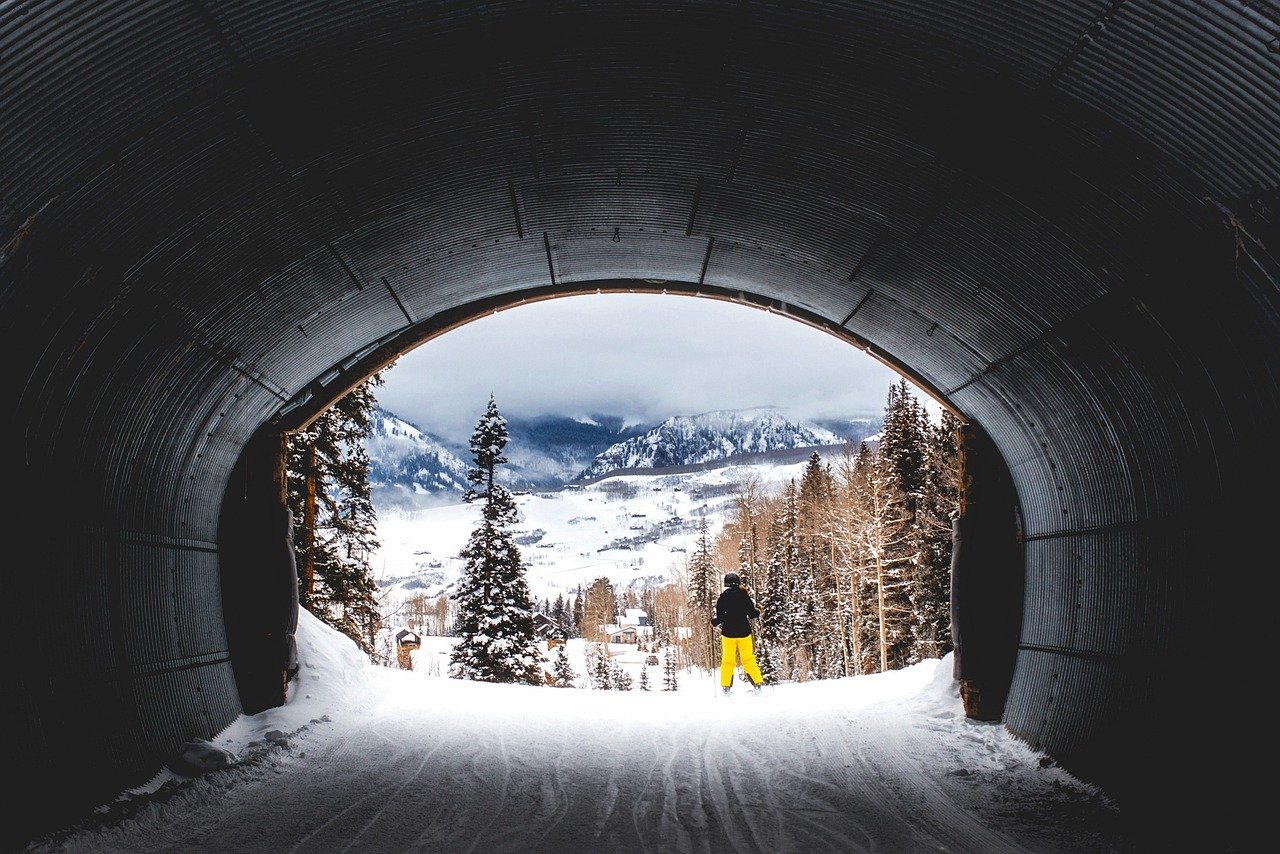
Vail opened in 1962 and grew into one of the largest single-mountain ski areas in the country by skiable acreage, commonly cited around 5,300 acres. That scale is the point. The front side suits cruising intermediates, while the legendary back bowls draw strong skiers who want wide-open, ungroomed terrain after a storm.
The practical downside is crowds. Vail is popular, and popular means lift lines on peak weekends. The fix is timing: go midweek, start early, and eat lunch at an off-peak hour. The town itself is a full resort village, so non-skiers in the group have plenty to do.
Aspen and Snowmass: Four Mountains, One Town
Aspen isn’t one resort. It’s four: Aspen Mountain, which opened in 1947 and rises straight out of town; Aspen Highlands, known for steep, demanding terrain; Buttermilk, home to gentle learning slopes and a famous terrain park; and Snowmass, the largest of the four and the best all-around choice for families.
That spread makes Aspen unusually good for mixed groups. Beginners can spend the morning at Buttermilk while experts lap Highlands, then everyone meets in town. The trade-off is cost and distance from Denver: Aspen sits roughly three and a half hours away over mountain passes, so it rewards a multi-day stay rather than a day trip.
Breckenridge: High, Historic, and Family-Friendly
Breckenridge combines a real historic mining town with a serious mountain. The resort opened in 1961, and its base elevation near 9,600 feet makes it one of the highest major resorts in the U.S. That altitude delivers reliable snow but also demands respect: hydrate, take the first day easy, and don’t schedule a hard hike on arrival day.
Breckenridge’s terrain spreads across five peaks with a genuine progression from beginner to expert. The town’s main street is walkable and lively, which helps on rest days. One caution: the high elevation means weather can shift fast, so layers matter more here than at lower resorts.
Telluride: Scenery and Steep Terrain
Telluride sits in a box canyon in the San Juan Mountains, and the setting is genuinely dramatic. The resort opened in 1972 and offers a vertical drop often cited around 4,425 feet, with terrain that leans toward strong intermediates and experts.
The town is a preserved Victorian mining village with a free gondola connecting it to Mountain Village. Telluride is far from Denver, which keeps crowds down but makes logistics harder. It’s the kind of place you commit to for a week rather than squeeze into a weekend.
Steamboat: Powder and Trees
Steamboat built its reputation on snow quality. The resort trademarked “Champagne Powder” to describe its light, dry snow, and the gladed tree skiing is among the best in the state. Founded in 1963, Steamboat has kept a genuine ranching-town character that families tend to love.
Tree skiing is a skill worth learning before you arrive. Beginners often avoid glades entirely, but low-angle trees with soft snow are approachable once you can make consistent short turns. Steamboat’s terrain makes that progression feel natural.
Winter Park and Arapahoe Basin: Access and Season Length
Winter Park sits about 67 miles from Denver, making it the closest major resort to the city and a favorite for day trips. It has a strong local feel, solid beginner terrain, and enough advanced terrain to keep experts busy. If you’re based in Denver and want a low-friction ski day, this is the practical pick. (Ski resort)
Arapahoe Basin takes the opposite approach. Its high elevation supports one of the longest seasons in the state, often stretching into June or even July. It’s smaller and less polished than the big destination resorts, but for late-season turns and steep high-alpine terrain, it’s hard to beat. Just check conditions before you drive up, since spring snow changes fast.
Copper Mountain, Beaver Creek, and Keystone
Copper Mountain’s terrain is naturally divided by ability level, which solves a common group problem: beginners, intermediates, and experts can each ski their own zone and meet at the base. It sits right off I-70, so access is easy.
Beaver Creek opened in 1980 and leans upscale, with meticulous grooming and a polished base village. It’s a good choice for skiers who value comfort and consistency over extreme terrain.
Keystone offers night skiing, commonly described as the largest night-skiing operation in Colorado, plus family-friendly pricing and layout. It’s a sensible base for a budget-conscious group that wants variety.
Matching the Resort to Your Group
The most common mistake isn’t picking a bad resort. It’s picking a resort that doesn’t fit the group. A few practical rules help.
- Identify the least experienced skier in the group and confirm the resort has real beginner terrain rather than only a token learning area.
- Check drive time from your arrival airport instead of distance alone. Mountain passes and weekend traffic affect the drive.
- Decide between a resort village and a real town; they suit different moods.
- Book lodging early for peak weeks, and confirm cancellation terms before paying.
- Plan one rest day if you’re coming from low elevation, especially at Breckenridge or A-Basin.
If your trip is about scenery as much as skiing, it’s worth thinking about light and color the way you would when planning photography. The same principles that explain how smart bulb color temperature works in bedrooms apply to understanding why mountain light shifts from blue shadow to warm alpenglow through the day. Skiers who notice that light tend to time their last run better.
Snow, Season, and What to Expect
Colorado’s season typically runs from late November into April at most resorts, with Arapahoe Basin extending well beyond that. Snow quality varies by region: the western resorts like Steamboat and Telluride tend to get lighter snow, while the I-70 corridor resorts see more variable conditions. (Avalanche.org)
Holiday weeks are the busiest and most expensive. If your schedule allows, mid-January through early March offers the best balance of snow depth, open terrain, and manageable crowds. Spring skiing in April brings warmer days and softer snow, which many skiers prefer.
Practical Tips That Actually Help
Here’s what experienced Colorado skiers do differently.
Start early, leave early. First chair means fresh corduroy and short lines. Leaving by 2 p.m. also avoids the worst of the I-70 return traffic.
Respect altitude. Drink more water than feels necessary, skip the first-night alcohol, and don’t plan a big hike on day one. Altitude sickness is real and it ruins trips.
Rent gear at the base, not the airport. Fit matters more than brand, and base-area shops can adjust bindings the same day.
Dress in layers, not one big jacket. Mountain weather swings fast, and a shell over a midlayer beats a single heavy coat.
Check the snow report the night before, not the morning of. It shapes your lift plan and your drive timing.
Don’t overestimate your level. A blue run at one resort isn’t the same as a blue at another. Start with an easy run to calibrate.
If you’re planning a summer visit too, Colorado’s trails are worth the trip on their own; this guide to the best places to hike in Colorado covers high-country routes that pair well with a ski-town base.
Conclusion
There is no single best ski resort in Colorado, and that’s the good news. Vail wins on scale, Aspen on variety, Breckenridge on altitude and town charm, Telluride on scenery, Steamboat on snow, and Winter Park on convenience. The right pick comes down to three questions: who’s skiing, how far you’re willing to drive, and what kind of day you want. Answer those honestly, book early, and the mountain will do the rest.
FAQ
What is the best ski resort in Colorado for beginners?
Buttermilk, part of the Aspen/Snowmass group, is widely regarded as one of the most beginner-friendly mountains in the state, with gentle, wide slopes. Copper Mountain and Keystone are also strong choices because their terrain is divided by ability level, so new skiers aren’t accidentally wandering onto advanced runs.
Which Colorado ski resort is closest to Denver?
Winter Park is the closest major resort, roughly 67 miles from Denver. Loveland and Arapahoe Basin are also relatively close via I-70. Closer doesn’t always mean faster, though, since weekend traffic on the corridor can add significant time.
When is the best time to ski in Colorado?
Mid-January through early March usually offers the best combination of snow depth, open terrain, and manageable crowds. Holiday weeks are the busiest and priciest. April brings warmer weather and softer snow, and Arapahoe Basin often stays open into June or July.
How much does a Colorado ski trip cost?
Costs vary widely by resort, lodging type, and timing. Destination resorts like Vail, Aspen, and Beaver Creek run higher for lodging and dining, while Keystone and Winter Park tend to be more budget-friendly. Booking early, skiing midweek, and staying slightly off-mountain are the most reliable ways to cut costs.
Is altitude a problem at Colorado ski resorts?
It can be. Breckenridge’s base sits around 9,600 feet, among the highest of any major U.S. resort, and other Colorado resorts are also high. Common precautions include hydrating well, limiting alcohol on arrival, taking the first day easy, and watching for headache or nausea that doesn’t improve.
Do I need a car to visit Colorado ski resorts?
Not always. Aspen has a free gondola connecting town and Mountain Village, and several resorts run shuttle systems. However, a car offers more flexibility for resorts along I-70. If you’re flying in, check whether your lodging offers airport transfers before renting.