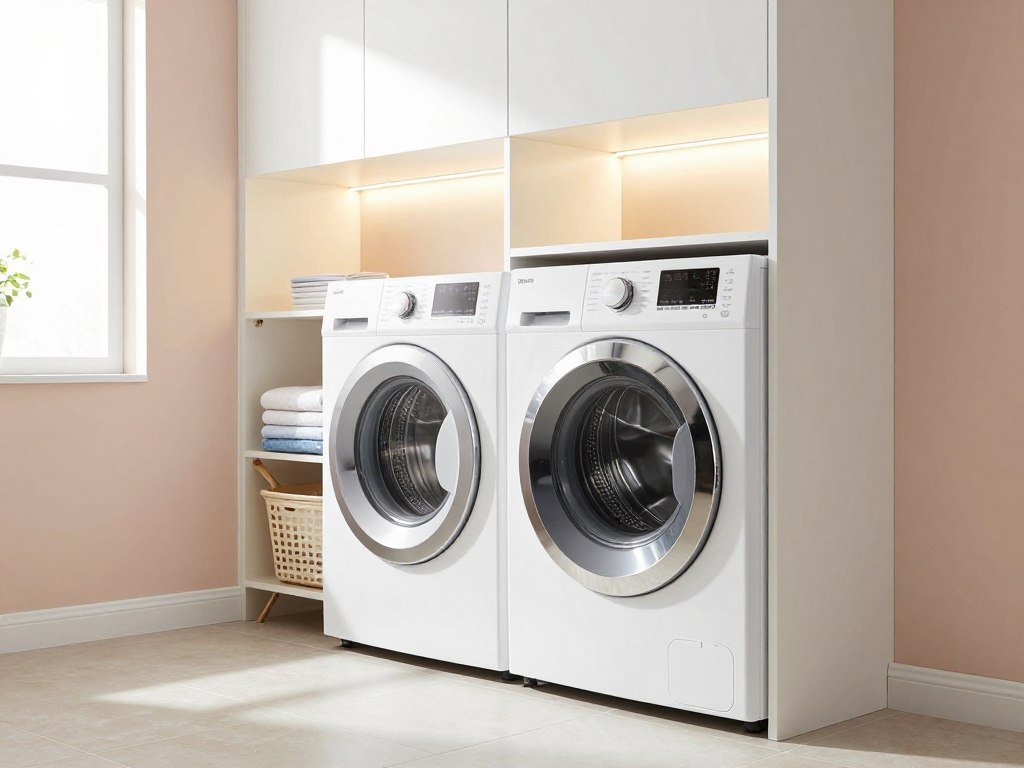
LG is the strongest brand-level choice in the available 2026 ratings, while the right individual washer depends on how you do laundry and the space you have. The best brand and the best model for your household are not always the same. These picks cover different formats, cleaning needs, and budgets without promising one winner for every home.
Spin extraction is the washer’s high-speed spin that removes excess water from clothes before drying. That step can affect how long clothes spend in the dryer, while capacity and machine design shape the loads you can handle. Your laundry room, daily routine, and budget all matter.
Key Takeaways
- LG leads the listed 2026 washer and dryer category ratings.
- Electrolux 700 Series ELFW7738A is the overall washer pick.
- Choose a format that fits your laundry routine and room.
- Capacity, cleaning, reliability, and price all shape the right choice.
- Start by deciding whether you need a matched pair or one machine that washes and dries.
Washing Machine With Dryer Best Brand: Which Brand Leads?
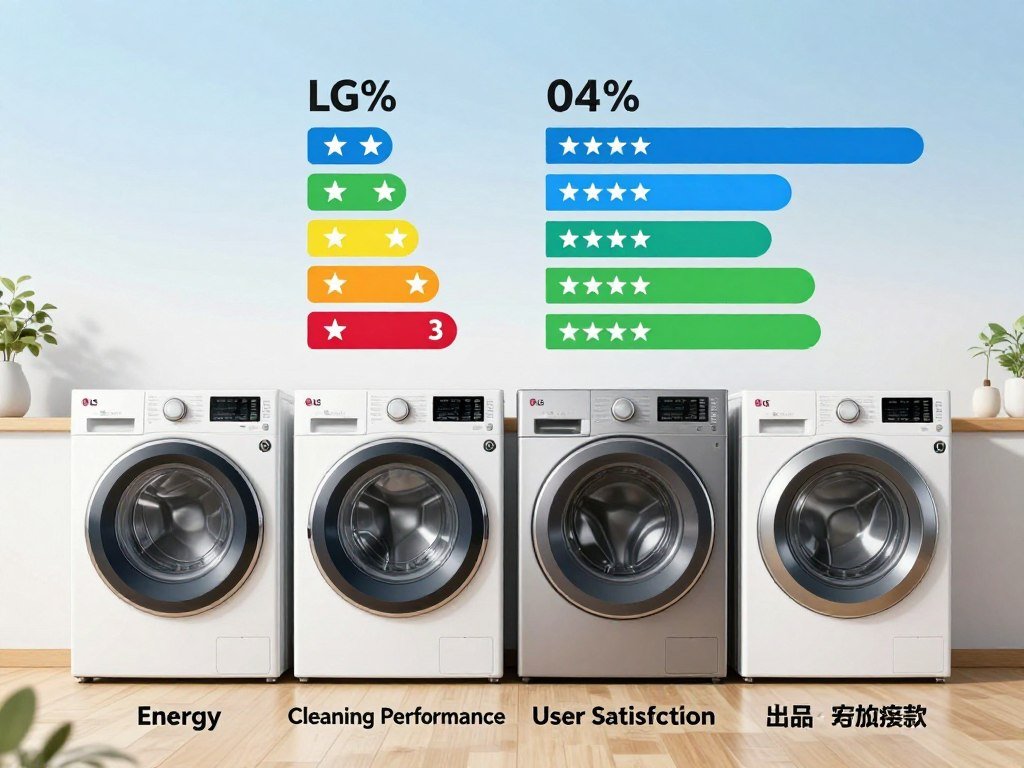
LG is the clearest brand-level pick because it led all four listed washer and dryer categories. Across categories, those ratings give LG the strongest support for performance and reliability.
Consumer Reports named LG the leader in front-load, HE top-load, top-load agitator, and dryer ratings. Its ratings combine lab-test performance with reliability ratings from member surveys.
| Category | Leading brand | Rating basis |
|---|---|---|
| Front-load washer | LG | Lab performance plus member-survey reliability |
| HE top-load washer | LG | Lab performance plus member-survey reliability |
| Top-load agitator washer | LG | Lab performance plus member-survey reliability |
| Dryer | LG | Lab performance plus member-survey reliability |
So, the washing machine with dryer best brand answer from Consumer Reports is LG, with an important category-level qualification. These results point to a brand with strong support across several appliance types.
A brand rating does not mean every LG model will suit every household. Capacity, cycle choices, room layout, and the way you sort laundry can change which model makes sense.
A washer dryer set also needs a suitable match between its two appliances. Similar brand names alone do not prove that a pair fits your space or routine.
Brand ratings help you narrow a large field, but they cannot replace a close look at the exact machines. Match the exact washer and dryer models before treating a brand-level rating as a set recommendation.
Which Five Washer Models Fit Different Laundry Needs?
For the strongest all-around single-washer pick, start with the Electrolux 700 Series ELFW7738A. It stands out for cleaning, stains, energy efficiency, and spin extraction, but your best washer dryer choice still depends on format and routine.
Consumer Reports evaluated 70 washer-dryer sets for its 2026 matching-set recommendations. CNET tested half a dozen washing machines and analyzed more than 200 models for its 2026 recommendations.
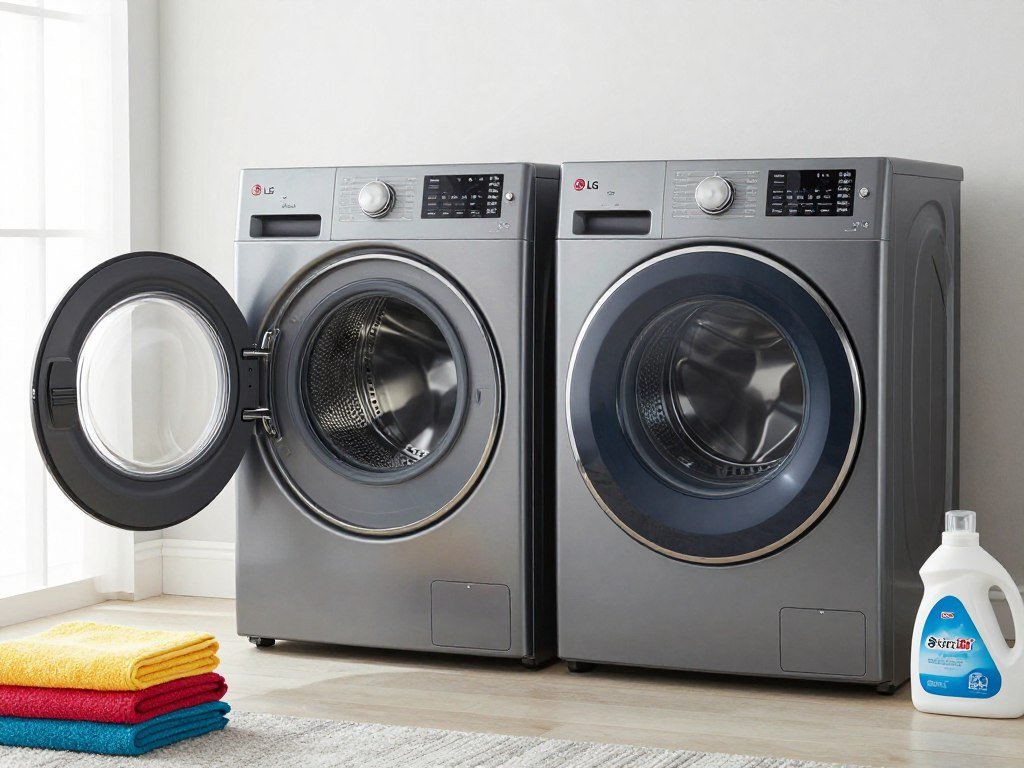
Consumer Reports’ August 2026 front-load washer ratings include model scores for washing, energy and water use, and brand reliability. The models below serve different needs rather than forming a single ranking.
| Model | Best-fit category | Reported strength and trade-off |
|---|---|---|
| Electrolux 700 Series ELFW7738A | Best overall | Energy efficiency, stain removal, and spin; no specific drawback listed |
| LG WT8200C | Best top-load | Excellent cleaning; some residue in stain-removal tests |
| LG WM6998H | Best combo | Strong cleaning and efficient wash and dry; long drying and incomplete drying when overloaded |
| Maytag MHW5630 | Best front-load | Outstanding cleaning; no specific drawback listed |
| Whirlpool WFW4720RW | Best budget | Very good cleaning; a budget-model choice, not a brand-wide win |
A Whirlpool washing machine with dryer is best viewed here as a budget-model pick, not proof that Whirlpool is the best brand. The WFW4720RW offers very good cleaning, while the broader brand result depends on category ratings.
The LG WM6998H combines washing and drying in one appliance. Its long drying cycles can slow laundry turnover, and an overloaded drum may leave clothes damp. That limitation matters if your household often runs full loads.
Use these five picks as starting points for different needs:
- Overall performance: Electrolux 700 Series ELFW7738A.
- A top-load washer: LG WT8200C.
- One appliance that washes and dries: LG WM6998H.
- A front-load washer: Maytag MHW5630.
- A budget washer: Whirlpool WFW4720RW.
Cleaning strength is only one part of choosing among washer models. A load that exceeds the machine’s capacity can change the result, especially when washing and drying happen in one drum.
Treat the LG WM6998H’s drying limitation as a practical reason to avoid overloading it.
How Should You Judge Washer Reliability?
A brand’s reliability is best judged through owner-reported problems and satisfaction, not its reputation alone. For a brand-level answer, LG has the strongest evidence-backed position in the listed ratings.
Check reliability for the exact model, because a brand result cannot promise trouble-free ownership. Consumer Reports surveys members each year about washer reliability and satisfaction.
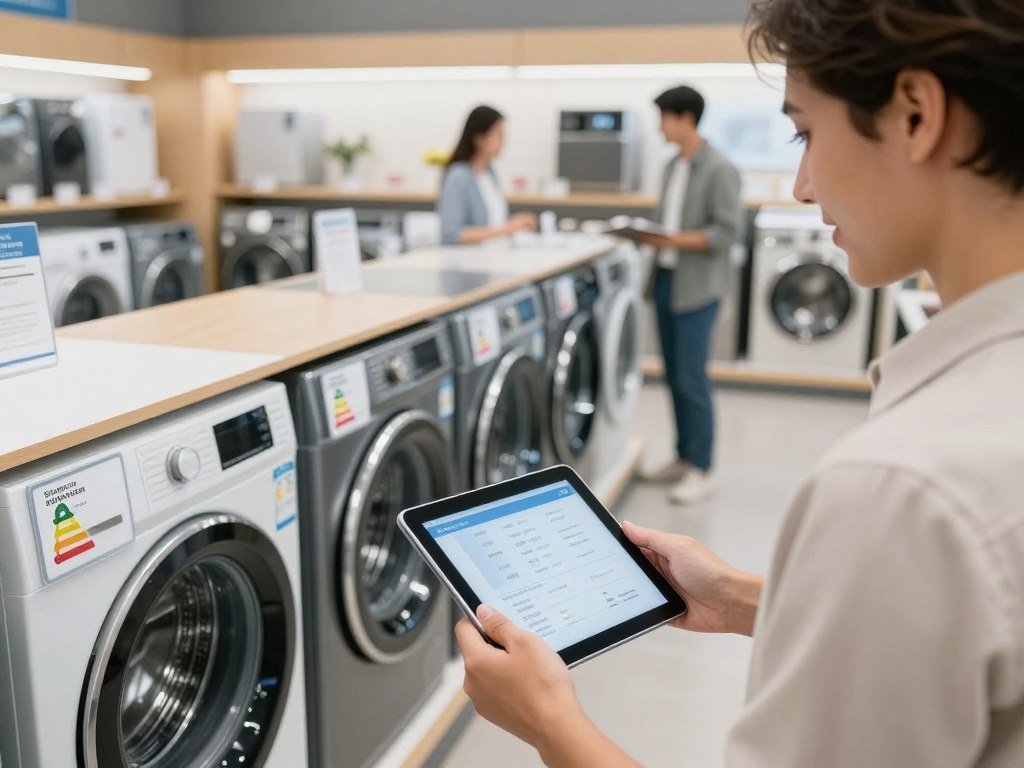
The surveys also collect information about washer problems over the past decade. That view can reveal patterns beyond a machine’s first months in a home.
Owner surveys capture reported problems and satisfaction, not a promise that a specific appliance will never need service. A model can clean well in a test and still have a different reliability record over time.
Cleaning performance and long-term reliability answer separate questions. One measures how well a washer handles laundry; the other reflects what owners report after using it.
A top 10 washer and dryer brands list needs comparable model-level evidence across the same categories and years. Ranking ten brands without that basis would suggest a level of certainty the ratings do not support.
Instead, use brand ratings to narrow your choices, then compare the reliability record of the models you are considering. Look at owner satisfaction as well as reported problems, since they describe different parts of ownership.
Appliance brands can also offer several types of washers with different designs and parts. A strong result in one category does not automatically settle how another model will perform.
That distinction matters when you compare a washer dryer set with separate appliances or an all-in-one machine. The exact model, not just the logo, is the useful point of comparison.
Compare reliability for the exact model you intend to buy rather than assuming every appliance from one brand performs alike.
Which Washer Type Fits Your Home?
Choose the washer format first, because a front-loader, agitator top-loader, and all-in-one solve different household problems. The right type balances cycle speed, water use, capacity, and available room.
Agitator washers can finish cycles faster, while front-load washers use less water and hold larger loads. The table compares maximum capacities and normal or heavy wash times where those figures are listed.
| Washer type | Maximum capacity | Normal/heavy wash-time range | Practical trade-off |
|---|---|---|---|
| Front-load | 5.8 cubic feet | 65-120 minutes | Uses about 10 gallons per load |
| Top-load agitator | 5.4 cubic feet | 35-105 minutes | About 20 gallons per load; rougher on fabric |
| HE top-load | 5.5 cubic feet | 35-105 minutes | About 13 gallons per load; high spin can tangle clothes |
| Compact front-load | 2.8 cubic feet | 45-125 minutes | Smaller capacity for tight rooms |
| All-in-one washer-dryer | 5.3 cubic feet | 100-115 minutes for wash cycles | One appliance, with longer drying time |
Front-Load Washers
Front-load washers can hold up to 5.8 cubic feet and typically use about 10 gallons per load. Their normal or heavy cycles take 65-120 minutes, so a large wash may take longer than an agitator cycle.
Washer capacities across the listed types range from 1.9 to 5.8 cubic feet. A front-loader may suit you if capacity and lower water use matter more than a shorter cycle.
Top-Load Agitator and HE Top-Load Washers
Agitator models can take 35-105 minutes and use about 20 gallons per load. Their shorter cycles can help when speed matters, though the agitation is rougher on fabrics.
HE top-load washers use about 13 gallons per load and can hold up to 5.5 cubic feet. Their high-speed spin can tangle clothes, so load placement matters.
The best brand for a top-loading washer-and-dryer setup is not settled by washer type alone. LG WT8200C is the top-load model pick here, while brand choice still depends on the exact pair.
Compact and All-in-One Machines
Compact front-load washers hold up to 2.8 cubic feet and suit tight laundry rooms. All-in-one washer-dryers can hold up to 5.3 cubic feet, but their wash cycles take 100-115 minutes.
Agitator models can have shorter cycles, but they are rougher on fabrics. HE top-load washers use less water than agitators, though high spin can tangle clothes.
Favor an agitator only when shorter wash cycles matter more to you than gentler fabric care.
Should You Buy a Matched Set or an All-in-One?
A matched washer and dryer is the flexible choice when you want separate wash and dry loads. One appliance can save space, but two machines let you move the next load into the washer while another dries.
Choose the setup that suits your room and laundry pace, not just the feature list. A compatible washer-dryer set may stack with special hardware or coordinate its operation.

When a Matched Washer and Dryer Makes Sense
Compatibility can mean a physical fit for stacking with a special hardware kit. It can also mean coordinated operation between the washer and dryer.
Choose the washer first because manufacturers offer more washer models than dryer models. Some dryers also match multiple washers, which gives you more room to build a suitable pair.
Package deals can save hundreds of dollars, though the discount depends on the offer and the models included. Compare the full set, rather than assuming every bundle cuts the cost.
Separate appliances work well if you wash several loads in a row. One load can dry while another starts, which helps when laundry needs to move quickly.
When an All-in-One Is the Better Fit
An all-in-one washer-dryer needs an electrical outlet and water hookup, but it does not need a vent. That setup can suit an apartment or condo without a dryer vent.
A narrow doorway may still make moving a large unit difficult. Check the route into the laundry area, not only the final spot where the appliance will sit.
Wash and dry cycles happen in the same drum, so you cannot start a second load while the first one dries. Long combo drying cycles can also be inconvenient when clean clothes are needed soon.
A combo may work best for households with modest laundry volume and no easy vent option. It can be less handy for families who regularly run several loads back to back.
Choose an all-in-one when avoiding a separate vent and second appliance matters more than quick drying.
Will the Washer and Dryer Fit Your Laundry Space?
Measure the space, access route, and hookup area before choosing a model. Exact dimensions matter because front-load and top-load shapes differ, even when both machines share a similar width.
Most full-size washers are about 27 inches wide, while compact washers are about 24 inches. A tight doorway can block delivery even when the laundry room itself looks roomy.
Measure the Appliance Footprint
Use this checklist before settling on a washer-dryer set:
- Measure the appliance footprint, including width, depth, and height.
- Account for trim and baseboards that reduce usable space.
- Allow at least 6 inches behind the washer for water hookups and about 1 inch between washer and dryer.
- Check vertical clearance for stacking, including the ceiling and nearby shelves.
Top-loaders tend to be taller, while front-loaders are usually deeper. Compare the model’s full dimensions with the space, rather than relying on a general type description.
Plan for Stacking and Access
Measure the doorway and every turn along the route into the laundry area. A large combo can be hard to move through a narrow hall, even if it fits once inside.
For a stacked pair, include the stacking hardware and the dryer’s height above the washer. Leave enough clearance to open the doors and reach controls comfortably.
Do not assume that a dryer shares the washer’s dimensions. The exact dryer may be wider, deeper, or taller than the washer you chose.
Measure the hall, doorway, stairs, and any tight corners along the delivery path. Those details can prevent a costly mismatch between the appliance and your home.
Write down the model numbers for both machines before comparing their sizes. A pair that looks similar in a product photo can have different depths or door swings.
Recheck the vertical clearance against the stacked pair’s exact dimensions before ordering.
Can a Front-Load Washer Reduce Water and Drying Use?
A front-load washer is usually the efficiency-first choice because it uses less water and extracts more moisture before drying. That extra extraction can shorten dryer operation and reduce the energy used to dry a load.
Front-load washers typically use about 10 gallons per load. They generally use less water and energy than other washer types, though the result still depends on your laundry habits.
Stronger water extraction leaves less moisture in clothes after washing. A dryer may then need less time to finish the load, which can also lower drying energy use.
Washer ratings include annual usage cost figures, which help compare expected energy and water use. Those figures make more sense when you compare machines with similar capacity and use.
ENERGY STAR certification is an efficiency signal, not a promise that every cycle or load will cost the same. A bulky load, extra rinse, or frequent hot wash can change actual use.
Efficiency alone does not tell you how well a washer cleans. Your regular load size, stain needs, and fabric care preferences also matter.
Consider whether a washer’s cycle choices fit your routine before focusing on the efficiency label. A model that uses less energy may still feel inconvenient if its cycle times do not suit your schedule.
Annual usage costs provide a practical comparison point, but they are not a bill forecast for every home. Your water rates, power rates, and load habits affect what you pay.
Compare annual usage figures alongside cleaning needs instead of treating the efficiency label as the only buying test.
What Capacity and Cleaning Performance Do You Need?
A washer over 4.5 cubic feet is the practical target if you need to fit a king-size comforter in tested capacity conditions. Typical loads, bedding, and towels should guide your capacity choice.
Washers over 4.5 cubic feet fit a king-size comforter in tests. That is different from the separate 6.2-cubic-foot example used for a large towel load.
Match Capacity to Your Usual Loads
Tested washers range from 1.9 to 5.8 cubic feet in capacity. A 6.2-cubic-foot washer can hold 17 thick, full-size bath towels, while that figure sits above the tested-range maximum.
Compact washers with capacity of 2.7 cubic feet or less fit about six of those towels. That smaller drum can work for a tight room or smaller laundry loads.
Think about the bulky items you wash often, not only the largest load you might run once a year. A comforter that barely fits can leave little room for movement during washing.
A larger capacity can reduce the number of loads for a busy household. It may be unnecessary if you usually wash small loads or lack space for a full-size machine.
Check Cleaning and Fabric Care Needs
A good wash removes soil, stains, and odors while extracting excess moisture. It should clean clothes without treating delicate fabric too roughly.
Detergent effectiveness and load size affect cleaning results. Too much laundry in the drum can limit movement, while too little detergent may leave soil behind.
Match the washer’s capacity to your usual bedding, towels, and family loads. That choice can help you avoid repeated small loads or an overcrowded drum.
Different fabrics also need different care. A household that washes work clothes, sports gear, and delicate items may value flexible cycles more than maximum capacity.
Capacity numbers describe drum space, not a promise that every load will clean well. Load shape, fabric thickness, and detergent all play a part.
Choose capacity around the bulky items you wash most often, not an occasional maximum-sized load.
Which Smart Features Are Worth Using?
WiFi controls are most useful when they let you check or manage a cycle without walking to the laundry area. That convenience matters when the machines sit in a basement or a room away from daily activity.
Prioritize connected tools that save a trip or help you manage a real laundry task. GE, LG, and Samsung make smart washers, and some models use AI.
Useful smart feature groups include:
- Remote cycle controls and alerts: start, stop, or pause a cycle, and receive an end-of-cycle or maintenance notice.
- Energy-use monitoring and downloadable cycles: check use or add a cycle designed for a specific laundry need.
- Automatic temperature adjustment: set the water temperature to match the selected setting.
Remote Controls and Notifications
Cycle alerts can help when the washer is out of sight or sound. You can check whether laundry is still running instead of making repeated trips.
Remote controls may let you start, stop, or pause a cycle. They can also send maintenance notices, though the alert does not replace care for the machine.
Automatic Temperature and Connected Cycles
Automatic temperature control adjusts water to the selected setting. Downloadable cycles can add options beyond the ones installed on the washer.
Some models use AI, but that label does not guarantee better cleaning. The feature still needs to match the clothes and soil you wash.
An app may be handy when the laundry room sits far from your living space. It does not make a washer fit a tight alcove or improve a weak cleaning result.
Connected functions can add steps, alerts, and setup choices. If you rarely use a phone during laundry, basic controls may be simpler.
Consider whether you want notifications, remote cycle control, or energy tracking before paying for connectivity. A feature is useful when it solves a routine problem, not simply because it is new.
Pay for connected functions only when you expect to use them as part of your routine.
Which Cycles and Fabric-Care Features Matter?
Most laundry can go through the normal cycle, so prioritize extra settings that solve a problem you actually have. One useful option may matter more than a long menu of cycles you rarely select.
An extra rinse can help remove detergent residue and pet hair. Automatic dispensers and a sturdy tub can also make everyday laundry easier.
Rinsing, Temperature and Detergent Control
Most households use the normal cycle for routine loads. An extra rinse can help if detergent residue remains or pet hair clings to clothes after washing.
People with sensitive skin may find an extra rinse helpful when residue bothers them. Brush or shake loose pet hair from fabric before washing when possible.
Some automatic dispensers hold several months of detergent. They measure detergent and can time softener release, which reduces the need to pour products for every load.
Temperature options can help you match a cycle to the clothing and soil. You do not need every setting unless it addresses a regular laundry need.
Tub Material and Moisture Extraction
Stainless steel tubs withstand higher spin speeds than plastic or porcelain-coated steel tubs. Higher spin speeds can remove more moisture before clothes reach the dryer.
That construction may matter if you want stronger moisture extraction. It does not mean every extra cycle or feature will improve your laundry routine.
Think about what remains after a normal wash: residue, pet hair, or damp clothes. Choose settings and tub features that address those real results.
A long cycle menu can look appealing, but daily use often comes down to a few settings. Focus on options that fit your fabrics and recurring wash problems.
An extra rinse is the more relevant feature when detergent residue or pet hair regularly remains after a wash.
What Do Washer-Dryer Sets Cost?
The 2026 recommended washer-dryer sets span $875-$4,200, while the washer type alone also affects the budget. That wide range reflects differences in format, capacity, and the dryer included with the pair.
Washer-only category prices are not the cost of a complete washer-dryer set. A full pair may cost more than the washer alone, especially when it includes a larger or compact dryer.
Front-load washers cost $730-$2,200. Top-load agitator washers range from $450-$1,500, while HE top-load washers cost $500-$1,200.
Compact front-load washers cost $880-$2,900. All-in-one washer-dryers range from $1,400-$3,000, though they are one appliance rather than a separate pair.
Capacity can raise the cost, and the washer format also affects the price. The dryer you choose changes the total, so two washers at a similar price can lead to different pair costs.
Use the listed washer ranges to set a starting budget, not as a final estimate for both appliances. A complete pair has its own combined price.
A compact model may cost more than a standard top-load washer, even with less capacity. Space-saving design and appliance format can shape the price as much as drum size.
The 2026 recommended-set range includes both lower-cost and premium options. Compare models with similar capacities and formats to judge whether the added cost fits your needs.
Compare the complete pair’s total price rather than using the washer’s price as the final budget.
How Can You Avoid a Poor Brand or Model Choice?
Avoid judging a whole brand by one model, and avoid choosing a machine before checking the exact model’s reliability and terms. A brand-wide blacklist is not supported by these comparisons.
Check the exact model’s reliability, warranty coverage, service access, return terms, and noise performance. These details can affect ownership after the first wash.
Use this checklist before you commit:
- Check model-level reliability.
- Read the written warranty and service-contract terms.
- Consider noise and vibration.
- Confirm the appliance suits your household’s routine.
Major-appliance limited warranties commonly cover about 1 year, but model terms and component coverage vary. A written warranty comes with the appliance; a service contract is a separate agreement.
Federal Trade Commission guidance distinguishes written warranties from service contracts. Read the terms to understand what each agreement covers and when service applies.
Noise and vibration deserve extra attention when the laundry room sits near bedrooms or living spaces. Consumer Reports measures sound during fill, run, drain, and spin, along with vibration transmitted to a wood floor.
That testing can help you compare noise behavior instead of relying on a machine’s appearance or brand name. A loud spin cycle may matter more in an open-plan home than in a basement laundry room.
Return terms and local service access also shape the risk of a purchase. A washer that fits your needs may still be difficult to own if repairs are hard to arrange.
Do not avoid a brand based on one model’s weakness. Compare the exact machine’s reliability, coverage, noise, and fit with your laundry habits.
Read the written warranty for the specific model and confirm what service the stated coverage actually includes.
Conclusion
If you want the strongest brand-level starting point, choose LG, then narrow the exact model to your laundry needs. The Electrolux 700 Series ELFW7738A is the overall washer pick, while the other models serve specific categories.
LG leads the listed ratings, but a strong brand result does not make every washer right for every household. Your format, load size, room, and laundry routine should guide the final choice.
If you are buying a washer-dryer set, match the models and measure the space before placing an order. Before buying, measure the installation space and confirm that the dryer is compatible with the washer.
FAQ
What is the best washing machine with dryer?
The Electrolux 700 Series ELFW7738A is the best overall washer pick. It was recognized for energy efficiency, stain removal, and effective spin extraction. That choice names a washer, not a complete washer-dryer set. Pair it with a compatible dryer that fits your space and laundry needs, since the best dryer match depends on the specific washer and your household’s setup.
What is the #1 washer and dryer?
LG leads the listed Consumer Reports washer and dryer categories, making it the strongest brand-level answer. The best individual machine still depends on your format and needs. For example, a top-load household may favor a different model than someone who wants one appliance to wash and dry. Compare the exact washer and dryer models before choosing a pair.
Which brand has the best washer/dryer combo?
LG has the combo pick in this selection, the LG WM6998H. It earned notice for strong cleaning and energy-efficient washing and drying. Its drying cycles can take a long time, and overloaded loads may not dry fully. That makes it a better fit for households that can avoid overfilling the drum and do not need rapid laundry turnover.
Which brand is No. 1 in washing machines?
LG is the strongest category-level brand answer in the listed ratings. It led the front-load, HE top-load, and top-load agitator washer categories, along with dryer ratings. That result supports LG as a useful starting point, not as a guarantee that every model suits every home. Check the exact washer’s capacity, cleaning, reliability, and fit before deciding.
What are the top 3 washing machines?
Three leading choices are the Electrolux 700 Series ELFW7738A, LG WT8200C, and Maytag MHW5630. Electrolux is the overall pick, LG is the top-load choice, and Maytag is the front-load choice. The strongest option for you depends on your laundry format and priorities. A top-load model may not suit someone who needs a front-loader or an all-in-one appliance.
What are the best washer and dryer brands for 2026?
LG leads the listed 2026 washer and dryer category ratings. The model picks also include Electrolux, Maytag, and Whirlpool for distinct needs. Electrolux is the overall washer choice, Maytag is the front-load pick, and Whirlpool offers a budget model. These are model-based choices across four brands, not a full ranking of every manufacturer.
What are the top 5 brands for washing machines?
The five picks are models from four brands, not a ranked list of five manufacturers. They include Electrolux, LG, Maytag, and Whirlpool. LG appears more than once because it has both a top-load pick and an all-in-one combo pick. The selection focuses on different household needs rather than claiming five brands rank in a set order.