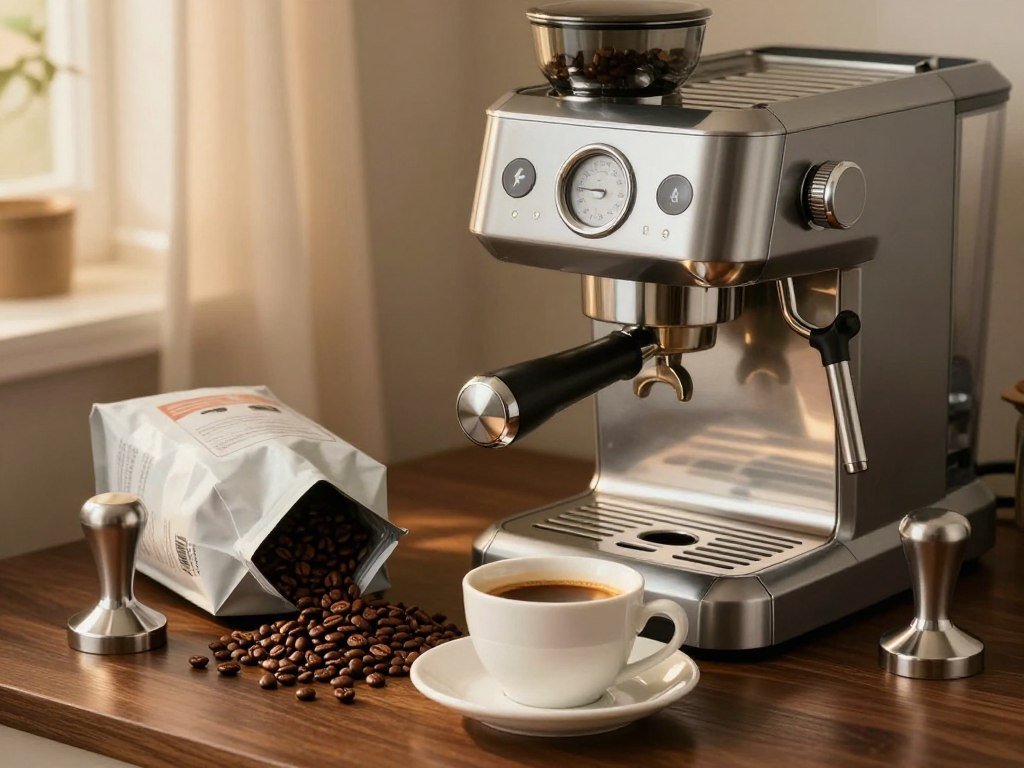
A memorable espresso starts with coffee that suits your taste, not a label that promises one perfect shot. The best coffee beans for espresso depend on what you like and how you brew at home. A straight shot, a latte, and a mixed brewing routine can each call for a different profile.
This shortlist compares ten options by roast, flavor, and use. You will find familiar chocolate notes, brighter fruit flavors, and choices that can work in milk drinks. The right bag should fit your taste, the drinks you make, and the time you have for brewing. By the end, you should be ready to pick a profile and a bag that fits your routine.
Key Takeaways
- Start with a flavor profile you already enjoy.
- A medium-to-dark blend can suit many home setups.
- Milk can soften delicate flavors in lighter roasts.
- Freshly grinding whole beans gives you more control.
- Choose a bag size you can use while it stays fresh.
Are Espresso Beans Different From Regular Coffee Beans?
Coffee labeled “espresso” is not a separate species of bean; espresso describes how the coffee is brewed. The label points to a style, not a special plant. Espresso is a brewing method that uses finely ground coffee and pressurized hot water, typically at about 9 bars.
A coffee bean is the seed of a coffee fruit. A roast describes how that seed was heated after harvest. Espresso refers to the brewing process, which extracts a small, concentrated drink under pressure.
The Specialty Coffee Association and the Italian Espresso National Institute define espresso by preparation variables. Neither defines espresso as a distinct kind of coffee plant. Arabica and Robusta are coffee species, while a blend combines coffees to create a target profile.
Crema is the tan foam that forms on top of a freshly extracted espresso shot. It affects the drink’s look and aroma, and can shape how people expect it to taste. The Specialty Coffee Association explains how crema affects espresso.
Regular coffee beans can work for espresso if their flavor suits you and your machine can extract them well. Coffee labeled espresso is not required for espresso brewing. The label often tells you how the roaster expects the coffee to taste when brewed as espresso.
Some bags use “espresso” to signal a blend or roast made with concentrated brewing in mind. That can be useful, but it does not guarantee a good shot in every machine. Treat the label as a clue about the roaster’s intended flavor, then choose by the cup you enjoy.
How to Choose the Best Coffee Beans for Espresso
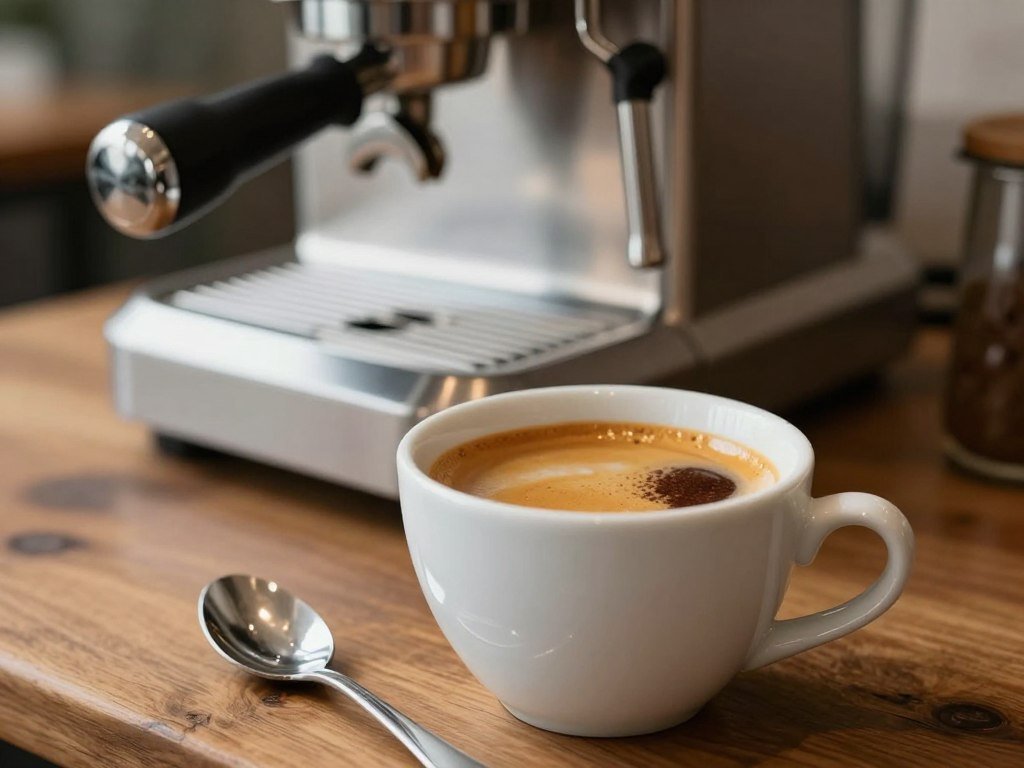
For a first home espresso, a balanced medium-to-dark blend is a practical place to begin, especially if the shot will go into milk. That middle ground often gives you body without a strongly roasted edge. The best coffee beans for espresso are the ones whose flavor fits your drink.
A roast level can hint at flavor, but it does not set an exact taste. The coffee’s origin, processing, and blend also shape its cup. Use this table as a starting point, not a strict rule.
| Roast profile | Common flavor cues | Starting use | Tradeoff |
|---|---|---|---|
| Light | Fruit, floral notes, brighter acidity | Straight shots | Milk can soften delicate flavors |
| Medium | Balanced flavor, more nuance | Straight shots or milk | May feel less bold in a latte |
| Dark | Chocolate, toasted nuts, roast character | Milk drinks | Roast notes can stand out strongly |
What Roast Works for Italian-Style Espresso?
A chocolatey, nutty medium-dark or dark blend is a sensible starting point for Italian-style espresso. It can give you a fuller taste and a clear roasted character. That is a tradition, not a rule for every drinker or machine.
“Italian-style” does not require a particular bean species or country of origin. A blend can combine coffees from several places to build a steady profile. If you prefer more fruit or less roast flavor, a medium roast may suit you better.
What Is a Forgiving Starting Point for Beginners?
A balanced medium or medium-dark blend can be an approachable first choice for beginners using an espresso machine. It often has enough body to taste clear in a small shot. It can also work in a latte without relying on very dark roast flavors.
For many beginners, the best coffee beans for beginners using an espresso machine are a blend with familiar chocolate or nut cues. A blend can be designed for a target flavor, which makes its overall profile easier to anticipate. Start with one bag before changing several parts of your setup.
Should You Choose for Straight Shots or Milk Drinks?
Choose a coffee with more nuance if you mostly drink straight espresso. Lighter or medium roasts can bring out fruit, citrus, or floral notes, along with brighter acidity. Those details may get lost when you add milk.
For a latte or other milk drink, look for body and a stronger flavor that can still come through. Darker roasts often offer chocolate or toasted-nut cues. If you make both kinds of drinks, a medium roast can offer a useful balance. Let the flavor you want in the cup set the roast direction, then adjust from that starting point.
Which 10 Espresso Coffee Beans Fit Different Tastes?
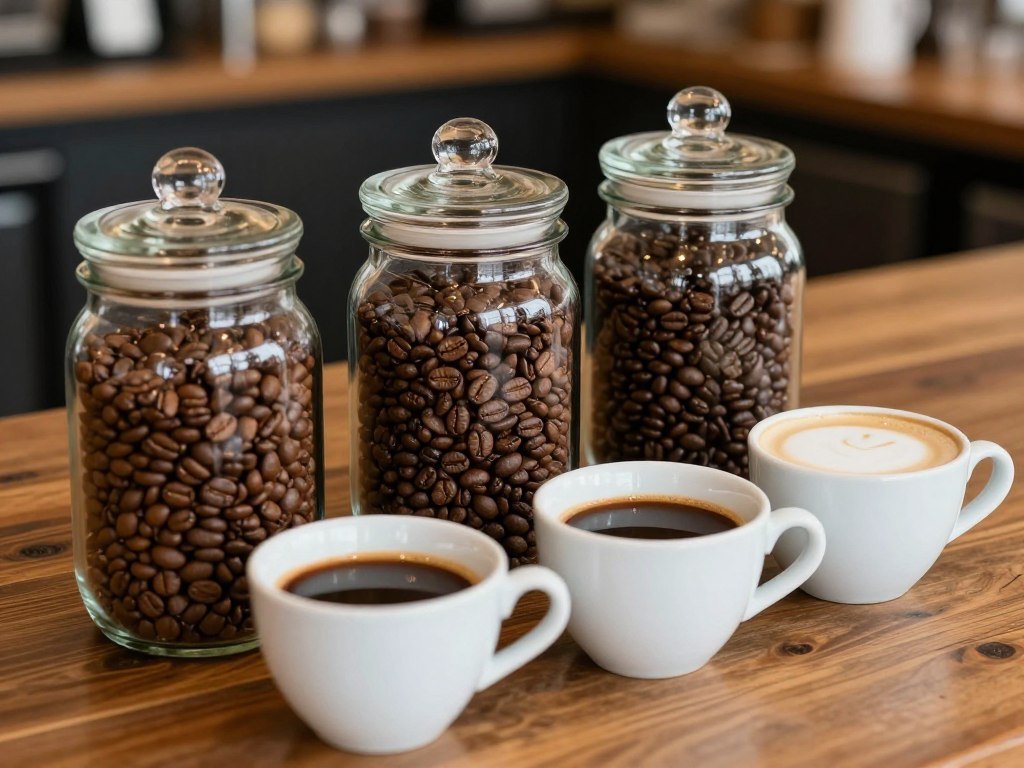
A useful shortlist spans familiar chocolate-and-nut profiles, brighter fruit notes, and a few options that can make the coffee stand out in milk or cocktails. Each bag has a different angle, so match its notes to the drinks you make. Lavazza Super Crema is a strong all-purpose pick for espresso.
For an espresso machine, you can compare blend style, roast, and flavor cues before choosing a bag. The profiles below include richer options for milk and brighter choices for drinkers who want less roast-forward flavor. Taste can shift with your grinder and brewing setup, so treat tasting notes as guides.
- Onyx Coffee Lab Monarch Blend is a medium-dark Colombian and Ethiopian Arabica blend. Its berry and chocolate notes give it a mix of brighter fruit and familiar richness. It may suit you if you want more going on than a simple cocoa profile, while still keeping chocolate in the cup.
- Lavazza Classico is a medium-roast Arabica and Robusta blend from South America and Africa. Dried-fruit and nut notes make it a balanced option for drinkers who want flavor without a heavy roast taste. It can fit a routine that includes both straight shots and milk drinks.
- Lavazza Super Crema is an Arabica and Robusta blend made for espresso. Its brown-sugar and hazelnut notes can work well in a straight shot or a latte. Its broad flavor profile makes it a practical pick if you want one coffee for several drinks.
- Intelligentsia Black Cat Espresso is a medium-roast blend with dark-chocolate and stone-fruit notes. It pairs a familiar cocoa quality with a fruit note that can add interest to a straight shot. Consider it if you want a medium roast with more than one clear flavor cue.
- Blue Bottle espresso has sweet, maple-like, caramel, and nutty tasting cues. Those flavors may appeal if you like a softer, sweeter profile rather than a strongly roasted one. Try it in a straight shot first, where its finer flavor notes can be easier to notice.
- San Francisco Bay Coffee espresso roast is a mid-dark Central American Arabica coffee. Mocha and chocolate cues make it a familiar choice for people who enjoy rich coffee flavor. Its profile may also suit a milk drink, where a clear coffee taste is welcome.
- Peet’s Espresso Forte has tangy and earthy cues, with hazelnut as a supporting note. The mix gives it a different direction from coffees built mainly around chocolate. Choose it if you enjoy a more earthy cup and do not mind some tang.
- Allegro Coffee organic espresso Sierra is a medium roast with caramelized-sugar and earthy notes. It offers a gentler roast character than darker options while keeping a grounded flavor. This can suit drinkers who want less roast-forward coffee in a straight shot.
- Death Wish Coffee Co. espresso roast is organic, bold, and full-bodied, with milk-chocolate notes. Its strong profile may stand out in a latte or an espresso martini. The cocktail suggestion is based on flavor, not a promise that every recipe will taste the same.
- Thelmita’s single-origin dark roast espresso comes from Honduras and has a malty, chocolatey profile. A single-origin coffee lets you explore one stated source rather than a blend built from several origins. Pick it if you want a dark option with a clear origin and familiar cocoa notes.
Medium-roast choices suit drinkers who want less roast-forward flavor, while darker coffees can hold their own in milk. If you want one bag for several uses, a balanced blend is a sensible place to start. Match a bag to the flavor you like, then judge it by the shot you can make consistently.

How Do You Dial In Espresso at Home?
A fine, consistent grind is the first thing to check when an espresso shot tastes unexpectedly sour, bitter, or thin. Small changes matter because espresso uses little water and extracts quickly. Freshly ground whole beans usually give you better control than pre-ground coffee.
Espresso needs a fine, adjustable grind. Pre-ground coffee may not match your machine’s needs, and ground coffee loses freshness quickly. About 15 minutes is a useful rule of thumb after grinding, since the exposed grounds lose aroma fast.
The Specialty Coffee Association explains how grinding speeds up aroma and carbon dioxide loss in its fresh coffee overview. Your own shot can still vary with the coffee and equipment, so use the same steps each time before changing your recipe.
- Weigh the dose of coffee before brewing.
- Use a consistent, fine grind that your machine can handle.
- Measure the liquid yield in the cup.
- Time the extraction from the start of brewing.
Can You Use Ground Coffee in an Espresso Machine?
Yes, you can use ground coffee in an espresso machine if it is fine enough and fresh. Pre-ground coffee may be too coarse or too fine for your basket and pressure. If a shot runs too quickly or slowly, the grind may not suit your setup.
Grinding whole beans just before brewing gives you a better chance to adjust the texture. It also helps preserve the coffee’s aroma. If you already have ground coffee, seal the bag well and use it soon after opening.
What Is a Practical Starting Recipe for Beginners?
A common beginner recipe starts with 18-20 grams of coffee and yields 36-40 grams of liquid. Aim for an extraction time of 25-30 seconds. Those numbers give you a repeatable baseline, not a guarantee that every coffee will taste best at the same setting.
Weigh the coffee and the drink rather than judging by the basket or cup alone. If the shot tastes sharp, bitter, or thin, change one part of the recipe and try again. Change one setting at a time so the next shot tells you what improved.

How Should You Store Espresso Beans?
For most people, the simplest routine is to keep a small batch in an opaque airtight container in a cool, dark place. Small batches limit exposure to air and light after opening. Buy freshly roasted coffee in amounts you can use in one or two weeks.
Keep whole bean coffee sealed between uses, and grind just before brewing. Room-temperature storage is the straightforward default for most home routines. Refrigerators and freezers can work, but they need careful handling to limit moisture.
| Storage condition | Freshness window | Handling note |
|---|---|---|
| Room temperature, airtight container | 1-3 weeks after opening | Keep in a cool, dark place |
| Refrigerator, airtight container | 2 weeks after opening | Seal well against moisture |
| Freezer, airtight container | 3-4 months after opening | Remove a week’s supply at a time |
These time frames apply to opened roasted beans kept in an airtight container under the listed conditions. A clear jar may look attractive on the counter, but an opaque container blocks light. Keep the container away from warm appliances and sunny windows.
Cold beans can collect condensation when they meet warm air. If you refrigerate or freeze coffee, take out no more than a week’s supply. Return the rest before condensation forms, so moisture does not settle on the beans.
For the freezer, divide a large supply into smaller portions before storing it. That way, you do not need to open the main container each time you brew. If freezing beans, portion them so the main supply stays sealed while each small amount is used.

Where Can You Buy Bulk Coffee Beans?
A local roaster, its online shop, a warehouse club, or a grocery store can all be reasonable places to look for larger bags. The best source depends on how much you brew and how fresh the bag is. A 1 kg bag is about 2.2 lb, and bulk formats include 2-lb and 5-lb bags.
Before buying espresso beans in a 1 kg bag, compare the bag size with your weekly use. A large bag can be handy for a busy home or small café, but only if you use it while the flavor stays fresh. A smaller bag may make more sense for occasional espresso.
Which Buying Options Fit Home Use?
Local roasters may offer recently roasted beans and a chance to ask about a blend. Roaster websites can show bag sizes and tasting notes. Warehouse clubs often carry larger packs, while grocery stores can be easy to visit during a regular shopping trip.
Check the roast date and the size before adding a bag to your cart. The most useful option is the one that fits both your taste and your pace of use. Buying more coffee does not help if the bag sits open for too long.
What Should a Coffee Shop Check Before Buying?
A coffee shop should choose beans for its customers and repeatable service, not just because a bag is larger. Blend consistency, the menu, and the shop’s extraction workflow all shape the choice. A coffee for a straight shot may not suit a menu built around lattes.
Before ordering larger bags, check four details:
- Roast date: Look for a clear date on the bag.
- Bag size: Match the amount to your storage and use.
- Flavor match: Choose a profile that suits your menu.
- Expected weekly use: Estimate how quickly the shop will serve it.
For café needs, wholesale roasters can be another place to compare supply options. Ask how the coffee fits the shop’s recipes and workflow before committing to a large amount. Compare the bag size with how quickly the coffee will be used before buying in bulk.
Will Coffee Be Gone by 2050?
No, the projection is about land becoming less suitable for Arabica, not coffee disappearing completely. Growing conditions may shift in key regions, putting pressure on farms and supply. By 2050, 50% of land currently suitable for Arabica production is predicted to become unsuitable.
That change could affect where coffee grows and which origins remain easy to farm. It does not mean every coffee plant will vanish or that people will stop drinking coffee. The concern is a loss of suitable growing land.
What Could Happen to Arabica-Growing Land?
Hot climate zones with long dry seasons face especially high risk. Nearly 80% of coffee land in those zones, including areas in Brazil, India, and Central America, is expected to become unsuitable by 2050.
The systematic review of coffee climate impacts describes climate change as a risk to coffee yields and suitable land. The specific projections point to changing conditions, not a single future outcome for every farm.
What Do the Projections Mean for Coffee Drinkers?
Equatorial coffee areas with cooler, seasonally constant temperatures are also expected to lose suitability. The projected loss is one-third for areas that include parts of Colombia, Ethiopia, Kenya, and Indonesia.
That could affect the origin and flavor choices available to coffee drinkers over time. Farmers may face harder growing conditions, while roasters may need to adapt their blends. Read climate projections as a serious growing challenge, not a prediction that coffee will cease to exist.
Can You Use Espresso Beans for Drip Coffee?
Yes, a coffee chosen for espresso can also work in a drip brewer if it is ground for that method. The brewing setup changes how the same beans extract. Each method needs its own grind setting.
Stumptown Holler Mountain is an organic blend described as suitable for espresso and drip. Black Rifle Coffee Company AK is a Colombia-Brazil blend that can also work for both methods. These examples show how one bag can fit more than one brewing routine.
A finer grind suits espresso, while drip brewing needs a grind matched to its filter and brew time. Keep the beans whole and grind only the amount needed for the brew at hand.
Conclusion
A good first espresso bag is the one whose flavor profile fits the drink you actually enjoy. A balanced medium-to-dark blend is a sound first try for many home setups, while brighter or darker choices can suit other tastes and drinks.
Choose a bag with a clear roast date and a profile that matches the way you drink espresso. That gives you a useful starting point without asking one coffee to suit every cup. Choose one fresh bag, pull a consistent shot, and use the cup to decide what to try next.
FAQ
What type of beans work best for espresso?
A medium-to-dark blend is a practical starting point for many home espresso setups. It often brings enough body to taste clear in a short shot, while familiar chocolate or nut notes work well with milk. Choose a lighter roast if you enjoy brighter fruit or acidity. A darker profile may suit you if you want a stronger roasted flavor.
Where can I buy bulk coffee beans?
You can check local roasters, roaster websites, warehouse clubs, and grocery stores for larger bags. Coffee shops can also compare wholesale roasters for café needs. A 1 kg bag is about 2.2 lb, so consider how quickly you brew through that amount. The best size is one you can use while the coffee still tastes fresh.
What is the 15-15-15 coffee rule?
The 15-15-15 coffee rule is an informal mnemonic, not a standard espresso recipe. People may use it to refer to coffee freshness or brewing timing, so check what each “15” means before relying on it. For espresso, a common starting recipe uses 18-20 grams of coffee and 36-40 grams of liquid, extracted in 25-30 seconds.
What’s the best way to store espresso beans?
Keep espresso beans in an opaque airtight container in a cool, dark place. Buy a batch sized for one or two weeks, so the open bag does not sit around for long. Keep the container away from heat and sunlight. Grind only the amount you need just before brewing, since ground coffee loses freshness faster than whole beans.
Should I put my espresso beans in the refrigerator?
Room-temperature storage in an airtight container is the simpler default for most people. Refrigerated roasted beans can retain freshness for about two weeks when kept in an airtight container. Cold storage can expose coffee to moisture as it warms, so remove only a week’s supply at a time. Return the rest before condensation forms.
What is the enemy of coffee beans?
Air, moisture, heat, and light speed flavor loss in coffee beans. An opaque airtight container helps block light and limit contact with air and moisture. Store it in a cool, dark place, away from ovens, sunny counters, and other warm spots. Keeping beans whole until brewing also helps preserve their aroma.
Will coffee be gone by 2050?
No, coffee is not predicted to disappear by 2050. Projections point to less land being suitable for Arabica production as climate conditions change. That could affect farms, yields, and the origins available to roasters. It does not mean coffee plants will vanish everywhere or that coffee will stop being grown.