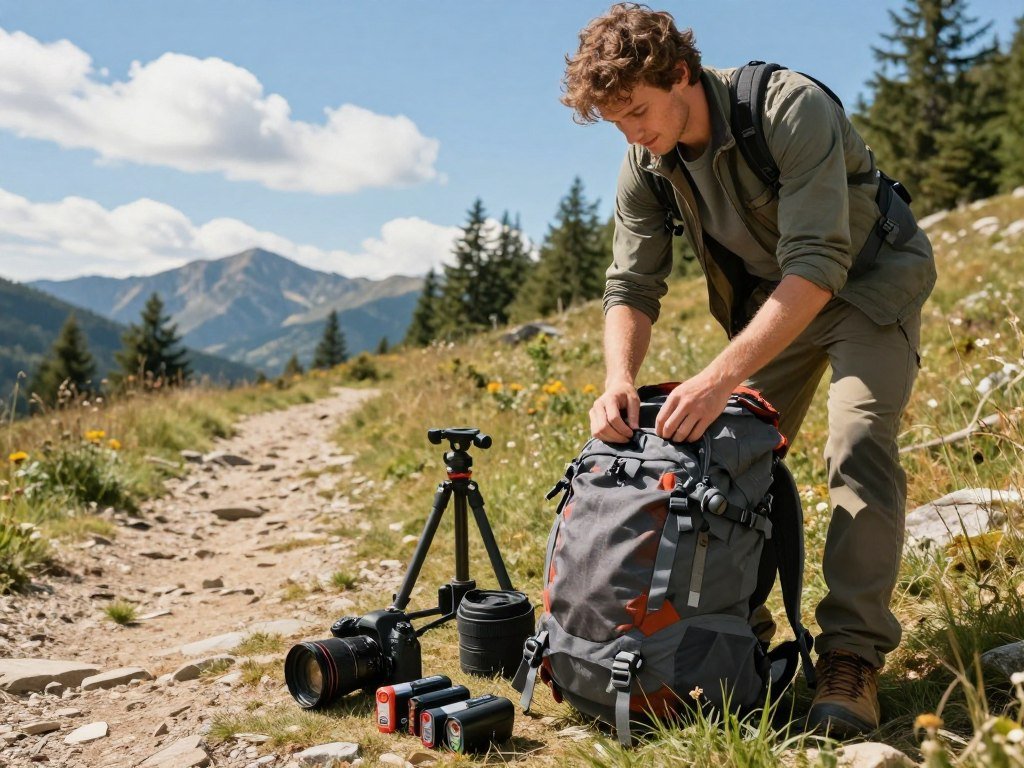
The right setup keeps your camera protected without making every mile feel like a gear haul. A dedicated camera backpack has built-in camera compartments, while a hiking pack can carry a camera insert. A camera insert is a padded, compartmentalized case that protects camera gear inside a larger pack.
Your best camera bag for hiking depends on how far you walk, what else you carry, and how quickly you need your camera. This guide helps photographers weigh comfort against protection for day hikes, overnight trips, and lighter camera loads. Start with the full trail load, not the camera alone.
Key Takeaways
- Choose a pack style based on your total hiking and camera load.
- Match capacity to trail length, food, water, and safety items.
- Check camera access with your usual camera and lens packed.
- Use a rain cover or liner when the weather can change.
- Try a loaded pack before committing to a long hike.
The most useful first decision is how much camera gear and hiking gear you need to carry together.
Which Is the Best Camera Bag for Hiking?
For most hikers who want an outdoor-focused harness with dedicated camera protection, start with the Shimoda Explore V2 35. Its adjustable height, customizable straps, weather-resistant fabric, and included all-weather cover suit a range of trail days. A camera backpack for hiking should be judged by both load fit and access, not capacity alone.
The Shimoda Explore V2 35 is a strong starting point when comfort and weather protection matter. Its adjustable height and straps let you tune the pack to your body and load. Choose another model when you need a smaller everyday carry or more room for camping gear.
| Model | Capacity | Weather provision | Best-fit use |
|---|---|---|---|
| Shimoda Explore V2 35 | 35 liters | Weather-resistant fabric, all-weather cover included | Trail days with camera gear |
| Lowepro Trekker Lite 250 | 25 liters | All-weather cover included | Compact day hikes |
| Lowepro Whistler | 45 liters | All-weather cover included | Large camera and hiking loads |
| Lowepro Whistler 450 BP AW II | 36 liters | All Weather Cover included | Camera kit with external gear |
| WANDRD PRVKE 31L V4 | 31 liters, expands to 35 | Rainfly sold separately | Travel and trail use |
The Trekker Lite weighs 2.2 pounds and includes a removable GearUp camera insert. The Whistler weighs 6.83 pounds and measures 23.62 x 12.99 x 10.04 inches externally. Those details matter when the pack itself takes a large share of your load.
The PRVKE 31L V4 weighs 3.3 pounds and includes a camera cube, while its Rainfly is sold separately. The Whistler 450 BP AW II includes an All Weather Cover. Choose a smaller or larger option when your non-camera load changes the fit more than the camera kit does.

How much camera gear should a trail pack hold?
Start with the complete load, not the camera kit alone, because food, water, and safety essentials take space too. Day-hike packs commonly hold about 20-30 liters, while overnight packs typically hold 40-60 liters. The full load sets the size you need, not the camera body by itself.
A backpack must leave room for layers, water, food, and the Ten Essentials, a recognized hiking-safety checklist. The National Park Service’s Ten Essentials checklist covers items such as navigation, first aid, extra food, and emergency shelter. Do not trade safety gear for another lens.
- Camera body and lenses you plan to use.
- Water and food for the trail time.
- Layers and safety items from your hiking plan.
- Tripod or drone, only if the outing needs one.
A commonly used backpacking rule of thumb keeps a loaded pack at about 20% of your body weight. Your conditioning, terrain, and personal fit can change what feels manageable.
A camera bag for hiking men should fit the wearer’s torso and allow hip-belt adjustment, rather than follow a gender label. The Appalachian Mountain Club’s pack-fit advice explains how a good fit shifts most weight to the hips and lower body. Try the pack with the actual load before committing to a longer trail day.

Is a hiking backpack or camera backpack better for the trail?
For a long hike with a substantial load, a well-fitted hiking pack usually wins on carry comfort; a dedicated camera backpack wins on integrated camera organization. Comfort or access is the key choice. A hiking backpack generally offers better weight distribution and back ventilation, while a camera backpack adds padding and camera pockets.
Choose the pack that carries your whole load more comfortably. The right answer depends on how much camera gear needs padding and how often you need to reach it.

What a hiking pack does better
A hiking pack is built to carry food, water, layers, and other trail gear across long distances. Its frame and hip belt can move more weight off your shoulders, and its back panel often allows more airflow.
The Osprey Talon 44 has a bottom zipper opening, so you can reach gear without opening the top lid. It can also carry a hydration bladder. That layout helps when your camera insert sits near the bottom of the pack.
What a dedicated camera backpack does better
A camera backpack keeps camera gear in padded compartments and small pockets. That built-in organization can protect lenses and help you find small accessories, though it may leave less room for bulky hiking items.
The Osprey Hikelite 26 includes a rain cover and can carry a hydration bladder, but it has no belt. That missing support limits its comfort with heavier loads. Make the choice with a loaded pack on your back, not by comparing empty bags.
Which compact camera backpacks suit day hikes?
A compact pack works best when the camera kit is small enough that you can still carry the day’s essentials. The Trekker Lite is a small camera backpack for hiking with a modest kit, but its insert is slow to reach. A small camera bag for hiking can feel cramped when the insert is hard to reach or leaves little room for personal essentials.
The Trekker Lite insert fits a Sony a7 III with a compact lens attached and one or two additional small lenses. Its insert takes a near-full unzip to reach, which slows access on the trail. A 32-ounce Nalgene fits snugly in its side bottle pocket.
| Model | Stated camera fit | Access design | Day-hike use |
|---|---|---|---|
| Trekker Lite 250 | Sony a7 III, compact lens, one or two small lenses | Insert requires near-full unzip | Modest camera kit |
| Flipside BP 300 AW III | Body with 70-200mm lens, plus three or four lenses | Rear-panel and side access | More lenses and quick reach |
| BackLight Sprint | A6300, 18-105mm lens, extra lenses, drone, GoPro, tripod | Rear-panel access | Camera kit with small extras |
| Peak Design Outdoor Backpack 18L | Day-hike camera carry | Camera-carry features | Light outing with hydration |
The Trekker Lite has a 15-inch laptop compartment and measures 19.3 x 11.4 x 7.3 inches externally. The Flipside BP 300 AW III holds 17 liters, weighs 3.09 pounds, and has a laptop sleeve for a 13-inch laptop. Its rear-panel access and side port give you more ways to reach a camera.
The Think Tank BackLight Sprint has padded shoulder straps, a hip belt, two bottle pockets, and an included rain cover. Its stated test load included an A6300 with an 18-105mm lens, extra lenses, a drone, GoPro, and tripod. The Peak Design Outdoor Backpack 18L is listed for day hikes and has hydration and camera-carry features.
- Camera load: count bodies, lenses, and small accessories.
- Access preference: choose rear, side, or top entry.
- Bottle or tripod carry: check the space and attachment points.
- Laptop sleeve: decide whether a computer needs to travel.
Test the access route with the camera packed in its usual configuration.
What works for overnight and heavier camera loads?
For a large camera kit and accessories strapped outside, the Whistler 450 BP AW II has the clearest trail-oriented attachment setup. Its tripod and hiking-pole attachment points help when you need those items on a gear-heavy outing. External carry can free space inside for camera and camping gear.
Choose the Whistler 450 BP AW II when camera gear and outside attachments are both part of the load. Its layout suits photographers who want one dedicated camera backpack for a larger outing.
Carry extra camera gear with the Whistler
The Lowepro Whistler has a 15-inch laptop compartment and an all-weather cover. Its waterproof front pocket has drainage holes, which help keep wet gear apart from the main camera area.
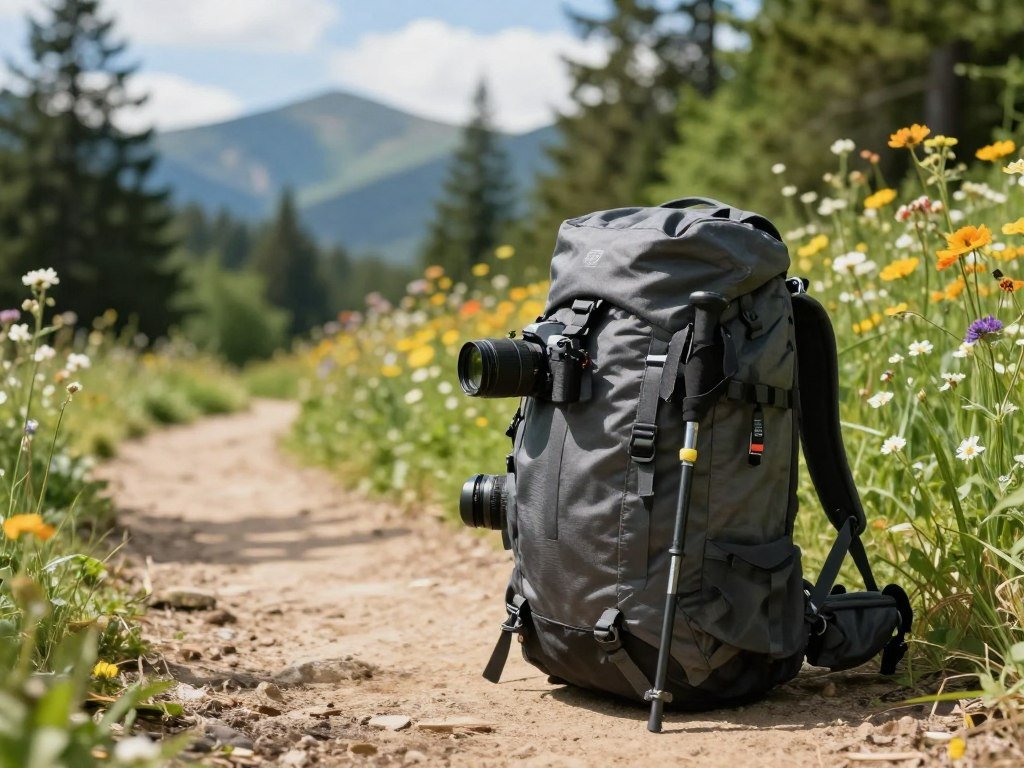
The Whistler 450 BP AW II adds attachment points for a tripod and hiking poles. Those points matter when your hands need to stay free on the trail, and the camera kit already fills much of the pack.
Use a hiking pack for overnight camping gear
The Osprey Exos 58 suits overnight or two-day mountain trips. It can carry camera and camping gear, with a separate camera insert protecting the camera inside the hiking pack.
This setup gives the camping load room without forcing every camera item into built-in compartments. Keep wet items in a separate compartment rather than mixing them with camera gear.
Which camera sling bag stays stable on a hike?
For scrambling or uneven ground, choose the Moment Rugged Camera Sling when stability is the priority. Its 10-liter capacity and stabilization strap help hold the sling close. Its fully packed setup stayed stable during rock scrambling, making it the strongest trail pick here.
The Peak Design Everyday Sling V2 holds 10 liters and has tripod straps, but its loaded camera gear moved around while hiking. The tripod straps do not stop bag movement when the sling carries a full camera load.
| Model | Capacity | Stabilization feature | Trail-relevant detail |
|---|---|---|---|
| Moment Rugged Camera Sling | 10 liters | Stabilization strap | Stayed stable fully packed while scrambling |
| Peak Design Everyday Sling V2 | 10 liters | No stabilization strap stated | Tripod straps, but moved when loaded |
| Nomatic X Peter McKinnon Sling | 8 liters | Stabilization strap | Smaller capacity for a lighter kit |
| Instinct Pro Camera Sling Bag | 7 liters | Stabilization strap | Two mesh pockets for bottle or snacks |
The Nomatic X Peter McKinnon Sling has an 8-liter capacity and a stabilization strap. It suits a smaller load than the 10-liter options. The Instinct Pro Camera Sling Bag holds 7 liters and has two mesh side pockets for a small bottle or snack bars.
Those mesh pockets make the Instinct a useful choice when you want small items outside the main compartment. The Moment’s loaded stability is the clearer match for rough movement. The sling stayed stable while scrambling, even when fully packed.
A sling is best for the camera and small essentials you want to reach without removing a full pack.
How should you carry and organize camera gear on trail?
Use a padded insert when a hiking pack does not have camera-specific protection. The Tenba BYOB 10 fits a camera with a wide- or medium-range telephoto lens attached, plus a DJI Mavic 3 and its remote controller in a side mesh pocket. Choose the insert around the gear you actually bring.
The Tenba BYOB 13 fits a camera with a wide- or medium-range lens attached and a telephoto lens. It can fit a DJI Mavic 3 when you leave the telephoto lens out. Keep the heaviest items low and close to your spine.
Use an insert to protect gear inside a hiking pack
An insert adds padding and compartments without turning your hiking pack into a dedicated camera backpack. The BYOB 10 gives the drone and remote a defined place, while the BYOB 13 makes room for a second lens instead.
Pack the camera and lens combination you need for the route. A separate insert also lets you remove the camera kit when you use the hiking pack without photography gear.
Balance access with a secure load
The Peak Design Capture Camera Clip attaches a camera to a shoulder strap, and its plate is Arca Swiss compatible. It gives faster access on straightforward terrain. Rough or scrambling sections are better suited to securing the camera inside the pack.
- Place heavy items low and near the spine.
- Secure the insert so it cannot shift.
- Adjust shoulder and hip straps with the load in place.
- Check camera access while walking.
Recheck the load after a short walk because shifting gear can change how the pack sits.
Which packs handle rain and hydration?
For exposed or changeable weather, use a rain cover that fits the pack and keep camera gear inside a waterproof liner. Two layers add protection when rain gets past the outer shell. Weather-resistant fabric can slow water, but it does not replace a fitted cover or liner.
A camera hiking backpack with a water bladder works best when its sleeve and hose are easy to reach. Match water access to the route and the pack’s layout.
Protect camera gear when rain starts
A rain cover fits over the outside of a pack, while a pack liner protects gear from water entering through seams or openings. The Osprey Ultralight Raincover comes in three sizes, so match its size to the pack.
The Osprey Ultralight Packliner is fully waterproof and can add a second protective layer. Keep the camera inside the liner when the weather may turn wet, even if the pack fabric resists water.
Choose bottle or bladder access for the hike
The Shimoda Explore V2 has a pocket for a 3-liter hydration bladder and a separate expandable pocket that fits a large Nalgene. That gives you a choice between a hose and a bottle.
The Think Tank BackLight Sprint cannot carry a hydration bladder, so plan on bottles. Check that the cover still fits with the tripod and other gear attached outside.
What makes a camera backpack practical for travel?
A travel pack needs to handle airport restrictions and camera access, but that does not automatically make it comfortable for a long hike. The WANDRD PRVKE 31L V4 has a side hatch and a laptop sleeve for laptops up to 16 inches. Separate access lets you reach the camera without opening the main compartment.
The PRVKE harness is not designed for heavy, long-distance loads. Loads above roughly 20 pounds can be felt in the shoulders, so it suits airport movement better than a long, heavy hike.
Check the camera access and laptop fit
The PRVKE 31L V4 measures 18.5 x 12 x 6.5 inches and has a sleeve for laptops up to 16 inches. Its 10-by-5.5-inch side hatch reaches a camera body with a 24-70mm f/2.8 lens attached.
The best camera bag for international travel depends on whether camera access, laptop carry, or long-distance comfort matters most. The side hatch works well for a quick camera grab, while the computer sleeve keeps a laptop apart from the camera space.
Plan for the airport and the trail separately
The Think Tank BackLight Sprint meets most U.S. and international carry-on requirements. It usually fits under airplane seats or in overhead bins, though airline rules can differ.
The best camera backpack for travel should fit the airline’s current cabin limits and your camera load. Use this checklist before you pack:
- Confirm the airline’s current size rules.
- Pack batteries according to applicable cabin rules.
- Secure camera gear for the trip.
- Keep travel essentials within reach.
Check the airline’s current carry-on rules before flying because limits can vary by carrier.
When is a sling or crossbody better?
Choose a crossbody for a light, compact carry and a sling when you need more room and a closer-fitting camera setup. A crossbody suits a small camera or everyday essentials, while a sling gives you quicker access to more camera gear.
The Fjallraven High Coast Crossbody Bag has a tested volume of 3 liters and a measured weight of 10.58 ounces. The Cotopaxi 13L Chasqui sling has a tested volume of 13 liters and weighs 19.2 ounces. The larger sling holds over four times the measured volume.
The Cotopaxi’s load-lifter strap secures the bag across your body. That helps keep the sling in place, but a bigger bag still needs a careful fit on uneven ground. The measured 3-liter crossbody volume gives you a clear sense of how compact the Fjallraven is.
A small crossbody keeps the carry light when you need only a camera and a few daily items. A larger sling makes sense when you want room for extra accessories and a quick camera reach.
Try each style with the intended load and check that it stays in place as you move.
Conclusion
The best choice is the one that carries your actual camera and trail essentials comfortably. For longer, heavier routes, prioritize a well-fitted hiking pack. Choose a dedicated camera backpack when camera protection and access matter more.
Fit can change once a pack holds a camera, water, food, and layers. Load your leading option with your own gear and take a short test walk before choosing it for a full hike.
FAQ
What is the best way to carry a camera while hiking?
Use a padded insert inside a hiking pack for protection, or a shoulder-strap clip for quick access on straightforward terrain. Secure the camera inside the pack before rough or scrambling sections. Keep the clip setup limited to a camera you can carry safely without making the pack pull to one side. A stable load matters more than having the camera out at every moment.
What is the best camera backpack for hiking?
The Shimoda Explore V2 35 is a strong all-around choice for hikers who want an adjustable harness and weather protection. Its customizable straps and included cover suit varied trail days. The best fit still depends on your torso, camera kit, and hiking load. Try it with the gear you plan to carry, since an empty pack can feel very different.
What is the 20% rule for backpacking?
The 20% rule is a rule of thumb to keep a loaded pack at about 20% or less of your body weight. It can help you check whether your planned load may feel too heavy. Terrain, conditioning, and pack fit change what feels manageable. A steep route or a poorly fitted pack can feel harder than an easier trail with the same weight.
What is the best camera sling bag for hiking?
The Moment Rugged Camera Sling is the trail-stability pick among these options, with a stabilization strap and 10-liter capacity. Its loaded setup stayed stable during rock scrambling. A sling suits a camera and a few small essentials, not a full overnight load. Check that the strap holds the bag close before carrying it over uneven ground.
Which is better, a sling bag or a crossbody?
A sling suits quick camera access and a larger load, while a small crossbody works better for light everyday essentials. A crossbody can carry a compact camera and a few small items without the bulk of a larger bag. Pick a sling when extra camera gear needs to stay close. Try the bag with the weight you plan to carry.
Which brand has the best sling bags?
For hiking stability, Moment is the strongest fit here; choose the Instinct Pro when mesh bottle or snack pockets matter more. The Moment Rugged sling stayed stable when fully packed during scrambling. The Instinct Pro has two mesh side pockets and a stabilization strap. Your choice comes down to how you carry small trail items and how much camera gear you bring.
What is a good travel camera sling bag?
The Peak Design Everyday Sling V2 offers 10 liters of space and tripod straps, though a loaded camera setup may move around on a hike. It can suit airport days or lighter walks when you want a small camera bag. The straps add a place for a tripod, but they do not keep the sling from shifting under a heavier load. Test it with your camera packed.
What is the best camera bag brand?
Shimoda is a strong starting point for trail comfort and weather protection, while Lowepro offers compact camera carry and larger weather-ready loads. The right brand depends on the pack style and camera load you need. Compare the harness, camera access, and space for hiking essentials. A good fit for your body and route matters more than a brand name alone.