
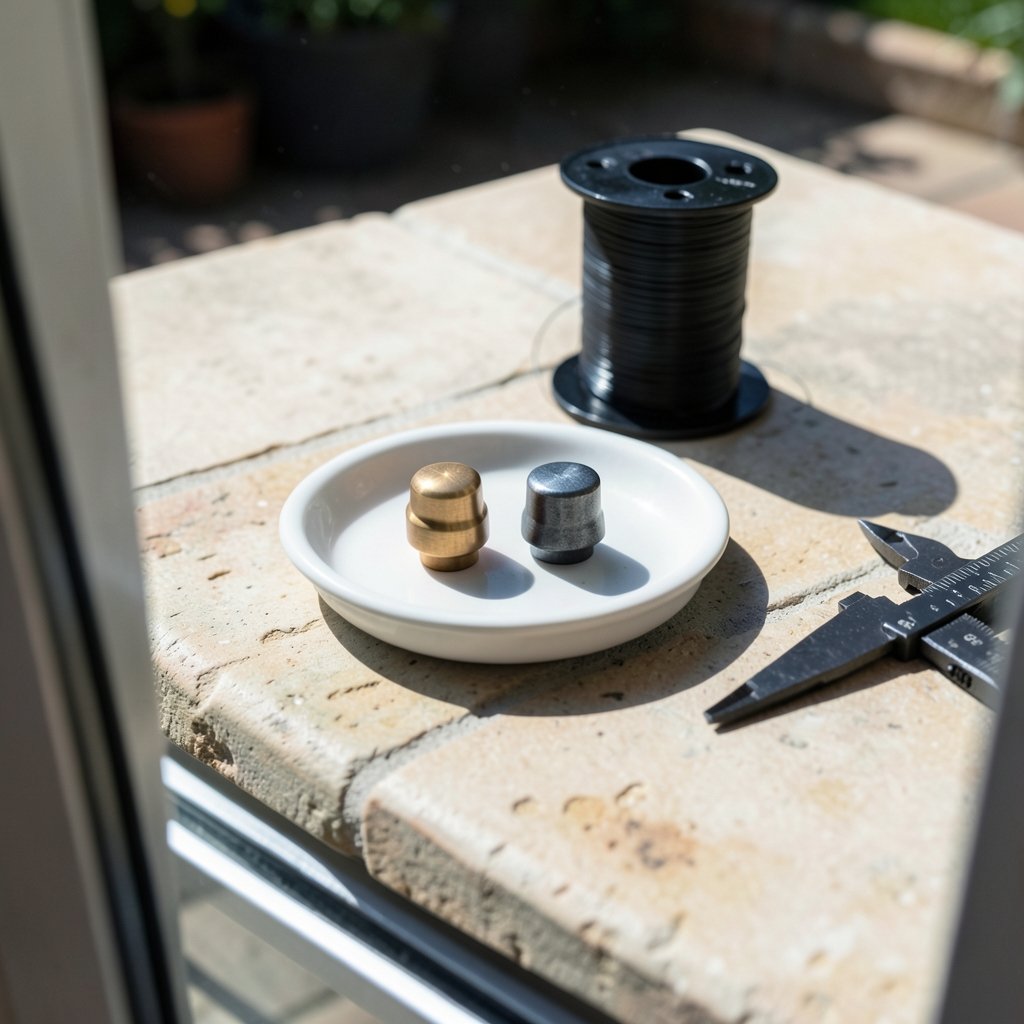
What happens when you feed a spool of carbon-fiber nylon into a printer fitted with a standard brass nozzle? For a while, nothing. Prints look fine. Then, a few spools later, corners start to look fuzzy, extrusion gets inconsistent, and the nozzle hole that was once a crisp 0.4 mm has quietly opened up to something closer to 0.6 mm. That slow, invisible wear is the heart of the brass versus hardened steel debate, and it is the reason two nozzles that look identical can behave very differently over a year of printing.
Why Nozzle Material Matters More Than Most People Think
The nozzle is the last thing filament touches before it becomes a part. It controls the size of the extrusion, the surface finish, and, to a surprising degree, how much heat actually reaches the plastic. Swap materials and you change three things at once: how fast heat moves, how long the tip survives, and how much you pay.
Brass has been the default for years because it is cheap, machines beautifully, and conducts heat extremely well. Hardened steel arrived as a response to abrasive filaments, and it trades some thermal performance for durability. Neither is universally better. The right answer depends on what is coming out of the spool.
What Brass Nozzles Do Well
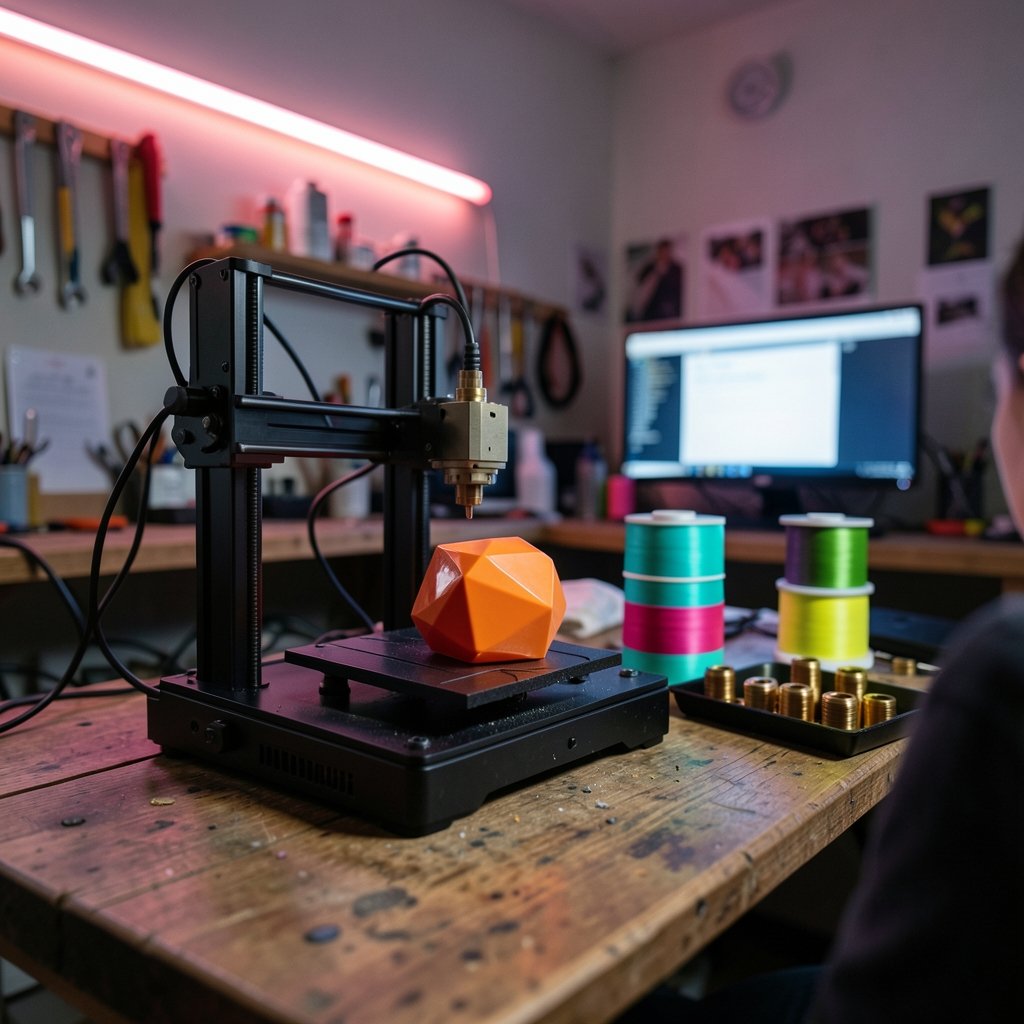
Brass is a copper-zinc alloy, and its thermal conductivity is roughly 100 to 120 W/m·K depending on the exact alloy. That number matters because heat has to travel from the heater block through the nozzle body to the tip, where it melts plastic. Good conductivity means the nozzle recovers temperature quickly during high-flow printing and holds a stable melt zone.
Brass also machines cleanly, which is why brass nozzles tend to have smooth internal geometry and consistent orifice sizes at low cost. For PLA, PETG, TPU, and most standard filaments, a brass nozzle produces excellent surface finish and predictable extrusion. Many experienced printers keep a brass nozzle mounted for everyday materials and only switch when abrasives come out.
The weakness is hardness. Brass sits somewhere around 90 to 120 HV depending on alloy and temper, which is soft in abrasive terms. Carbon-fiber filled filament, glass-fiber filled filament, metal-filled filament, and glow-in-the-dark filament all contain hard particles that act like sandpaper at printing temperatures. A brass nozzle running these materials will wear, and it will wear faster than most people expect.
There is a second, less-discussed issue: lead content. Some free-machining brass alloys contain small amounts of lead to improve machinability. Lead content varies by alloy and region, so the practical move is to check the supplier’s material certificate rather than assume either way, especially if the printer is used around children. If that is a concern in your household, it is worth pairing a nozzle choice with sensible machine selection, and a guide to the best 3D printer for kids can help frame the broader safety picture.
What Hardened Steel Nozzles Do Well
Hardened steel nozzles are typically made from tool steel that has been heat-treated, often quoted in the range of 50 to 60 HRC, which translates to roughly 500 to 700 HV or more. That is several times harder than brass, and it is the reason hardened steel is the standard recommendation for abrasive filaments.
The practical benefit is dimensional stability. A hardened steel nozzle holds its orifice diameter far longer under abrasive load, so extrusion width stays consistent and print quality does not drift. For anyone printing structural parts in carbon-fiber nylon or glass-filled materials, that consistency is the whole point.
The trade-off is thermal conductivity. Hardened tool steel conducts heat at roughly 20 to 30 W/m·K, which is several times lower than brass. In practice this shows up as a nozzle that heats more slowly, recovers temperature less aggressively at high flow rates, and may need slightly higher set temperatures or reduced volumetric flow to hit the same results. On a standard printer running moderate speeds, many users notice little difference. On a high-flow machine pushing large volumes, the gap becomes visible.
One more caveat: “hardened steel” is not a single specification. Hardness, coating, and internal geometry vary widely between manufacturers, and a cheap uncoated steel nozzle is not the same product as a precision-made hardened one. Vendor documentation is the only reliable guide here.
Head-to-Head Comparison
| Factor | Brass | Hardened Steel |
|---|---|---|
| Hardness | Roughly 90–120 HV | Roughly 500–700+ HV |
| Thermal conductivity | Roughly 100–120 W/m·K | Roughly 20–30 W/m·K |
| Abrasive filament life | Short, wears visibly | Long, holds diameter |
| Surface finish on standard filament | Excellent | Good, occasionally slightly different |
| Cost | Low | Moderate to high |
| Best for | PLA, PETG, TPU, standard materials | Carbon fiber, glass fiber, metal fill, glow filament |
| High-flow performance | Strong | Requires tuning |
The table tells most of the story, but the numbers deserve a caveat. Hardness and conductivity values shift with alloy and heat treatment, and most wear comparisons in the community come from vendor guidance and user reports rather than controlled laboratory studies. Treat the figures as order-of-magnitude guides, not specifications.
How to Match the Nozzle to the Filament
The decision rule is simpler than the marketing suggests. Ask one question: does the filament contain hard particles?
If the answer is no, brass is usually the better choice. It costs less, heats faster, and delivers the finish most people want. If the answer is yes, hardened steel pays for itself. A worn brass nozzle degrades quality and silently changes the effective orifice size, which throws off flow calibration and makes every print a little less predictable.
A practical middle path many printers use: keep one brass nozzle for everyday materials and one hardened steel nozzle for abrasives, and swap them when the spool changes. Swapping takes a few minutes and preserves the thermal advantages of brass for the majority of printing. (Fused deposition modeling)
Common Mistakes That Cost Money and Print Quality
The first mistake is assuming a hardened steel nozzle is a universal upgrade. It is not. For non-abrasive filaments, brass often matches or beats steel on surface finish and thermal response at a fraction of the cost. Buying steel “just to be safe” adds expense and can introduce tuning headaches for no benefit.
The second mistake is ignoring temperature. Because steel conducts heat less efficiently, dropping in a hardened nozzle without adjusting temperature or flow can produce under-extrusion that looks like a clog. Raising the hotend temperature slightly and slowing high-flow prints usually resolves it.
The third mistake is running abrasives through brass and calling the resulting quality loss a mystery. If extrusion width has drifted and the nozzle has printed several spools of filled material, the nozzle is the first suspect, not the slicer profile.
The fourth mistake is buying the cheapest steel nozzle available. Precision matters more with steel because the geometry has to compensate for lower conductivity. A poorly made hardened nozzle can be worse than a good brass one.
For anyone still assembling a first setup, the same logic applies at the machine level: match the hardware to the materials you actually plan to use. A guide to the best 3D printer for beginners covers how nozzle choices fit into a sensible starter configuration, and a roundup of the best budget 3D printer options helps weigh where to spend and where to save.
Maintenance Habits That Extend Nozzle Life
Nozzle wear is not only about material. Habits matter.
- Cold pulls and cleaning: Regular cold pulls remove carbonized residue that accelerates wear and clogs.
- Filament storage: Wet filament prints at higher temperatures and stresses the hotend. Dry boxes help.
- Torque discipline: Overtightening a nozzle against a hot heater block can deform the tip. Follow the manufacturer’s torque guidance.
- Spare parts: Nozzles are consumables. Keeping a spare brass and a spare hardened steel nozzle on hand avoids downtime.
- Record keeping: Note which nozzle printed which material. Wear is cumulative and easy to forget.
These habits cost almost nothing and prevent most of the failures people blame on “bad nozzles.”
When to Replace Rather Than Switch
A brass nozzle that has run abrasive filament is usually past saving. Replacement is cheaper than diagnosis. Signs it is time: extrusion width drifting wider than the slicer setting, visible ovality at the tip, or persistent partial clogs that cleaning does not fix.
Hardened steel nozzles last much longer but are not immortal. Coated nozzles can lose their coating, and steel can still erode over many spools of highly loaded filament. If print quality degrades after long service, replacement is the pragmatic answer.
Conclusion
Brass and hardened steel are not rivals so much as specialists. Brass wins on heat transfer, cost, and finish for the materials most people print most of the time. Hardened steel wins on durability the moment abrasive particles enter the melt zone. The smartest approach is not to pick a side but to match the nozzle to the spool: brass for everyday printing, hardened steel for carbon fiber, glass fiber, metal fill, and glow filament, with a small temperature adjustment when switching. That single habit prevents most of the wear, clogs, and mystery quality drops that send printers down long troubleshooting paths.
Frequently Asked Questions
Can I print carbon fiber filament with a brass nozzle?
You can, but it will wear quickly. Carbon-fiber filament contains hard particles that erode brass, enlarging the orifice and degrading print quality over time. A hardened steel nozzle is the appropriate choice for any sustained use of abrasive filament.
Does a hardened steel nozzle need a higher printing temperature?
Often, yes, slightly. Steel conducts heat less efficiently than brass, so the tip may run cooler at high flow rates. Raising the hotend temperature by around 5 to 10 °C and moderating volumetric flow usually restores consistent extrusion.
Is hardened steel always better than brass?
No. For non-abrasive filaments like PLA, PETG, and TPU, brass typically delivers equal or better surface finish and thermal performance at lower cost. Hardened steel is a durability upgrade specifically for abrasive materials.
How long does a brass nozzle last?
It depends entirely on what it prints. With standard filaments, a brass nozzle can last a long time. With abrasive filament, wear can become noticeable within a few spools. There is no single number because wear rates depend on filler loading and print volume.
Are all hardened steel nozzles the same?
No. Hardness, heat treatment, coating, and internal geometry vary widely between manufacturers. “Hardened steel” is not a standardized specification, so check the maker’s published material and hardness data before buying.
Do I need a different nozzle for glow-in-the-dark filament?
Yes, ideally. Glow-in-the-dark filament contains abrasive phosphorescent particles that wear brass quickly. A hardened steel nozzle is the safer long-term choice for repeated use.
Final Takeaway
The brass-versus-hardened-steel question resolves cleanly once you stop treating it as a single purchase decision. Nozzles are consumables with different jobs, and the cost of owning one of each is modest compared with the cost of ruined prints, wasted filament, and hours spent chasing a flow problem that was really a worn orifice. Buy brass for the filaments that make up most of your printing, buy hardened steel for the ones that contain hard particles, and label them so you never mix them up. Check the manufacturer’s hardness and material data when you buy steel, adjust temperature when you switch, and replace rather than diagnose once wear is visible. That approach keeps print quality predictable, protects your hotend, and lets each nozzle do the job it was actually designed for.



