
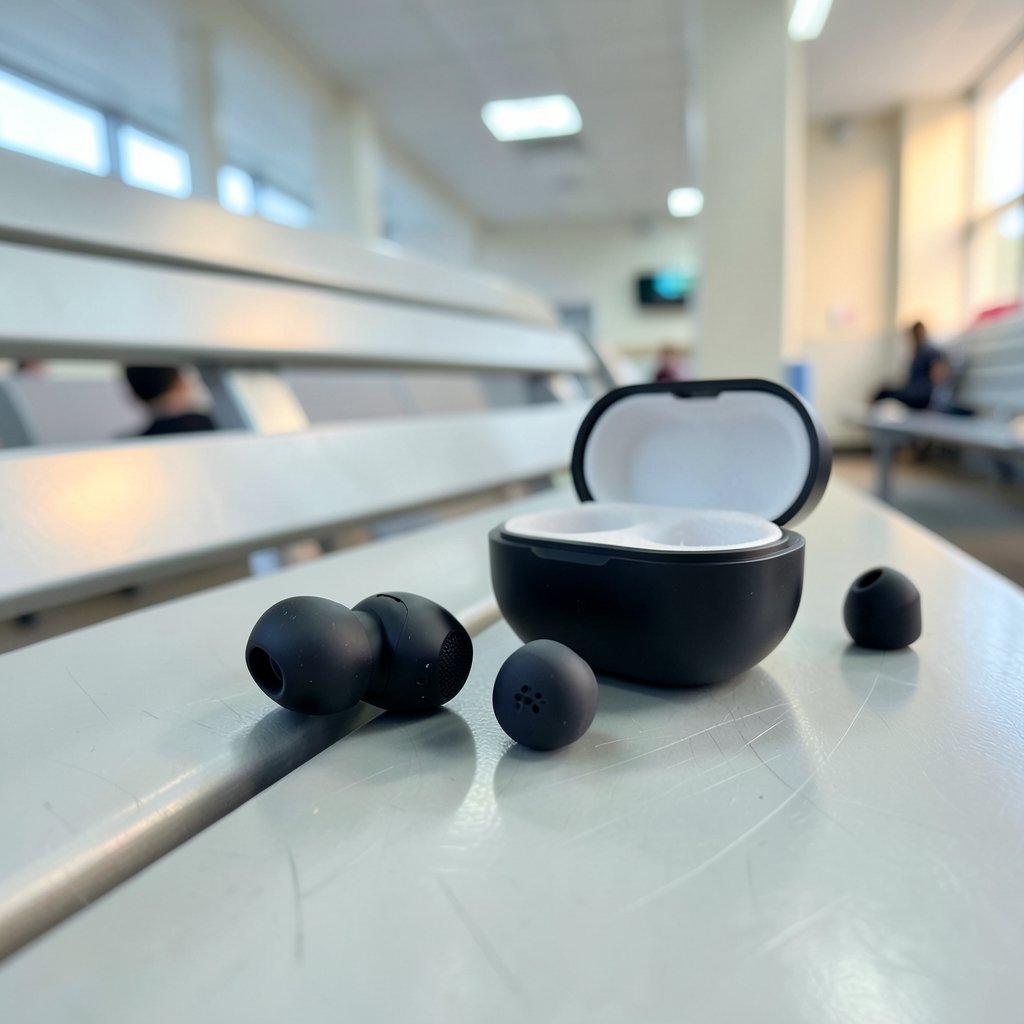
You put in a new pair of noise-cancelling earbuds, the world goes quiet, and then it hits you: a strange fullness, like your ears need to pop on a flight. What is that? The pressure feeling with ANC wireless earbuds is one of the most common complaints in reviews and forums, and it sends plenty of buyers back to the return desk. The good news is that it is usually explainable, often fixable, and rarely a sign that anything is wrong with your ears. This guide breaks down what causes the sensation, which habits make it worse, and how to keep the quiet without the squeeze.
What the Pressure Feeling Actually Is
Here is the first surprise for most people: active noise cancellation does not pump air into your ears or suck it out. ANC works with tiny microphones that listen to the world, plus circuitry that plays an opposite sound wave to cancel the noise. That is a sound trick, not a pressure trick.
So why does it feel physical? Two things are happening at once.
The first is the occlusion effect. Any earbud that seals your ear canal traps low-frequency sound, including the thump of your own voice, heartbeat, and footsteps. Your brain reads that trapped, boomy sound as fullness or blockage. This happens with sealed earbuds whether ANC is on or off.
The second is psychoacoustic confusion. ANC removes the low rumble of engines, fans, and traffic that your brain uses as background context. When that layer vanishes, the remaining silence can feel unnatural, and many listeners describe it as pressure, vacuum, or “being underwater.” The sensation is real to the wearer even when no measurable pressure change exists.
Worth knowing: researchers still debate whether sealed tips cause small actual pressure changes or whether the feeling is purely perceptual. Either way, the fix list below works for both cases.
Why Some People Feel It and Others Don’t
Sensitivity varies a lot from person to person. A few factors make you more likely to notice it:
- Ear canal shape and size. Narrow or bendy canals make a proper seal harder, and a half-seal creates uneven pressure.
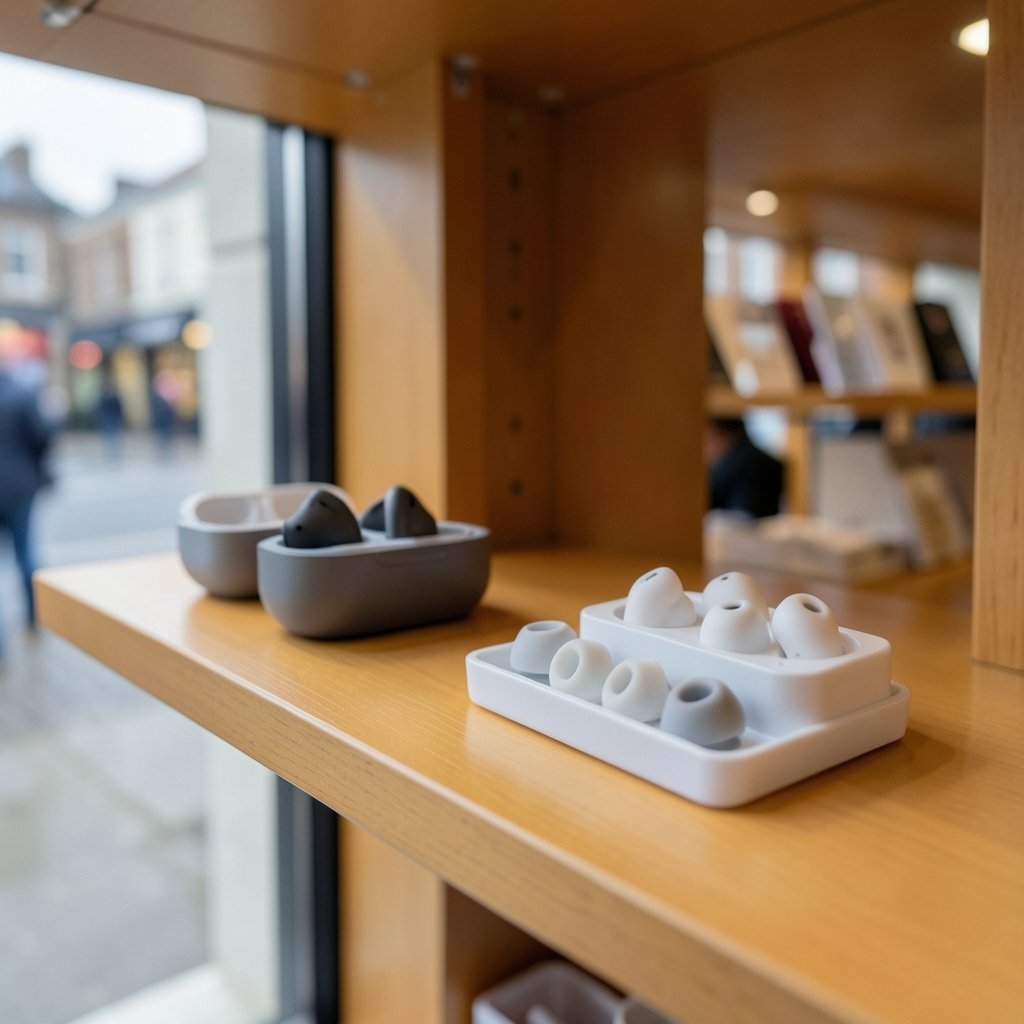
- Tip material. Hard silicone tips seal aggressively. Foam tips compress and expand, which many users find gentler.
- ANC strength. Stronger cancellation means a bigger drop in low-frequency sound, which is exactly the range tied to the pressure illusion.
- Fit depth. Pushing buds too deep increases the occlusion effect. Shallow fits feel lighter but may leak sound.
- Experience. New users notice the sensation more. Most long-term users report it fading within days as the brain adapts.
If you have ever felt your ears “close up” on a plane or in an elevator, you are probably in the more sensitive group. That is normal and not a defect in the buds.
Common Mistakes That Make It Worse
Most complaints trace back to fit and habits rather than hardware. These are the mistakes that show up again and again:
- Using the pre-installed tips. They are a middle size that fits almost nobody well. Try every size in the box, one ear at a time.
- Jamming the buds deep. Deeper insertion does not improve noise cancellation. A light, secure seal usually sounds better and feels lighter.
- Running ANC at maximum all day. Constant maximum cancellation gives your ears no break from the altered sound field.
- Ignoring transparency mode. Switching on passthrough often makes the pressure feeling drop sharply.
- Buying for ANC alone. Fit and tip design matter just as much. Browsing a well-rounded list of the best wireless earbuds under 200 in 2026 makes it easier to compare fit and comfort as well as decibel ratings.
- Never taking them out. Even a 10-minute break every couple of hours helps ears reset.
How to Reduce the Pressure Feeling: A Practical Checklist
Work through these steps in order. Most people find relief within the first three.
- Reseat the buds. Pull the ear up and back, insert gently, and twist slightly. The seal should feel snug, not stuffed.
- Swap the tips. Move one size down. If you use silicone, try foam. Foam tips are the single most-recommended fix for pressure complaints.
- Switch to transparency mode. If the feeling vanishes instantly, the cause is the ANC sound field, not your ears.
- Lower the ANC level. Many apps offer adjustable cancellation. Dropping from maximum to medium keeps most of the quiet with less of the odd sensation.
- Check for pressure-relief vents. Some models build in small vents designed to equalize. If yours has them, make sure the mesh is not clogged with earwax.
- Take scheduled breaks. Fifteen minutes off every two hours is a simple habit that prevents cumulative discomfort.
- Try a different model. Fit geometry varies wildly between brands. A pair that feels tight for one person can feel weightless for another.
Quick comparison of fixes
| Fix | Effort | Works best for | Trade-off |
|---|---|---|---|
| Foam tips | Low | Occlusion-related fullness | Slightly less bass punch |
| Transparency mode | Very low | ANC-related vacuum feeling | Less noise blocking |
| Smaller tip size | Low | Over-stuffed, tight sensation | Possible seal leak |
| Lower ANC level | Low | Strong-cancellation discomfort | More background noise |
| Shallow fit | Medium | Deep-insertion pressure | Weaker isolation |
| Different model | High | Persistent discomfort | Cost and return hassle |
Fit Advice by Use Case
The right setup depends on what you are doing. A few practical notes:
- Commuting and flights. This is where ANC shines, and also where the pressure illusion is strongest because cabin rumble is exactly what gets cancelled. If you fly often, test the buds on a noisy bus before a long trip. For calls in loud places, the best earbuds for phone calls and meetings tend to combine decent ANC with mics that work in wind, so you can keep cancellation moderate.
- Working out. Movement loosens seals, and people often push buds deeper to compensate, which worsens the fullness. Sport-focused picks with wing tips hold a seal with less insertion force. A roundup of the best wireless earbuds for working out is a good starting point.
- Android users. Some Android phones pair with buds that expose ANC level controls in the companion app, which makes step four above easy. See the best earbuds for Android for options with adjustable cancellation.
- Desk and gaming sessions. Long sessions are where breaks matter most. If you wear a headset for hours, the same fit rules apply, and the best wireless gaming headsets in 2026 roundup covers comfort-focused designs.
When the Feeling Is a Warning Sign
A mild fullness that fades when you remove the buds is common and not concerning. Pay attention if you notice:
- Pain, ringing, or muffled hearing that persists after you take the buds out.
- Discharge or itching in the ear canal, which can signal irritation or infection.
- Dizziness or nausea while wearing them.
- Worsening symptoms over days rather than improvement.
In those cases, stop using the earbuds and see a doctor or audiologist. Also keep volume moderate. Hearing specialists generally recommend the 60/60 rule: no more than 60 percent volume for no more than 60 minutes at a stretch. The World Health Organization has flagged headphone volume as a major avoidable risk to hearing, and its guidance on safe listening is worth a read. (About Hearing Loss)
Do All ANC Earbuds Cause It?
No. Plenty of users feel nothing at all, and some models are consistently described as gentler than others. Design choices that seem to help include:
- Adjustable ANC levels rather than a single on/off switch.
- Pressure-relief vents in the housing.
- Foam tips included in the box.
- A well-tuned transparency mode that sounds natural rather than amplified.
Brand claims about “pressure-free” designs should be treated as marketing until you try them. Fit is personal, and the only reliable test is wearing a pair for an hour in a realistic setting. Buy from retailers with easy returns, and test early.
The Psychology Matters Too
Part of the discomfort is simply unfamiliarity. Your brain constantly monitors background sound, and ANC removes a layer it expects to hear. That mismatch can register as a physical sensation. Give yourself a week of short sessions, starting at 30 minutes and building up, and the odd feeling often fades on its own. If it does not fade after a week of sensible use, the buds probably are not the right fit for your ears, and that is a hardware answer, not a personal failing.
Conclusion
The pressure feeling from ANC wireless earbuds is rarely about actual air pressure. It is mostly the occlusion effect from sealed tips plus the brain’s reaction to a suddenly quiet low end. That means the fix is usually mechanical and simple: better tips, a lighter fit, transparency mode when you need a break, and adjustable cancellation instead of maximum all day. Start with foam tips and one size down, test in a noisy real-world setting within the return window, and give your ears a short adjustment period. If discomfort persists or comes with pain or ringing, stop using the buds and get a professional opinion. Quiet should feel comfortable, and with the right fit, it usually does.
Frequently Asked Questions
Do ANC earbuds actually change the pressure in your ears?
Generally, no. ANC cancels sound with anti-phase audio, not by moving air. The sensation most users describe comes from the occlusion effect of sealed tips and the brain’s response to removed low-frequency noise, though researchers still debate whether small real pressure changes play a role.
Why do my earbuds feel like a vacuum only when ANC is on?
That points to the sound field rather than fit. When ANC strips out engine rumble and fan noise, the sudden quiet can feel like suction. Switching to transparency mode is the fastest test: if the feeling disappears instantly, ANC is the trigger.
Are foam tips really better for pressure discomfort?
For many users, yes. Foam compresses to fit the canal and expands gently, which creates a seal with less insertion force than rigid silicone. That tends to reduce the trapped-sound fullness many people associate with pressure.
Is the pressure feeling dangerous?
A mild fullness that goes away when you remove the buds is common and not considered harmful. Stop using them and seek medical advice if you get pain, ringing, dizziness, or muffled hearing that lingers after removal.
How long does it take to get used to ANC?
Many new users adapt within a week of short, regular sessions. Start with 30 minutes at a time and build up. If discomfort is unchanged after a week of sensible use, try different tips or a different model rather than pushing through.
Can I get noise cancellation without the pressure feeling?
Often, yes. Look for buds with adjustable ANC levels, pressure-relief vents, foam tips in the box, and a natural-sounding transparency mode. Test them early in a noisy setting and buy where returns are easy, since fit varies so much between people.
Finally, keep expectations realistic. No earbud eliminates the sensation for every wearer, and the “perfect” pair is simply the one you forget you are wearing. When shopping, prioritize a generous return window over spec sheets, and treat the first week as a trial rather than a commitment. Small adjustments, made patiently, resolve the vast majority of complaints.



