
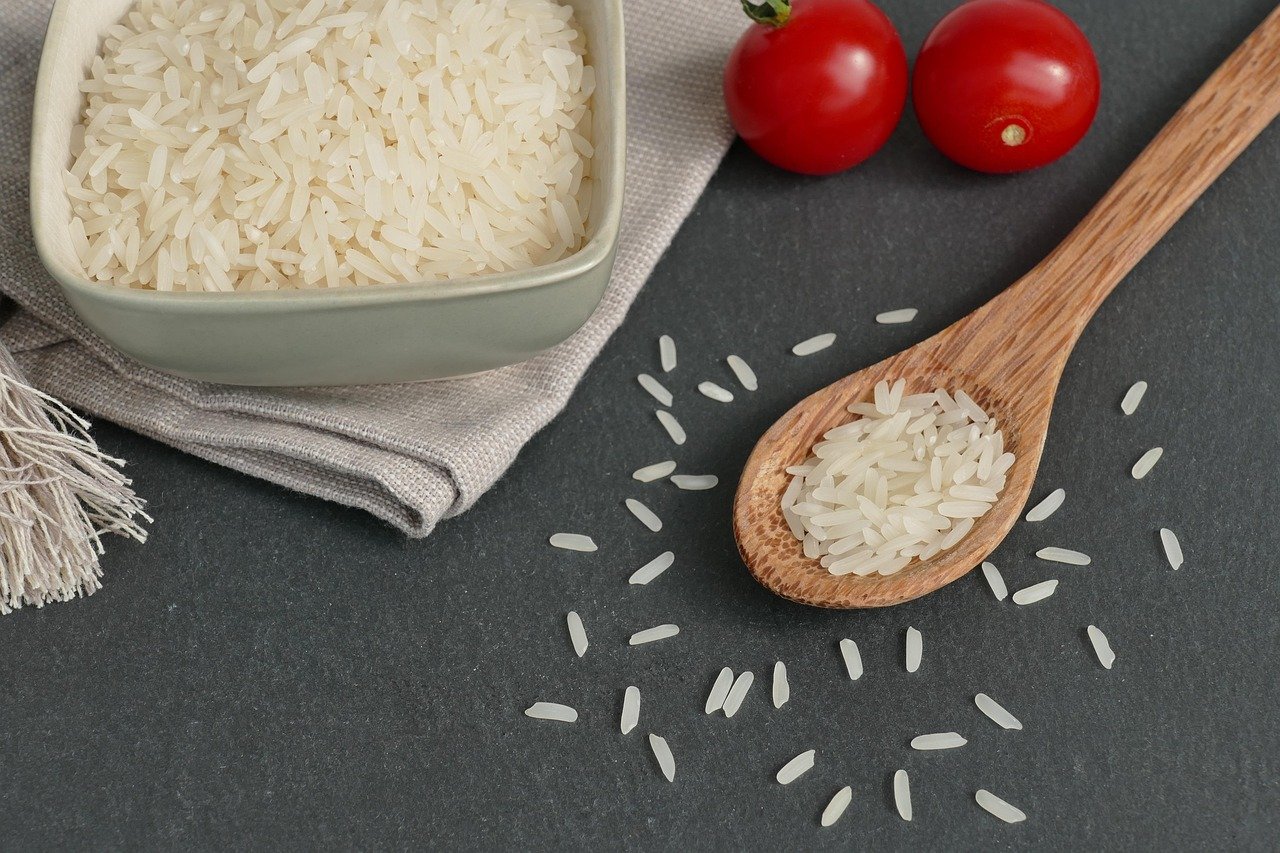
Why does restaurant basmati arrive at the table looking like tiny, perfect needles, while home-cooked batches so often turn out as one sad, sticky clump? The answer is not a secret ingredient or a fancy rice cooker. It comes down to a handful of small decisions, made in the right order, that almost anyone can repeat on a Tuesday night with an ordinary pot.
This guide walks through the whole process: choosing the rice, rinsing it properly, deciding whether to soak, picking a water ratio, and finishing with a rest that makes a real difference. It also covers the mistakes that trip up even experienced cooks, plus a few ways to dress the rice up once the technique is solid.
Start With the Right Rice
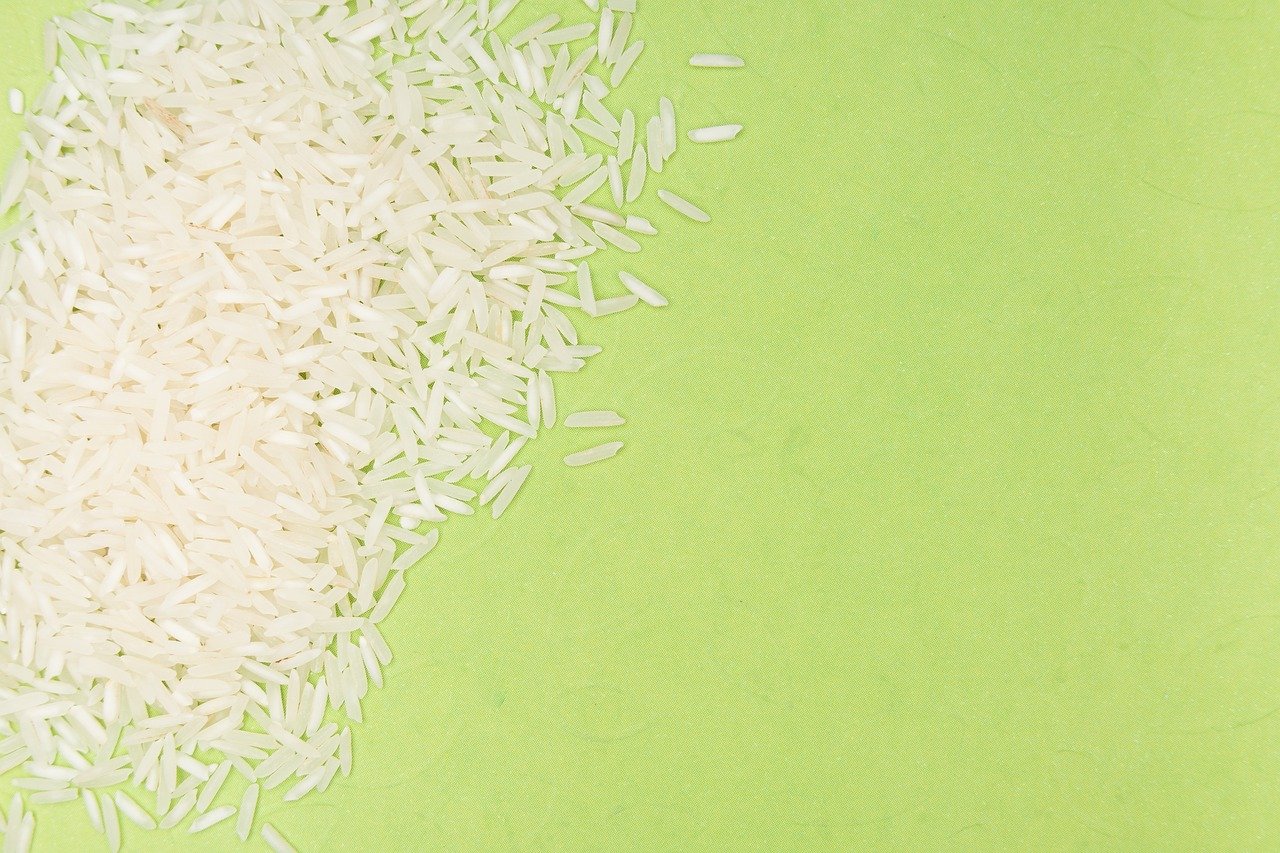
Basmati is a long-grain aromatic rice grown mainly in the foothills of the Himalayas, and it behaves differently from ordinary long-grain rice. Its grains are longer, firmer, and far less prone to clumping. The encyclopedia overview of basmati rice explains the variety’s regional standards and why age matters, which is useful background before shopping.
Here is the practical part. Aged basmati is often prized because it has dried out over months of storage, so it absorbs less water and cooks to firmer, more separate grains. Younger rice can work fine too, but it tends to be a little softer and needs slightly less water. If a package advertises “aged,” that is usually a sign of quality rather than a marketing trick.
The other thing to check is the label. Real basmati is a protected name with defined standards, so cheap “basmati-style” rice is a different product. It will still cook, but the results will not match what the recipe promises.
Rinse Until the Water Runs Clear
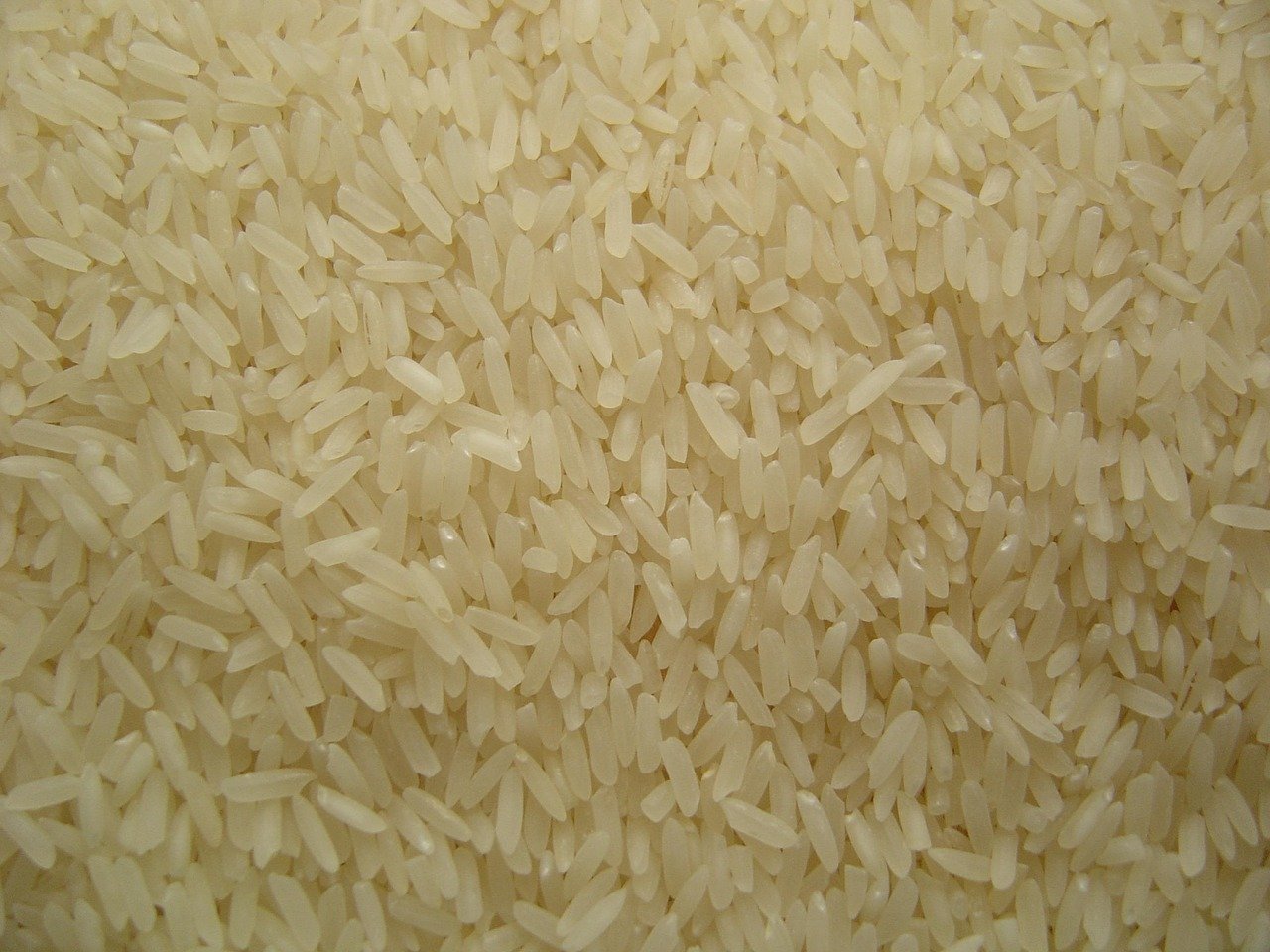
This is the step most home cooks skip, and it is the one that fixes the most problems. Dry rice carries a coat of loose surface starch. When that starch hits hot water, it turns into a glue that fuses grains together.
Put the rice in a bowl or a fine-mesh sieve, cover it with cool water, and swirl it with your fingers. The water will turn milky almost immediately. Pour it off, add fresh water, and repeat. Most basmati needs three to five rinses before the water stays mostly clear. It takes about a minute, and it is the single biggest upgrade to texture you can make.
A common mistake here is rushing with a quick rinse under the tap while the rice sits in a sieve. The grains at the bottom of the pile never get touched. Agitating the rice in a bowl of water does a far better job.
Should You Soak It?
Opinion is genuinely divided, and both camps have a point. Soaking basmati for 15 to 30 minutes softens the grain slightly, shortens the cooking time, and helps the rice cook more evenly from center to tip. Many traditional recipes treat soaking as standard.
It is not essential, though. If you are short on time, a thorough rinse and a slightly longer cook will still produce good rice. The practical advice: soak when you have the time and want the longest, most elegant grains, and skip it when you do not. Do not soak for hours, though. Over-soaked rice turns mushy and breaks apart.
One detail worth getting right is the soak water. Use cool water, not hot, and drain the rice well afterward. Rice that goes into the pot still dripping wet throws off your water measurement.
Pick Your Water Ratio
There is no single official standard for how much water basmati needs. Published recipes range from roughly 1 part rice to 1.5 parts water up to 1 part rice to 2 parts water, and the right number depends on your method, your pot, and whether the rice was soaked. (Basmati rice: Wikipedia encyclopedia entry)
| Method | Rice to water (by volume) | Typical time | Best for |
|---|---|---|---|
| Absorption, soaked rice | 1: 1.5 | 10–12 minutes | Weeknight portions |
| Absorption, unsoaked rice | 1: 1.75 to 1: 2 | 12–15 minutes | When you skip the soak |
| Boiling and draining | Large pot of water | 6–8 minutes | Big batches, foolproof texture |
If your package has instructions, follow them first. Manufacturers test their own product. Treat any recipe ratio, including the ones above, as a starting point you adjust after the first batch.
A wide, heavy pot with a tight-fitting lid gives the most predictable results. Thin pots lose heat fast, so the rice at the bottom scorches while the top stays crunchy.
The Absorption Method, Step by Step
This is the method most people mean when they talk about cooking rice, and it works beautifully once you have the basics down.
- Rinse the rice until the water runs clear, then drain it well.
- Soak for 15 to 30 minutes if you have time, then drain again thoroughly.
- Put the rice in a heavy pot and add your measured water. Add salt now, to taste. Amounts vary widely between sources, so season as you would pasta water and adjust next time.
- Bring to a full boil over medium-high heat, uncovered.
- As soon as it boils, reduce the heat to its lowest setting, put the lid on, and simmer. Do not lift the lid. Steam is doing the work.
- Cook for 10 to 15 minutes, depending on whether the rice was soaked.
- Take the pot off the heat and let it rest, still covered, for 5 to 10 minutes. This final rest lets the moisture even out through every grain.
- Fluff gently with a fork, not a spoon. A spoon smashes grains together; a fork separates them.
The lid rule is where people go wrong. Every time the lid comes off, steam escapes and the temperature drops, and the cook compensates by adding water or cooking longer. Both lead to sticky rice.
The Boiling and Draining Method
If you are feeding a crowd, or you simply do not trust yourself to nail the absorption timing, the draining method is remarkably forgiving. It works on the same principle as cooking pasta.
Bring a large pot of generously salted water to a rolling boil. Add the rinsed rice and boil for 6 to 8 minutes, testing a grain or two as you go. You are looking for rice that is tender with just a hint of bite at the center. Drain it in a sieve or colander, then return it to the warm, empty pot, cover it, and let it steam off the heat for five minutes. The residual heat finishes the grains and dries the surface just enough to keep them loose.
The trade-off is that you lose some of the aromatic compounds to the cooking water. For a plain side dish, that is a fair price for reliability.
Mistakes That Ruin a Good Batch
Even careful cooks run into the same handful of problems. Most of them trace back to one of these.
Stirring during cooking. Rice needs to sit still. Stirring releases starch and breaks grains. Resist the urge.
Too much water. Extra water cannot be absorbed, so it sits at the bottom and turns the base of the pot to porridge. If you consistently end up with soggy rice, cut the water by a quarter cup and see what happens.
Skipping the rest. That five-minute covered rest is not optional garnish. It is part of the cooking.
Serving straight from a hot pot. Rice continues to steam and soften if left covered on a warm burner. Fluff it and serve.
Using a pot that is too small. Rice needs room to expand, roughly tripling in volume. A pot filled to the brim will boil over and cook unevenly.
Handling Leftovers Safely
Cooked rice is a food-safety topic worth taking seriously, and it applies to basmati just like any other rice. Cool leftovers quickly, refrigerate them promptly rather than leaving them on the counter through dinner and beyond, and reheat thoroughly until steaming hot. The UK Food Standards Agency guidance on storing and reheating rice sets out the reasoning and the recommended time windows in plain terms. (USDA FSIS: Leftovers and Food Safety)
For practical home use, spread leftovers in a shallow container so they cool fast, get them into the fridge within about an hour, and eat them within a day or two. Reheat only the portion you plan to eat.
Simple Ways to Serve It
Plain basmati with a pinch of salt and a knob of butter is genuinely hard to beat, but the rice is also a blank canvas. A few ideas that work without much effort:
- Whole spices in the pot. A bay leaf, a couple of cardamom pods, and a short cinnamon stick added to the water perfume the rice as it cooks.
- Toasted cumin. Bloom cumin seeds in a little oil for thirty seconds, then add the rinsed rice and toast briefly before adding water.
- Saffron steep. A pinch of saffron in two tablespoons of warm milk, drizzled over the finished rice and left to sit for five minutes, gives restaurant-style streaks of color.
- Lemon and herbs. Fresh chopped cilantro, mint, and a squeeze of lemon lift plain rice into something memorable.
Rice also pairs well with slow-cooked dishes, grilled meats, and curries, and it freezes surprisingly well in portioned bags. If you are planning a bigger kitchen spend on gadgets and subscriptions alongside your grocery list, it helps to know what things actually cost. A quick look at the PlayStation Plus Premium price and the Xbox Game Pass cost in 2025 shows how subscription budgets add up, and the same logic applies to buying specialty rice versus the supermarket own-brand bag. (Iphone philippines price)
Conclusion
Great basmati rice is not about skill or expensive equipment. It is about a short, repeatable sequence: rinse the starch away, soak if you have the time, measure your water with a little restraint, leave the lid alone, and let the pot rest before you fluff. Get those five habits in place and the results become boringly consistent, which is exactly what you want from a staple.
Start with a single batch using the absorption method and a 1:1.5 ratio with soaked rice. Taste it, note what you would change, and adjust one variable next time. Two or three rounds and you will have your own numbers dialed in for your pot, your stove, and your taste.
Frequently Asked Questions
Do you have to rinse basmati rice before cooking?
Yes, rinsing makes a noticeable difference. It washes away loose surface starch that would otherwise turn into glue, and it is the main reason restaurant rice looks so separate. Rinse in several changes of water until it stops looking milky.
How much water do I need for one cup of basmati rice?
For the absorption method with soaked rice, about 1.5 cups of water per cup of rice. If you skip the soak, use closer to 1.75 to 2 cups. Package instructions should take priority, since brands differ.
Why did my basmati rice turn out sticky?
The usual culprits are too little rinsing, too much water, lifting the lid during cooking, or stirring the pot. Over-soaking and skipping the covered rest after cooking can also make grains clump.
Can I cook basmati rice without soaking it?
Absolutely. Soaking shortens the cooking time and helps grains stay long and separate, but it is a preference rather than a requirement. Add a little extra water and a few more minutes on the heat.
Is aged basmati worth the extra cost?
Often, yes. Aged rice has lost moisture during storage, so it takes up less water and cooks to firmer, more distinct grains. Younger rice works fine but tends to be slightly softer.
How long does cooked basmati rice last in the fridge?
Cool it quickly, refrigerate it promptly, and eat it within a day or two. Reheat only what you plan to serve, and make sure it is steaming hot all the way through before eating.



