
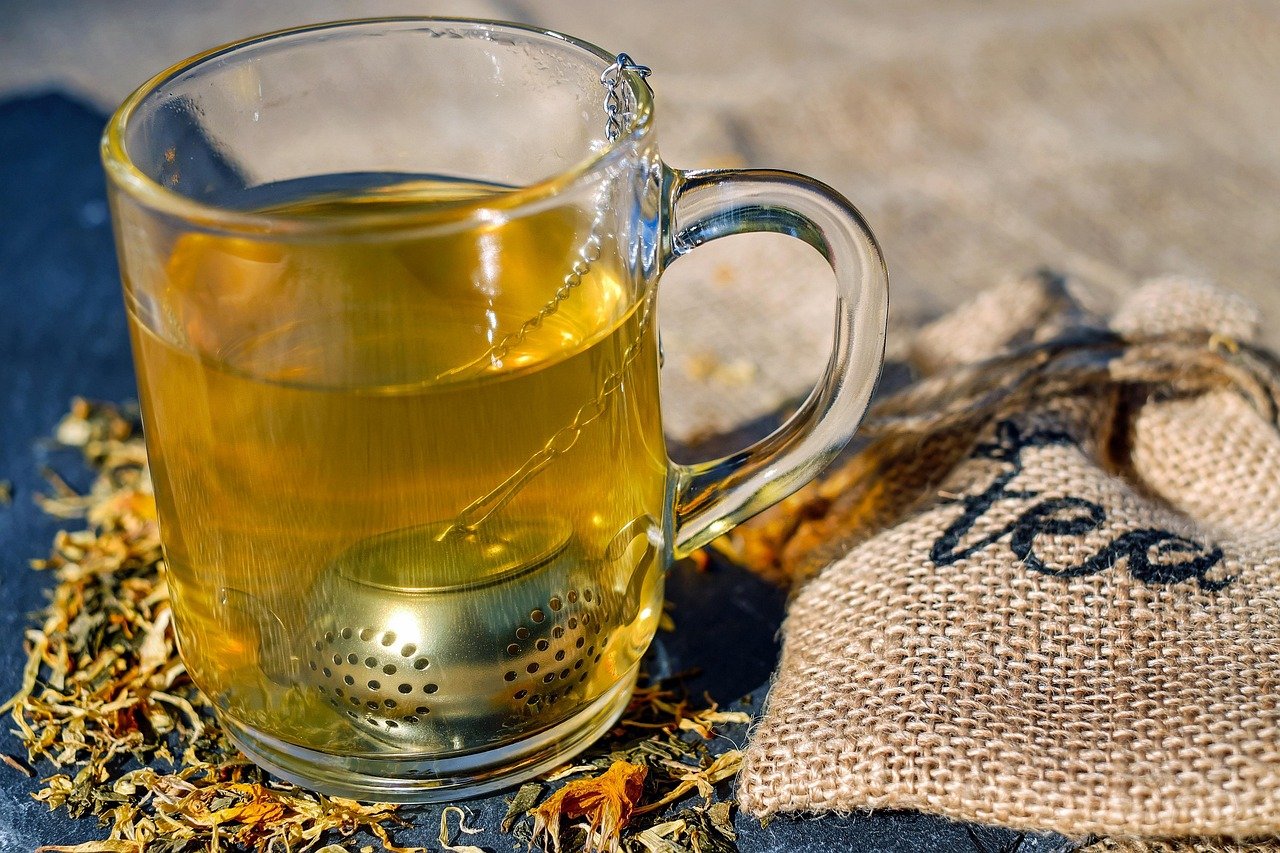
What if the reason your tea tastes dull, bitter, or just plain boring has nothing to do with the tea itself and everything to do with how you brew it? That’s the funny thing about tea. The same leaves can produce a silky, sweet cup or a harsh, mouth-drying brew depending on water temperature, steeping time, and a few small habits most people never think about. The good news: making great tea is not complicated. It just takes a few deliberate choices, and once you learn them, they stick. (Tea)
This guide walks through the whole process, from choosing leaves to pouring the water, with the practical details that actually matter and the mistakes that quietly ruin a cup.
Start With the Leaves, Not the Kettle
Before water ever enters the picture, the leaf matters. Tea comes from the Camellia sinensis plant, and the way those leaves are processed determines whether you end up with green, black, white, oolong, or pu-erh tea. The Encyclopaedia Britannica entry on tea explains how processing creates each style, and it is worth a read if you have ever wondered why green and black tea look so different.
A few practical points about choosing leaves:
- Loose leaf gives more control. Larger leaves steep more evenly and can often be brewed more than once. Tea bags are fine, especially good whole-leaf bags, but the fine dust in cheap bags releases tannins fast and turns bitter quickly.
- Freshness counts. Tea is not immortal. Green and white teas are best within about a year; black and oolong hold up longer. Store leaves in an airtight container away from light, heat, and strong smells, because tea absorbs odors easily.
- Match the leaf to your mood and time. A delicate green tea rewards attention. A sturdy black tea forgives a rushed morning.
One common mistake: buying a big bag of an expensive green tea, leaving it open on the counter for months, and then blaming the tea when it tastes flat. Storage is half the battle.
The Four Variables That Decide Your Cup
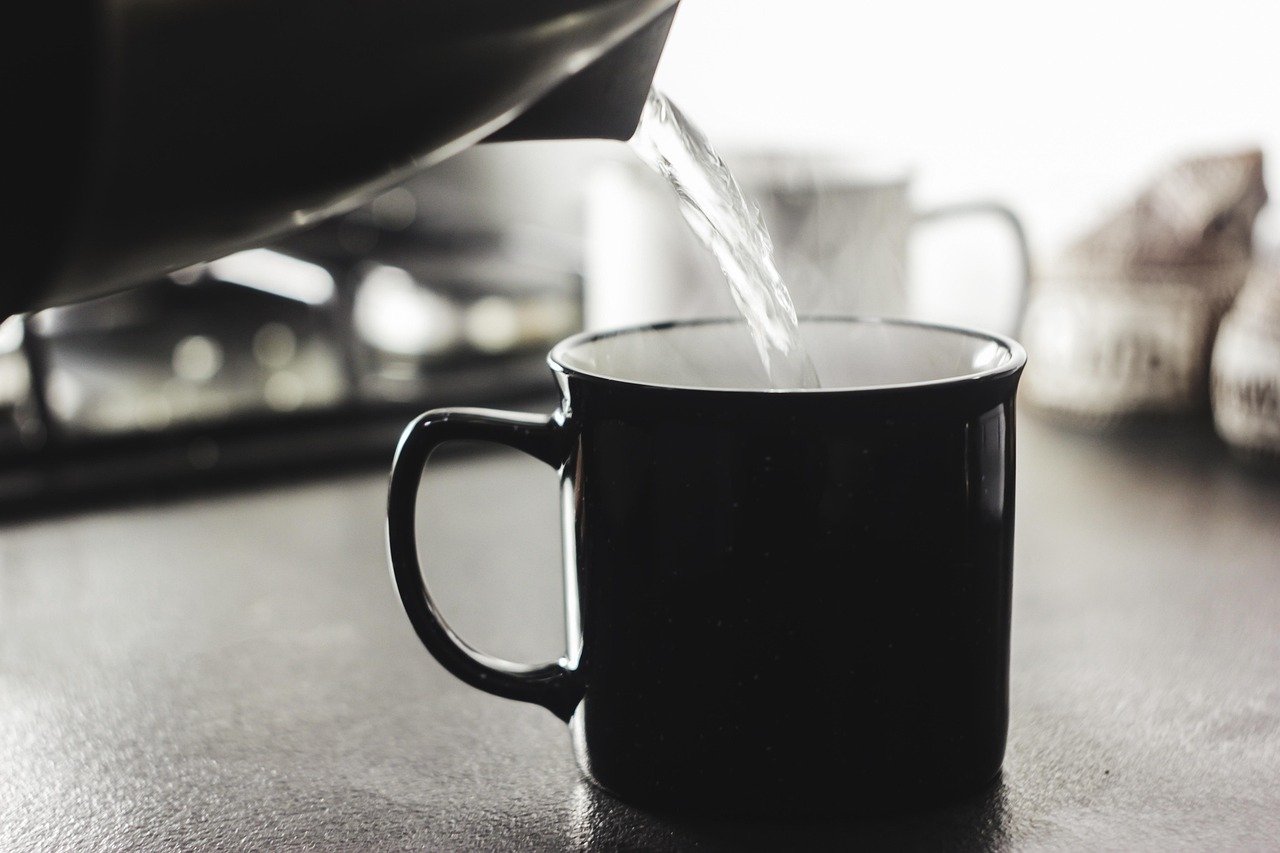
Every brewing decision comes down to four things: water temperature, steeping time, the leaf-to-water ratio, and water quality. Get these roughly right and the tea takes care of itself.
Water Temperature
Water that is too hot scalds delicate leaves and pulls out bitter compounds. Water that is too cool fails to extract flavor at all. The general ranges below reflect long-standing brewing practice rather than a formal standard, but they are a reliable starting point.
| Tea type | Suggested water temperature | Typical steep time |
|---|---|---|
| White tea | 75–85 °C (167–185 °F) | 2–4 minutes |
| Green tea | 70–85 °C (158–185 °F) | 2–3 minutes |
| Oolong | 85–95 °C (185–203 °F) | 3–5 minutes |
| Black tea | 95–100 °C (203–212 °F) | 3–5 minutes |
| Pu-erh | 95–100 °C (203–212 °F) | 3–5 minutes |
| Herbal infusions | 95–100 °C (203–212 °F) | 5–10 minutes |
No thermometer? Let boiled water rest for about a minute for green tea, two or three minutes for white. The sound of the kettle helps too: a gentle rumble with small bubbles means the water is still relatively cool, while a rolling boil is full heat.
Steeping Time
Time is where most cups go wrong. Green tea left for five minutes turns sharp and grassy in a bad way. Black tea left for ten minutes becomes astringent enough to make your mouth pucker. Set a timer for the first few brews until you learn how your tea behaves, then trust your taste.
Leaf-to-Water Ratio
A sensible starting point is about one teaspoon of loose leaf (roughly 2 grams) per 200 ml cup. Adjust from there: more leaf for a stronger cup, less for a lighter one. Traditional gongfu-style brewing goes much further, often using 5 to 7 grams of leaf in a small 100–150 ml vessel and steeping it many times for just seconds each round. That method rewards experimentation but is not necessary for a good daily cup.
Water Quality
Tea is mostly water, so the water matters. Freshly drawn, soft water generally gives the cleanest flavor. Heavily mineralized water can mute the taste, and chlorinated tap water can leave a flat, chemical edge. If your tap water tastes strongly of chlorine, a simple filter pitcher often makes a noticeable difference. This is practical brewing wisdom rather than a lab-tested rule, but most tea drinkers notice it immediately.
Step-by-Step: Brewing a Proper Cup
Here is a straightforward method that works for almost any tea.
- Boil fresh water. Fill the kettle with newly drawn water rather than reheating what sat overnight. Reboiled water has lost dissolved oxygen and tastes flat.
- Warm the vessel. Swirl a little hot water in your teapot or mug, then pour it out. This keeps the tea from cooling too fast.
- Measure the leaf. One teaspoon per cup for most teas, adjusted to your taste and the size of the leaf.
- Let the water cool to the right temperature. Use the table above, or simply wait a minute or two after boiling for delicate teas.
- Pour and start timing. Pour water over the leaves and set a timer. Cover the vessel if you like; a lid keeps the heat in.
- Remove the leaves. Take out the strainer or bag when time is up. Leaving leaves in the water keeps extracting tannins and makes the tea harsher the longer it sits.
- Taste before you add anything. Give the tea a sip before reaching for milk or sugar. You may find it needs neither.
If you are brewing for a sore throat or a cold, a warm, gently steeped cup is often the most soothing option, and there are specific styles worth seeking out; this guide to the best tea for a sore throat covers which ones tend to help most.
Common Mistakes and How to Fix Them
Most disappointing tea comes down to a handful of fixable habits.
- Using boiling water on green tea. This is the single most common error. Let the water rest first, and the bitterness usually disappears.
- Steeping too long. Set a timer. If you like strong tea, add more leaf rather than more minutes.
- Crowding the leaves. Leaves need room to unfurl. A tiny strainer packed tight with leaf brews unevenly.
- Reheating old water. Start fresh each time.
- Ignoring the second steep. Good loose leaf often gives a second or even third infusion. Many drinkers find the second steep smoother than the first.
- Adding milk out of habit. Milk is a tradition in the UK and India, and studies suggest milk proteins can bind some of tea’s polyphenols, though how much this matters for health is still debated. Try a cup without milk first and decide for yourself.
Caffeine, Health, and What the Science Actually Says
People often ask how much caffeine is in a cup. Brewed black tea typically contains roughly 40 to 70 mg of caffeine per 240 ml cup, with green tea somewhat lower. Levels shift with the leaf, the grade, and how long you steep. The USDA FoodData Central database lets you look up caffeine and nutrient values for specific brewed teas if you want precise numbers.
On health claims, a little caution goes a long way. Tea contains antioxidants, and it is a pleasant, low-calorie drink, but it is not medicine. The European Food Safety Authority reviewed the evidence on green tea catechins and concluded there was not enough support for claims about maintaining normal LDL cholesterol, and it flagged liver risks from high-dose catechin supplements, not from brewed tea. In short: enjoy your cup, but be skeptical of anyone promising dramatic health transformations from a beverage.
One more practical note: tea plants naturally accumulate fluoride, and brewed tea is a recognized dietary source. Normal consumption is not a concern for most people, but very high intakes, particularly of certain brick teas, have been linked to dental and skeletal fluorosis. Moderation is the sensible approach.
Does the Type of Tea Change the Method?
Yes, and this is where brewing gets fun. Each style responds differently to heat and time.
Green tea is the most sensitive. Keep the water cooler and the steep short. White tea is delicate but forgiving; slightly warmer water and a slightly longer steep bring out its sweetness. Oolong sits in the middle and often shines with repeated short infusions. Black tea is the most robust and handles near-boiling water well, which is why it is the classic breakfast tea. Pu-erh, a fermented tea, likes full heat and can be steeped many times.
Herbal infusions are not technically tea at all, since they come from plants other than Camellia sinensis. They usually need boiling water and longer steeping, five to ten minutes, to draw out flavor. Some herbs are not recommended during pregnancy, so check before experimenting, especially with strong or unfamiliar blends.
A Note on History and Legend
Tea’s origin story is charming but should be told honestly. Legend dates its discovery to 2737 BCE, when leaves supposedly blew into an emperor’s pot of boiling water. That tale is legend, not documented history. The earliest reliable written references to tea drinking come much later, from the Han dynasty period. Knowing the difference does not make the cup taste any worse, but it does make the story more interesting.
Conclusion
Making good tea is less about fancy equipment and more about attention. Use fresh water, match the temperature to the leaf, watch the clock, and taste before you add anything. Those four habits fix most of what goes wrong in a cup. Start simple with one tea you like, brew it a few different ways, and notice what changes. Within a week or two you will know your own preferences better than any guide can tell you, and every cup after that will be a little closer to the one you actually want.
Frequently Asked Questions
How long should I steep tea?
Green tea usually needs 2 to 3 minutes, black and oolong teas 3 to 5 minutes, and herbal infusions 5 to 10 minutes. These are starting points, not rules. Leaf size, grade, and personal taste all shift the ideal time, so taste as you go and adjust.
What temperature should water be for tea?
Delicate teas want cooler water: roughly 70–85 °C for green tea and 75–85 °C for white. Oolong sits around 85–95 °C, while black and pu-erh teas are best near boiling, at 95–100 °C. Without a thermometer, let boiled water rest for a minute or two before pouring it over green or white leaves.
Why does my green tea taste bitter?
Almost always because the water was too hot or the leaves steeped too long. Boiling water on green tea extracts harsh tannins quickly. Let the water cool for a minute, shorten the steep, and the bitterness usually vanishes. Using more leaf and less time also helps if you want a stronger cup.
How much tea should I use per cup?
About one teaspoon of loose leaf, roughly 2 grams, per 200 ml cup is a solid starting point. Adjust to taste and to the tea. Larger, lighter leaves take more volume, while fine leaves take less. Traditional gongfu brewing uses much more leaf in a small vessel with very short, repeated steeps.
Is it okay to reheat tea or reboil water?
Reheating brewed tea tends to make it taste stale and metallic, so it is better to brew fresh. Reboiling water that has sat in the kettle also flattens the flavor, because dissolved oxygen is lost. Freshly drawn water gives the cleanest-tasting cup.
Does adding milk to tea reduce its benefits?
Possibly, but the picture is not settled. Some studies suggest milk proteins can bind tea polyphenols, while the practical significance for health remains debated. If you drink tea mainly for enjoyment, milk is a personal choice. If you are curious about the antioxidants, try a cup without milk and see how you like it.



