
A warm drink can be a gentle comfort when swallowing feels scratchy or painful. When a sore throat makes each sip or bite uncomfortable, fluids can help you stay hydrated through the day. The best tea for sore throat is a comfort choice, not a cure for an infection or other cause.
Different cups suit different tastes and needs. Some people prefer a mild herbal infusion, while others want traditional tea leaves from Camellia sinensis. You can also adjust a drink with honey or lemon, as long as the flavors feel comfortable on your throat.
Tea cannot replace medical care when symptoms need attention. Still, choosing a drink that feels good can make it easier to keep sipping water and other fluids. The right first cup is the one that feels soothing and is easy for you to sip.
Key Takeaways
- Warm drinks can soothe discomfort and help you keep up with fluids.
- Honey and lemon make a practical first cup for many people.
- Herbal teas and traditional tea leaves offer different flavors and caffeine levels.
- Tea may ease symptoms for a while, but it does not cure an illness.
- Choose a drink you can sip comfortably, and seek care when symptoms persist.
What Is the Best Tea for Sore Throat?
For a simple first choice, try warm honey-lemon tea or warm water with honey. This easy option adds fluid and a mild sweetness that many people find comforting. Warm honey-lemon tea is a practical starting point, not a cure for a sore throat.
Honey-lemon drinks work with tea or plain warm water. You can choose either base, depending on whether you want traditional tea leaves or a caffeine-free drink. The most helpful choice is one that feels comfortable as you swallow.
| Tea | Best fit | Practical distinction |
|---|---|---|
| Honey-lemon | Simple comfort and cough support | Warm water or tea base |
| Ginger | Warming flavor for throat discomfort | Fresh root or tea bag |
| Chamomile | Gentle evening option | Herbal and caffeine-free |
| Peppermint | Cooling flavor | Contains menthol |
| Green tea | Antioxidant beverage or gargle | Contains caffeine |
Why honey and lemon make a practical first cup
Honey can soften the taste of lemon and make a warm drink easier to sip. Lemon is optional, since its tartness may sting an irritated throat. A plain warm water drink with honey can work just as well as a tea base for comfort.
Honey is often used in warm drinks for a sore throat. Its texture can feel soothing as it passes the throat, though it does not treat the cause of irritation. Keep the drink warm rather than very hot.
What honey may do for cough
Honey may ease cough symptoms and help some people sleep better during an upper respiratory infection. A review of child cough trials found possible benefits, but the evidence was low to very low quality. The systematic review of honey for acute cough also notes limits in the available studies.
For a cough, children ages 1 and older can have 0.5 to 1 teaspoon, or 2.5 to 5 milliliters, of honey. This is symptom support, not a cure. Higher-quality studies are needed to confirm honey’s effects.
Never give honey to a child younger than 1 year, because honey can raise the risk of infant botulism.
Keep the under-1 rule in mind whenever honey is part of a drink.

Can Ginger Tea Calm Pain and Irritation?
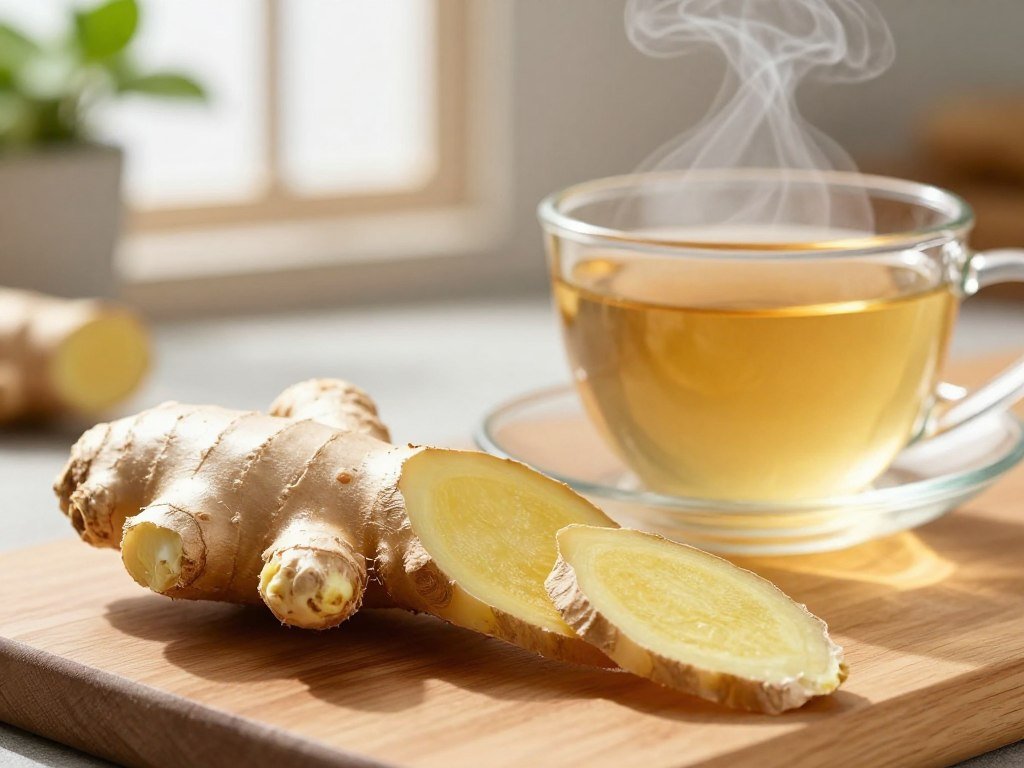
Ginger tea suits people who want a warm, spicy-tasting drink when their throat feels raw. Its strong aroma and warming flavor may feel comforting, though ginger tea does not treat an infection. Choose it for taste and temporary comfort, not as a cure.
Fresh ginger root gives the cup a sharper flavor than many tea bags. A mild first brew can be easier to sip than a strong, spicy one. You can also choose a packaged tea bag when you want a quicker option.
To make ginger tea, use a 1-inch piece of fresh ginger with 1 to 1.5 cups of water. Simmer the drink for 5 to 10 minutes. Then strain it and let it cool to a comfortable temperature.
- Slice or crush fresh ginger.
- Simmer the ginger in water for 5 to 10 minutes.
- Strain the tea and sip it warm.
A tea bag is a lower-effort alternative when you do not have fresh root. Follow the package directions, since blends can vary in strength. Add a small amount of honey if you enjoy it and it feels good on your throat.
The plant’s properties and flavor do not show that ginger can heal throat pain. Ginger tea is simply one of several drinks that may feel soothing while you rest and drink enough water. How strong the cup tastes depends on the amount of ginger and the steeping time.
Ginger can have a sharp bite, especially when you use fresh root or steep it for longer. If the first sip feels too strong, dilute it with more warm water. Make the first cup mild if strong ginger does not agree with your stomach.
Is Chamomile Tea a Good Choice at Night?
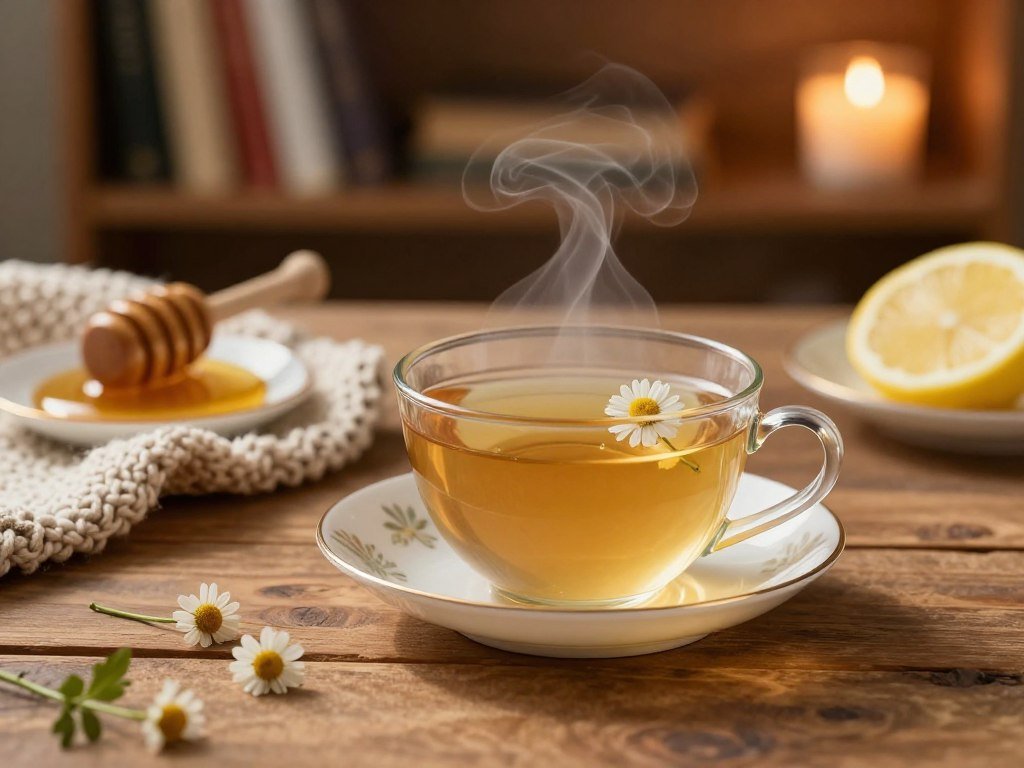
Chamomile tea can be a gentle evening choice when a sore throat makes settling down difficult. It is caffeine-free and may fit a quiet nighttime routine, but it does not cure throat irritation or guarantee sleep. People with certain flower allergies or medicine use should take extra care.
Chamomile is likely safe in amounts commonly found in tea and food. The mild taste can make it an easy drink to sip before bed. That comfort may help you keep fluids nearby while you rest.
How chamomile may fit an evening routine
A warm cup of chamomile can be part of a calm evening when you want a drink without caffeine. It may feel soothing as you swallow, especially if stronger flavors bother your throat. The drink should be comfortable to sip, not scalding.
Chamomile’s place in a bedtime routine is about comfort, not a promise that it will make you sleep. People respond to herbal infusions in different ways. If the taste does not suit you, another mild warm drink is a reasonable choice.
Allergy and medication checks
Chamomile can cause allergic reactions, including severe reactions. People allergic to ragweed, chrysanthemums, marigolds, or daisies may be more likely to react. Reported allergy risks include severe hypersensitivity, so stop using it if you notice a reaction.
Interactions have been reported with warfarin and some medicines processed by the liver. If you take medicine, ask a health care provider whether chamomile is right for you. A familiar tea can still matter when it is combined with some drugs.
Check the ingredient list on a tea blend, since a mix may include chamomile with other herbs. This helps you avoid an ingredient you already know does not suit you. Skip chamomile if you have reacted to related flowers, and check with a clinician about medicine interactions.
Can Peppermint Tea Help When Your Throat Feels Scratchy?
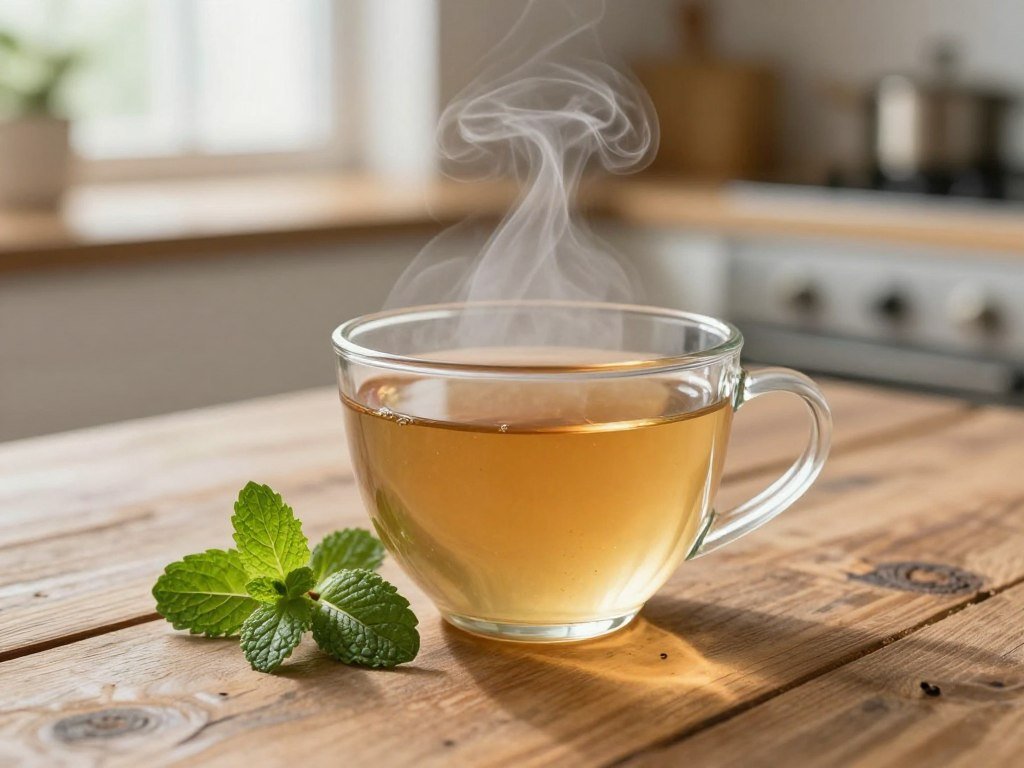
Peppermint tea offers a cooling sensation, not a proven treatment for a sore throat. The mint contains menthol, which can feel cool and fresh as you sip. Evidence does not show that peppermint leaf treats throat pain or infection.
Some people like the cooling flavor when a scratchy throat makes warm drinks feel plain. That sensation is a matter of comfort, not proof that the tea clears congestion or heals a sore throat. Use peppermint tea as a drink you enjoy, rather than a medicine.
There is not enough evidence to tell whether peppermint leaf helps any health condition. This limit applies even though peppermint tea appears safe for most people as a drink. Research about peppermint oil does not establish that peppermint tea has the same effects.
The National Center for Complementary and Integrative Health explains that evidence is insufficient for peppermint leaf as a health treatment. You can read its peppermint oil and safety information for more on the limits and risks. Long-term safety of drinking large amounts of peppermint leaf is not known.
Mint can trigger reflux symptoms in some people. If peppermint tea brings on heartburn, the cooling taste may not be worth the discomfort. That response can be more noticeable when reflux already irritates your throat.
Peppermint tea is an herbal tea, so it does not contain the caffeine found in many traditional tea leaves unless it is blended with them. Read the label before choosing a mixed tea. A blend may have ingredients that change its taste or caffeine content.
You do not need to drink peppermint tea just because its menthol feels cool. Warm water, a mild herbal infusion, or another familiar drink may be easier on your throat. Choose another warm drink if peppermint reliably brings on heartburn.
Is Green Tea Good for a Sore Throat and Cough?
Green tea can be comforting to sip, but it is not a proven cure for throat pain or coughing. It adds warm fluid and contains antioxidants, but those properties do not establish that it treats sore throats. Green tea is a beverage, not a proven sore-throat or cough treatment.
Green tea contains caffeine, which may matter if you are trying to avoid it later in the day. Adults have not reported safety concerns from drinking it as a beverage. A cup can still be a useful way to take in water if the taste feels good.
Some people use cooled green tea as a gargle for temporary throat comfort. Let the tea cool before gargling, then spit it out rather than swallowing it. You can repeat the gargle 2 to 3 times as needed.
Gargling is different from drinking tea, and neither approach treats an infection. It may offer brief comfort as part of a routine that includes fluids and rest. Stop if gargling irritates your throat or makes you cough more.
Green tea can affect some medicines. High doses can reduce blood levels and effectiveness of nadolol. Green tea extract can lower blood levels of atorvastatin, while green tea reduced raloxifene exposure in healthy adults.
These effects involve different forms and amounts of green tea. A regular beverage, a concentrated extract, and high doses are not the same thing. That distinction matters when you review a supplement label or discuss a drink with a clinician.
Do not assume that antioxidant content makes green tea a better remedy than other drinks. Its main practical features are a familiar flavor, warmth, and caffeine. Ask a health care provider or pharmacist about green tea if you take nadolol, atorvastatin, or raloxifene.
Does Licorice Root Tea Coat an Irritated Throat?
Licorice root tea is a traditional choice for people who want a sweet-tasting drink or a cooled gargle. Its natural sweetness may feel pleasant when a scratchy throat makes plain water less appealing. Licorice root tea is not a proven cure, and large amounts can be dangerous.
Some people use licorice root tea for throat comfort, though tradition is not proof of a medical effect. Packaged tea usually gives directions for steeping, and a cup can steep for 5 to 10 minutes. Let it cool before considering it as a gargle.
To prepare a cooled gargle, use these steps:
- Prepare the tea according to its package directions.
- Let the cup cool to a comfortable temperature.
- Gargle for several seconds, then spit the liquid out.
Do not swallow a gargle if you are using it only to rinse your throat. The cooling step matters because a hot liquid can hurt an already irritated mouth or throat. Keep the tea comfortably warm or cool before it touches your throat.
Licorice is a root tea with a naturally sweet taste, but that does not make large servings harmless. Large quantities of licorice root can be dangerous, especially for people with certain health conditions. Ask a health care provider before trying it if you have a health concern that could affect its safety.
Different products may contain different amounts or forms of licorice root. Check the package and follow its directions rather than treating each blend as the same. If you are unsure what a product contains, bring its label to a health care provider.
Some herbal tea blends combine licorice with other roots or leaves, which can change the taste and ingredients. Avoid turning a traditional option into a long-term daily routine without checking whether it suits you. Keep licorice root use short and cautious rather than making it a daily long-term habit.
Can Slippery Elm Tea Coat a Dry Throat?
Slippery elm stands out because its mucilage forms a gel when mixed with water. Mucilage is a plant substance that forms a gel when mixed with water. That gel may coat the throat and feel soothing when dryness makes swallowing uncomfortable.
Slippery elm products may come as tea blends or powders mixed with liquid. Their texture can feel thicker than an ordinary cup of tea. The gel-like feel may offer comfort, but it does not prove that the tea treats an illness.
A small study compared slippery elm tea with decaffeinated orange pekoe tea. Participants rated slippery elm tea as more soothing. That result is limited evidence from a small comparison, not proof that slippery elm treats a sore throat or another condition.
The thick feel can be the main reason someone chooses slippery elm. It differs from drinks that rely mostly on a warming or cooling flavor. If you dislike a heavier texture, a thinner herbal infusion may be easier to sip.
Slippery elm is often included in herbal remedies meant to soothe a sore throat. The word “coat” describes how the gel may feel on the throat, not a lasting change or a cure. A soothing cup can help with temporary comfort while the cause of irritation remains.
Blend ingredients and directions can vary from one product to another. Check the label to see whether the mix includes other herbs or traditional tea leaves. These details can affect flavor, texture, and caffeine content.
Try a small sip first if the drink’s texture is new to you. Then decide whether the thick feel is pleasant enough to finish a cup. Follow the tea blend’s package directions, since steeping methods can vary.
What Makes Turmeric Tea a Warming Option?
Turmeric tea is a good fit for someone who enjoys an earthy, mildly spicy cup. Its bright color and earthy flavor make it distinct from many plain teas. Turmeric tea is a flavor choice, not a proven treatment for throat pain, infection, or inflammation.
Turmeric belongs to the ginger family and is commonly sold dried and ground. A simple cup uses 1/2 teaspoon of ground turmeric stirred into hot water. Let the drink stand briefly, then sip it when it feels comfortably warm.
- Stir 1/2 teaspoon of ground turmeric into hot water.
- Let the drink stand briefly.
- Sip it when it is comfortably warm.
The spice gives water a vivid yellow color and a dry, earthy taste. You can add turmeric to another tea if you want a more layered flavor. A blend may also include ginger, though its flavor can make the cup stronger.
Turmeric contains plant compounds often discussed for their properties and antioxidants. Those terms do not show that a cup of tea heals or prevents illness. A warm drink may feel soothing because of its temperature and flavor, not because it cures a sore throat.
Start with the small amount in the simple recipe, then adjust only if you enjoy the taste. More spice can make the drink harder to sip, especially if you prefer mild flavors. Stir the cup again if ground turmeric settles at the bottom.
You can use plain warm water or mix the spice into a tea you already like. Choose a base that does not irritate your throat. Start with a small amount if you are unsure whether you like turmeric’s flavor.
Is Horehound Tea Worth Trying for a Cough?
Horehound has a history of traditional use, but that does not establish that it treats a cough. It is the common name for Marrubium vulgare and has been used for sore throats and colds. Current studies do not examine horehound’s medicinal use.
People have traditionally used horehound as a mild cough expectorant, a term for something meant to help bring up mucus. That history does not show that it relieves cough or throat symptoms. Treat horehound as a taste-based choice rather than a proven remedy.
Horehound has a strong, bitter taste that may not suit everyone. If the flavor appeals to you, a packaged herbal tea is one way to try it. Follow the directions on the product rather than guessing at the amount or steeping time.
Herbal tea can feel soothing because it is warm and provides fluid. Those comforts do not establish that a particular herb treats the cause of a cough. If horehound tastes unpleasant, there is no need to force yourself to finish the cup.
The name horehound can appear on different products, so check the ingredient list. A blend may include other herbs that affect the flavor or add caffeine if it contains traditional tea leaves. The label helps you know what you are drinking.
Traditional use can help explain why horehound appears in some herbal tea products, but it is not the same as current proof of benefit. No current studies examine its medicinal use for sore throats or colds. Choose it only if you enjoy the taste and understand that its effect is unproven.
Follow the package directions and keep your expectations modest. Warm water or another mild tea may be a more pleasant choice if the bitterness bothers you. Treat horehound as an optional flavor choice, not a remedy to rely on.
Are Blended Herbal Teas Another Option?
A blended tea can combine flavors and ingredients in one cup. Some blends pair several herbs intended to soothe or coat the throat, while others use traditional tea leaves. Check the ingredient list to see whether a blend contains herbs, caffeine-containing tea leaves, or both.
Traditional tea leaves come from Camellia sinensis. Green, black, white, and oolong tea all use leaves from this plant, though they differ in processing. Herbal tea is made from other plants and does not automatically contain caffeine.
A tea blend may mix herbal ingredients with Camellia sinensis leaves. That means the word “herbal” on a package does not always describe every ingredient in the cup. Read the full list instead of relying on the name or front label.
Some blends bring several flavors together, which can make a cup more appealing if you dislike a single herb. Their ingredients can also vary, so one blend may not match another. The mix may include herbs you want to avoid or tea leaves that add caffeine.
Look for the plant names and the order of ingredients on the package. If you are avoiding a certain herb, make sure it is not hidden in a mixed tea. Caffeine content matters too, especially if you want a drink late in the day.
Blends can include ingredients meant to soothe the throat, but that wording does not prove a medical benefit. Consider the flavor, caffeine, and ingredients rather than relying on broad claims. A plain tea or warm water may work better if you prefer to know exactly what is in your cup.
Some people add honey to a blend for sweetness, while others enjoy the tea without it. You can choose based on taste and comfort. Check the ingredient list before brewing if you are avoiding caffeine or a particular herb.
Which Tea Fits Cough, Congestion, or Laryngitis?
Match the drink to the symptom that is bothering you most, while treating it as comfort care. Warm drinks can soothe a sore throat and help you stay hydrated. Tea may ease discomfort for a while, but it does not treat the cause of these symptoms.
Keep the drink mild and warm enough to sip comfortably. If one flavor irritates your throat or stomach, choose another. Drinking tea should make it easier to take in fluids, not add another discomfort.
Cough and phlegm
Tea for a sore throat and cough can offer temporary comfort, while honey may help with cough symptoms. Warm drinks and fluids can feel soothing when phlegm is bothersome. A warm cup may be easier to drink when you have a dry, scratchy throat.
In children with common colds, buckwheat honey may reduce cough frequency and coughing and improve sleep quality compared with a placebo. This finding is about children with colds, not proof that honey cures a cold or works the same way for adults. It is one reason honey may be a useful comfort ingredient for cough.
Runny nose and congestion
Warm tea for a sore throat and runny nose can support fluid intake. The warmth may feel pleasant when you are congested, but tea is not a proven way to clear the cause. You can choose an herbal tea or traditional tea leaves based on taste and caffeine preference.
A runny nose can make your throat feel dry when you breathe through your mouth. Keeping a warm drink nearby can make it easier to sip throughout the day. The drink provides fluid and comfort, not a direct treatment for a blocked nose.
Laryngitis and cold symptoms
Warm herbal tea can soothe discomfort from laryngitis, but tea does not cure the illness. A mild drink may feel easier on a sore throat than a sharp or very hot one. Pick a flavor that does not make you cough or strain your voice.
During a cold, warmth and fluids may help you feel more comfortable while symptoms run their course. Tea does not remove a virus from the body. Choose a flavor you can keep sipping comfortably rather than forcing a tea you dislike.
How to Make a Homemade Soothing Tea
A homemade honey-lemon drink takes only a warm base, honey, and lemon if it feels comfortable. The simple recipe works with mild tea or plain water. Keep the drink warm, not scalding, so it feels comfortable to swallow.
The best homemade tea for a sore throat is one you can sip without discomfort. Slow drinking gives you time to notice whether the warmth, honey, or lemon feels soothing. You do not need a precise steeping ritual to make a pleasant cup.
Honey-lemon tea
Use 1 to 2 teaspoons of honey in a warm drink. Lemon adds a tart flavor, but it is optional if it stings. A mild tea base gives you more flavor, while warm water keeps the drink simple.
Let a freshly brewed cup cool before adding ingredients or taking a sip. The point is to make a comfortable drink, not to drink it as hot as possible. Add only the flavors you enjoy.
A comfortable way to brew and sip
Follow these steps for a simple honey-lemon drink:
- Brew a mild tea or warm plain water.
- Let the drink cool enough to sip.
- Stir in 1 to 2 teaspoons of honey.
- Add lemon only if it does not sting.
Take small sips instead of swallowing a hot drink quickly. Keep water nearby if you want to alternate between flavors. A warm cup can be more inviting when you drink it slowly.
If lemon irritates your throat, leave it out and use honey in the warm base. If honey is not part of your diet, plain warm water or tea can still provide fluid. Taste matters because an unpleasant drink is harder to keep sipping.
Hydration matters more than an exact steeping time or special cup. Let the cup cool until it feels pleasantly warm before taking a sip.
What Are the Safety Limits and When Should You Get Care?
Tea is a comfort measure, so symptoms that worsen or persist need a different response. A warm drink may bring temporary relief, but it cannot replace care for an infection. A sore throat lasting more than a week or getting worse warrants professional medical attention.
There is no guaranteed instant tea cure for a sore throat. Warm drinks may ease discomfort for a while, while fluids support hydration. Drinking more water does not literally flush a cold out of your body.
Herbs do not knock out a cold, and no complementary health approach has been shown to help with the flu. Tea can be part of comfort care, but it is not a substitute for medical treatment. Seek help if your symptoms raise concern.
Check medicines, allergies, and ingredients
Herbs can interact with medicines, so ask a health care provider about herbal products if you take medication. Review the label before trying a tea or supplement. Products may be contaminated or contain ingredients that differ from their labels.
Check the full ingredient list on a blended tea, especially if you are avoiding a certain herb. Look for traditional tea leaves if caffeine matters to you. A product’s name may not tell you everything in the cup.
Tell a clinician about herbal teas and supplements you use when discussing your health. That detail can help them consider possible interactions or unwanted effects. A product that seems ordinary can still matter alongside medicine.
Recognize signs that need medical attention
Pay attention to symptoms that last, get worse, or affect basic tasks. Contact a health care provider if you notice any of these signs:
- A sore throat that lasts more than a week
- Symptoms that are getting worse
- Fever or chills
- Nausea or vomiting
- Trouble breathing or swallowing
These signs call for more than a soothing drink. A clinician can assess what may be causing the symptoms and what care is needed. Do not wait for tea to work when breathing or swallowing becomes difficult.
Get prompt medical help for trouble breathing or swallowing rather than relying on a drink.
Conclusion
A comforting cup should feel easy to prepare and pleasant to sip. Your taste and tolerance matter more than choosing a tea with impressive-sounding properties. A warm drink can support comfort and fluid intake, but it remains supportive care rather than a cure.
Pick a mild flavor you already enjoy, then take slow sips and notice how your throat responds. If symptoms persist or worsen, tea is not a substitute for medical care. Choose one warm drink that suits your taste and make a cup when you need a little comfort.
FAQ
How to fix a sore throat fast?
No tea can guarantee an instant fix for a sore throat. A warm drink may provide temporary comfort and help you keep up with fluids. Sip slowly and avoid drinks that feel too hot or sting. Get medical care for severe symptoms or a sore throat that lasts more than a week, since a drink cannot treat every cause.
What kind of drink is good for a cough and cold?
Warm tea, warm water, or broth can support fluid intake during a cough and cold. Honey may help ease cough symptoms, though it does not cure the illness. Never give honey to a child younger than 1 year because of infant botulism risk. Choose a drink that feels comfortable to swallow and does not worsen irritation.
What tea is good for laryngitis?
Warm, non-scalding tea may soothe discomfort from laryngitis. A mild herbal tea or traditional tea can work if the flavor feels pleasant and does not irritate your throat. Tea does not treat the cause of laryngitis or cure an infection. Take small sips, and seek medical care if symptoms persist or become worse.
What herbal tea is good for a cold?
Ginger or chamomile tea can be comforting options during a cold, but neither is a cure. Choose ginger for its spicy flavor or chamomile for a mild, caffeine-free drink. Check herbal ingredients if you have allergies or take medicine. No complementary health approach has been shown to help with flu.
What is the best tea for a sore throat?
Honey-lemon tea or warm water with honey is a practical first choice for comfort. Use a warm, not scalding, base and leave out lemon if it stings. Honey may also ease cough symptoms, but higher-quality studies are needed to confirm its effects. Tea can soothe for a while, but it does not cure the cause.
How to naturally flush out a cold?
You cannot literally flush a cold virus out of your body with water or tea. Fluids support hydration and may make a dry or sore throat feel more comfortable. Drink at a pace that feels manageable, and rest as you recover. Herbal drinks may soothe symptoms, but they do not remove the virus.
What herbs knock out a cold?
No herb is established as a way to knock out a cold. Herbal tea may soothe symptoms or help you take in fluids, but it does not cure the illness. Ginger and chamomile can be comforting choices if they suit you. No complementary health approach has been shown to help with flu.



