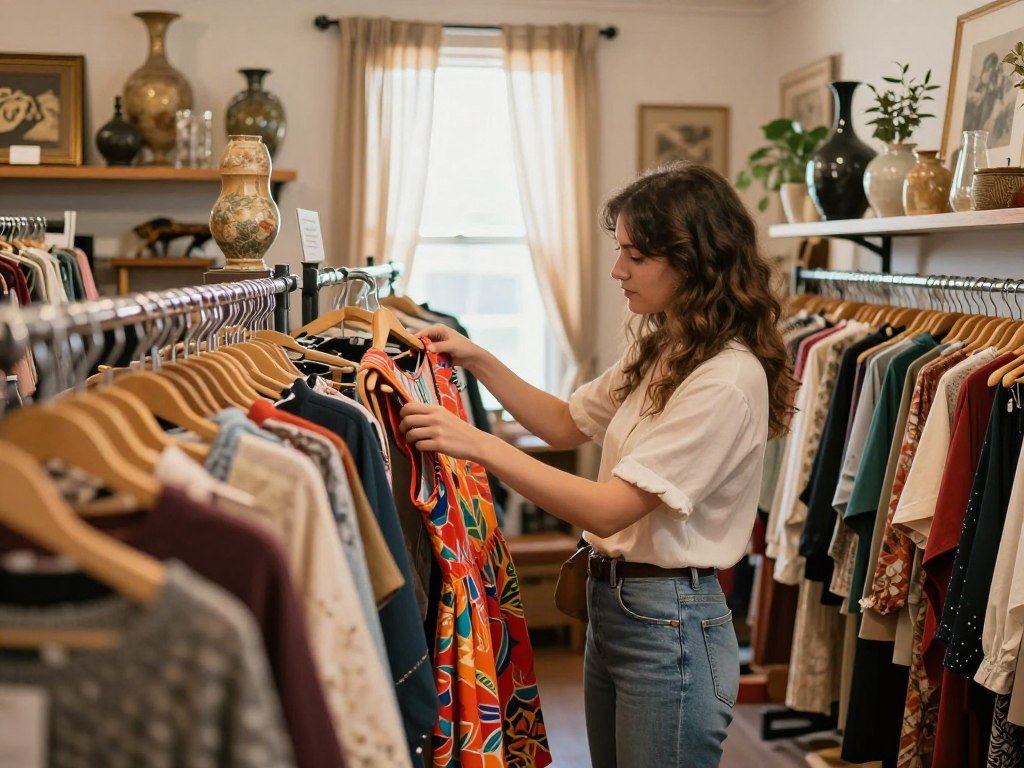
Greater Cleveland has secondhand shops for everything from everyday clothing to furniture, kitchen items, and vintage pieces. A useful stop can save money, furnish a room, or help you find a style that no longer appears in regular stores. This list covers Greater Cleveland and nearby communities, not every independent shop in the region.
A color-tag discount is a discount that applies to items marked with a particular colored price tag. Stock, prices, and store rules can change, so match your trip to the kind of item you need. The 15 picks include clothing, home decor, furniture, and vintage finds, with choices for quick basics and longer browsing trips. Pick the category you need most before choosing where to start.
Key Takeaways
- Common Threads in Fairview Park offers a broad family-focused mix.
- North Olmsted has clothing options with plus-size sections and fitting rooms.
- Greater Cleveland Habitat ReStores carry furniture and project supplies.
- Bedford Heights and Painesville offer vintage and antique browsing.
- Check hours, sale rules, and item condition before you travel or buy.
Best Thrift Stores Near Me in Greater Cleveland
For a first visit that covers several shopping needs, start with Common Threads in Fairview Park. Its organized mix includes family clothing, kitchen and home goods, toys, books, art, and furniture.
Common Threads is the strongest all-around stop when you want more than clothing in one trip. Fitting rooms make it easier to check apparel, though all sales are final. Value World Thrift in Lakewood is a useful alternative for clothes and housewares, while Willowick Savers has everyday basics.
| Store | Area | Best for | Useful tradeoff |
|---|---|---|---|
| Common Threads Fairview Park | Fairview Park | Family clothing, home goods, books, toys, furniture | All sales are final |
| Value World Thrift | Lakewood | Clothing, men’s plus sizes, housewares, holiday decor | Small parking lot |
| Savers | Willowick | Clothing, housewares, books, small appliances | Selection has thinned and prices have risen |
Common Threads offers the best mix for a first trip with several kinds of items on your list. Its final-sale rule makes a careful decision important.
Lakewood Value World carries plus sizes and seasonal decor, along with color-tag sales and a points program. That mix can suit a planned clothing trip, especially when your list includes holiday items or household basics. Its small lot may make parking harder during busy periods.
Willowick Savers has adult and children’s clothing, books, housewares, and small appliances. Shoppers may find the selection thinner and prices higher than in the past, so keep your expectations flexible. The store still works for a broad basics browse.
Across Greater Cleveland, the best thrift stores near me depend on whether you want a tidy mixed shop or a larger range of basics. Start with the category that matters most, then compare the nearest locations. Check each shop’s current hours before setting out.
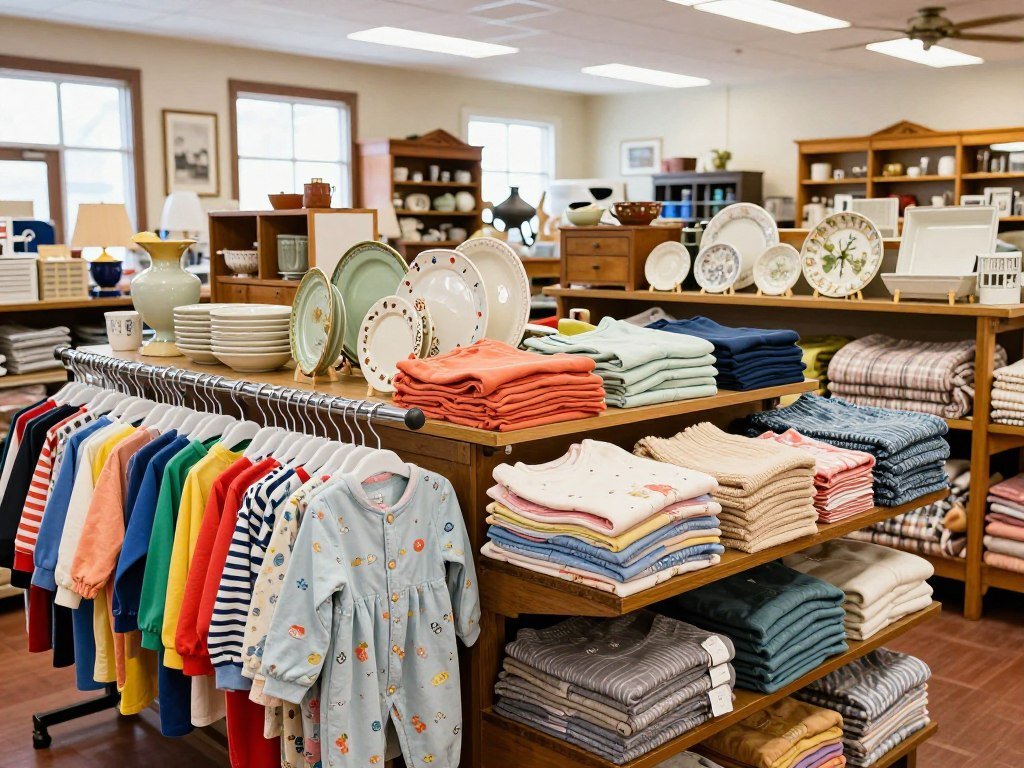
Where Can You Shop for Secondhand Clothing?
For a dedicated plus-size section and fitting rooms, North Olmsted Value World is the clearest clothing pick. Its separate size section can make a focused search less tiring.
Choose by the kind of clothes you want to find, not only by the store’s size. Volunteers of America Thrift Store in North Olmsted offers adult and children’s clothing, linens, and a very large sales floor.
| Store | Area | Clothing strength | Shopping caveat |
|---|---|---|---|
| Value World Thrift | North Olmsted | Large racks and dedicated plus-size section | Clothes grouped more by color and type than size |
| Volunteers of America Thrift Store | North Olmsted | Adult and children’s clothing, plus linens | Use color-tag discounts or rewards to manage the bill |
| Common Threads | Brook Park | Mostly clothing, including newer and higher-end pieces | Prices can feel close to retail |
North Olmsted Value World has fitting rooms, which helps when cuts differ across brands. Racks are grouped more by color and clothing type than by size, so allow extra time to scan across sections. That tradeoff may be worthwhile if you need more room in the plus-size range.
At Volunteers of America, a broad clothing selection sits beside linens and furniture. Its rewards program builds store credit, and color-tag discounts can lower the bill on qualifying items. A specific discount does not make a garment a good buy if its condition is poor.
Common Threads in Brook Park focuses mostly on clothing, with books, toys, and household goods nearby. Its newer or higher-end pieces may appeal when you want a recognizable brand or a more current style. Compare the price with a new item before deciding.
For clothes, North Olmsted serves shoppers who need a size-focused section, while Brook Park suits a more fashion-led browse. The Volunteers of America Store gives you a wider mix of clothes and linens in one visit. Check the garment’s seams, fasteners, and care label before paying.
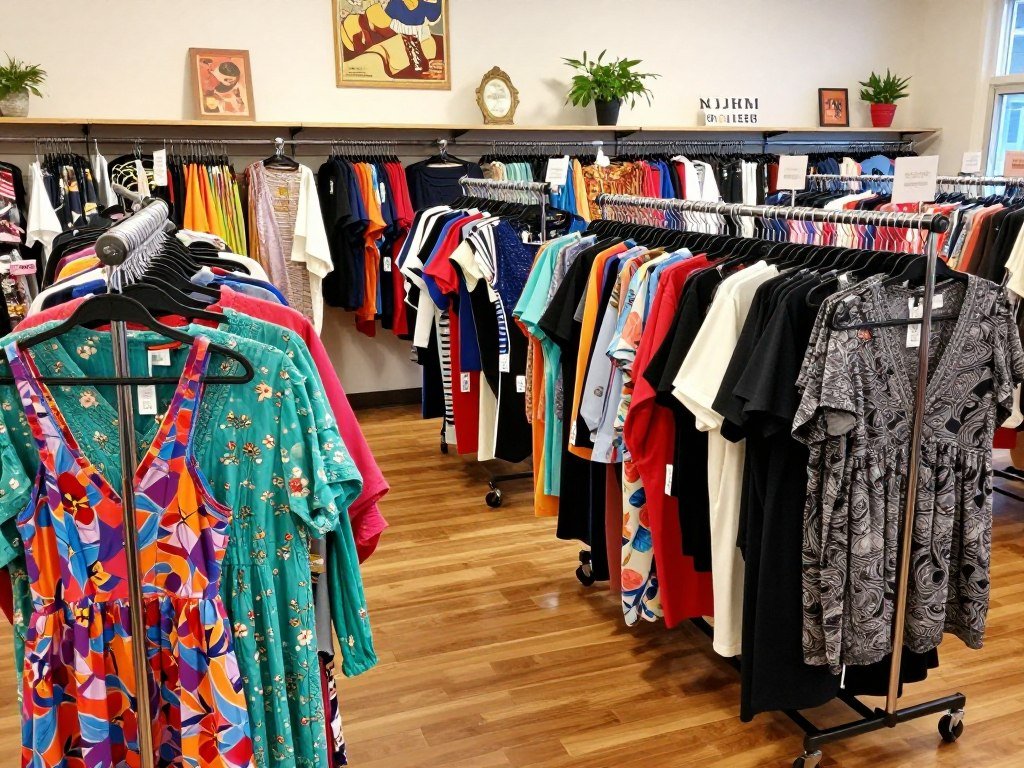
Which Stores Are Best for Furniture and Home Decor?
For used furniture and DIY supplies in the city, start with Habitat for Humanity Greater Cleveland ReStore in Cudell. Its broad home mix includes furniture, appliances, and project supplies.
Choose a ReStore based on the materials or pieces your project needs, since each location has a different focus. Cudell serves city shoppers, while the Summit County location in Akron carries construction supplies and the Lake-Geauga store in Eastlake has furniture and tile.
| Store | Area | Best for | Practical consideration |
|---|---|---|---|
| Habitat for Humanity Greater Cleveland ReStore | Cudell, Cleveland | Used furniture, appliances, DIY supplies | Inspect appliances before hauling them home |
| Habitat for Humanity of Summit County ReStore | Akron | Couches, cabinets, appliances, construction supplies | Stock changes week to week |
| Lake-Geauga Habitat for Humanity ReStore | Eastlake | Furniture, couches, tile, home supplies | Inventory changes daily |
The Cudell Habitat for Humanity ReStore can help when your list mixes furniture with supplies for a home project. An appliance needs more than a quick look at its exterior, since a damaged or nonworking unit can turn a low price into a costly mistake. Review the fit and opening dimensions of any large appliance, including the space needed for doors.
Akron’s Habitat for Humanity of Summit County ReStore carries furniture, appliances, and building supplies. Couches and cabinets may suit a room update, while construction materials can help with a repair or renovation. Its stock changes week to week, so a prior visit does not promise the same selection.
Eastlake’s Lake-Geauga Habitat for Humanity ReStore carries couches, tile, and other home supplies. Inventory changes daily, which makes the store useful for flexible project shopping rather than a guaranteed match. Measure the space and appliance opening before you shop, and consider counter-depth refrigerator options when comparing models.
All three stores can serve a different part of a home project, from furnishing a room to finding building materials. Prices and condition vary by item, so judge each piece on its own merits. Bring a vehicle or pickup plan that can handle the piece you hope to take home.
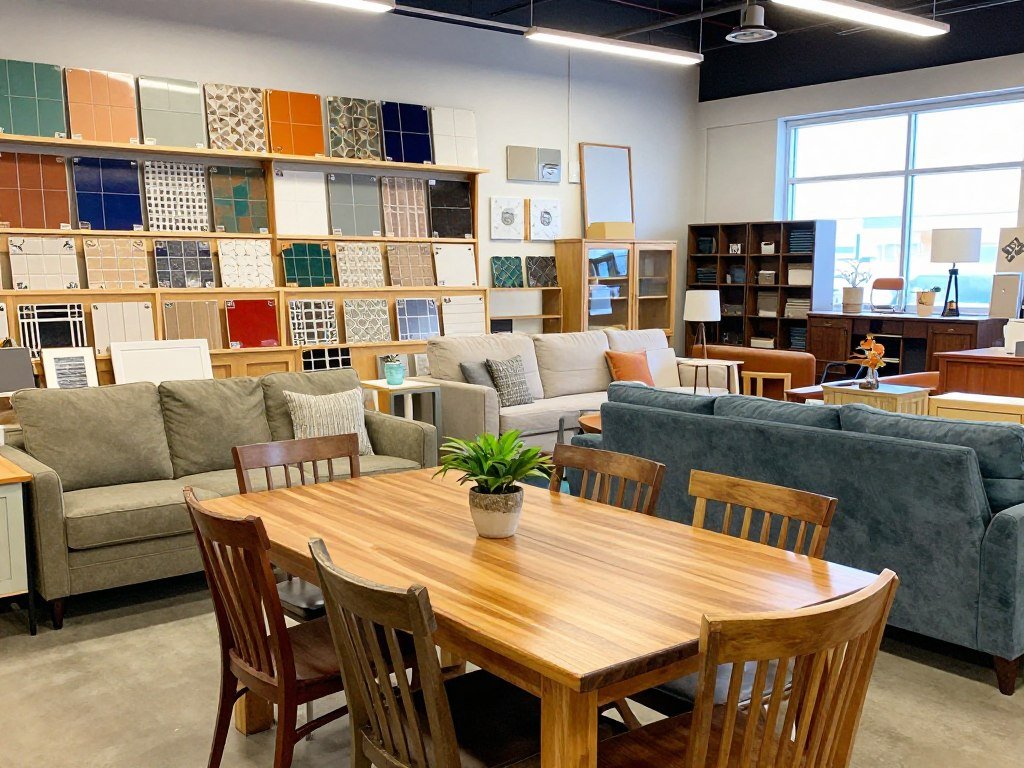
Where Can You Find Vintage Items and Antiques?
For a mixed browse of vintage clothing and home pieces, Thriftique Showroom in Bedford Heights is a strong starting point. Its wide-ranging mix includes designer clothing, art, furniture, purses, and housewares.
Thriftique fits a trip that combines clothing and home decor, while Our Treasures in Painesville leans toward antiques and Lorain Thrift Shop offers older household pieces and records.
| Store | Area | Distinctive finds | Shopping caveat |
|---|---|---|---|
| Thriftique Showroom | Bedford Heights | Designer and vintage clothing, furniture, art, housewares | Prices can run higher than many thrift stores |
| Our Treasures | Painesville | Antiques, paint, changing secondhand goods | Check current opening days |
| Lorain Thrift Shop | Lorain | Decor, older household pieces, vinyl records | Shoppers may disagree about prices |
Thriftique Showroom gives you a reason to look beyond racks when hunting for vintage items. Furniture, purses, and housewares sit alongside designer and vintage clothing, so the store can suit a mixed list. Prices may be higher than at many thrift stores, especially for standout pieces.
Our Treasures combines antiques, paint, and a changing range of secondhand goods. The blend suits a slow browse when you are open to several kinds of finds. Its opening days can affect a long drive, so check the schedule before leaving.
Lorain Thrift Shop is a place to look for decor, older household goods, and vinyl records. A record collection or unusual kitchen piece can make a trip rewarding even when you do not find a large item. Views on its prices differ, so take a moment to compare condition and value.
Vintage shopping rewards patience, but a clear idea of what you want helps you avoid a wandering trip. Keep an era, material, or room in mind rather than trying to cover every style at once. Go with a short list of the pieces or eras you hope to find so a browsing trip stays focused.
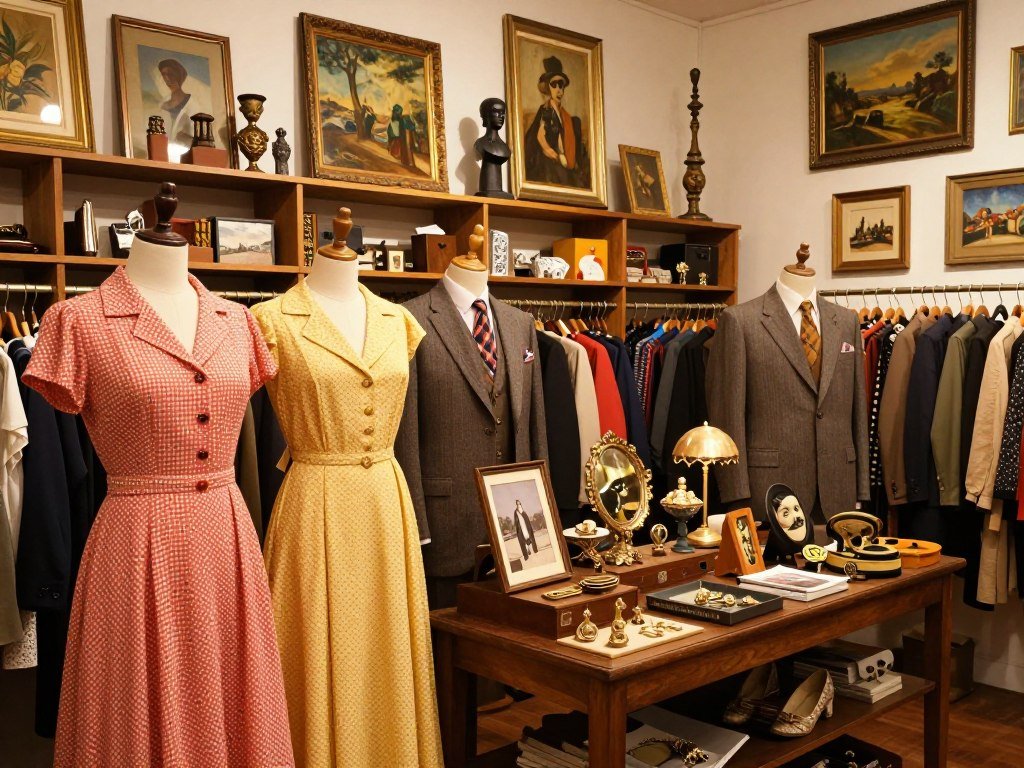
Which Charity Shops Offer a Smaller-Store Feel?
For a smaller shop where the purchase also supports a local cause, Good Friends Thrift in Parma Heights is a strong pick. Its community focus supports no-kill animal shelters, and the shop carries clothing, home decor, and household items.
These three shops offer different causes and shopping strengths, from a tidy two-storefront browse to furniture with delivery support.
- Good Friends Thrift, Parma Heights: low-priced clothing and home decor; proceeds support no-kill animal shelters.
- Good Neighbor Thrift Shop, Avon Lake: neighboring storefronts for home goods and clothing; proceeds support local nonprofits.
- Warehouse of H.O.P.E., Eastlake: furniture and household goods, with delivery and help loading larger pieces.
Good Friends Thrift suits a modest budget when you need clothing or a small decor change. Its proceeds support no-kill animal shelters, giving the purchase a local cause beyond the item itself. The shop’s range also includes household goods, so a single browse can cover several needs.
Good Neighbor Thrift Shop is volunteer-run, with home goods and clothing in separate neighboring storefronts. Proceeds go to local nonprofit organizations, and the two-store layout gives the visit a small-shop feel. The shop is small and can get crowded, so browsing both sides may take patience.
Warehouse of H.O.P.E. in Eastlake focuses on furniture and household goods. It supports people in recovery, and delivery is available for larger purchases. Staff can also help load large pieces, a useful option when you are not lifting alone.
These shops are different from a large chain, both in scale and in the community causes they support. A smaller floor can make browsing feel personal, though tight aisles may fill quickly. At Good Neighbor, leave time to browse both storefronts rather than stopping at the home-goods side alone.
How Do Local Chain Stores Handle Sales and Discounts?
Willowick Savers is the simplest sale to plan around, with 50 percent off everything on Mondays. That clear offer can help you set a spending limit before entering the store.
Discount rules differ by store and may vary by tag or department, so confirm the details before choosing an item. Common Threads has a different daily discount, while Volunteers of America in North Olmsted uses color-tag discounts and rewards credit.
- Confirm the day’s offer at the entrance.
- Ask which tags or departments qualify.
- Check whether sale rules exclude certain goods.
- Find out whether a final-sale policy applies before buying.
Willowick Savers offers 50 percent off everything on Mondays. Common Threads stores have a different discount each day of the week, and all sales are final. Volunteers of America in North Olmsted uses color-tag discounts and a rewards program that builds store credit.
Those offers are not interchangeable. One shop may mark qualifying items by tag, while another may apply a daily deal across the store. A sale sign can also leave out certain goods, so read it before you assume a large item qualifies.
Rewards credit may help on a later visit, but it is different from a discount at checkout. Keep that distinction in mind when comparing prices across stores. A final-sale rule matters most when you cannot try on clothing or test an item before paying.
Take a few seconds to confirm the terms before adding a piece to your cart. The marked price alone does not tell you whether a tag, department, or policy changes the final amount. Treat the marked price as the starting point until you confirm the qualifying tag and sale terms.
Goodwill vs. Salvation Army: Which Should You Choose?
For an ordinary clothing-and-housewares run, choose Goodwill; for a trip centered on furniture or vintage household finds, choose Salvation Army. The category matters more than the name on the building.
Goodwill is the stronger default for everyday clothing and household basics, while Salvation Army better fits a furniture or unusual-housewares browse. This is a shopping rule, not a promise about a particular branch’s shelves.
Choose Goodwill for Everyday Clothing and Housewares
Goodwill works well when your list includes clothes, dishes, small household tools, or other common needs. A broad basics trip gives you more ways to use the visit even if one section has little to offer. The stock still changes from branch to branch.
Compare nearby Goodwill branches’ current selection before choosing one. A location close to home may save travel time, while another branch may better match the item category you want. Neither choice guarantees a specific brand, size, or household piece.
Choose Salvation Army for Furniture and Vintage Finds
Salvation Army makes more sense when you want furniture or vintage and secondhand housewares. That focus can suit a room update or a browse for a distinctive serving dish, lamp, or storage piece. The best fit depends on what the nearby store has out that day.
Do not treat either name as a fixed quality label. Store size, donations, and recent sales can shape the selection at each branch. A furniture-focused trip may work better at Salvation Army, while routine clothing and kitchen basics point toward Goodwill.
Think about the main reason for going before you compare locations. That keeps a short errand from turning into an unnecessary drive to a store with the wrong mix. Decide which category matters most before comparing the nearest branches.
What Should You Check Before Buying Used Furniture?
A bargain sofa or dresser is only useful if it fits through the entrance and works in the room where you plan to use it. Fit comes first, then condition and function.
Measure the item and the full route into your home using the same units. The common mistake is measuring the furniture but forgetting doorways, stairs, or tight turns.
Measure the Piece and Its Route Into Your Home
Write down the piece’s height, width, and depth, then measure the doorway, hall, stairs, and turns on its route. Compare inches with inches, or centimeters with centimeters, so the numbers tell you something useful. A sofa that fits the room may still fail at a narrow landing.
Check whether doors need to open fully and whether a stair rail or low ceiling limits the turn. Measure the place where you plan to put the piece, too. A large dresser can fit through the front door and still crowd the room.
Check Frames, Joints, and Surfaces
Rock a chair or table gently and watch for loose joints, wobbling legs, or a frame that shifts under light pressure. Look over wood for cracks, swollen areas, and deep scratches. Check glass for chips or cracks along its edges.
Inspect fabric and upholstery for tears, worn patches, stains, and odors that may remain after cleaning. Lift cushions when possible and check the seams beneath them. A strong smell can be harder to remove than a mark on the surface.
Test Doors, Drawers, and Upholstery
Open each drawer and door, then close it again to check for sticking or loose hardware. Test latches and handles if the piece has them. For upholstery, sit carefully and notice sagging or uneven support.
Used appliances need their own functional check before loading. Confirm that the controls work and the unit runs as expected when a safe test is possible. A clean exterior does not prove that an appliance works.
Record any damage you accept, especially if pickup will happen later. Ask the seller to confirm the agreed condition before you arrange transport. Photograph damage and confirm the agreed condition before arranging pickup.
Measure appliances as carefully as furniture, including the opening and the clearance needed for doors. For more on choosing a refrigerator that fits, compare counter-depth refrigerator dimensions with the space in your kitchen.
What Is the Best Day to Go Thrifting?
Try Monday or Tuesday morning if you want a chance to browse items sorted after weekend donations. Early in the week gives staff time to process some of those goods.
Weekend donations may take a day or two to reach the shelves, though each store sets its own sorting pace. Inventory timing can differ, so a Monday visit does not guarantee fresh finds.
- Confirm the store is open when you plan to arrive.
- Ask staff when donated goods are usually put on shelves.
- Pick a morning when you can browse without rushing.
A weekday morning can give you time to scan the racks without squeezing the visit between other errands. The useful moment depends on when a shop sorts and displays its goods, not simply on the day of your visit.
Some stores place donations out quickly, while others need more time to check and price items. Staff can explain the local rhythm better than a general rule can. Ask about the departments you care about, since clothing and furniture may reach the floor at different times.
Plan enough time to browse rather than arriving just before another commitment. A rushed trip can make a good item easy to miss or leave you unable to compare options. Call ahead if the timing of new stock will determine whether the trip is worthwhile.
Can You Sell Clothes to a Thrift Store?
For an immediate in-person offer on gently used clothes, shoes, and accessories, Plato’s Closet buys for cash without an appointment. Bring selected pieces, since a buyer decides what fits the store’s current needs.
An in-person buyer can decline any item, so bringing a bag does not guarantee a sale. River Trading Company in Rocky River accepts higher-quality fashion pieces, and sellers can save on a later purchase.
Plato’s Closet has more than 500 individually owned and operated locations across North America. The chain buys gently used clothes, shoes, and accessories, then makes cash offers on the spot. Each location makes its own decisions about the pieces it accepts.
River Trading Company in Rocky River is another option for fashion items with higher quality. Sellers can save on a later purchase there. Ask how the store handles payment before making the trip, since a later-purchase offer differs from immediate cash.
Consignment is a process in which a shop sells an owner’s item and pays them after the sale. It differs from a direct buy, where a shop offers payment for selected goods before resale. Knowing the setup helps you compare what happens after you hand over an item.
- Clean the pieces before taking them in.
- Check each item for damage or missing parts.
- Sort clothing, shoes, and accessories by category.
- Confirm the shop’s current buying needs and payment terms.
Bring pieces that are clean and ready for a buyer to review, but keep your expectations open. A shop may pass on an item because of condition, style, or its current stock. Check the store’s current buying needs before carrying a load of clothes across town.
How Do Thrift Stores Get Their Clothes?
Most donated clothing reaches a thrift shop through community drop-offs, after which staff or volunteers sort and price it for the sales floor. Donations start the process, but each shop sets its own rules.
Nonprofit shops and buy-sell stores do not get every item the same way. Nonprofit shops often receive donations, while buy-sell stores purchase selected goods directly from owners.
After clothing arrives, workers sort it by type and check its condition. They may remove items that do not meet the shop’s standards, then price the pieces selected for sale. Clothing is grouped and placed on racks for shoppers to browse.
Other donated goods can follow a similar path, with staff or volunteers checking condition before setting a price. The exact steps depend on the shop’s size and how it handles donations. A store may also have limits on what it can accept.
Good Neighbor Thrift Shop in Avon Lake is volunteer-run and supports local nonprofits with its proceeds. Good Friends Thrift in Parma Heights supports no-kill animal shelters. These examples show how a shop’s mission can shape where sales proceeds go, but every store has its own structure.
Direct-buy stores work differently because they select items from sellers instead of relying only on community donations. That distinction affects both the source of stock and how owners are paid. Check a shop’s donation instructions before dropping items off, since accepted goods and drop-off arrangements differ.
What Are Good Online Thrifting Alternatives?
Online options can extend a local search, but each platform has different fees, return rules, and protections. Compare the full cost before you choose a listing.
Match the platform to the item and the buying terms: clothing sites, peer-to-peer marketplaces, and auction sites handle sales differently. Shipping and return costs can change the value of an apparent bargain.
Browse Clothing, Designer Goods, and Used Gear
ThredUp sells women’s and children’s clothing from tens of thousands of brands, with discounts up to around 90% off retail. It accepts returns within 14 days, with a $3.99 restocking fee per item. Return shipping is waived when customers take ThredUp credit.
Patagonia Worn Wear sells used and recrafted Patagonia gear. It offers trade-in credit and repair support under Patagonia’s Ironclad Guarantee. That makes it a focused choice for shoppers who want used outdoor gear from that brand.
The RealReal authenticates every listed item in-house. Most categories can be returned within 21 days, which gives you a clear window to review an order. Read the listing and return terms for the category you plan to buy.
Compare Peer-to-Peer Marketplace Fees
Depop’s U.S. sellers pay no commission, but payment processing costs 3.3% plus $0.45. Buyers can pay a marketplace fee of up to 5% plus $1 at checkout. Include both sides of the cost when you set a selling price.
Vinted charges sellers no fees, while buyers pay a protection fee of about 5% plus $0.70. Poshmark charges buyers $7.67 for USPS Priority shipping on orders under five pounds. Its Posh Protect covers items that arrive not as described.
These platforms use different fee structures, so the buyer’s total and seller’s payout can differ. Check the order summary before payment, especially when shipping or buyer fees apply. The lowest listed price may not mean the lowest checkout total.
Use Auctions for Collectibles and Specialty Finds
ShopGoodwill runs auctions for donated goods from Goodwill locations across the United States. Listings include clothing, vintage items, and collectibles. Shipping includes carrier charges and a handling fee set by the selling location.
Bulky ShopGoodwill items may be charged by dimensional weight, which uses package size as well as weight. That can raise the delivered cost of large pieces. Check the listing’s shipping details before bidding.
eBay offers secondhand goods through auctions and Buy It Now listings. Its Money Back Guarantee covers items that do not arrive or do not match their listing. Eligible sneakers and luxury goods above program thresholds may receive an authenticity guarantee, but not every listing qualifies.
Vestiaire Collective charges buyers a service fee and an authentication fee where physical authentication applies. Those charges depend on the transaction and item. Read the item page and checkout summary before making a bid or offer.
Online shopping gives you access to more brands and specialty goods, but a screen cannot replace a close in-person inspection. Review photos, descriptions, return rules, and seller terms before you commit. Check the total at checkout, including shipping and any platform or authentication fees, before committing to an online purchase.
How Can You Plan a Cleveland-Area Thrift Route?
A good thrift route groups a few stops by category and community instead of chasing every recommendation across Northeast Ohio. Keep the route local to leave more time for browsing.
Plan around one kind of shopping and nearby communities, since Greater Cleveland locations span a wide area. Choose a compact route that fits your budget and available time.
- Choose one shopping category, such as clothing, furniture, or vintage decor.
- Group nearby stops in the same community or neighboring communities.
- Confirm opening hours and donation or parking instructions.
- Leave room for a stop that catches your eye.
The local picks reach Cleveland, Akron, Bedford Heights, Eastlake, Lakewood, North Olmsted, Painesville, Parma Heights, and Avon Lake. Those places do not all make sense in one outing. Pick a cluster that matches your starting point and the item you hope to find.
Lakewood and Rocky River can suit a west-side browse, while Eastlake and nearby communities offer options for furniture and home supplies. These routes give you a geographic plan, not a promise that a certain item will be waiting. Keep the stop list short enough to allow time at each shop.
A long cross-region drive makes little sense for one low-cost item. Group nearby stops and let the trip serve a real shopping need.
Hours and opening days differ by shop, so check them before you leave. Parking and donation rules may matter if you plan to drop off goods or carry a large purchase. Saving those details with each address can prevent a wasted stop.
A flexible route leaves space for a shop you pass on the way or a longer browse at a promising stop. Avoid building a day around a specific item unless the store has confirmed it. Save the addresses and confirm hours on the day you go.
Conclusion
The best first stop depends on what you want to bring home, not on choosing one shop for every kind of find. A clothing trip, a furniture project, and a vintage browse call for different stops.
Current hours, sale terms, and item condition can change how useful a local trip feels. Choose a store that fits your main need, then keep a nearby alternative in mind if the shelves do not cooperate. Pick one category, save two nearby options, and confirm their hours before you head out.
FAQ
Is thrift shopping good?
Yes, thrift shopping can save money and extend the use of secondhand goods. Compare an item’s condition and price with what you need, rather than buying it just because the tag looks low. A sturdy coat or table may be useful for years, while a damaged item can cost more to fix than expected. Choose pieces you can use now.
How do you sell your clothes to thrift stores?
Clean and sort your clothes, check the store’s buying needs, and confirm its payment terms before making a trip. Some shops buy selected pieces for cash or store credit, while consignment shops pay the owner after an item sells. A buyer decides what to accept, so bringing clothing does not guarantee an offer. Ask about payment before handing anything over.
How do thrift stores get there clothes?
Many thrift stores get clothing through community donations, then sort, inspect, price, and display the items. Staff or volunteers may remove pieces that do not meet the store’s condition rules. Buy-sell shops also purchase selected clothes directly from owners, which differs from donated stock. Donation rules vary, so check what the shop accepts before dropping off a bag.
Is there a best day to go thrifting?
Monday or Tuesday mornings can be a useful time to shop because weekend donations may take a day or two to be sorted and shelved. Each store follows its own schedule, so the timing of new goods can differ. A morning visit also gives you time to browse at an easy pace. Check the store’s hours before setting out.
Which thrift store is better, Goodwill or Salvation Army?
Goodwill is a practical default for clothing and everyday household basics, while Salvation Army is a better fit when furniture or vintage housewares matter most. The recommendation is about the shopping category, not a promise about one branch’s selection. Stock can differ between nearby locations. Think about your main need, then compare the closest stores before choosing.



