
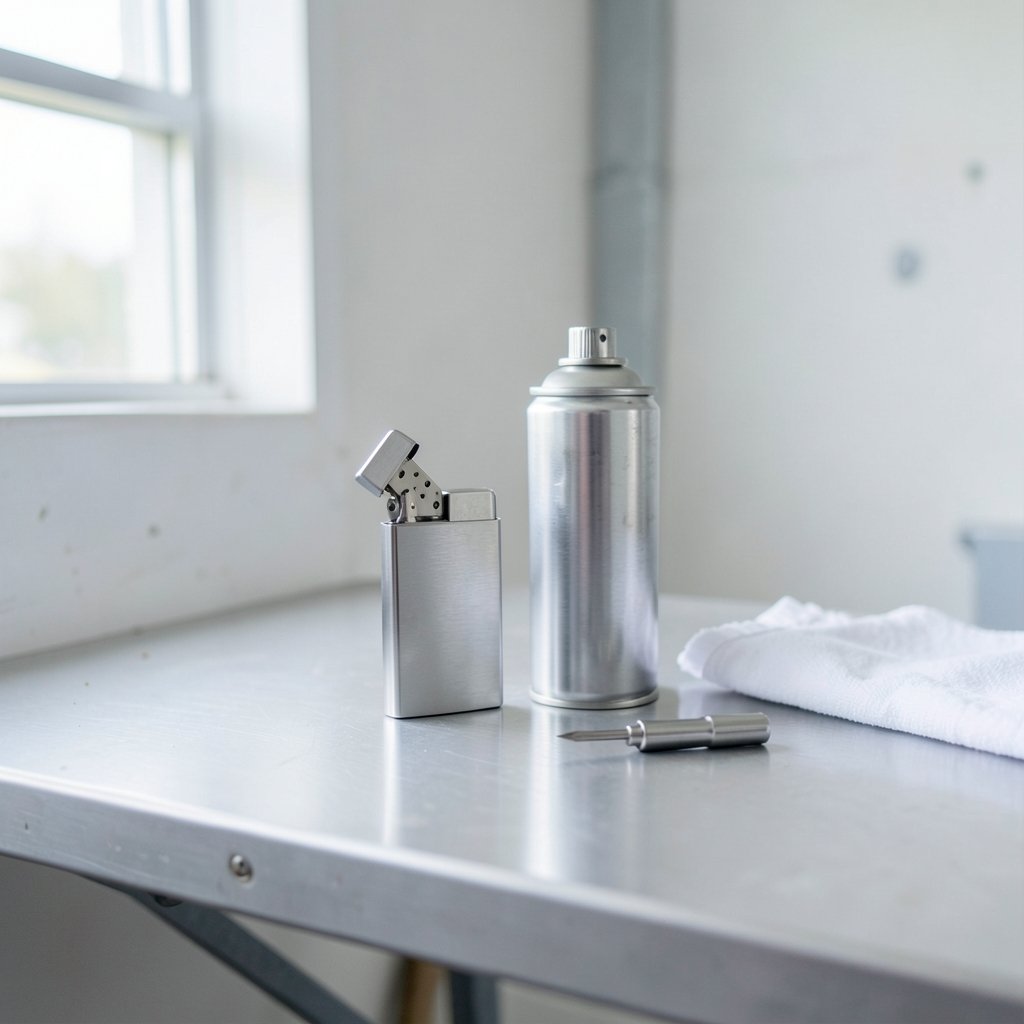
Ever flipped the wheel on a lighter, heard a sad little click, and realized the flame is gone for good? If it’s a refillable butane model, that click doesn’t mean the end. It means the fuel ran out, and you can bring it back to life in about two minutes. The trick is doing it correctly, because a sloppy refill wastes half the can, sputters for days, or damages the fill valve permanently. This guide walks through the whole process the way it actually works in practice, including the small moves most people skip.
First, Check That Your Lighter Is Actually Refillable
Not every lighter is meant to be refilled. Disposable models are sealed at the factory and have no fill valve at all. Flip your lighter over and look at the base. A refillable lighter has a small metal valve, usually a tiny circle with a pinhole in the center, sometimes recessed inside a ring or covered by a screw cap. If you see a smooth plastic or metal bottom with no valve, it’s a disposable. Some people drill or pry into disposables to refill them anyway. That’s a bad idea. The body isn’t built to hold pressure reliably after being opened, and the risk of a leak or rupture isn’t worth saving a couple of dollars.
You also need the right fuel. Lighter fuel is almost always n-butane or a butane blend, not propane, not camp stove fuel, and definitely not “lighter fluid” in the sense of the liquid used for wick lighters. Butane is a small hydrocarbon that turns from liquid to gas at roughly −0.5 °C at normal atmospheric pressure, which is why it has to be stored under pressure in a sealed can and a sealed lighter. You can look up the physical properties, including boiling point and vapor pressure, in the NIST Chemistry WebBook’s butane data, which explains why cold lighters behave so badly. (Laser vs led projector which light source fits your room) (Butane)
Gather the Right Supplies Before You Start
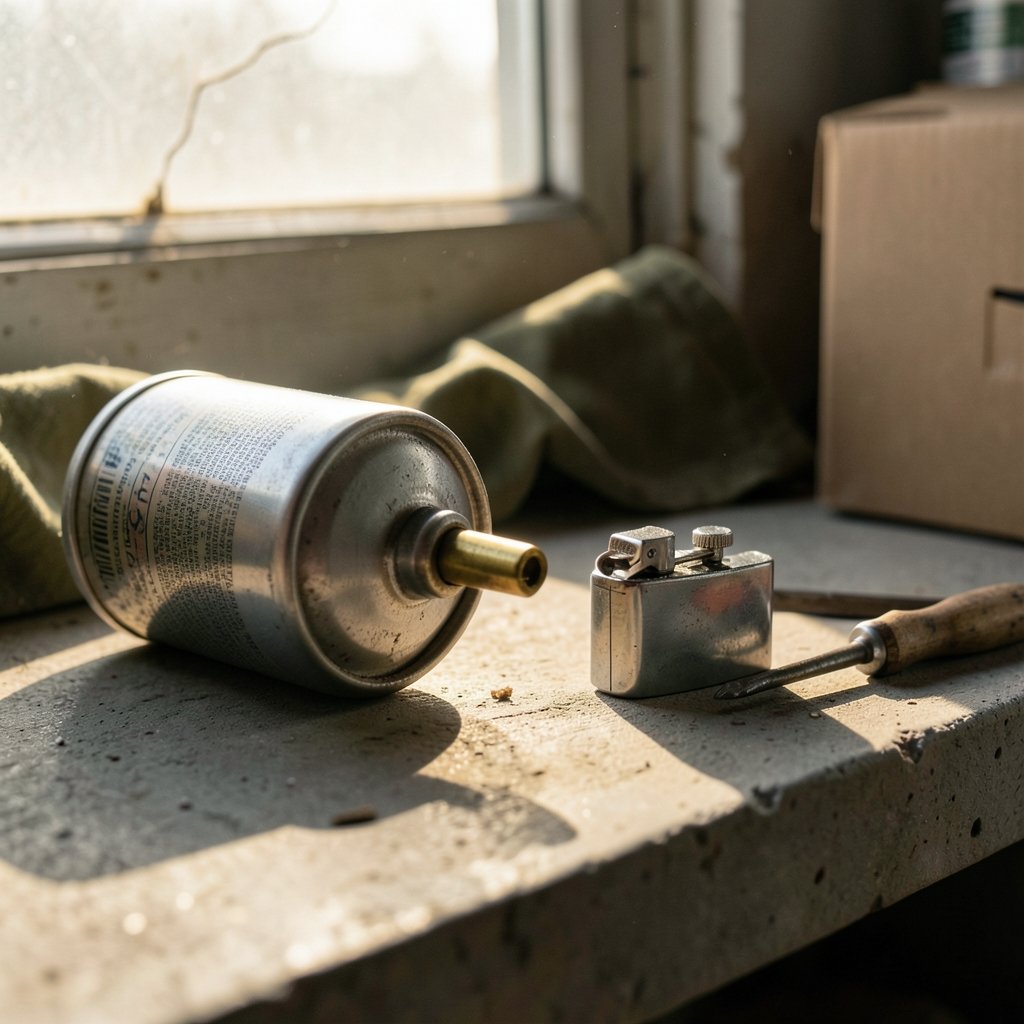
Refilling is quick, but you don’t want to be hunting for tools with a half-empty lighter in your hand. Here’s the short list:
- A can of butane lighter refill with a metal nozzle. These cans are sold at tobacconists, hardware stores, and online. Quality matters. Cheap cans with impure blends tend to sputter and clog.
- A small screwdriver, pen cap, or the tool that came with your lighter to press the fill valve for purging.
- A well-ventilated space away from any flame, spark, or pilot light, including a gas stove’s standing pilot.
- A minute or two of patience, because the fuel needs to settle before you light it.
Step 1: Purge the Lighter Before Refilling
This is the step almost everyone skips, and it’s the one that makes the biggest difference. Purging means releasing whatever gas and air is left inside the lighter before adding fresh fuel. Why bother? Because air trapped in the tank takes up space that fuel could occupy, and it also causes sputtering and weak flames for the first dozen lights after a refill.
To purge, hold the lighter with the valve pointing up and press the valve down gently with your tool. You’ll hear a short hiss as residual gas escapes. Hold it for a second or two, release, and repeat until the hiss fades. Don’t jam the valve or force it sideways; the valve is a small spring-loaded check valve and it bends easily. If your lighter has a screw cap over the valve, remove it first and set it somewhere you won’t lose it.
One honest caveat: purging is widely recommended by manufacturers and repairers, but it’s a best practice rather than something backed by a controlled study. In practice, though, most people who refill regularly notice a cleaner first light after purging, so it’s worth the ten seconds. (Light phone 3 vs minimal phone keyboard e ink app limits)
Step 2: Chill the Lighter, Not the Can
Here’s a detail that trips up a lot of people. Butane moves from the can into the lighter as a liquid, and liquids flow from higher pressure to lower pressure. Chilling the lighter in the fridge for a few minutes (not the freezer, and never near food) lowers the pressure inside its tank, which makes the transfer faster and more complete. Some people chill the can instead. That’s backwards. A cold can has lower internal pressure and will transfer more slowly.
If you don’t want to bother with the fridge, room temperature works fine. Just don’t refill a lighter that’s been sitting in a hot car or in direct sun, because the pressure inside can be high enough to resist the incoming fuel.
Step 3: Invert Both the Lighter and the Can
This is the core physical trick. Hold the lighter valve-up, then turn the butane can nozzle-down and press the nozzle firmly onto the valve. The can should be upside down so that liquid butane, not gas, flows into the lighter. If you hold the can upright, you’ll mostly release gas, and the lighter will feel full for about thirty seconds before it dies again. (NIOSH Pocket Guide to Chemical Hazards: Butane)
Press down firmly and hold for three to five seconds. You’ll hear a hissing or gurgling sound, which is normal. Some cans have a small plastic adapter tip that fits different valve sizes; use the one that seats snugly without wobbling. A loose fit sprays fuel everywhere and wastes the can.
Step 4: Stop When It’s Full, Not When It Overflows
How do you know when to stop? A few signals:
| Signal | What it means |
|---|---|
| Hissing stops or changes pitch | Tank is close to full |
| Fuel spits out around the nozzle | Full, or the seal isn’t seated |
| Lighter feels noticeably heavier | Good fill |
| No change after 10 seconds | Valve may be blocked or the can is empty |
Overfilling doesn’t make the lighter last longer. It just forces liquid fuel into the burner assembly, which causes a big flare-up on the first light and can flood the mechanism. If fuel sprays out the sides during filling, stop, check that the nozzle is centered, and try again with a firmer, straighter press.
Step 5: Wait, Then Adjust the Flame
After refilling, set the lighter down for a minute or two. The fuel inside is cold from expanding into the tank, and cold butane has low vapor pressure, so it may not light immediately. Give it time to reach room temperature. If your lighter has a flame adjustment wheel or slide, set it to a low or medium position before the first light. A lighter that’s just been filled and is set to maximum will produce a startlingly large flame. (Do blue light glasses actually work evidence really shows)
Then light it away from your face and anything flammable. The first flame may be uneven or sputter slightly. That’s trapped air working its way out. It should settle within a few lights.
Common Mistakes That Ruin Lighters
A few habits cause most refill failures. Watch for these:
- Refilling without purging. Air stays trapped, and the lighter performs poorly.
- Holding the can upright. You get gas, not liquid, and a very short-lived fill.
- Using the wrong fuel. Camping fuel and propane blends burn hotter and can damage the seals. Stick with butane lighter refill.
- Refilling near a flame. Butane is highly flammable, and it’s denser than air, so it can pool in low spots like a sink or a table edge. The NIOSH Pocket Guide entry on butane lists its flammability and exposure limits, and it’s worth a read if you refill often indoors.
- Skipping ventilation. A small room with a running refill can build up gas quickly.
- Pointing the valve at your skin. Liquid butane evaporates fast and causes cold burns that feel like frostbite. Keep the valve pointed away from your hands and face.
- Storing cans near heat. Aerosol cans can rupture above roughly 50 °C (122 °F), so keep them out of hot cars and away from radiators.
When a Refill Doesn’t Work
Sometimes you do everything right and the lighter still won’t light. Before you toss it, check a few things.
If nothing happens at all, the valve may be clogged with dust or lint. A short burst of compressed air (held at a distance) can clear it. If the lighter lights but the flame is tiny even at the highest setting, the tank may not have filled properly, so purge and try again. If the flame is huge and yellow, the burner is flooded, so let it sit for ten minutes and try again at a lower setting.
If the lighter leaks audibly after filling, the fill valve’s O-ring may be worn. Some lighters have replaceable valves; most don’t. A leaking lighter is a safety issue and also an annoyance, so retire it rather than keep refilling it.
A Note on Safety and Storage
Butane refill cans are pressurized aerosols, and they deserve the same respect as any other flammable gas container. Store them upright, below about 50 °C, and out of reach of children. Refill in a ventilated area away from ignition sources. If you smell gas strongly after a refill, move the lighter and can outside or to a well-ventilated spot and let the area air out before doing anything else. For general principles on handling flammable liquids and gases, the OSHA flammable liquids overview is a useful starting point.
It’s also worth knowing that butane is not the only gas in the lighter world. Some torch lighters use refined butane blends, and some outdoor gear runs on isobutane mixes. If you’re refilling a torch or a camp stove, check the manufacturer’s spec rather than assuming standard lighter fuel will work. The wrong blend can clog a jet or burn too hot.
How Often Should You Refill?
There’s no fixed schedule. It depends on how much you use the lighter and how big the tank is. A daily smoker’s lighter might need a refill every week or two. A candle-lighting lighter might go months. The useful habit is to refill before the lighter is completely empty. A lighter that still has some fuel and pressure left purges and fills more cleanly than one that’s been run dry and has been sitting with air inside.
Conclusion
Refilling a butane lighter is one of those small skills that pays off every time you use it. Purge first, chill the lighter, invert both the lighter and the can, press firmly for a few seconds, and give it a minute before you light it. Those five moves turn a dead lighter back into a working tool and keep the fill valve healthy for years. The mistakes are predictable, the safety rules are simple, and the whole job takes less time than brewing a cup of coffee. Once you’ve done it a couple of times, you’ll wonder why you ever threw lighters away.
Frequently Asked Questions
Can you refill a disposable lighter?
Generally, no. Disposable lighters are sealed at the factory and have no fill valve. Some people pry them open and refill them anyway, but the body isn’t designed to hold pressure after being opened, and the risk of leaks or rupture isn’t worth it. Buy a refillable model instead.
Why does my lighter sputter after refilling?
Trapped air is the usual culprit. If you didn’t purge before filling, air mixes with the fuel and causes an uneven flame for the first several lights. It usually clears on its own. If it doesn’t, purge the lighter and refill it again.
How long should I hold the can on the valve?
Three to five seconds is typical for a small lighter. Press firmly and hold until the hissing changes or stops. Holding longer doesn’t add more fuel once the tank is full, and it can force liquid into the burner assembly.
Is it safe to refill a lighter indoors?
Only in a well-ventilated area, away from flames, sparks, and pilot lights. Butane is highly flammable and denser than air, so it can pool in low spots. A kitchen with a gas stove’s standing pilot is not a good place to refill. Open a window or step outside.
Why won’t my lighter light right after a refill?
Cold fuel is the most common reason. Butane has low vapor pressure when cold, so a freshly filled lighter may need a minute or two at room temperature before it lights reliably. Set the flame adjustment to low before the first light.
How do I know when the lighter is full?
The hissing sound changes or stops, the lighter feels noticeably heavier, or a small amount of fuel spits out around the nozzle. Stop at the first sign of fullness. Overfilling causes flare-ups and flooding, not longer life.



