What happens when roughly two billion people adjust their eating, sleeping, and working hours to match the moon? That is the reality of Ramadan, the holiest month in the Islamic calendar. For anyone planning around Ramadan 2026, the practical questions come fast: when does it start, how long does it last, and what actually changes for families, students, and workplaces? This guide walks through the timing, the rules of fasting, the health side, and the everyday logistics, without the guesswork. (Apple scotus 27 percent app store fee 2026) (Ramadan)
When Does Ramadan 2026 Begin and End?
Ramadan is the ninth month of the Hijri calendar, a lunar system with years of about 354 days. Because that is roughly 11 days shorter than a Gregorian year, Ramadan drifts earlier each year. That shift is why 2026’s fasting month lands in winter for the Northern Hemisphere, with shorter, cooler days than the long summer fasts of recent years.
The month begins when the new crescent moon is sighted, or when astronomical calculation confirms it. This is why start dates can differ by a day between countries, and even within communities in the same country. For planning purposes, most calendars project Ramadan 2026 to begin around mid-February 2026, with the first full fasting day following immediately. The month runs 29 or 30 days depending on the next crescent sighting, which puts Eid al-Fitr, the festival ending the fast, in mid-March 2026. (Ai infrastructure race 2026 2000 telecom bust keeps coming)
| Milestone | Approximate timing | What it means |
|---|---|---|
| Expected first day of fasting | Mid-February 2026 | First dawn-to-sunset fast |
| Last ten nights | Early to mid-March 2026 | Most intense worship period |
| Laylat al-Qadr | One of the odd nights in the final ten | The “Night of Power” |
| Eid al-Fitr | Mid-March 2026 | Festival ending the fast |
Treat these as planning estimates, not fixed dates. The final word comes from local moon sighting authorities or established calculation bodies, and mosques usually confirm the start the evening before.
Why the Moon Decides Everything

The Islamic calendar is observational. A month begins with the sighting of the hilal, the thin crescent moon, and this tradition is one of the most distinctive features of Islamic timekeeping. The practice is described in overviews of the Islamic calendar and its lunar structure.
In practice, this creates a familiar split. Some communities follow a global sighting, others follow local sighting, and some rely on precomputed calendars. The result is that a family in one city might start fasting a day before relatives in another. This is not confusion for its own sake. It reflects a long-standing scholarly discussion about whether sighting is local or universal.
For anyone planning travel, exams, or events around Ramadan 2026, the practical advice is simple: build in a one-day buffer on both ends. Do not book a critical commitment for the presumed first morning of fasting or the presumed Eid day until your local mosque or community announces it. (Retroachievements setup pc emulators practical 2026)
What Fasting Actually Involves
Fasting during Ramadan means abstaining from food, drink, smoking, and marital intimacy from dawn (Fajr) to sunset (Maghrib). The pre-dawn meal is called suhoor, and the meal breaking the fast is iftar. Fasting is one of the Five Pillars of Islam, alongside the declaration of faith, prayer, charity, and pilgrimage.
It is worth stressing what fasting is not. It is not a test of endurance for its own sake. The month also emphasizes extra prayer, Quran recitation, charity, and self-restraint in speech and behavior. Many Muslims describe the discipline of the fast as a way to build empathy for those who go hungry by circumstance rather than choice.
Who Is Exempt From Fasting?
Islamic law is explicit that fasting is an obligation only for those who can bear it. Exemptions include:
- Young children, who are not required to fast
- People who are ill, especially where fasting would worsen their condition
- Travelers on a journey
- Pregnant and breastfeeding women, where fasting poses a risk
- Women during menstruation
- The elderly or chronically ill who cannot fast at all
Most exemptions come with a make-up requirement, either fasting later or, for those permanently unable to fast, feeding a person in need for each missed day. This principle of fidyah is a core part of how the month is practiced, and it is covered in more depth in explanations of fidyah and kaffarah.
The Last Ten Nights and Laylat al-Qadr
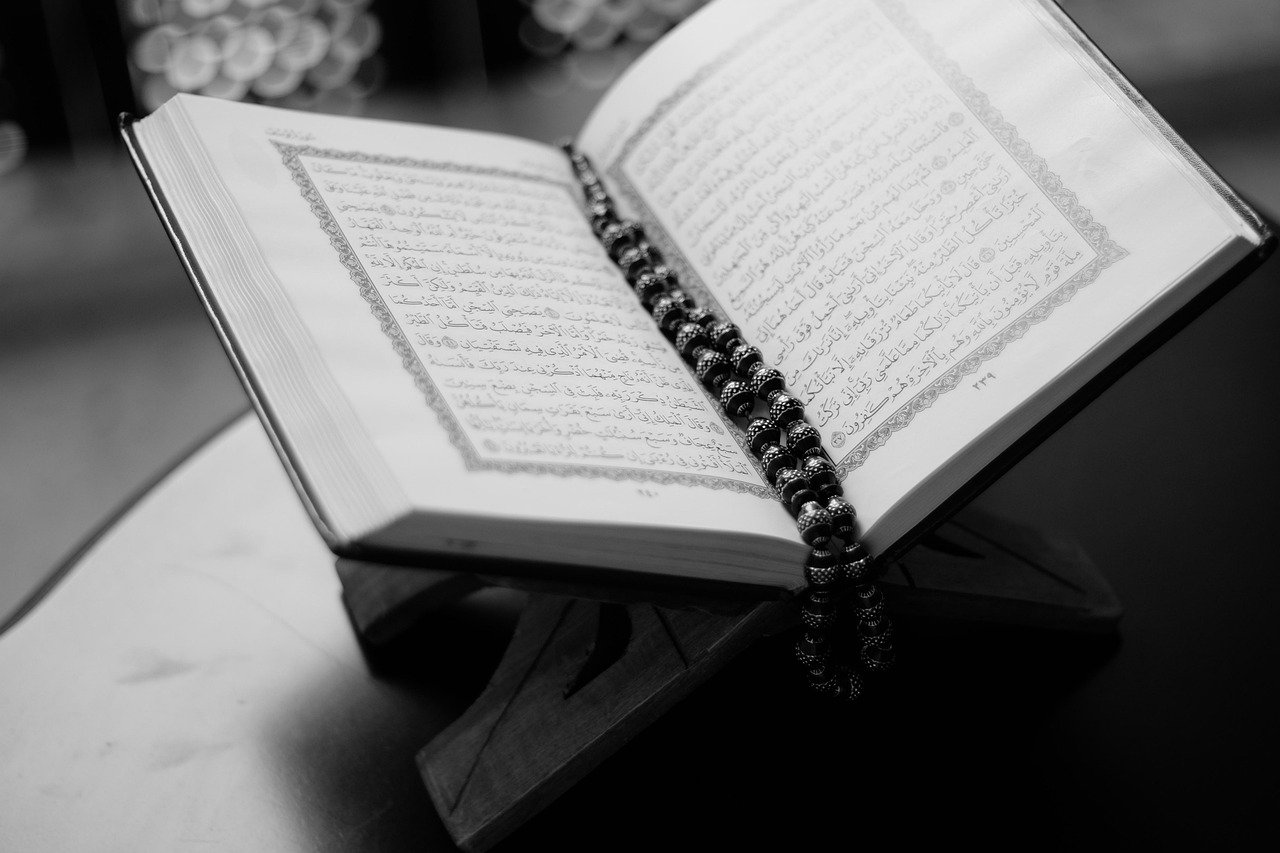
The final ten nights of Ramadan carry special weight. Within them falls Laylat al-Qadr, the Night of Power, which Muslims believe is the night the Quran was first revealed. The Quran describes it as better than a thousand months, so many people intensify worship, recitation, and charity during this stretch.
Because the exact night is not specified, tradition holds that it falls on one of the odd nights of the last ten, such as the 21st, 23rd, 25th, 27th, or 29th. Mosques often stay open late, and many communities hold special night prayers. For practical planning, expect the busiest mosque attendance and the most disrupted sleep schedules during this window.
Health and Fasting: What the Evidence Suggests
A common worry is whether fasting is safe. For healthy adults, hunger, headaches, and irritability often ease over the first week as the body adjusts. Hydration and sleep are the two biggest variables. Dehydration is the most common complaint, particularly when Ramadan falls in warmer months. (Healthy diet)
For people with diabetes, heart conditions, or kidney disease, fasting decisions should involve a doctor. Guidance from medical bodies generally advises that high-risk patients, especially those with poorly controlled diabetes, should not fast without medical supervision. A practical tip that works well in real life: plan suhoor around slow-release foods and fluids rather than heavy, salty meals, and keep the post-iftar period for hydration rather than caffeine.
There is a less obvious health trap too. Many people overeat at iftar, undoing the metabolic benefits of the fast. Eating slowly, starting with water and dates, and waiting a little before the main meal tends to work better than a large spread eaten quickly.
Ramadan in Daily Life: Work, School, and Sleep
The month reshapes routines in ways that are easy to underestimate. Sleep often splits into two blocks, with a late night and an early suhoor, and productivity patterns shift. In many Muslim-majority countries, working hours are shortened during Ramadan.
For workplaces elsewhere, a few adjustments make a real difference:
- Ask what support employees need, rather than assuming.
- Avoid scheduling key meetings late in the afternoon, when energy is lowest.
- Be flexible about lunch events and after-hours commitments.
- Offer quiet space for prayer and a place to break the fast.
For students, the biggest issue is exam timing. When Ramadan overlaps with exam season, schools and universities in some regions adjust schedules. Families planning around Ramadan 2026 should check school calendars early, since the mid-February start could coincide with winter assessments in some systems.
Planning Around the Month: Practical Tips
A few habits separate a smooth Ramadan from a stressful one.
First, sort the calendar early. Confirm the expected start, block out the last ten nights, and pencil in Eid. Second, plan suhoor and iftar menus in advance so grocery runs do not collide with the busiest shopping days. Third, set a realistic charity plan, since giving is a major part of the month and many people prefer to spread it rather than scramble at the end.
Fourth, manage screen time. Many people report that the month is most rewarding when evenings are spent with family and community rather than scrolling. Fifth, and most overlooked, plan for Eid itself. Travel, new clothes, gifts, and the Eid prayer all need lead time, and the date can shift by a day at short notice.
It also helps to understand the broader calendar context. Ramadan moves because of the lunar year, and a similar drift shapes other religious observances. The same kind of date-shifting logic shows up in planning around other annual events, and the discipline of building in a buffer applies widely.
Common Mistakes People Make
The most frequent misstep is treating the projected start date as certain. It is not. A second is underestimating the first three days, which are usually the hardest as the body adjusts. A third is skipping suhoor entirely, which tends to make the day harder rather than easier.
Another common error is overcommitting socially. Iftar invitations pile up, and the month can become a schedule of dinners rather than a period of reflection. Choosing a few meaningful gatherings over many rushed ones usually works better. Finally, many people forget that Eid al-Fitr involves a specific charity, Zakat al-Fitr, which must be given before the Eid prayer, so it needs to be arranged in advance rather than on the morning itself.
How Ramadan 2026 Fits the Wider Calendar
Because the Hijri year is shorter than the Gregorian year, Ramadan 2026 arrives earlier than it did in 2025, and it will move earlier again in 2027. Over a span of roughly 33 years, Ramadan cycles through the entire Gregorian calendar, which means every generation experiences the fast in both short winter days and long summer ones.
This drift has practical consequences. Schools, employers, and event planners who work with Muslim communities need to check the date each year rather than rely on memory. It also means that for many people in temperate climates, Ramadan 2026 will be one of the more comfortable fasts in recent memory, with daylight hours well short of the 16-plus hour days seen in mid-summer.
Conclusion
Ramadan 2026 is a month defined by the moon, practiced through discipline, and shaped by community. The projected mid-February start and mid-March Eid give planners a working framework, but the exact dates belong to local sighting and announcement. What does not shift is the structure of the month: suhoor before dawn, iftar at sunset, extra prayer, charity, and the final ten nights of intensified worship. For anyone preparing, the winning approach is simple. Confirm the dates locally, plan early, protect sleep and hydration, and leave room for the parts of the month that do not fit on a calendar.
Frequently Asked Questions
When exactly does Ramadan 2026 start?
Most calendars project the first fast around mid-February 2026, but the official start depends on the crescent moon sighting or astronomical calculation used by your community. Confirm with your local mosque the evening before, and allow a one-day buffer in any plans.
How long does Ramadan 2026 last?
Ramadan lasts 29 or 30 days, depending on when the next crescent is sighted. That places Eid al-Fitr in mid-March 2026. The exact length is confirmed only near the end of the month.
Can I fast if I take daily medication?
It depends on the medication and your health. Some people can adjust timing with a doctor’s guidance, while others should not fast at all. Speak to a qualified medical professional before the month begins rather than deciding mid-fast.
What is Laylat al-Qadr and when does it fall?
Laylat al-Qadr is the Night of Power, believed to be the night the Quran was first revealed. It falls within the last ten nights of Ramadan, most likely on an odd night such as the 21st, 23rd, 25th, 27th, or 29th.
Do all Muslims start fasting on the same day?
No. Some communities follow a local moon sighting, others a global sighting, and some use precomputed calendars. This is why start dates can differ by a day between countries and even between communities in the same country.
What is Zakat al-Fitr and when must it be paid?
Zakat al-Fitr is a required charity given at the end of Ramadan, typically a set amount of food or its cash equivalent per person. It must be paid before the Eid prayer, so arrange it in advance rather than on Eid morning.