
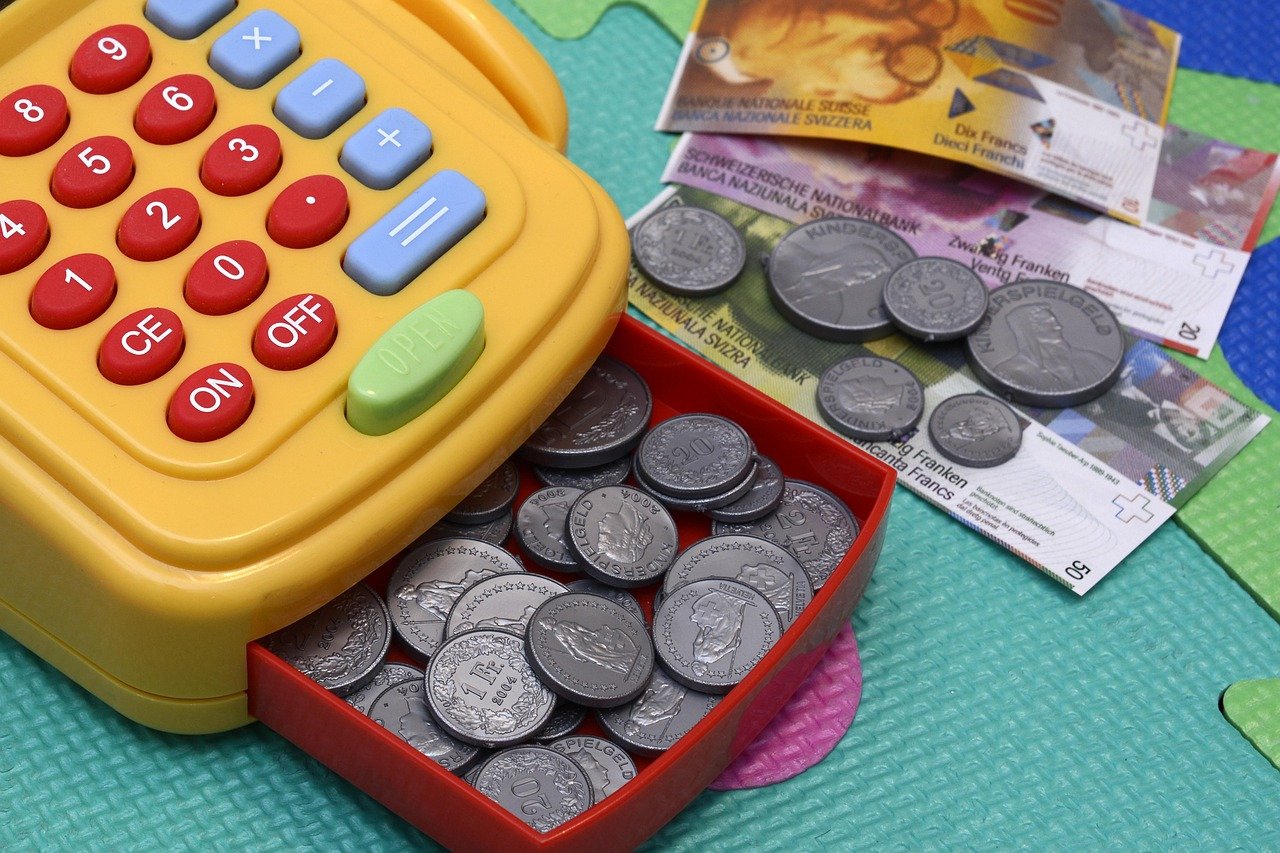
What do a Monopoly banknote, a classroom coin, and a pile of gems in a mobile game have in common? They are all play money — imitation currency that looks and behaves like the real thing but carries no legal value. That simple idea turns out to be far more important than most people assume. It shapes how children learn arithmetic, how board games create tension, how app developers earn billions, and even how counterfeiters get caught. Understanding play money means understanding a strange middle ground between pretend and real, where the stakes are low on paper but sometimes surprisingly high in practice.
What Counts as Play Money?
Play money is any currency substitute used for games, teaching, or simulation rather than actual exchange. It can be printed paper, molded plastic, cardboard tokens, or pixels on a screen. What defines it is intent, not material: everyone involved understands the money is not legal tender.
The term gets confused with a few neighbors. Funny money is slang for currency that has lost value or is counterfeit — a very different thing. Virtual currency is the broader category of digital value used in online systems, which may or may not be play money. And prop money is imitation cash made for film and television, which sits closest to the legal line of all.
That legal line matters more than people expect. In the United States, federal law restricts printing likenesses of U.S. obligations under conditions that could enable counterfeiting. The U.S. Secret Service, which investigates counterfeiting, publishes guidance on imitation and prop currency for exactly this reason. Reproducing banknote images is regulated in most countries too, which is why toy money is usually printed smaller, single-sided, or marked “copy.”
Why Play Money Has Been in Games for Nearly a Century
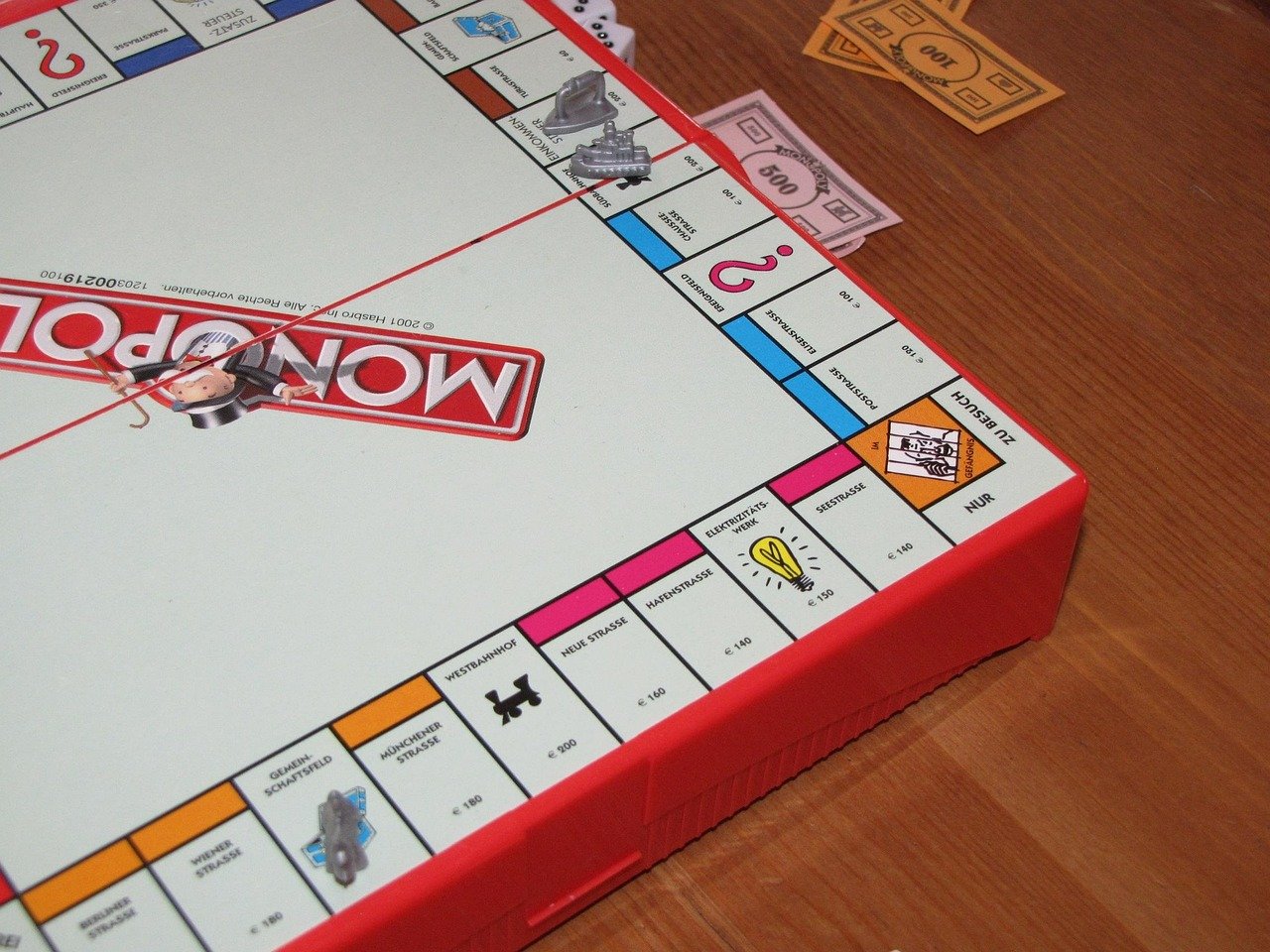
Board games did not invent pretend currency, but they perfected it. Monopoly, first published commercially in 1935, shipped with printed paper banknotes and turned them into a game mechanic rather than a prop. Players earned, hoarded, overspent, and went bankrupt with slips of paper that felt oddly meaningful.
That design trick still works because play money creates scarcity. When a game hands out a fixed bank, every purchase becomes a trade-off. Modern designers call this a resource mechanic, and it shows up everywhere from property trading games to complex strategy titles. The paper notes are not decoration; they are the engine of the decision-making.
What Makes Game Money Feel Real
Game designers borrow specific cues from real currency to make fake money persuasive:
- Denominations that ladder logically, so counting stays quick.
- Distinct colors and sizes for each value, reducing mistakes.
- Physical handling, which adds weight and consequence to spending.
- A visible bank or supply, so players sense limits.
Strip those cues away and the game feels weightless. That is why so many family games still use paper notes even in an age of apps.
Play Money in the Classroom: The Learning Tool That Sticks
Primary school teachers have used imitation coins and notes for decades to teach counting, place value, and making change. The logic is straightforward: children handle money before they understand numbers abstractly, so pretend currency bridges the gap. The U.S. Mint publishes free classroom resources on coins and money math that many teachers adapt alongside printed play money.
What actually works in practice, according to classroom experience rather than marketing claims:
- Realistic coins beat generic counters for coin-recognition lessons, because size and edge differences matter.
- Small group sets work better than one big pile, since children need to negotiate and count aloud.
- Change-making drills beat labeling drills, because the skill being tested is subtraction under mild pressure.
- Fake price tags and a pretend shop turn a worksheet into a routine children repeat willingly.
A common mistake is skipping the physical stage too early. Children who move to written money problems before handling coins often lose track of place value, especially across the decimal point. The tactile version is not busywork; it is scaffolding.
The Legal Side: When Fake Cash Crosses a Line
Play money is legal almost everywhere, but the details are strict. The U.S. statute on likenesses of obligations and securities targets printing that could be used for counterfeiting, and enforcement focuses on intent and realism. Prop money used in films has triggered real investigations when it circulated outside a set.
The practical rules that keep toy money on the right side of the law are consistent across most countries:
| Feature | Safe for play money | Risky or restricted |
|---|---|---|
| Size | Smaller or larger than real notes | Exact match to real dimensions |
| Sides | Single-sided printing | Two-sided like real currency |
| Markings | “Copy,” “Toy,” or “Not legal tender” | No markings at all |
| Material | Paper, card, or plastic clearly unlike cash | Banknote paper or polymer |
| Use | Games, teaching, film props | Passing as payment |
Central banks publish reproduction rules for their own notes, and the European Central Bank maintains detailed rules on reproducing euro banknote images. Anyone printing money-like designs for a game, a film, or a school project should check those rules first. It takes ten minutes and prevents a genuinely awkward conversation. (The euro)
Play Money in Video Games: From Tokens to Serious Business
Digital play money became commercially enormous with free-to-play games and microtransactions through the late 2000s and 2010s. Gems, coins, credits, and V-bucks are all play money in the classic sense, except players now buy the pretend currency with real money. That shift turned a harmless concept into a regulated industry.
Regulators have debated whether in-game currencies fall under anti-money-laundering rules. The U.S. Financial Crimes Enforcement Network issued 2013 guidance on virtual currencies that set the framework many later rules built on, and the question of when a game currency stops being a game has never fully settled.
For players, the practical risks are well documented:
- Sunk-cost spending. Buying currency in bundles makes the true cost of an item harder to see.
- Account loss. Virtual balances usually vanish with a banned or hacked account.
- Resale scams. Offers to trade in-game currency for real cash are a reliable route to fraud. The gift card scam pattern, where victims rarely recover funds, shows up constantly in game trading communities, and the same caution applies to anyone offered “cheap” in-game currency at a discount.
- Currency confusion. Mixing several in-game currencies is a deliberate design choice that blurs value comparisons.
The economics of these systems are worth understanding before spending. If the goal is turning digital skills into income rather than spending on it, the mechanics of how to make money with AI follow similar rules about understanding what you are actually buying.
Play Money and Gambling: The Grey Zone
Play-money poker and social casino apps simulate wagering without cash stakes. Many regulators treat pure play-money games as outside gambling law, since no one can win real money. But some jurisdictions have scrutinized social casino apps closely, particularly where players buy chips and the line between entertainment and gambling blurs.
The honest answer is that rules vary by country and change often. Anyone building or playing in this space should check local law rather than assume the “no cash prizes” label settles it. The underlying financial plumbing matters too; as central bank money goes digital, the boundary between simulated and real value keeps getting more complicated, a shift explored in coverage of CBDC digital currency and what it means for everyday payments.
Counterfeits, Scams, and the Play Money Problem
Because play money looks like the real thing, it gets used in fraud. Police and central banks periodically warn about prop notes passed in shops, and imitation currency has appeared in everything from taxi fares to online sales. The damage is usually small per incident but widespread.
There is a bigger pattern worth naming. Scammers often use the language of games to lower guards: “just a quick trade,” “in-game only,” “no real money involved.” Then real money moves. The identity threat detection really costs breakdown is a useful reminder that fraud losses rarely stop at the stolen amount; recovery, downtime, and trust damage compound.
Practical defenses that actually work:
- Check notes by feel and tilt, not by glance, especially in low-light settings.
- Refuse unusual payment requests in trades, particularly gift cards.
- Treat any “discount currency” offer as fraud until proven otherwise.
- Keep game accounts secured with unique passwords and two-factor authentication.
Play Money as a Metaphor: When Real Markets Act Fake
Finance journalists borrow the term when investors treat serious markets like a game. “Playing with play money” describes leverage, speculation, and risk-taking without consequence, at least until the consequences arrive. The phrase is rhetorical, not technical, but it captures something real: when money feels abstract, people spend it differently.
The same psychology explains why casino chips, arcade tokens, and in-game gems all reduce the pain of paying. Researchers call it the separation of payment from consumption. Play money is the purest version of that separation, and it is why the design of fake currency is never really about the paper.
How to Choose Play Money That Works
Whether the goal is teaching a child, running a game night, or stocking a classroom, the selection matters more than the price.
For classroom use, look for sets with realistic coin sizes, clearly marked values, and enough duplicates for change-making. A single mixed bag is less useful than sorted denominations.
For board games, stick with the money that came in the box. Substituting real coins feels fun for one evening and causes chaos by the third. If notes wear out, printable replacement sets exist that match standard denominations.
For props and film, buy marked prop currency from a specialist supplier rather than printing your own. The markings are the legal protection.
For digital spending, set a monthly cap before buying any in-game currency, and treat the balance as spent the moment it is purchased. That single habit prevents most regret.
A common mistake across all four settings is overbuying. A classroom needs six workable sets, not thirty. A game night needs one intact bank. A player needs enough currency for the session, not a bulk bundle that encourages more spending.
Conclusion
Play money looks trivial until you follow it through classrooms, game tables, app stores, and courtrooms. It teaches children to count, gives board games their tension, powers a multibillion-dollar digital economy, and occasionally lands someone in legal trouble. The thread running through all of it is trust: play money works only because everyone agrees on what it is and what it is not. Keep that agreement intact, mark your props clearly, cap your digital spending, and the pretend stuff stays safely pretend.
Frequently Asked Questions
Is play money legal to print at home?
Usually yes, for personal use like a classroom or game night, provided the notes are clearly not real currency. Keep them single-sided, change the size, and mark them “copy” or “toy.” Printing something that closely imitates real cash can run into counterfeiting laws, so err on the side of obvious fakery.
What is the difference between play money and virtual currency?
Play money is imitation currency used in games, teaching, or simulation. Virtual currency is a broader term for digital value in online systems, which can sometimes be exchanged for real money or goods. All in-game play money is virtual currency, but not all virtual currency is play money. (Gift card scam works victims rarely get their money back)
Can you get in trouble for using prop money in a shop?
Yes. Passing prop or imitation currency as real payment is fraud in most jurisdictions, even if the notes are marked as props. Film productions keep strict inventory controls for exactly this reason. If imitation notes go missing from a set, the standard advice is to report it.
Why do video games use so many different currencies?
Multiple currencies let developers separate what players earn from what players buy, control the economy more tightly, and make price comparisons harder. That last effect is the one to watch. When a shop shows prices in gems instead of dollars, calculating the real cost takes an extra step, and that step reduces spending friction.
Is play-money poker considered gambling?
It depends on where you live. Many regulators treat games with no cash prizes as outside gambling law, but some jurisdictions have scrutinized social casino apps, especially where players buy chips. Rules change, so check local guidance rather than relying on the “no real money” label.
How do I teach kids about money using play money?
Start with real coins and notes in small group sets, practice making change with pretend price tags, then move to written problems. Keep sessions short and repetitive. The physical stage is not optional; children who skip it often struggle with decimal place value later. A pretend shop at home works better than worksheets alone.



