
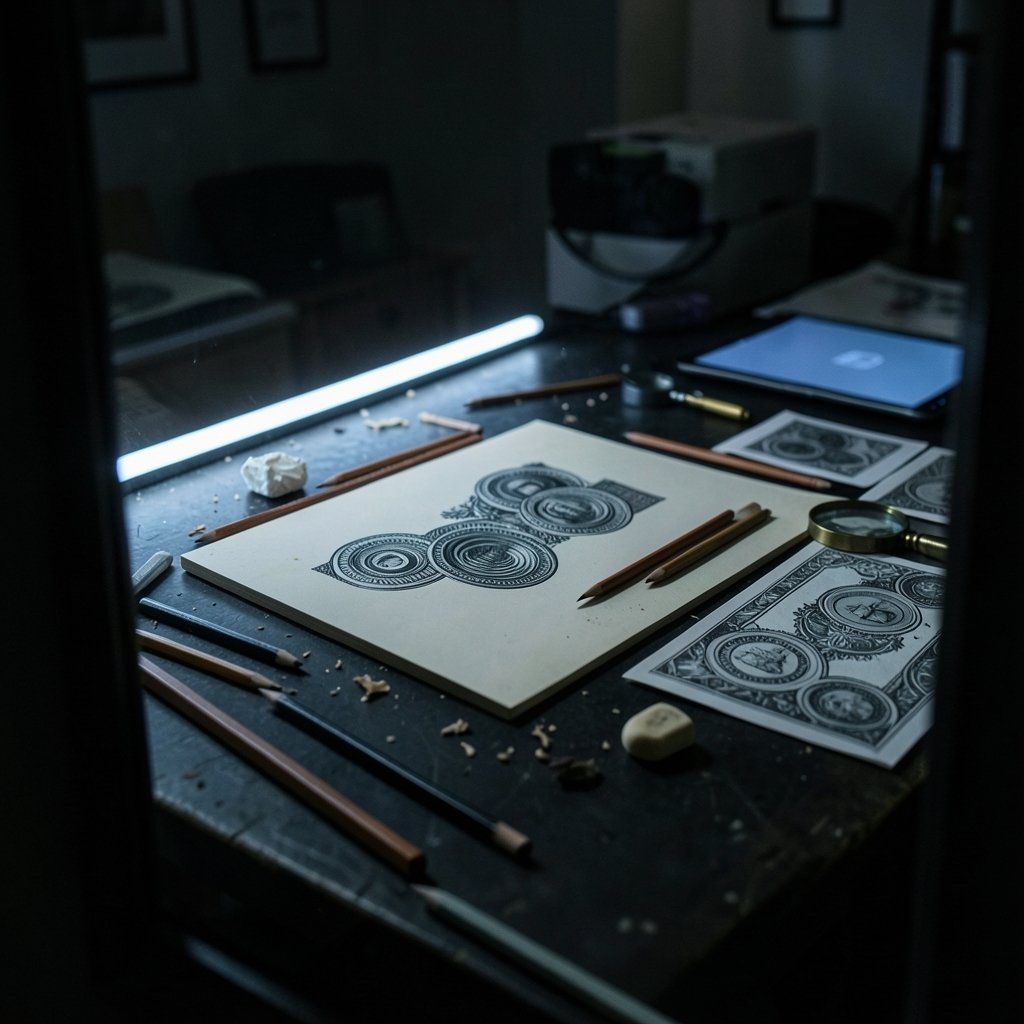
Have you ever looked closely at a dollar bill and wondered how someone actually draws something that detailed? The fine lines, the portrait, the tiny patterns that look like they were printed by a machine — all of it starts with a pencil. Learning how to draw money is a genuinely fun skill, and it teaches you more about art than almost any other subject. It combines portraiture, lettering, pattern work, and careful observation.
This guide covers the practical side: what tools you need, which techniques actually work, the mistakes that trip up beginners, and the legal lines you should not cross. It is written for people who want to sketch currency for art, practice, or fun — not to pass off fake bills.
Why drawing money is harder than it looks
A banknote is one of the most complex designs most people ever encounter. Every square inch is packed with detail: engraved portraits, scrollwork, micro-text, and layered security patterns. That density is exactly why it makes such good practice.
When you draw a coin, you are working with an ellipse, not a circle. Most beginners draw coins face-on and flat, which is why their coin sketches look like stickers. Real coins sit at an angle, catch light on one edge, and cast a shadow underneath. Getting that right teaches you perspective and lighting in one exercise.
Banknotes bring a different set of problems. The portrait needs believable proportions. The lettering needs consistent spacing. The border patterns need rhythm and repetition. Each of those is a separate skill, and drawing money forces you to practice all of them at once.
There is also a practical bonus: money is always available. You do not need to hire a model or buy props. A single coin on a desk gives you hours of study material.
What you actually need to start
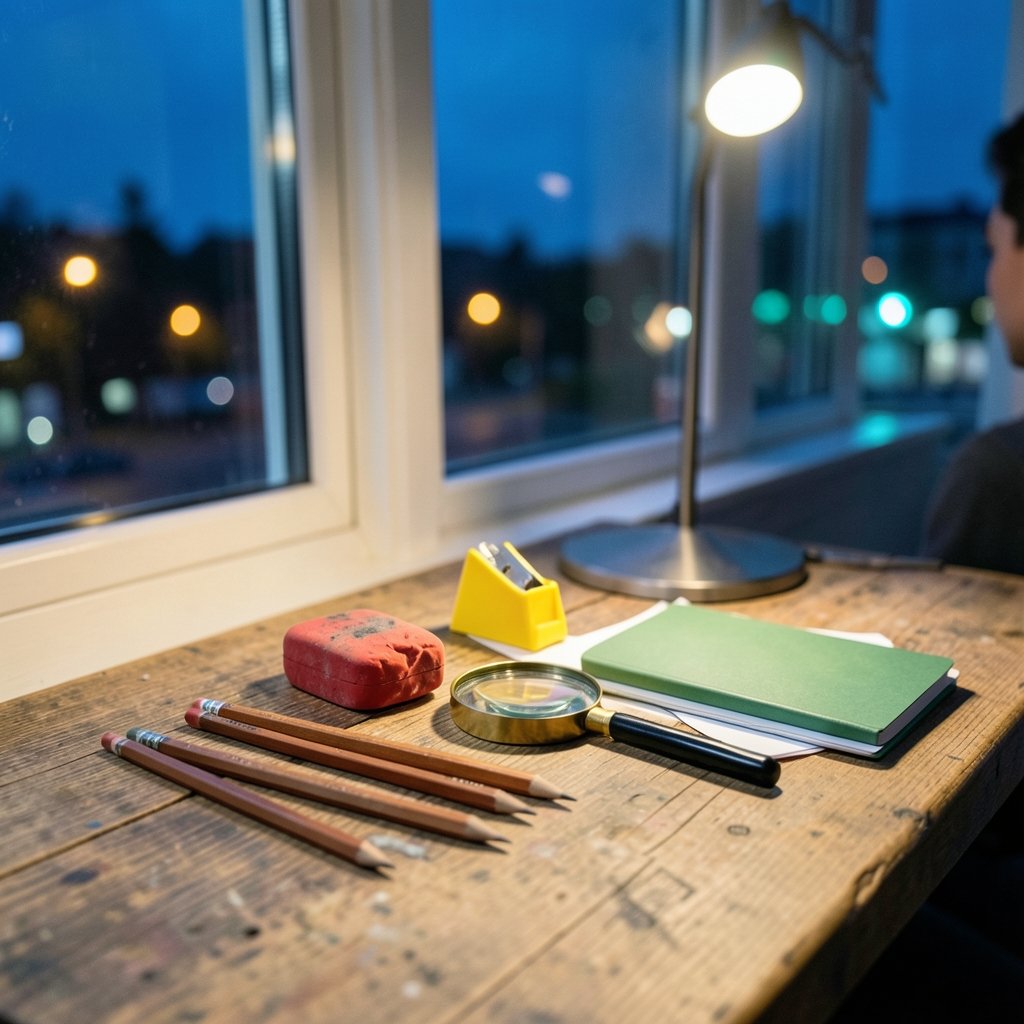
You do not need expensive supplies to draw currency. In practice, a small, focused kit works better than a crowded desk.
| Tool | Why it matters | Beginner-friendly option |
|---|---|---|
| Graphite pencils | Range from light shading to dark detail | 2B and 4B |
| Fine-liner pen | Crisp lettering and micro-detail | 0.3 mm and 0.5 mm |
| Smooth paper | Holds fine lines without bleeding | Bristol board or hot-press watercolor paper |
| Blending stump | Softens graphite for metal and paper texture | Paper tortillon |
| Kneaded eraser | Lifts highlights without smudging | Any soft eraser |
| Magnifier or phone camera | Reveals details too small to see by eye | Phone zoom works fine |
One thing that genuinely helps: a real reference. Take a photo of a coin or note under strong, angled light. Flat lighting hides the detail you are trying to capture. Angled light reveals every ridge and groove.
The core techniques that make currency drawings convincing
Start with the big shapes, not the details
The most common mistake is diving straight into the portrait’s eyes or the serial number. That almost always ends in a distorted drawing. Instead, block in the overall shape first — the rectangle of the note or the ellipse of the coin — then divide it into halves and quarters to place the major elements.
For a portrait, map the head as a simple oval, mark the eye line halfway down, then place the nose and mouth. Only after those landmarks sit correctly should you add features. This is standard practice in portrait drawing, and it matters even more when the face is small.
Learn to see value, not lines
Currency is mostly about value — how light or dark each area is. Engraved portraits look three-dimensional because of thousands of tiny lines packed closer together in shadow and spread apart in light. This technique is called hatching and cross-hatching.
Practice by shading a simple sphere with nothing but parallel lines. Then move to a coin. The metal rim needs a bright highlight, a mid-tone, and a dark edge. Once you can render a coin convincingly, a portrait becomes far less intimidating.
Treat lettering as drawing, not writing
The text on a banknote is drawn, not handwritten. Letters have consistent height, spacing, and stroke weight. Sketch light guide lines first, then build each letter inside them. Draw the vertical strokes before the curves. This single habit fixes most “my note looks wrong” problems.
Build patterns with rhythm
Border patterns and scrollwork look chaotic but are usually repeating units. Find one unit, draw it carefully, then repeat it. Use a light grid or fold your paper to keep spacing even. Repetition is where patience pays off.
Common mistakes beginners make
- Drawing too small. Tiny drawings hide errors but also hide progress. Work at least life-size, or larger.
- Skipping the shadow. A coin with no cast shadow floats. A note with no shading looks like a flat sticker.
- Using a hard pencil for dark areas. A hard pencil (like 2H) scratches the paper and never gets truly dark. Use soft grades for shadow.
- Smudging with the hand. Rest a scrap of paper under your drawing hand. It is a small habit with a big payoff.
- Copying detail before structure. Details on a wrong foundation just make a wrong drawing more detailed.
- Ignoring the paper texture. Rough paper fights fine detail. Smooth paper is your friend here.
The legal line: art versus counterfeiting
This matters, and it is not a small point. Drawing a banknote for practice or as artwork is generally fine in most countries. Reproducing currency in a way that could be mistaken for real money, or using it to deceive, is a serious crime.
Many countries have specific rules about reproductions of banknotes. Some require reproductions to be clearly marked, printed at a different size, or shown at an angle. If you plan to display, sell, or publish currency art, check the rules for your country before you do. The safest habit is simple: make your drawing obviously a drawing. Keep it a different size from the real thing, and never try to make it pass as genuine.
There is a related money-safety angle worth knowing. Just as fake currency harms people, so do other money scams. Understanding how a gift card scam works and why victims rarely get their money back is useful context for anyone interested in how money deception operates in the real world. (Money)
Practice plan that actually builds skill
A structured routine beats random doodling. Here is a four-week plan that works for most beginners.
- Week one: coins only. Draw the same coin five times from different angles. Focus on the ellipse and the cast shadow.
- Week two: single elements. Pick one feature from a note — a number, a seal, a small portrait — and draw it large.
- Week three: full composition. Block in a whole note at life-size. Do not chase detail; get proportions right.
- Week four: detail pass. Return to week three’s drawing and add hatching, lettering, and pattern work.
Twenty focused minutes a day beats a three-hour session once a week. Short, regular practice builds the muscle memory that currency drawing demands.
Where currency art fits into the wider money world
Currency design is a real profession, and it is changing. Central banks are experimenting with digital forms of money, which raises fresh design questions about what “money” even looks like. If that interests you, it is worth reading about how CBDC digital currency is taking central bank money digital — the art may evolve, but the design principles stay. (Currency and Coins Education)
Plenty of artists also turn currency drawing into income through prints, commissions, and illustration work. That path looks a lot like other creative side hustles. Learning how to make money with AI tools is one route some illustrators now explore alongside traditional skills, though hand-drawn currency art retains a craft value that automated tools struggle to match.
If you are drawn to the business side of money more broadly, it helps to understand the economics behind it. Reading about how AI companies make money gives a useful contrast: some businesses run on data and scale, while currency art runs on patience and precision.
Tools and references worth studying
Beyond your own practice, study how real currency is made. Engraving is the traditional method behind most banknote portraits, and it is a line-based technique closely related to pen drawing. Looking at enlarged engravings teaches you how artists build tone from line alone.
Museums and numismatic collections are excellent free references. Many publish high-resolution images of historic coins and notes, and studying old designs shows you how patterns and typography evolved. Old notes are often simpler and easier to copy than modern ones, which makes them great practice material.
One practical tip from working illustrators: keep a sketchbook dedicated only to currency. Over months, it becomes a reference library of patterns, letterforms, and shading studies you can reuse. It also shows your progress, which is motivating when a detailed note feels impossible.
How long does it take to get good?
Realistically, expect a few months of regular practice before your currency drawings look convincing. The first note you draw will probably look rough. The tenth will be noticeably better. The twentieth will surprise you.
The people who improve fastest share one trait: they finish drawings even when they go wrong. Abandoning a drawing halfway teaches you nothing. Pushing through a flawed note teaches you exactly where your proportions drifted and how to fix them next time.
Conclusion
Learning how to draw money is really a crash course in observation. You learn to see value instead of outlines, to build complex images from simple shapes, and to be patient with detail. Start with a single coin, work at a size that lets you see your mistakes, and keep your drawings clearly artistic. The skills transfer to portraits, lettering, and illustration of every kind — and you will never look at a banknote the same way again.
Frequently asked questions
Is it legal to draw money?
In most countries, drawing a banknote for practice or as artwork is legal, but reproducing currency in a way that could be mistaken for real money is not. Many countries require reproductions to be clearly marked or shown at a different size. Check your local rules before displaying or selling currency art.
What is the easiest currency to draw for beginners?
Coins are the easiest starting point. They involve a single ellipse, a rim, and a cast shadow, which teaches perspective and lighting without the complexity of a full portrait. Once coins feel comfortable, move on to simple historic notes.
Do I need special pencils to draw banknotes?
No. A 2B and a 4B graphite pencil plus a fine-liner pen cover almost everything. Smooth paper matters more than expensive pencils, because fine detail needs a surface that will not fight the line.
How do I make my coin drawings look three-dimensional?
Focus on three things: the ellipse (coins are never perfect circles when viewed at an angle), a clear highlight on the metal rim, and a soft cast shadow underneath. Getting those right does more for realism than any amount of fine detail.
Why does my banknote drawing look flat?
Flatness usually comes from skipping value. Engraved currency looks real because of hatching — lines packed tightly in shadow and spread apart in light. Practice shading a sphere with parallel lines, then apply the same technique to your note.
Can I sell my currency drawings?
Many artists sell prints and original currency artwork, but the rules vary by country and by how closely the drawing resembles real money. Keep your work clearly artistic and at a different size from genuine currency, and check local regulations before selling.



