

What if the plant sitting on your desk, quietly trailing over the edge of its pot, could survive nearly anything you throw at it, except too much kindness? That is the strange bargain of the money plant. It shrugs off neglect, low light, and forgotten watering cans, yet it sulks and rots when an overeager owner drowns it in love. Get a few fundamentals right and this vine will reward you for years. (How to find the name of a plant from a picture)
First, a quick clarification, because the name causes real confusion. In most of the United States and the United Kingdom, “money plant” means Epipremnum aureum, also sold as golden pothos, devil’s ivy, or hunter’s robe. It is a climbing evergreen vine in the arum family, native to Mo’orea in French Polynesia and now naturalized across many tropical regions. In some markets, though, “money plant” refers to Pachira aquatica, the braided money tree, which needs brighter light and different watering. This guide focuses on the pothos, the plant most people actually own. (Identity threat detection really costs where money goes)
Why the Money Plant Earns Its Reputation
Few houseplants forgive as much as this one. It tolerates fluorescent office lighting, dry apartment air, and weeks of neglect. It roots from a single stem cutting in a glass of water. It grows in soil or straight in a vase. That resilience is why it shows up in nearly every beginner’s collection and every grocery store floral aisle.
The trade-off is that “tolerates” is not the same as “prefers.” A pothos kept in a dark corner will survive, but its leaves will lose their cream and yellow marbling and stretch into thin, leggy vines reaching for light. Give it reasonable conditions and the same plant becomes full, glossy, and fast-growing. The difference between a sad money plant and a lush one is rarely talent. It is light, water discipline, and drainage. (Gift card scam works victims rarely get their money back)
Light: Bright and Indirect Beats “Low Light”
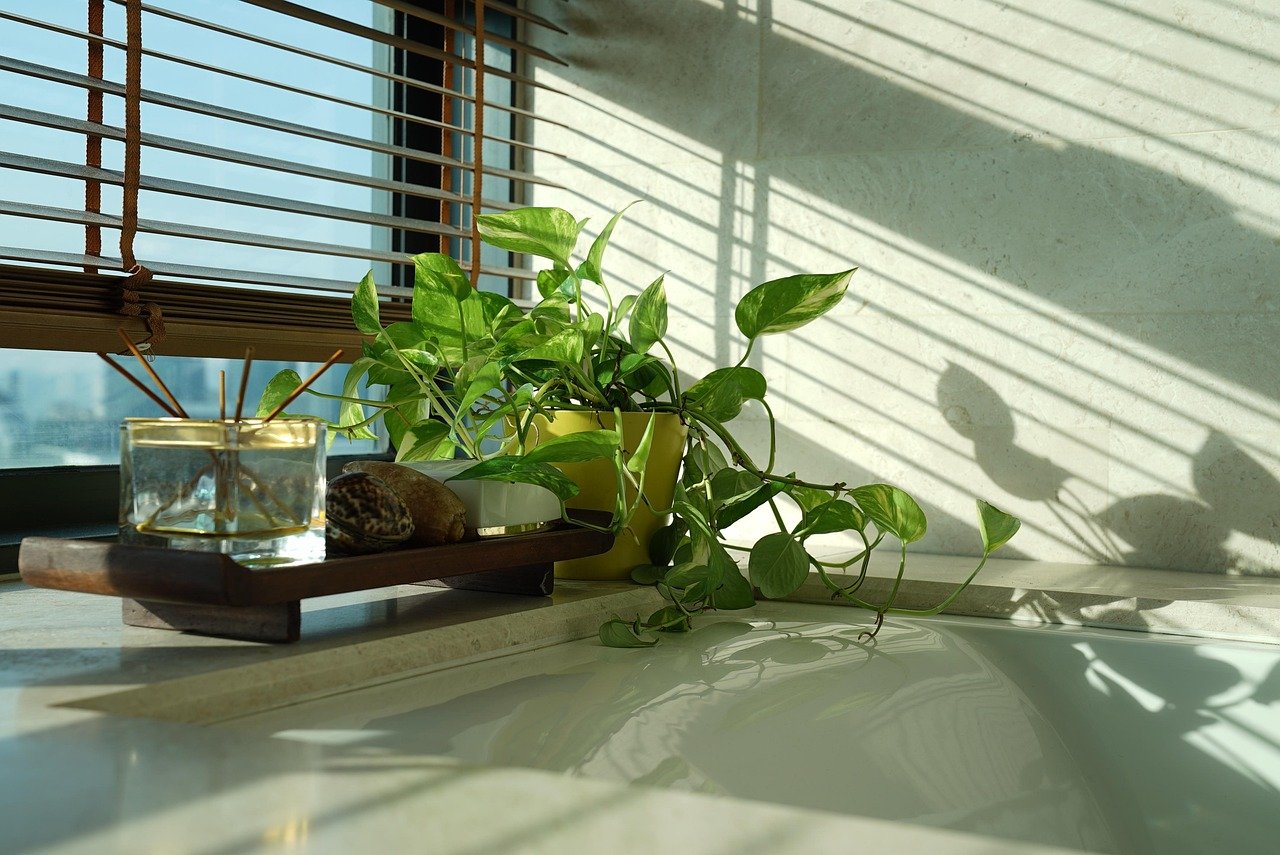
The most common piece of advice about money plants, that they thrive in low light, is technically true and practically misleading. The plant survives low light. It does not thrive there.
The sweet spot is bright, indirect light: a spot a few feet back from a sunny window, or behind a sheer curtain. East-facing windows suit it well. A south or west window works if the pot sits far enough back that direct midday sun never hits the leaves.
Direct sun is the opposite problem. Strong afternoon sun can scorch leaves, leaving pale, bleached patches with crispy edges. If you move a plant outdoors for summer, acclimate it gradually over a week or two rather than dropping it into full sun.
Watch the leaves for feedback. Variegation fading to solid green usually means too little light. Bleached or burned patches mean too much. Stems with wide gaps between leaves are stretching toward whatever light they can find.
Watering: The Skill That Decides Everything
If money plants die, overwatering is almost always the reason. The vine is far more tolerant of drought than of soggy soil.
The reliable rule: let the top two to three centimeters, roughly an inch, of potting mix dry before watering again. Push a finger in to check, or lift the pot to judge its weight. A light pot needs water; a heavy one does not.
There is no universal schedule. A plant in bright light in summer may need water weekly. The same plant in a dim corner in January might go three weeks. Pot size matters too, since a large volume of soil holds moisture far longer than a small one. Anyone who waters “every Sunday” regardless of season is guessing.
Signs of trouble are fairly clear once you know them. Yellowing lower leaves, especially soft or mushy ones, point to too much water. Wilting with dry soil points to too little. Brown, crispy tips often mean inconsistent watering or very dry air.
Drainage is non-negotiable. Use a pot with holes and empty the saucer after watering. A decorative cachepot with no drainage is a slow death sentence, because water pools at the bottom and the roots sit in it.
Soil, Pots, and Repotting
A well-draining potting mix is the goal. Standard houseplant compost works. Adding perlite or orchid bark lightens it further and helps air reach the roots. Heavy garden soil compacts in containers and holds water too long.
Repot when roots circle the inside of the pot or push up through the drainage holes, usually every one to two years. Move up one pot size at a time, not several. An oversized pot leaves excess wet soil around the roots, which invites rot.
Feeding Without Overdoing It
Money plants are not heavy feeders. A diluted, balanced houseplant fertilizer roughly once a month during active growth, from spring through summer, is plenty. Cut back or stop in winter when growth slows. More fertilizer is not better; excess salts build up in the soil and can burn roots and leaf edges.
Humidity and Temperature
Native to the tropics, the pothos likes warmth and moderate humidity. Normal room temperatures suit it. Keep it away from cold drafts and from radiators or heating vents that blast dry air.
Brown tips in winter are usually a humidity issue rather than a watering one. Grouping plants together, using a pebble tray, or running a humidifier helps. Misting is largely cosmetic and does not raise humidity for long.
Pruning and Propagation: Free Plants Forever
Pruning keeps a money plant full rather than straggly. Cut a leggy vine back just above a leaf node and the plant will branch from that point. Do not fear the scissors; a hard prune in spring often produces the bushiest growth of the year.
Those cuttings are also free new plants. Each piece needs at least one node, the small bump on the stem where leaves and aerial roots emerge. A cutting with no node will not root, which is the single most common propagation mistake.
- Cut a stem section with two or three leaves and at least one node.
- Remove the lowest leaf so the node is exposed.
- Place the cutting in water, changing it weekly, or push the node into moist potting mix.
- Keep it in bright, indirect light.
- Pot it up once roots reach a few centimeters, or keep it growing in water indefinitely with occasional dilute feeding.
Water rooting is the easiest method for beginners because you can watch the roots appear. Soil rooting produces sturdier plants faster, but it is less forgiving if the mix stays wet.
Common Problems and What They Actually Mean
| Symptom | Likely cause | What to do |
|---|---|---|
| Yellow, soft lower leaves | Overwatering or poor drainage | Let soil dry, check drainage holes |
| Brown, crispy leaf tips | Dry air or inconsistent watering | Raise humidity, water more evenly |
| Pale or faded variegation | Too little light | Move closer to a bright window |
| Long stems, few leaves | Stretching toward light | Prune back, improve light |
| Wilting despite wet soil | Root rot setting in | Repot, trim mushy roots, use fresh mix |
Root rot deserves special mention. It starts underground, so by the time leaves yellow, the damage is advanced. If the base of the stem feels soft or the soil smells sour, unpot the plant, rinse the roots, cut away anything brown and mushy, and repot in fresh, well-draining mix in a clean pot. Healthy roots are firm and pale.
Pests are less common than with some houseplants, but mealybugs, spider mites, and scale do appear. Wipe them off with a damp cloth or treat with insecticide soap, and isolate the plant until it is clean.
The Air-Purifying Claim, Honestly Assessed
Money plants are often marketed as air purifiers, a claim that traces back to a 1989 NASA study on potted plants in sealed chambers. That research did report removal of some volatile organic compounds. The problem is scale. Later analysis found that in a real room with normal ventilation, the effect of a few houseplants is tiny compared with simply opening a window. Enjoy the plant for its looks and its forgiving nature, not as a filtration system.
Safety: Keep It Away From Pets and Small Children
Every part of the money plant contains calcium oxalate crystals, which cause intense oral irritation if chewed. In cats and dogs this shows up as drooling, pawing at the mouth, vomiting, and swelling. The plant is listed as toxic to pets, and the same irritation applies to curious toddlers. Keep it on a shelf or hanging basket out of reach, and call a vet or poison control if a pet takes a bite.
Money Plant Care in Water Alone
Growing a pothos in a vase of water is genuinely viable, and many people prefer it for desks and bathrooms. Change the water every week or two, keep the roots submerged but the leaves above the waterline, and add a very diluted liquid fertilizer occasionally, since water supplies no nutrients. Plants in water grow more slowly and eventually benefit from being potted in soil, but they can live this way for a long time.
Troubleshooting: The Mistakes Beginners Make Most
A few patterns come up again and again. Watering on a fixed schedule instead of checking the soil is the big one. Next is using a pot with no drainage holes, often a decorative container chosen for looks. Third is placing the plant in a windowless bathroom and expecting lush growth; it will survive, but it will not fill out. Fourth is repotting into a much larger container “to give it room,” which usually causes soggy soil and rot. Fifth is over-fertilizing in a well-meaning attempt to speed growth.
The practical fix for most of these is simple: check the soil before watering, use a pot with holes, and give the plant decent light. That is most of money plant care in three sentences.
Conclusion
The money plant is one of the most forgiving houseplants available, which makes it both a wonderful starter plant and a slightly misunderstood one. It does not need much: bright indirect light, soil that dries slightly between waterings, a pot that drains, and an occasional trim. What it cannot handle is constant moisture and deep shade. Read the leaves, trust the finger test over any rigid schedule, and this vine will keep trailing across your shelves for years, with cuttings to spare for friends.
Frequently Asked Questions
How often should I water a money plant?
Water when the top inch of soil feels dry, not on a fixed calendar. That might mean weekly in summer and every two to three weeks in winter. Always check the soil first, since overwatering is the most common way these plants die.
Why are my money plant’s leaves turning yellow?
Yellow lower leaves that feel soft usually mean too much water or poor drainage. Let the soil dry out and confirm the pot has drainage holes. If several leaves yellow at once and the soil stays wet, check the roots for rot.
Is a money plant safe for cats and dogs?
No. It contains calcium oxalate crystals that irritate the mouth and digestive tract, causing drooling, vomiting, and swelling if chewed. Keep it out of reach of pets and small children, and contact a vet if a pet eats any part of it.
Can a money plant grow in water only?
Yes. A cutting with a node will root in a glass of water and can stay there long term if you change the water weekly and add dilute fertilizer now and then. Growth is slower than in soil, and potting up eventually gives stronger results.
Does a money plant really purify the air?
The effect is real in sealed laboratory chambers but tiny in a normal room. Ventilation matters far more than a few houseplants. Grow it for its looks and easy care rather than for air quality.
Why is my money plant leggy with long gaps between leaves?
It is stretching toward light. Move it closer to a bright window and prune the long vines back just above a leaf node. New growth will come in fuller and the plant will branch instead of trailing thin.



