
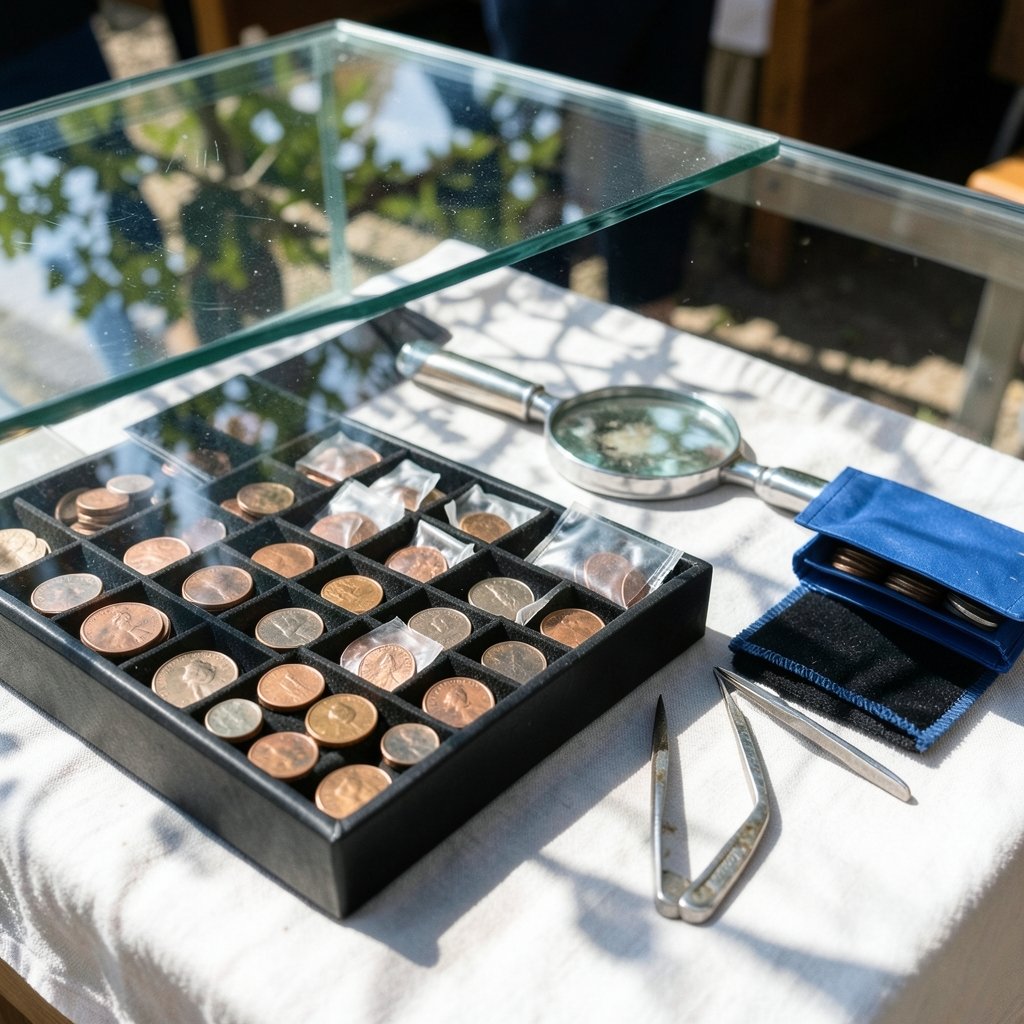
Can a single penny really be worth more than a used car? Yes, but almost never the one sitting in your kitchen jar. The coins that sell for thousands of dollars are a tiny, specific group: low-mintage key dates, famous mint errors, and high-grade survivors. Everything else is worth one cent, or close to it. (Penny)
This guide walks through the pennies that genuinely carry value, explains why they do, and shows how to tell the difference between a real find and internet hype. It also covers the mistakes that cost people money, from cleaning coins to trusting inflated listings.
What Actually Makes a Penny Valuable
Three things drive penny prices, and they rarely overlap.
Rarity comes first. A coin with a low mintage, meaning few were struck at a particular mint in a particular year, is scarce by definition. The classic example is the 1909-S VDB Lincoln cent, produced in San Francisco with designer Victor David Brenner’s initials on the reverse. The initials were removed partway through the year after public complaints, so the surviving mintage stayed small.
Condition comes second, and it matters more than most beginners expect. The same coin can be worth face value in worn condition and hundreds of dollars in uncirculated condition. Collectors grade coins on a scale from About Good to Mint State 70, and each step up can multiply the price. Professional grading services like PCGS and NGC exist because that distinction is hard to judge without training.
Errors come third. A mint error is a manufacturing mistake, such as a doubled die, an off-center strike, or the wrong metal being used. Errors are valuable because they are accidental and often extremely limited in number.
A fourth factor, demand, quietly shapes everything. Some scarce coins are worth less than expected because few collectors want them. Others are common but popular, which pushes prices up. Value is always rarity times condition times demand, never rarity alone.
The Key Dates: Pennies With Genuine Premiums
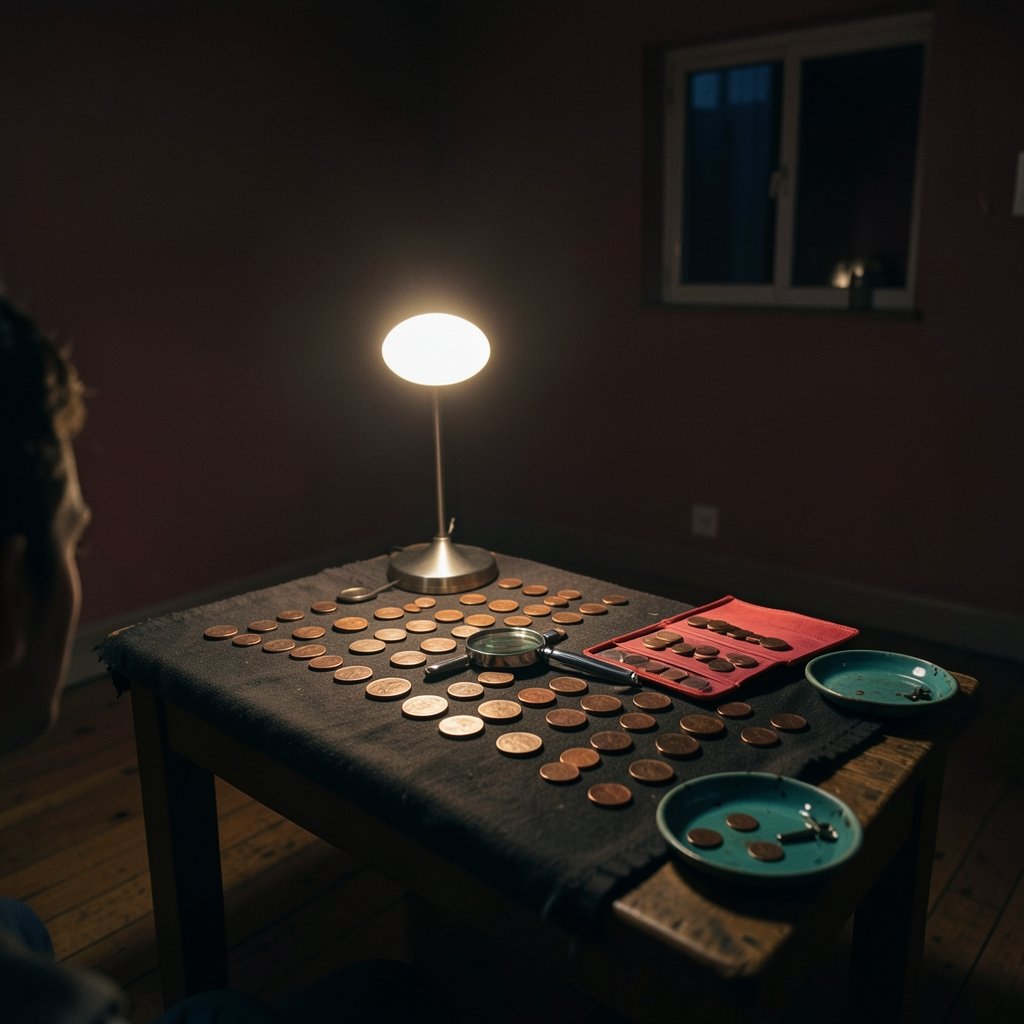
Key dates are the backbone of any serious penny list. These are the specific year-and-mint combinations that collectors need to complete a set, which keeps demand steady.
| Coin | Why It Matters | Typical Value Range |
|---|---|---|
| 1909-S VDB | Low mintage, initials removed mid-year | Several hundred to several thousand dollars depending on grade |
| 1909-S | First San Francisco Lincoln cent, low mintage | Roughly $50 to several hundred dollars |
| 1914-D | Low mintage Denver issue | Several hundred dollars and up in higher grades |
| 1922 Plain (no D) | Denver mintmark worn off the die | Varies widely; many are simply worn 1922-D cents |
| 1931-S | Struck during the Depression, low mintage | Tens to low hundreds of dollars |
The pattern here is consistent. Key dates are almost always low-mintage coins from the early years of the Lincoln series, which began in 1909. A worn 1909-S might sell for $50. The same coin in Mint State could bring thousands. That gap is why grading matters so much. (Coin Grading Scale)
One warning about the 1922 Plain cent: it is one of the most misidentified coins in the hobby. The Denver mintmark on a 1922-D cent can wear away completely, leaving what looks like a plain cent. Genuine 1922 Plain cents came from a die that never had a mintmark, and telling the difference requires close inspection under magnification.
The Famous Errors: 1955 Doubled Die and the Steel Cents
Error coins are where penny hunting gets exciting, and also where misinformation runs wildest.
The 1955 doubled die obverse is the best-known error in the Lincoln series. The date and the lettering “LIBERTY” appear strongly doubled because the die was hubbed twice with a slight misalignment. Genuine examples trade for roughly $1,000 and up in circulated condition, with uncirculated pieces going much higher. Counterfeits and altered coins are common; authentication matters.
The 1943 steel cent is the other famous one. Copper was rationed during World War II, so the Mint struck cents in zinc-coated steel for that single year. These steel cents are common and worth little in circulated condition. The real prize is a genuine 1943 copper cent, struck by mistake on a leftover copper planchet. Only a handful are known, and they sell for six figures. Because the value is so high, fakes are everywhere, usually steel cents plated with copper.
The reverse error, a 1944 steel cent, is also rare and valuable. The Mint switched back to copper in 1944, but a small number were struck on steel planchets left over from the previous year.
How to Check a Penny Without Wasting Money
Before assuming a coin is valuable, work through a simple process.
- Read the date and mintmark. The mintmark sits below the date on older cents. An S means San Francisco, a D means Denver, and no mark means Philadelphia.
- Check the reverse for the VDB initials. On 1909 cents, the initials appear at the bottom of the reverse. If they are missing, it is not a 1909 VDB.
- Look at the condition honestly. Wear on the cheek, the wheat stalks, and the lettering tells you how circulated a coin is.
- Compare against a reference price guide. Values shift with the market, so use current guides rather than old forum posts.
- Get a second opinion before selling. A local coin dealer or a collector club can confirm whether a coin is worth grading.
The most common mistake is cleaning a coin. A shiny, scrubbed penny looks better to a beginner and is worth dramatically less to a collector, because cleaning leaves tiny scratches and strips the original surface. Never clean a coin you suspect might be valuable. Store it in a holder and leave it alone.
The second common mistake is trusting online listings. A seller asking $5,000 for a penny does not mean anyone paid that. Real prices come from completed auction records and dealer sales, not asking prices.
Wheat Pennies, Memorial Cents, and the Hype Problem
Search for “pennies worth money” and you will find videos claiming that ordinary wheat cents are worth a fortune. Most are not.
Wheat pennies, struck from 1909 to 1958, are common in bulk. A random circulated wheat cent is usually worth a few cents, not dollars. Dealers buy them by the pound. The exceptions are the key dates listed earlier and coins in exceptional condition.
Memorial cents, struck from 1959 to 2008, are worth face value in almost every case. A few error varieties carry small premiums, but the odds of finding one in pocket change are tiny.
The hype problem has a simple root: content about a “penny worth $100,000” gets clicks, so creators stretch the truth. They show a rare error variety and imply that ordinary coins of the same year are valuable. They rarely mention that the coin pictured is one of a handful known to exist.
A useful rule of thumb: if a claim sounds too good to be true, check whether the coin is an error variety or a high-grade specimen. If it is either, the odds of finding one in circulation are close to zero. The same skepticism applies to other money topics, whether you are weighing a subscription like ChatGPT Plus and whether it is worth the cost or deciding how to budget for a hobby. Hype sells, but it rarely pays.
What Pennies Are Actually Worth in the Collector Market
Realistic expectations help more than any list. Here is how the market generally breaks down.
| Category | Realistic Value |
|---|---|
| Common circulated wheat cents | A few cents each, sold in bulk |
| Common Memorial cents | Face value |
| Mid-grade semi-key dates | $5 to $50 |
| Key dates in circulated condition | $50 to several hundred |
| Key dates in uncirculated condition | Hundreds to thousands |
| Famous errors (1955 doubled die) | Around $1,000 and up |
| Legendary rarities (1943 copper) | Six figures |
The lesson is that pennies are a hobby first and an investment second. Serious collectors build sets over years and buy graded coins from reputable dealers. They do not expect to get rich from pocket change. If you are thinking about money decisions more broadly, comparing tools like YNAB versus Monarch Money for zero-based budgeting shows how the same logic applies: the numbers matter more than the marketing. (Best games nintendo switch 2 whats worth your time money)
How to Start a Penny Collection Without Overspending
Beginners often overspend because they buy whatever looks old. A better approach is to pick a clear goal.
Start with a date and mintmark set of Lincoln cents. Buy a folder with labeled slots and fill it from pocket change and inexpensive dealer lots. This teaches you dates, mintmarks, and condition without risking much money.
Then learn to grade. Compare your coins against reference photos and be honest about wear. Many collectors overgrade their own coins by two or three points, which turns a $20 coin into an imagined $200 one.
Finally, buy the reference book before the coin. A standard price guide costs less than a single mistake and gives you a baseline for every purchase. Collector clubs and local coin shows are also good places to see real coins in hand, which is far more instructive than photos.
Why Some Pennies Stay Cheap Forever
It helps to understand why most pennies will never be valuable. The Mint produced billions of them, and survival rates are high because people hoarded them. Supply is enormous, so demand would have to be enormous too for prices to rise.
Copper content adds a small floor. Pre-1982 cents are about 95 percent copper, and their metal value has at times exceeded one cent, which is why melting them is illegal in the United States. That law protects the coin supply but does not make ordinary cents collectible.
The coins that beat this logic are the ones with genuinely limited supply: key dates, famous errors, and top-grade survivors. Everything else follows the rule that abundance kills value. That is why a jar of 500 wheat cents might sell for $10 while a single 1909-S VDB in fine condition sells for hundreds.
Conclusion
The pennies worth money form a short, specific list: the 1909-S VDB, the 1909-S, the 1914-D, the 1931-S, the 1955 doubled die, and the legendary 1943 and 1944 steel errors. Everything else is either face value or a few cents in bulk.
The practical path is straightforward. Learn the key dates, check dates and mintmarks carefully, never clean a coin, and verify values against current references rather than flashy videos. Treat the hobby as fun first and profit second, and you will avoid the two traps that catch most beginners: overpaying for common coins and imagining value that is not there. If you find a wheat cent in your change, enjoy it. Just do not quit your job over it.
FAQ
Are all wheat pennies worth money?
No. Most circulated wheat pennies are worth a few cents each and are sold in bulk. Only specific key dates, famous errors, and high-grade examples carry meaningful premiums.
What is the most valuable penny ever?
The 1943 copper cent is among the most valuable; genuine examples sell for six figures. Only a handful are known, and counterfeits are extremely common, so authentication matters.
How can I tell if a penny is a 1955 doubled die?
The date and the word LIBERTY appear strongly doubled and clearly separated. Because fakes exist, have any suspected example authenticated before selling.
Does cleaning a penny increase its value?
No. Cleaning removes the original surface and leaves scratches that collectors penalize heavily. An uncleaned coin in original condition is always worth more than a cleaned one.
Are 1943 steel pennies rare?
The steel cents themselves are common and worth little in circulated condition. The rare coin is a genuine 1943 copper cent, struck by mistake on a copper planchet.
Should I get my pennies professionally graded?
Only if the coin is a suspected key date, error, or high-grade example. Grading costs money, so it rarely makes sense for common coins worth face value.



