
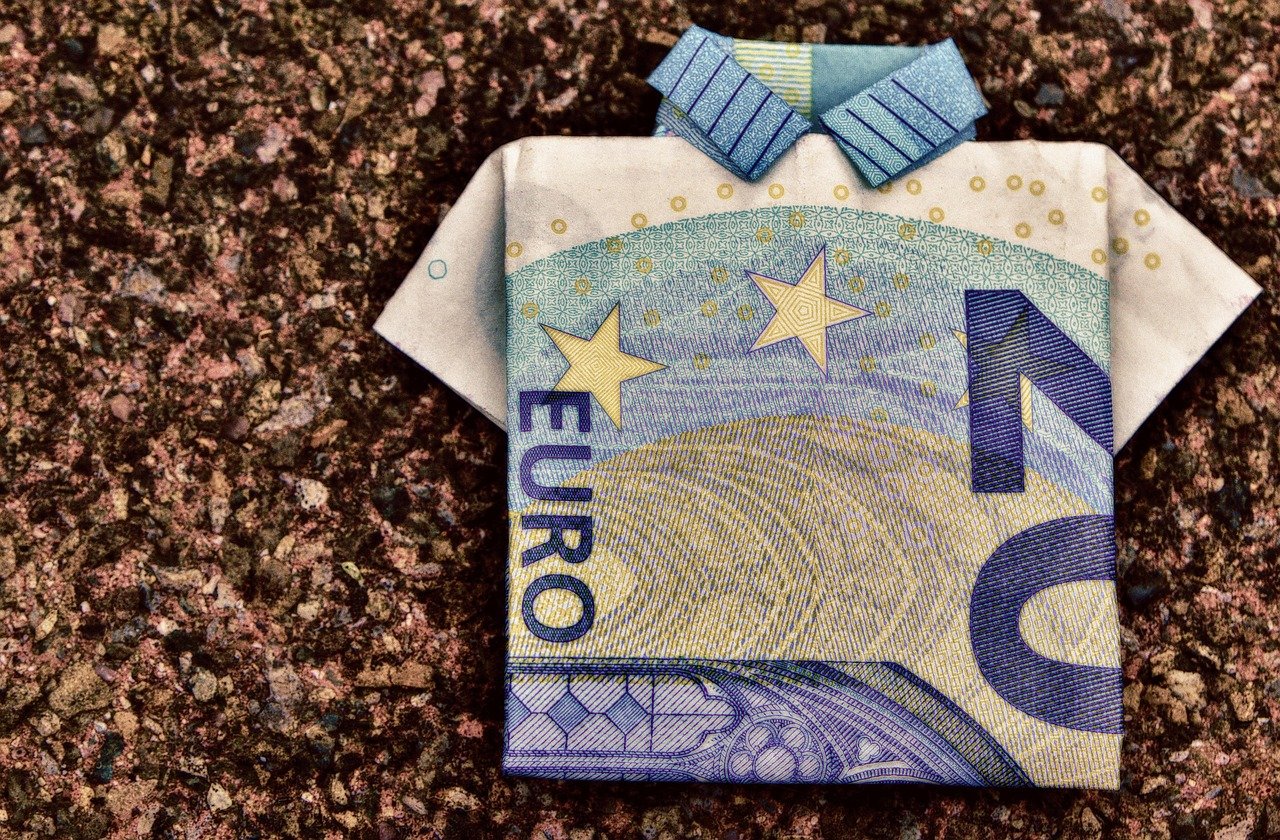
What do you get for the person who says they want nothing, has everything, and will quietly return anything with a bow on it? Money. The trick is giving it in a way that doesn’t feel like you gave up on the way to the card aisle. Cash and gift cards sit near the top of most gift lists year after year, yet handing over a plain envelope still feels a little flat. The good news: a money gift can be genuinely warm, funny, or useful with a small amount of planning, and the practical side matters more than most people expect. (Gift economy)
Why money gifts keep winning
People want money gifts because they work. No wrong size, no duplicate gadget, no guessing whether someone already owns a blender. A cash gift lets the receiver buy what they actually need, which is often something a giver would never think of: a new tire, a dental bill, a textbook, or a plane ticket home.
That practicality is also why money gifts carry a small social stigma. Giving cash can feel impersonal, and receiving it can feel awkward if the amount is large or the relationship is formal. Most of that awkwardness disappears with presentation. A plain envelope says “I didn’t know what to get.” A small plan behind the money says “I thought about you.” The difference costs very little. (Identity threat detection really costs where money goes)
Cash in a creative wrapper
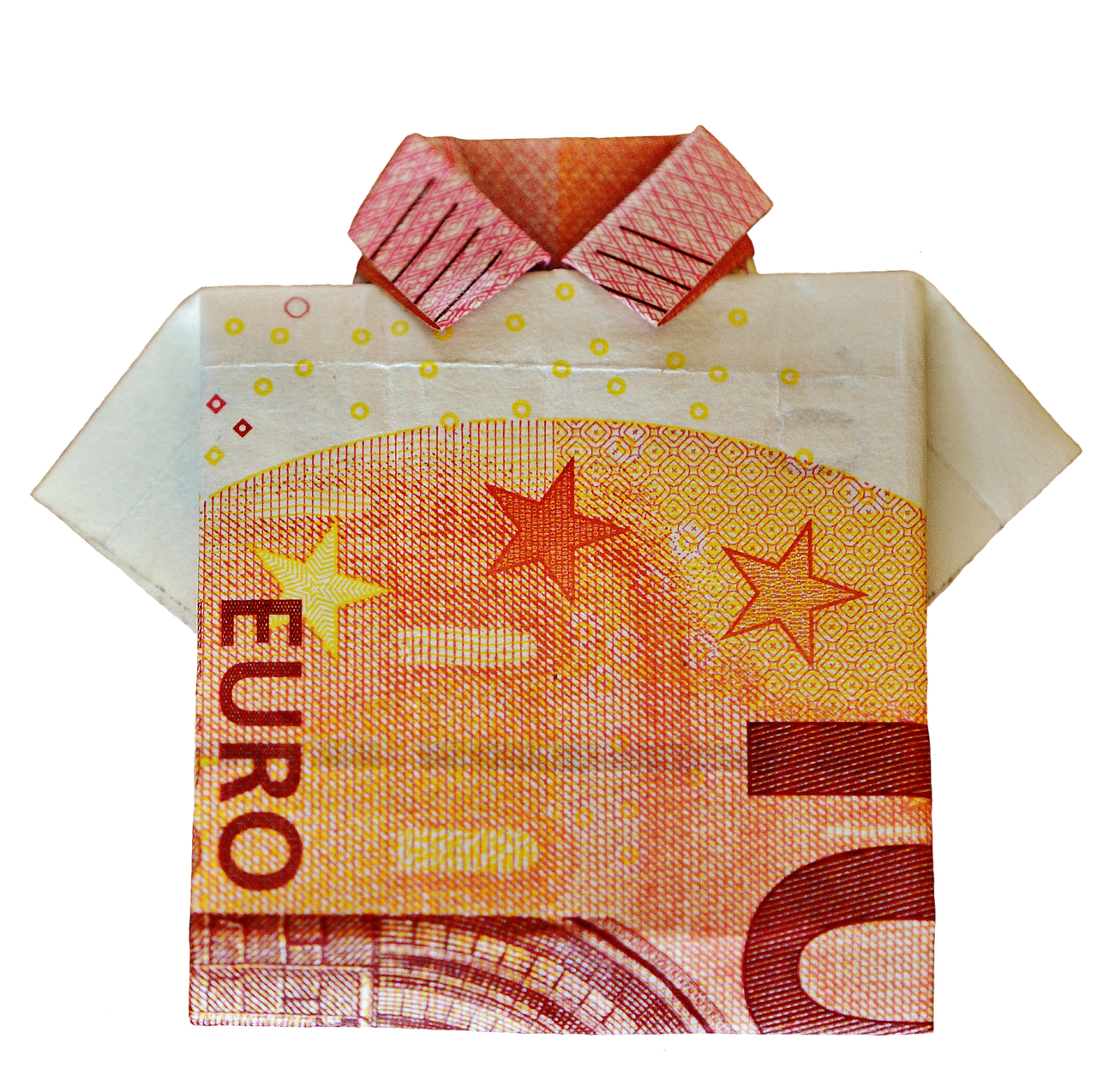
The most reliable upgrade to a cash gift is a container with a story. The money stays the same, but the delivery gives it a reason to exist.
Practical presentation ideas that work
- The future-fund jar. Put cash in a labeled jar or box: “New couch fund,” “Trip to Lisbon,” “Emergency cookie money.” The label shows you listened to something the person mentioned months ago.
- The origami envelope. Fold bills into a simple shape, such as a heart or a bow, and tuck them into a card with a handwritten note. It takes ten minutes and reads as effort, not showmanship.
- The nested box. Small box inside a bigger box inside a bigger box, with the cash in the smallest one. Cheap, silly, memorable, and a hit with kids and teenagers.
- The book with a hollow. A secondhand hardcover with the cash tucked inside a page. Choose a title that fits the person’s interests rather than any old novel.
- The photo frame. Frame a photo of the two of you together and slip the money behind the backing, with a note that says “for the thing you keep talking about.”
A common mistake is overcomplicating the wrapper until it costs more than the gift. A five-dollar box and a good note beat an elaborate craft project that looks like homework.
Cash gifts with a small physical anchor
Pairing cash with one inexpensive object makes it feel like a gift rather than a transaction. A few pairings that consistently land well:
| Cash amount | Small anchor object | What it signals |
|---|---|---|
| Small | A nice pen or notebook | “Start the thing you keep postponing” |
| Small | A bag of good coffee | “For the mornings you’re up early” |
| Medium | A cookbook or kitchen tool | “For the dinners you keep hosting” |
| Medium | A travel pouch or luggage tag | “For the trip you’re saving for” |
| Larger | A framed photo or handwritten letter | “This is personal, not transactional” |
The anchor does not need to be expensive. It needs to be specific. Generic add-ons, like a random keychain or a scented candle, undo the effect.
Gift cards done right
Gift cards are the most common money gift after cash, and they are also the most commonly botched. Two problems dominate: cards that go unused, and cards that get lost or drained by fraud before the recipient ever spends them.
Federal rules help. Under the Credit CARD Act of 2009, gift certificates and store gift cards generally cannot expire within five years of purchase, and dormancy fees are tightly restricted. The FTC’s consumer guidance on gift cards explains which cards the rules cover and where the exceptions sit, which is worth reading before buying a card from a mall kiosk.
How to make a gift card feel personal
- Choose a specific store, not a generic prepaid card. A card for a bookstore, a hardware store, or a local restaurant shows you know how the person spends a happy afternoon.
- Pair it with a plan. “This is for the two of us to get lunch in March” turns a card into an invitation.
- Buy from the source. Cards bought directly from the retailer or a bank are safer than cards pulled off a rack, where tampering happens.
- Keep the receipt and the card number. If the balance vanishes, that paperwork is the only path to a refund.
Gift card fraud is a real and underreported problem. Scammers scratch off the card number, replace the sticker, and drain the balance before the recipient gets home. Once the money is gone, recovery is rare, and the gift card scam reality that victims rarely get their money back is worth understanding before you buy a card from an unfamiliar display.
Digital money gifts for people far away
Bank-to-bank transfer apps have made sending money across distances simple, and they suit people who would rather not carry cash. The trade-off is that consumer protections differ from gift cards. A transfer is generally final, and a mistyped phone number can send money to a stranger with no easy way to reverse it.
A few habits keep digital gifts clean:
- Confirm the recipient’s handle or phone number out loud before sending.
- Add a note in the transfer description so the money doesn’t look like a mistake.
- Send a separate message with the reason, since transfer notes get truncated.
- For larger amounts, check whether the app charges fees or has sending limits.
Digital gifts also work well as a group effort. Collecting money from several people for one big gift is far easier through a transfer app than through a stack of envelopes.
Savings bonds, premium bonds, and other “grown-up” money gifts
For births, graduations, and weddings, some givers want the money to grow. That instinct is good, but the mechanics have changed.
In the United States, paper savings bonds are no longer sold over the counter. The Treasury stopped selling paper Series EE and I bonds at banks on January 1, 2012, and they are now purchased electronically through TreasuryDirect. That means a “savings bond for the baby” gift now requires the giver to open an account, or to give cash with a note explaining the intent. The TreasuryDirect savings bonds overview explains the current process and the limits on electronic purchases.
In the United Kingdom, Premium Bonds work differently: they are a state-backed savings product where prizes replace interest, and they are a familiar framing for a money gift to a child. The official Premium Bonds product page covers eligibility, purchase limits, and how the prize draws work.
A practical warning for both: these products require an account in the recipient’s name, and a child’s account usually needs an adult to manage it. Givers who want a simple, no-paperwork option should stick with cash and a clear note about what it’s for.
Watch the tax rules before giving large amounts
Small cash gifts are almost never a tax issue. Large ones can be. In the United States, the IRS annual gift tax exclusion was $19,000 per recipient for 2025, up from $18,000 in 2024. Amounts above that threshold generally require a form and count against a lifetime limit. The IRS gift tax FAQ lays out the exclusion, the reporting rules, and the exceptions for tuition and medical payments. Most people giving a few hundred dollars never touch this, but anyone writing a five-figure check should read it first.
Cultural context matters more than you think
Money gifts carry different meanings in different places, and getting the form right matters as much as the amount.
In Chinese culture, cash is traditionally given in red envelopes, called hongbao, at Lunar New Year and at weddings. The color and the crisp new bills are part of the gesture, and the amount often follows lucky-number conventions. Similar traditions exist across East and Southeast Asia, with envelopes in red or other auspicious colors. Handing over a loose bill instead of an envelope can read as careless in these settings.
In parts of Europe and Latin America, giving cash at a wedding is normal and often expected, but the presentation varies. Some guests tuck it into a card, others use a designated box, and some families prefer a registry contribution. When in doubt, ask someone close to the family rather than guessing.
The safest rule: match the form the culture expects, and let the amount stay private. Announcing a sum out loud is awkward almost everywhere.
Common mistakes that turn a money gift sour
Even generous gifts can land badly. These are the errors that show up most often.
- Giving cash to someone who finds it embarrassing. Some people, especially older relatives or in-laws, read cash as a comment on their finances. A gift card or a specific object avoids the issue.
- Giving money with strings. “This is for a new laptop, not for shoes” turns a gift into an assignment. If you want control over how it’s spent, buy the object instead.
- Giving an amount that creates pressure. A very large cash gift can make the recipient feel they owe you something. Match the amount to the relationship.
- Forgetting the card. Cash with no note feels like a transaction. Two sentences in your own handwriting fix it.
- Falling for “cash gifting” schemes. Groups that ask members to “gift” money to each other and recruit new members are pyramid schemes, and they are illegal in the United States. The FTC’s explanation of pyramid schemes describes how these clubs work and why participants lose money.
Matching the money gift to the person
The best money gift depends less on the amount than on the relationship. A few pairings that tend to work:
- For a teenager: cash in a funny container, or a gift card to a store they actually shop at. Teenagers rarely want a lecture attached.
- For a new parent: cash with a note that says “for takeout, not savings.” New parents get plenty of advice and very little dinner.
- For a graduate: cash plus a small practical object, like a luggage tag or a good notebook, signals the next chapter without being preachy.
- For a wedding: cash in a card with a handwritten message, given through whatever channel the couple has set up.
- For a coworker: a modest gift card beats cash, which can feel oddly intimate in a workplace.
- For a grandparent: a gift card to a restaurant or a bookstore often lands better than cash, which they may try to give back.
If you’re building a gift budget across several people, it helps to think about total spend rather than per-gift spend. The same logic that makes budget-smart upgrades pay off in a small kitchen remodeling project applies here: a small, well-targeted amount beats a large, unfocused one.
Making the note do the work
If there is one habit that separates a good money gift from a forgettable one, it’s the note. A few lines that name something specific are worth more than the wrapper.
What works in a money-gift note:
- Name the thing. “For the trip,” “for the new apartment,” “for whatever you want.”
- Say why. “You’ve been talking about this for a year.”
- Drop the pressure. “No need to tell me what you spend it on.”
- Keep it short. Three sentences is plenty.
What doesn’t work: an apology (“Sorry it’s just cash”), a lecture about saving, or a joke that undercuts the amount.
Conclusion
Money gifts get a bad reputation because most of them are handed over with no thought beyond the amount. That’s a presentation problem, not a cash problem. A labeled jar, a specific gift card, a note that names the thing the person has been wanting for months, or a small object paired with the cash all turn the same bills into something that feels chosen. The practical rules matter too: buy gift cards from the source, keep the receipt, check the tax threshold before giving large sums, and match the form to the culture. Do those things and the envelope stops looking lazy. It starts looking like you paid attention.
Frequently Asked Questions
Is cash a rude gift?
Not usually. Cash is one of the most common gifts in many countries, and it is often the most useful. It reads as rude only when it arrives with no note, no container, and no sign that the giver thought about the person. A short handwritten message fixes most of that.
Are gift cards safer than cash?
They are not safer, but they are more restricted. Federal rules limit expiration and dormancy fees on store gift cards, while cash has no such protections because it needs none. Gift cards carry a fraud risk that cash does not, especially when bought from a rack rather than directly from the retailer.
How much money is appropriate as a gift?
There is no universal number. Match the amount to the relationship and the occasion: modest for coworkers and acquaintances, more for close family and weddings. Giving far more than the social norm can create pressure on the recipient, so it is worth asking someone close to the situation.
Do I have to pay tax on a cash gift?
In the United States, most cash gifts are not taxable to the receiver, and the giver only files a form when the amount exceeds the annual exclusion, which was $19,000 per recipient for 2025. Rules differ by country, so large gifts are worth checking against local guidance.
What is the best money gift for a child?
Cash with a purpose works well: a labeled jar for a specific goal, a small savings bond framed as a long-term gift, or a gift card to a bookstore paired with a book. Avoid giving large sums to a child without involving a parent.
Can I send money digitally as a gift?
Yes. Bank-to-bank transfer apps are widely used for gifts, especially across distances. Confirm the recipient’s details before sending, add a note explaining the gift, and remember that transfers are generally final, so a mistake is hard to undo.



