
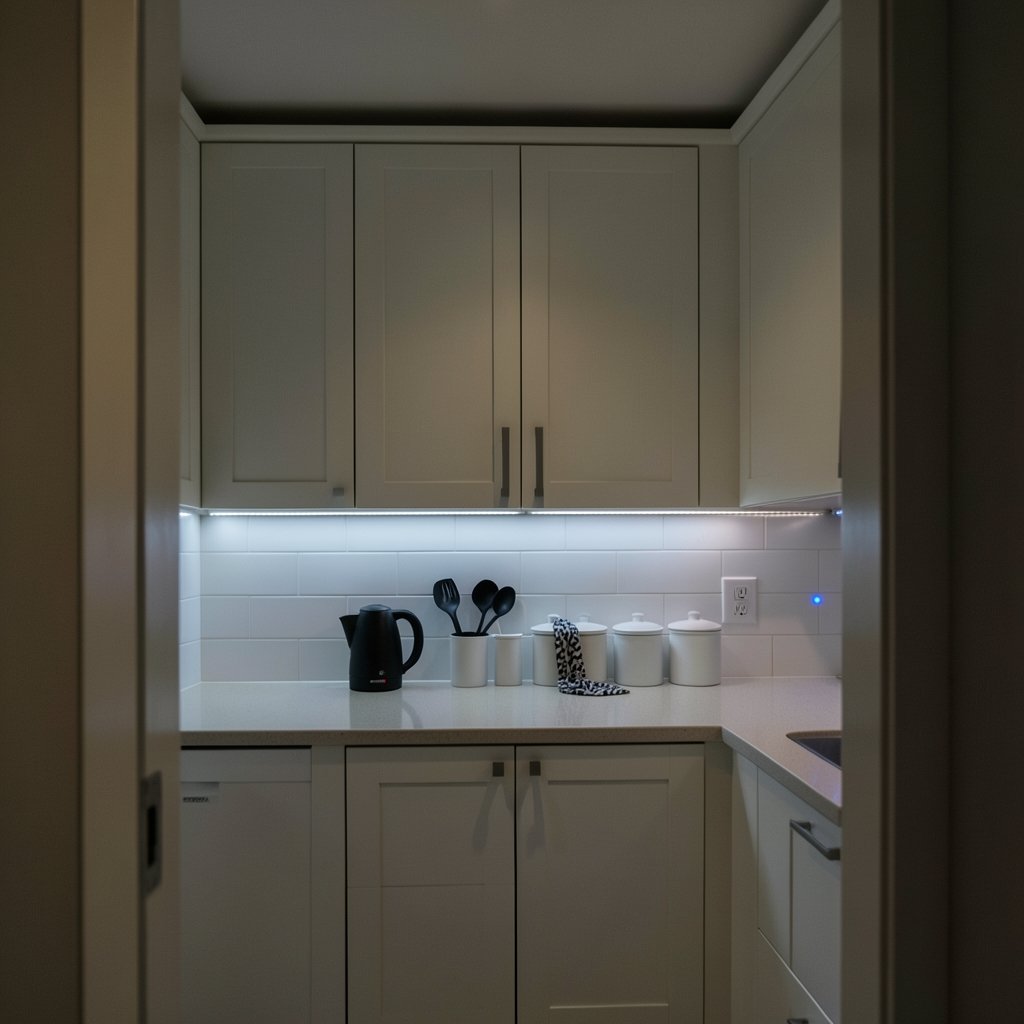
A kitchen remodel can cost tens of thousands of dollars, but it doesn’t have to. According to U.S. Census Bureau housing data, millions of American households tackle improvement projects each year, and a surprising share of them focus on cosmetic refreshes rather than full tear-outs. The lesson is simple: you can change how a small kitchen looks and functions without gutting it. The trick is knowing which upgrades deliver the biggest visual return for the least money, and which ones quietly drain a budget.
This guide walks through practical, low-cost remodeling ideas for compact kitchens. It covers where to spend, where to save, and the mistakes that turn a modest refresh into an expensive headache.
Start With a Realistic Budget and a Plan
Before buying a single tile or paint sample, set a number and stick to it. Labor is usually the largest line item in any remodel, so the more you can do yourself, the further your money stretches. That said, some jobs are worth paying for. Electrical work, plumbing changes, and anything structural should go to licensed professionals, both for safety and for insurance reasons.
A useful rule of thumb is to reserve 10 to 20 percent of the budget for surprises. Small kitchens hide problems behind walls and under floors. A leaky shutoff valve or outdated wiring can surface the moment cabinets come out.
Permits matter too. Structural, electrical, and plumbing changes generally require permits in most U.S. jurisdictions, though requirements vary by location. A quick call to the local building department before work begins prevents costly rework later. Skipping permits can also complicate a future home sale, since buyers and inspectors notice unpermitted work.
For anyone mapping out the full financial picture, a detailed breakdown of home renovation costs helps frame what’s realistic before committing.
Refresh Cabinets Instead of Replacing Them
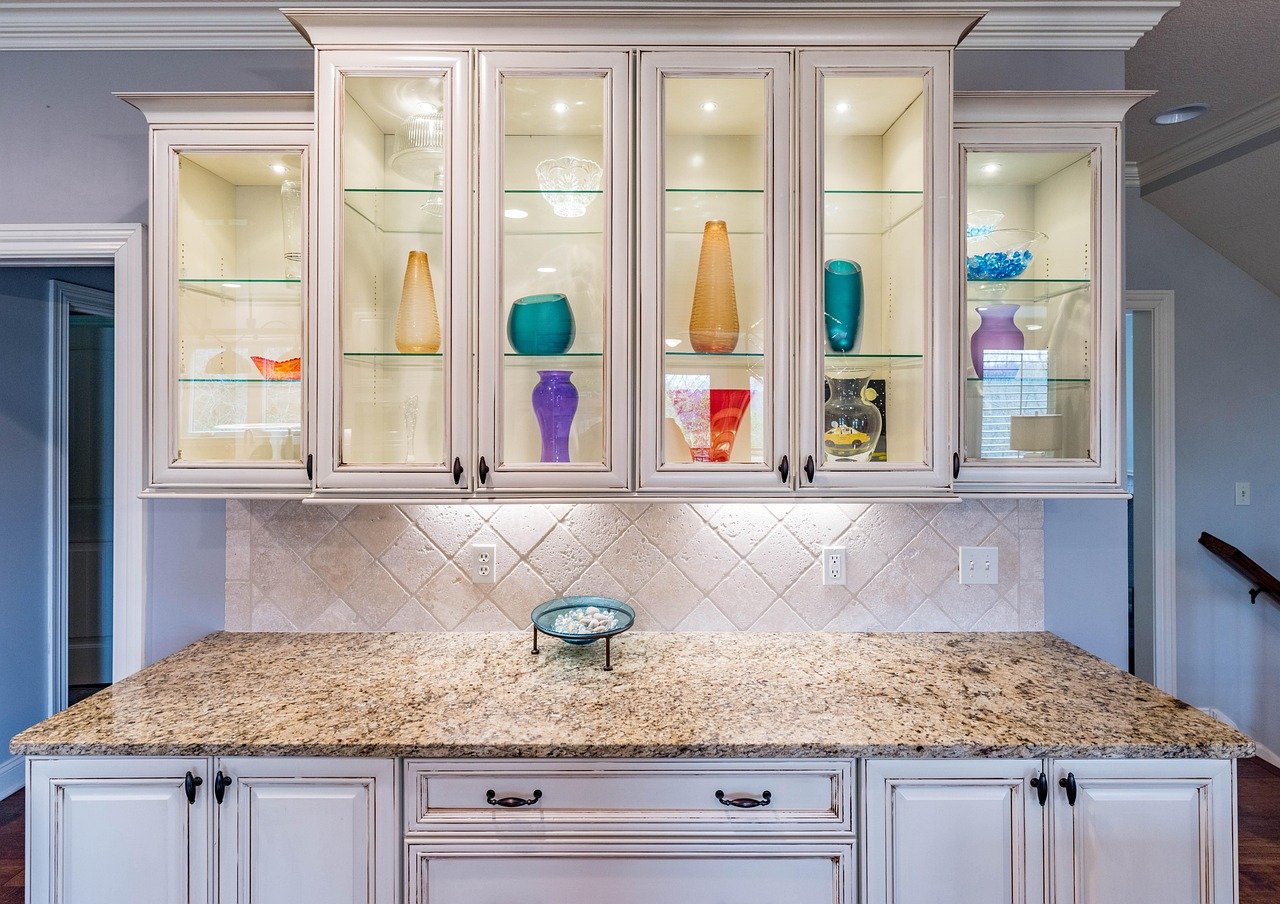
Cabinets eat up a huge share of any kitchen budget, and full replacement is rarely necessary in a small space. Refacing, which swaps doors and drawer fronts while keeping the existing boxes, typically costs far less than a full rebuild. Painting is even cheaper.
Here’s what actually works in practice:
- Clean and degrease first. Paint fails on greasy surfaces. A degreaser and a light sanding make the difference between a finish that lasts and one that peels within a year.
- Use cabinet-specific paint. Standard wall paint stays soft and gums up around handles. A hard-curing enamel is worth the extra cost.
- Label every door and drawer. Small kitchens have oddly sized cabinets, and unlabeled doors rarely go back where they belong.
- Swap hardware. New pulls and knobs cost little and instantly modernize the look.
The most common mistake is skipping the primer or painting over hardware instead of removing it. Both shortcuts show, and both cost more to fix than to do right the first time.
Choose Budget-Friendly Countertops
Countertops are a place where small kitchens have an advantage: less surface area means less material to buy. That makes mid-range options feel affordable.
| Countertop type | Relative cost | Best for | Watch out for |
|---|---|---|---|
| Laminate | Low | Tight budgets, quick updates | Can chip at edges; avoid hot pans |
| Butcher block | Low to mid | Warm, casual look | Needs regular oiling; scratches |
| Quartz | Mid to high | Durability, low maintenance | Pricier per square foot |
| Granite | Mid to high | Unique patterns | Requires sealing |
| Solid surface | Mid | Seamless look | Can scorch or scratch |
For a small kitchen, laminate has come a long way. Modern prints mimic stone convincingly, and the savings can fund other upgrades like lighting or a new sink. Butcher block adds warmth and suits open shelving beautifully, though it demands upkeep. (Kitchen)
One practical tip: order a sample before committing. Colors look different under kitchen lighting than they do in a showroom, and returning a cut slab is rarely possible.
Upgrade Lighting and Hardware for Maximum Impact
Few changes deliver as much per dollar as lighting and hardware. Under-cabinet LED strips brighten work surfaces and make small kitchens feel larger. Swapping dated flush mounts for slim, modern fixtures updates the ceiling line without an electrician in many cases.
The U.S. Department of Energy notes that LED lighting uses a fraction of the energy of traditional bulbs and lasts far longer, which means lower bills over time and fewer bulb changes in hard-to-reach spots.
Hardware is the other quiet hero. Matte black, brushed brass, or simple stainless pulls can shift the entire mood of a kitchen for the price of a nice dinner out. The mistake people make is mixing finishes without intention. Pick one finish and repeat it on faucets, cabinet pulls, and light fixtures for a cohesive look.
Make Small Spaces Feel Bigger
Design tricks matter more in a small kitchen than in a large one. A few low-cost moves change how the room feels:
- Go lighter on walls and cabinets. Light colors reflect light and make tight spaces feel open.
- Use open shelving selectively. A single open shelf can replace a bulky upper cabinet and add visual breathing room. Too many open shelves, though, expose clutter.
- Clear the counters. Small appliances stored out of sight make a kitchen feel instantly larger.
- Add a mirror or reflective backsplash. Both bounce light around the room.
- Choose a consistent floor. A continuous surface from room to room makes the kitchen feel bigger than it is.
For more room-by-room inspiration, a collection of home remodeling ideas offers stylish updates that translate well to compact spaces.
Save on Appliances Without Sacrificing Quality
Appliances are a major expense, but timing and strategy cut the cost. Retailers often discount around major sales events, and floor models or scratch-and-dent units can save real money with only cosmetic flaws.
A few practical guidelines:
- Measure the opening, not the old appliance. Small kitchens have tight tolerances, and a fridge that’s a half-inch too wide won’t fit.
- Prioritize the appliances you use most. A great range matters more than a fancy dishwasher in most households.
- Check for rebates. Many utilities offer incentives for energy-efficient models, and ENERGY STAR lists qualifying products and available rebates.
- Keep the layout. Moving a gas line or water hookup adds cost fast. Replacing appliances in place is far cheaper than relocating them.
The common mistake is buying a full suite at once for a “deal” and then discovering one unit doesn’t fit the space. Measure twice, buy once.
Do the Work Yourself Where It’s Safe
DIY saves money, but only on the right tasks. Painting, hardware swaps, caulking, and assembling shelving are all reasonable for a confident beginner. Electrical, plumbing, and structural work are not, especially in older homes where wiring and pipes may not match modern standards.
A balanced approach works best. Handle the cosmetic work yourself and bring in a licensed pro for anything behind the walls. This split keeps costs down while protecting the home’s value and your safety. For anyone planning a broader refresh, home improvement ideas for every budget show how to sequence projects so the cheap wins come first.
Avoid These Common Budget Mistakes
Even careful remodelers stumble. These are the errors that show up most often:
- Skipping the contingency fund. Something always costs more than expected.
- Buying materials before measuring. Returns on cut materials are often impossible.
- Chasing trends over function. A trendy backsplash won’t fix a bad layout.
- Ignoring ventilation. Cooking without proper venting damages paint and cabinets over time.
- Forgetting the small stuff. Trim, outlets, and touch-up paint add up, so budget for them.
Conclusion
A small kitchen doesn’t need a big budget to feel transformed. Refreshing cabinets, upgrading lighting and hardware, choosing budget-friendly countertops, and making smart design choices deliver most of the visual payoff at a fraction of a full remodel’s cost. The key is planning carefully, reserving a contingency fund, and knowing which jobs to hand to a professional. Spend where it counts, save where it’s safe, and the kitchen will reward the effort for years.
Frequently Asked Questions
How much does a small kitchen remodel cost on a budget?
Costs vary widely by region and scope, but a cosmetic refresh that keeps the existing layout usually costs far less than a full remodel. Painting cabinets, swapping hardware, adding lighting, and updating countertops are the biggest money-savers. Always reserve 10 to 20 percent for surprises.
Can I paint my kitchen cabinets myself?
Yes, and it’s one of the most cost-effective upgrades available. The keys are thorough degreasing, light sanding, a quality primer, and a hard-curing cabinet enamel. Label every door before removing it so everything goes back in the right place. (Indoor Air Quality)
Do I need a permit for a small kitchen remodel?
It depends on the work and the local jurisdiction. Cosmetic changes like paint and hardware typically don’t require permits, but electrical, plumbing, and structural changes usually do. Check with the local building department before starting.
What’s the cheapest way to make a small kitchen look bigger?
Light colors, better lighting, and clear counters do the most for the least money. Adding under-cabinet LEDs, choosing a light wall color, and removing clutter from countertops make a tight space feel noticeably more open.
Are laminate countertops a good choice for a budget kitchen?
Yes, for many households. Modern laminate mimics stone convincingly and costs far less than quartz or granite. It can chip at the edges and shouldn’t take hot pans directly, but it’s a smart choice when the savings fund other upgrades.
Should I replace or reface my kitchen cabinets?
Refacing or painting is almost always cheaper than full replacement, and in a small kitchen the savings are significant. Replace cabinets only when the boxes are damaged or the layout needs to change.
What to Do First When the Budget Is Tight
If the money only stretches to a few projects, sequence them by impact. Painting cabinets and swapping hardware come first because they change the most visible surfaces for the least money. Lighting follows, since better light makes every other upgrade look more finished. Countertops come next if the existing ones are damaged or dated, and appliances last unless something is broken.
This order matters because cosmetic work is reversible and inexpensive, while layout changes and new appliances lock in spending early. Doing the cheap, high-impact jobs first also buys time to save for the bigger items without living in a half-finished kitchen.
Set a Realistic Timeline
Budget remodels rarely finish on the original schedule. Painting cabinets takes longer than expected once doors are removed, sanded, and left to cure. Countertop fabrication adds a week or more. Planning for these gaps keeps the kitchen usable and prevents rushed decisions made out of frustration.
A sensible approach is to tackle one zone at a time: cabinets and hardware over a weekend, lighting the next, countertops when the fabricator is ready. Spreading the work also spreads the cost, which is often the real constraint for budget remodelers.
Final Thoughts
A small kitchen rewards restraint. The rooms that feel best are rarely the ones with the most expensive materials; they’re the ones where every choice was deliberate. Light colors, consistent hardware, good task lighting, and surfaces that suit how the household actually cooks will outlast any trend.
Start with a written budget, add a contingency, and keep the existing layout unless it genuinely fails. Handle the cosmetic work yourself where it’s safe, hire licensed professionals for anything behind the walls, and check local permit rules before work begins. Done this way, a modest spend can make a compact kitchen feel brighter, more functional, and genuinely finished, without the debt that often follows a full remodel.



