
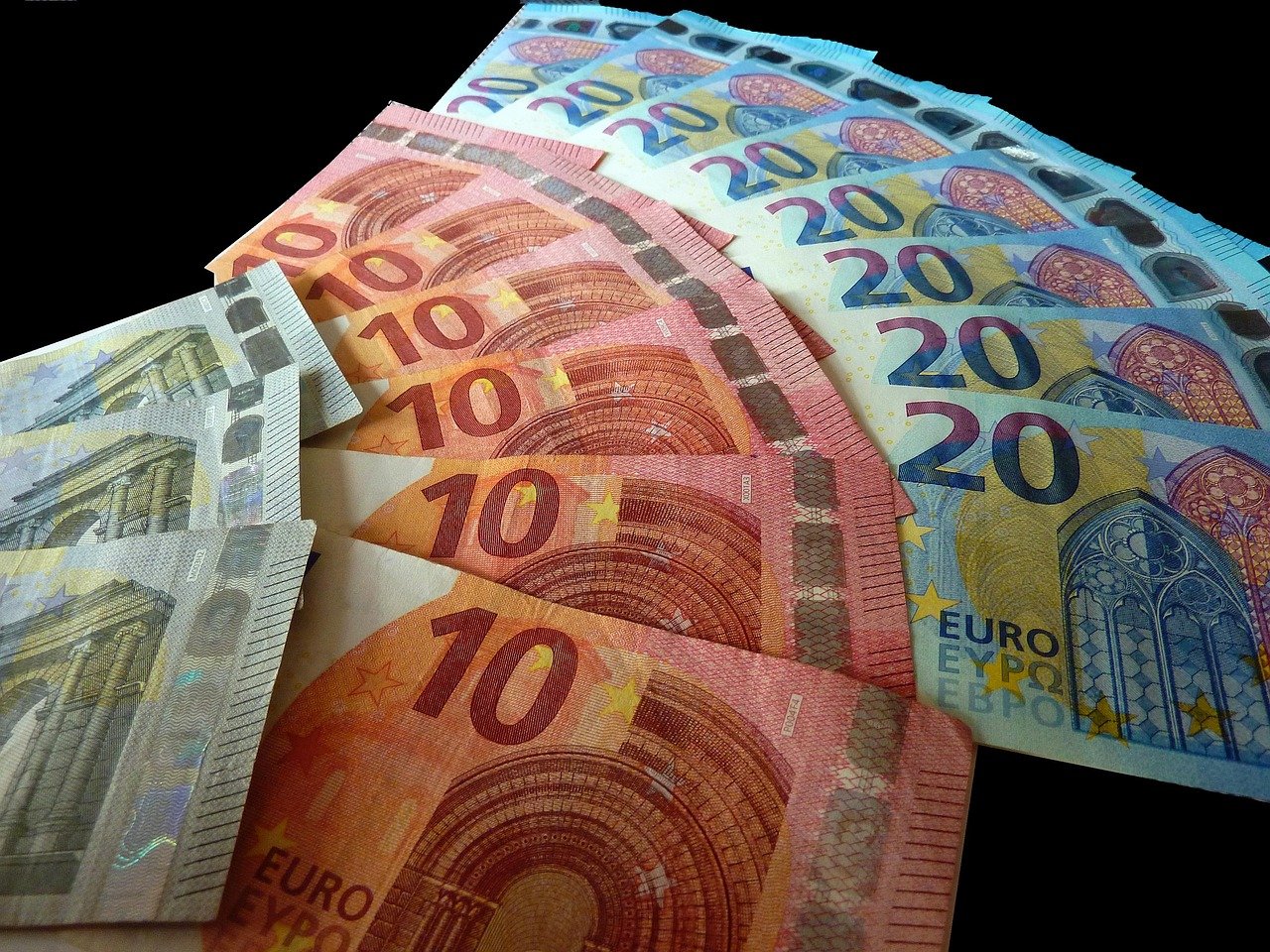
What happens when an artist tears up a banknote, draws a new one by hand, or turns a coin into a tiny sculpture? Money art lives exactly at that strange intersection, and it raises questions most of us never ask about the cash in our wallets. Is a dollar bill a tool, a symbol, a government document, or a piece of design? Artists have spent more than a century proving the answer is “all of the above.”
This article uses a specific definition: money art means work made from, on, or about physical currency, plus art that directly critiques the financial system. It does not cover general finance commentary or investment advice dressed up as creativity. Within that scope, the field is richer, weirder, and more legally complicated than most people expect.
Why Artists Are Drawn to Banknotes and Coins
Money is the most reproduced image on earth. A U.S. dollar bill passes through millions of hands, and almost nobody looks at it closely. That makes currency a free canvas with built-in attention. An artist who alters a note borrows the authority of the state and then bends it.
There is also a practical appeal. Currency is cheap, universally recognized, and loaded with meaning about value, trust, and power. When an artist signs a banknote or draws one from scratch, they are asking a pointed question: who gets to decide what something is worth?
Governments, meanwhile, treat currency design as serious business. The U.S. Bureau of Engraving and Printing frames its note redesigns primarily as anti-counterfeiting measures rather than aesthetic choices, which tells you something about how the state sees its money. Artists see the same objects and read them as visual culture.
The Design History Hidden in Your Wallet
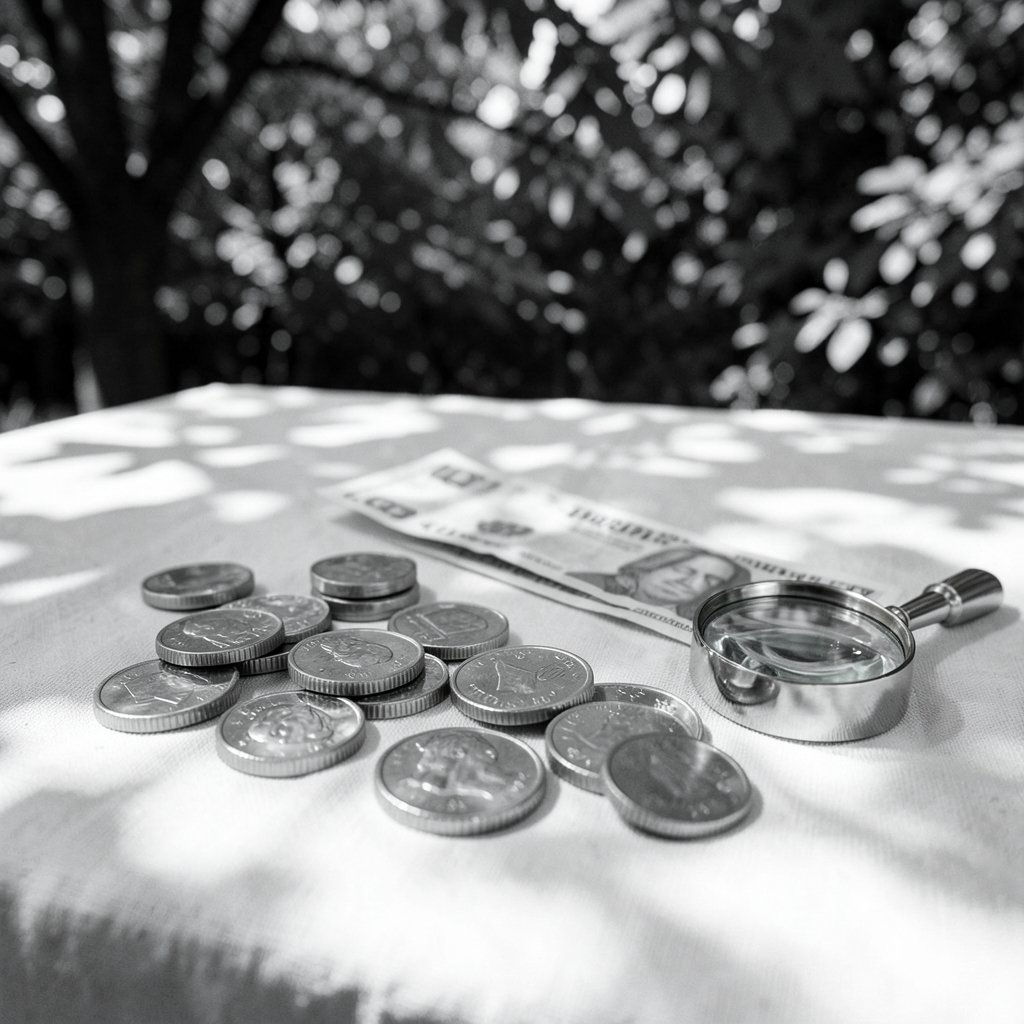
Most people never think of a banknote as a designed object, but security printing has its own design tradition. The Swiss banknote series produced from the 1990s onward is frequently cited in design histories as a high point, where security features and visual elegance were treated as the same problem.
Coins get the same treatment. The U.S. Mint’s 50 State Quarters program, which ran from 1999 to 2008 with five designs per year, turned pocket change into a rotating gallery of state symbols. The related America the Beautiful Quarters followed from 2010 to 2021. Whether or not you call these “art,” they prove that millions of people will study a small metal disc if you give them a reason.
Here is a practical takeaway for anyone curious about the field: start by looking at the money you already have. Compare a pre-2003 U.S. note with a newer one and note how much of the change is security and how much is style. That exercise teaches more about money art than most gallery visits.
J.S.G. Boggs and the Artist Who Spent His Own Drawings
No figure defines money art more completely than J.S.G. Boggs (1955–2017). Boggs drew meticulous, hand-made banknote-like works and then tried to spend them, asking for goods and change in return. His argument was that the transaction, not the paper, created the value.
His practice drew attention from the U.S. Secret Service in the 1980s and 1990s, and the legal questions were genuinely murky. The British Museum holds Boggs material, which matters for a simple reason: institutional collecting is how a provocation becomes art history. When a national museum catalogs an artist’s fake money, the argument is effectively settled.
Boggs also left a practical lesson for anyone tempted to try something similar. The difference between art and a crime often comes down to intent and context. A framed drawing on a gallery wall is one thing; handing it to a cashier and expecting change is another. The artwork and the offense can look identical.
Marcel Duchamp and the Conceptual Foundation
Long before Boggs, Marcel Duchamp drew his Tzanck Check in 1919, a hand-drawn “check” made out for dental work. It is widely cited as a precursor to money-as-art because it separates the idea of payment from the object of payment.
Duchamp’s gesture matters because it established the template: take a financial instrument, reproduce it by hand, and let the gap between the original and the copy do the talking. Every artist who has since drawn a banknote is working in that shadow.
For readers who want to understand the broader conceptual-art context, a museum glossary or encyclopedia entry on readymades and conceptual art is worth an hour. The point is not to memorize dates. It is to recognize that money art is a branch of a much older conversation about what makes something art at all.
When Defacing Money Crosses a Legal Line
This is where enthusiasm meets paperwork. In the United States, 18 U.S.C. § 333 prohibits mutilating, cutting, defacing, or altering Federal Reserve notes with intent to render them unfit for reissue. That statute is the standard legal hook for any discussion of money-as-art in the U.S., and it is worth reading the actual text rather than a summary.
The key phrase is “with intent.” A collage made from shredded bills is treated very differently from a scheme to alter notes for circulation. Artists who work with currency generally fall into the first category, but the risk is real enough that many choose to work with retired, foreign, or reproduced currency instead.
| Approach | Legal risk | Common practice |
|---|---|---|
| Drawing a banknote from scratch | Low | Framed, sold as artwork |
| Collage from shredded or retired notes | Low | Gallery and print sales |
| Altering notes and spending them | High | Rare, usually documented as performance |
| Reproducing currency digitally | Low to moderate | Clear labeling as art |
Practical advice from people who work in this space: photograph and document everything, label works clearly, and never let an altered note circulate by accident. The documentation becomes part of the artwork, and it protects the artist.
If the legal and financial side of this topic interests you, the same questions about value and trust show up in other places. The economics of fraud, for instance, follow similar patterns of belief and verification, and a look at why identity threat detection really costs what it does shows how expensive misplaced trust becomes at scale.
Money as Medium: Collage, Sculpture, and Destruction
Contemporary artists use currency in three main ways, and each has its own craft tradition.
Collage and cutting. Shredded notes, cut fragments, and layered bills create texture that no paint can imitate. The work often comments on waste, inflation, or the sheer physical volume of money.
Sculpture and folding. Origami-style currency folding is the most accessible entry point. It is also the most common place beginners go wrong: crisp new bills fold badly, and older, softer notes hold a crease far better. Practice on low-value notes before attempting anything ambitious.
Destruction as gesture. Burning, shredding, or dissolving money is the most confrontational form. It works best when the destruction is documented and the meaning is clear, because otherwise viewers just see waste.
A common mistake in all three categories is treating the currency as a gimmick rather than a material. The strongest work uses money’s specific properties, like its security features, its portraiture, or its wear patterns, instead of just its shock value.
Crypto, NFTs, and the New Money Art
The definition of money art gets tested hardest by digital work. Beeple’s Everydays: The First 5000 Days sold at Christie’s in March 2021 for $69.3 million, a data point that made the art market and the crypto market look like the same room.
Whether that sale counts as money art depends on your definition. Under the narrow definition used here, it is more about money as a market than money as a medium. But the boundary is genuinely blurry, and that blurriness is itself interesting. Artists working with tokens and blockchain are asking the same question Boggs asked: what makes a representation of value actually valuable? (Money)
For readers following the broader shift toward digital money, the same design and trust questions appear in central bank digital currencies. A plain-language explainer on how CBDCs work as central bank money going digital covers the basics without the hype. (What is money?)
How to Start Looking at Money Art Seriously
You do not need a gallery membership to engage with this field. A few habits make a real difference.
- Look at the physical details of a note before you spend it. Note the portrait, the serial number placement, the security thread.
- Visit numismatic collections online. The Smithsonian’s National Numismatic Collection documents money and its alternatives, including objects that question what counts as currency.
- Read the statute before you experiment. Knowing what 18 U.S.C. § 333 actually says prevents a lot of bad decisions.
- Study one artist deeply rather than skimming twenty. Boggs rewards close reading.
- Keep a notebook of what the money in your pocket communicates about the country that made it.
The last habit is the one that turns curiosity into expertise. Money art is less a genre than a lens, and once you start using it, ordinary cash stops being ordinary.
What Money Art Teaches About Value
Strip away the gallery labels and money art is a long-running experiment in one question: why do we believe in value at all? A banknote works because we agree it works. An artist’s drawn banknote works for almost the same reason, plus a frame and a signature.
That is why the field keeps attracting attention from people outside the art world. The mechanics of belief show up in fraud, in crypto, and in everyday commerce. Scams that exploit trust follow a similar logic, and understanding how the gift card scam works and why victims rarely get their money back is a useful companion to thinking about how value can be manufactured and then vanish.
Money art also offers a gentle entry point into financial literacy. Once you have spent an hour studying a banknote as a designed object, inflation, security printing, and currency redesign stop being abstract. They become things you can see.
Conclusion
Money art sits in an odd, productive place between design history, conceptual art, and law. It includes Duchamp’s hand-drawn check, Boggs spending his own drawings, shredded-bill collages, and the strange overlap between auction houses and crypto markets. What ties it together is a shared insistence that currency is not neutral. It is a designed object, a legal document, and a story about trust, all folded into something most people spend without a second glance.
The practical path into the field is simple. Look closely at the money you already carry, read the statute that governs altering it, and follow one artist’s practice all the way through. Curiosity is the only real prerequisite, and the material is already in your pocket.
What exactly counts as money art?
Under the definition used here, money art means work made from, on, or about physical currency, plus art that directly critiques the financial system. That includes hand-drawn banknotes, collage from shredded bills, folded currency sculpture, and conceptual pieces about payment. It excludes general finance commentary and investment content. Some writers use a broader definition that includes NFTs and crypto art, which is why the term can feel slippery.
Is it illegal to make art out of money?
It depends on what you do with it. In the U.S., 18 U.S.C. § 333 prohibits mutilating or defacing Federal Reserve notes with intent to render them unfit for reissue. A framed collage is treated very differently from an altered note passed in a shop. Many artists avoid the question entirely by using retired, foreign, or reproduced currency. When in doubt, read the statute and document your process.
Who was J.S.G. Boggs?
Boggs (1955–2017) was an American artist who drew intricate banknote-like works by hand and then attempted to spend them, asking for goods and change. His practice drew attention from the U.S. Secret Service in the 1980s and 1990s. The British Museum holds Boggs material, which helped move his work from provocation to art history. He is the single most cited figure in any discussion of money as an artistic medium.
Why do governments redesign currency?
The official rationale is usually security, not aesthetics. The U.S. Bureau of Engraving and Printing describes its note redesigns primarily as anti-counterfeiting efforts. That said, redesigns also carry national symbolism, which is why coin programs like the 50 State Quarters became so popular. For artists, the gap between the stated purpose and the visual result is often the interesting part.
Can beginners try money art at home?
Yes, with sensible limits. Start with foreign or retired notes, or draw currency from scratch rather than altering circulating bills. If you fold currency, use older, softer notes, since crisp new bills crease badly. Document your process with photos, label finished works clearly, and avoid anything that could let an altered note circulate by accident. The material is cheap and the learning curve is gentle.
How does crypto art fit into money art?
Loosely. Beeple’s Everydays sold at Christie’s in March 2021 for $69.3 million, which made the art market and crypto market look intertwined. Under a narrow definition, that sale is about money as a market rather than money as a medium. Under a broad one, it belongs in the story. The disagreement itself is useful, because it shows the field is still defining its own edges.



