

What would you ink on your skin to say something about money — and what would that choice say about you? A money tattoo is one of the most searched body-art themes right now, and for good reason. It sits at the crossroads of luck, ambition, culture, and personal values. Some people want a dollar sign the size of a coin. Others want a quiet symbol that only they understand. The gap between those two instincts is where most tattoo regret lives. (Tattoo)
This guide breaks down what money tattoos actually mean across cultures, which designs hold up over time, where people go wrong, and how to plan a piece you will still like in ten years. It treats the topic the way a good tattoo artist would: honestly, practically, and with an eye on what lasts.
Why Money Tattoos Are More Complicated Than They Look
On the surface, a money tattoo is simple. A coin, a bill, a stack of cash. But money is never just money. It carries meaning about status, security, generosity, greed, luck, and freedom. When you put it on your body permanently, you are making a statement — whether you mean to or not.
That is why the same symbol reads differently depending on who sees it. A dollar sign on a forearm might signal hustle to one person and flashiness to another. A coin behind the ear might be a private nod to a grandparent’s savings habit. Context, placement, and style do most of the talking.
There is also a practical angle. Money tattoos are among the most commonly reworked designs because people choose them on impulse. A quick search for “money tattoo” returns thousands of images, and the temptation is to pick one and book an appointment. The better path is to slow down and ask what the symbol is doing for you.
What Different Money Symbols Actually Mean
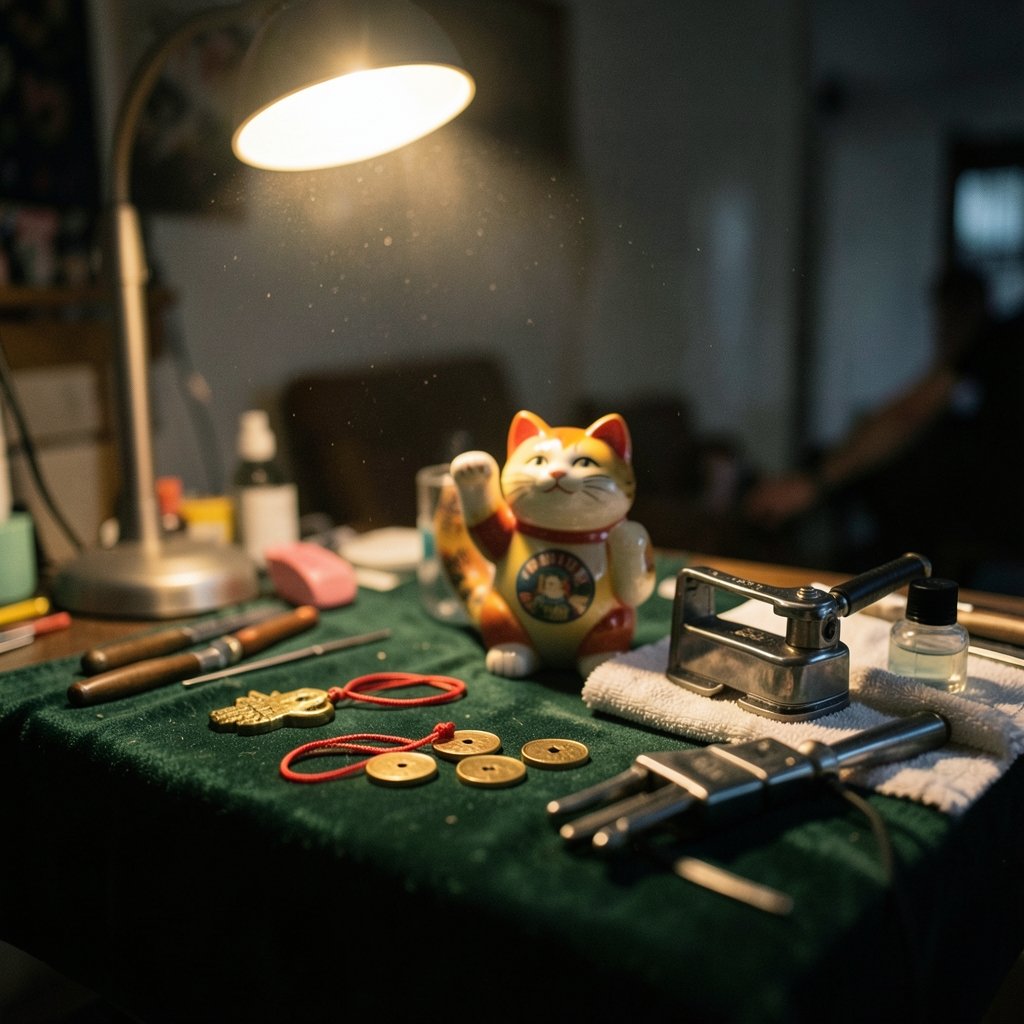
Not all money imagery carries the same message. Here is how the most common motifs tend to read.
| Symbol | Common meaning | Best suited to |
|---|---|---|
| Dollar sign ($) | Ambition, hustle, American pop culture | Bold, visible placements |
| Stack of cash | Financial goals, “securing the bag” | Forearm, calf, ribcage |
| Gold coin | Luck, prosperity, old-world charm | Small, delicate placements |
| Snake and dollar | Risk, temptation, the cost of greed | Larger custom pieces |
| Eye with a coin | Watchfulness over money | Fine-line, minimalist work |
| Hamsa or evil eye with coins | Protection plus prosperity | Wrist, shoulder, back |
| Piggy bank | Childhood, saving, nostalgia | Playful, small designs |
| Blank check | Ambition, possibility, humor | Statement pieces |
The pattern is clear: some symbols celebrate wealth, and others warn about it. A snake wrapped around a dollar bill is not the same message as a lucky coin. Knowing which side of that line you are on is the first real decision.
Cultural and Religious Money Symbols
Money tattoos are not only a Western phenomenon. In many traditions, prosperity symbols carry spiritual weight.
- Hamsa hand: A palm-shaped amulet used across Middle Eastern and North African cultures to ward off misfortune and invite good fortune.
- Chinese coins: Round coins with square holes are tied to feng shui and are often used to attract wealth. Placed in a tattoo, they usually signal balance rather than greed.
- Maneki-neko: The Japanese “beckoning cat” is a charm for business success and customers. It is a popular choice for entrepreneurs.
- Lotus with coins: A blend of purity and prosperity, common in Southeast Asian design.
If a symbol belongs to a culture you were not raised in, it is worth understanding its origin before you wear it. That is basic respect, and it also makes for a better tattoo. A design with a story behind it ages better than one picked off a wall.
The Psychology Behind Choosing a Money Tattoo
Why do people want money on their skin at all? The answer usually falls into one of a few buckets.
Motivation. Some people use tattoos as reminders. A small dollar sign on the wrist can function like a sticky note: keep going, stay focused. This is the same instinct behind vision boards and goal journals.
Identity. For entrepreneurs, freelancers, and tradespeople, a money tattoo can mark a chapter. It says “this is the work I do and the life I am building.”
Luck and protection. Many money tattoos are really good-luck charms. The coin, the hamsa, the four-leaf clover with a bill — these are about hope more than wealth.
Humor. A piggy bank, a crumpled receipt, or a “payment due” motif can be genuinely funny. Humor is a legitimate reason to get inked, as long as the joke still lands in five years.
The risk is when people confuse a symbol with a strategy. A tattoo will not change your finances. It can, however, anchor a mindset — and that is worth being intentional about. If your goal is actually to build income, the practical work matters more than the ink. For a grounded look at turning skills into revenue, see how to make money with AI as a starting point for real-world options.
Where People Go Wrong With Money Tattoos
Most bad money tattoos come from the same handful of mistakes. Avoiding them is mostly about slowing down.
- Choosing a trend over a symbol. A design that is everywhere this year can feel dated fast. Ask whether you would still want it if nobody else had one.
- Going too big too soon. A full sleeve of cash imagery is a big commitment. Many artists recommend starting smaller and building out.
- Ignoring placement. Fingers, hands, and necks fade and blur faster than forearms or backs. Money tattoos with fine detail suffer most in high-friction spots.
- Skipping the meaning check. If you cannot explain the symbol in one sentence, you probably are not ready to wear it forever.
- Budgeting for the tattoo but not the upkeep. Touch-ups, aftercare, and possible removal all cost money. Plan for them.
That last point deserves emphasis. Tattoo removal is expensive, and it is not always successful. If you are weighing the cost of ink against the cost of undoing it, it helps to understand how money decisions compound. A piece like identity threat detection really costs where money goes is not about tattoos, but it makes the same point: hidden costs are the ones that hurt. The same logic applies to any financial commitment, including body art.
How to Design a Money Tattoo That Lasts
A money tattoo that holds up needs three things: a clear concept, a skilled artist, and a placement that suits the detail level. Here is a practical process.
Step 1: Define the message in one sentence
Write down what you want the tattoo to say. “I am building something” is different from “I am lucky.” Your sentence will guide every design choice that follows.
Step 2: Collect references, not copies
Save ten to fifteen images you like. Note what specifically appeals to you — the line weight, the shading, the composition. Bring those notes to your artist. Do not ask for an exact copy of someone else’s tattoo.
Step 3: Match style to symbol
Fine-line work suits delicate coins and minimalist symbols. Traditional and neo-traditional styles suit bold dollar signs and snakes. Blackwork suits high-contrast stacks of cash. The style should serve the symbol, not the other way around.
Step 4: Choose placement with fading in mind
High-movement areas fade faster. If your design has small text or fine detail, put it somewhere with less friction and sun exposure. Back, thigh, and upper arm are safer bets than fingers or feet.
Step 5: Budget honestly
Good work costs money. A custom money tattoo from an experienced artist will cost more than a flash design, and that is usually the right call. Ask about the shop’s minimum, hourly rate, and touch-up policy before you commit. If you are managing a tight budget, treat it like any other purchase and compare options the way you would for how to choose a wedding venue without wasting money and stress — set a ceiling, get quotes, and do not let pressure push you past it.
Money Tattoos in Pop Culture and Street Style
Money imagery has a long history in tattoo culture. Sailors once got coins and dollar signs for luck and safe return. Prison tattoo traditions used currency symbols as markers of status. In the 1990s and 2000s, rappers and athletes pushed the dollar sign into mainstream visibility, and it has stayed there since.
Today the trend has split in two directions. One is maximalist: full sleeves of cash, dice, and gold. The other is minimal: a single tiny coin, a thin-line dollar sign, a small “$$$” behind the ear. Both can work. The difference is intent. Maximalist pieces tend to be about performance and identity; minimal pieces tend to be about private meaning. (Euro banknotes)
Social media has accelerated both. A viral design can spread in days, which is great for artists and risky for clients. The best defense is the same as always: pick a symbol that means something to you, not one that just looks good in a photo.
Aftercare and Long-Term Care for Money Tattoos
Once the ink is in, the work shifts to keeping it sharp. Money tattoos with fine detail and small text are especially vulnerable to fading.
- Follow your artist’s aftercare instructions exactly. Every shop has its own protocol, and yours knows your skin and your piece.
- Keep it out of the sun. UV light is the single biggest cause of tattoo fading. Sunscreen on healed tattoos is non-negotiable.
- Moisturize regularly. Dry skin makes lines look dull.
- Book touch-ups when needed. Most artists offer them, often at reduced cost within a set window.
- Watch for changes. If a line blurs or a color shifts, get it looked at early rather than late.
There is a financial parallel worth noting. Just as a tattoo needs maintenance to keep its value, money needs attention to keep working. Understanding how digital money is changing — from central bank digital currencies to new payment systems — helps you make better decisions about where your cash sits. A primer on CBDC digital currency and central bank money going digital explains the shift in plain terms.
Conclusion
A money tattoo is never just a picture of cash. It is a statement about what you value, how you see luck, and what you are working toward. The people who end up happiest with theirs are the ones who treated the decision like a design project rather than a shopping trip. They defined the message, chose symbols with real meaning, picked a placement that suits the detail, and budgeted for the whole lifecycle — ink, aftercare, and touch-ups.
If you are still deciding, start with a sentence. What do you want the tattoo to say? Once you can answer that in one line, the rest of the choices get much easier. And if the real goal behind the ink is financial change, remember that the tattoo is the reminder, not the plan. The plan is the work you do every day after the bandage comes off.
Frequently Asked Questions
What does a money tattoo symbolize?
It depends on the design. A dollar sign usually signals ambition or hustle, a coin signals luck or prosperity, and a snake with cash often warns about greed or temptation. Cultural symbols like the hamsa or Chinese coins carry spiritual meanings tied to protection and good fortune. The symbol matters more than the category.
Are money tattoos a good idea?
They can be, if you choose a design with personal meaning and a placement that suits the detail. The main risks are trend-driven choices, oversized first pieces, and high-friction placements that fade fast. Slow down, work with a skilled artist, and budget for aftercare and touch-ups.
How much does a money tattoo cost?
Cost varies widely by size, detail, artist experience, and location. Small minimalist designs are typically the least expensive, while custom sleeves cost far more. Always ask about the shop minimum, hourly rate, and touch-up policy before booking, and set a budget ceiling before you walk in.
Do money tattoos fade quickly?
They fade at the same rate as any tattoo, but fine detail and small text fade faster, especially on hands, fingers, and feet. Sun exposure is the biggest factor. Regular sunscreen and moisturizer after healing will keep the lines sharper for longer.
Can I get a money tattoo removed later?
Yes, but removal is expensive, takes multiple sessions, and is not always fully successful. That is why the design decision matters so much up front. If you are unsure, start with a smaller piece in a less visible spot and live with it before committing to more.
Which money symbols work best for a small tattoo?
Coins, tiny dollar signs, four-leaf clovers, and minimalist hamsa hands all work well at small scale because they have simple, readable shapes. Avoid detailed stacks of cash or text-heavy designs in small placements, since they blur as they age.



