
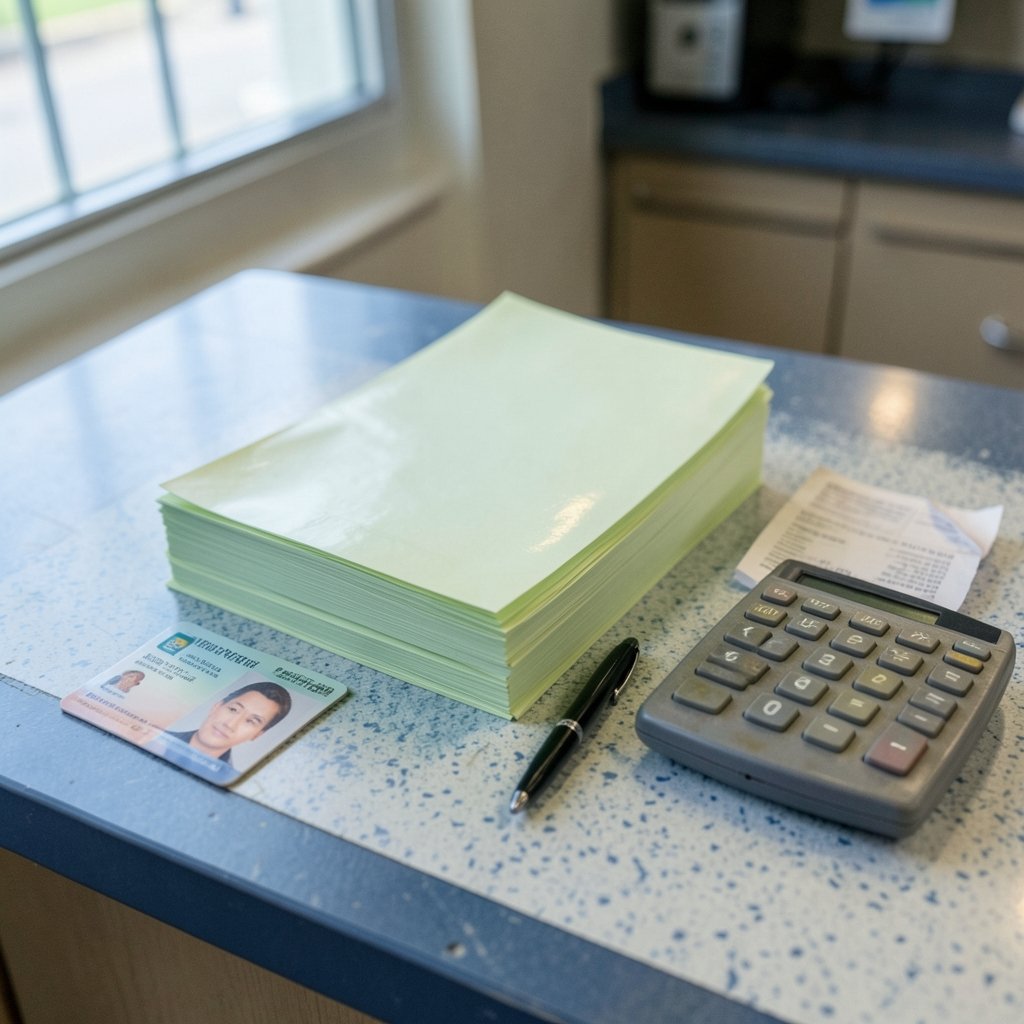
What if the cheapest way to send guaranteed cash in the United States is sitting in the customer service line of your local supercenter? That is the odd reality of the Walmart money order. It is a paper payment instrument sold at a blue-and-white counter, priced lower than almost any bank cashier’s check, and used by millions of people who do not have a checking account or simply do not want to pay bank fees. But cheap does not mean simple. There are limits, ID rules, cashing quirks, and a scam problem that catches people who treat a money order like cash. This guide walks through how the product actually works, what to watch for, and where the real costs hide. (Identity threat detection really costs where money goes) (Money transfers and remittances)
What a Walmart Money Order Actually Is
A money order is a prepaid payment instrument. You hand over cash plus a fee, and you get a paper document with a printed dollar amount, a serial number, and a signature line. The recipient deposits or cashes it. Unlike a personal check, the funds are already paid, so there is no risk of the sender’s account bouncing.
Here is the part many buyers miss: Walmart does not issue the money order itself. The retailer sells it through its in-store financial services desk, branded Walmart MoneyCenter, but the instrument is issued by a third-party money transmitter. Historically that partner has been MoneyGram, and Walmart has also worked with Green Dot-affiliated partners over the years. The issuer’s name printed on the document matters enormously, because that company, not Walmart, controls replacement procedures if the money order is lost or stolen. (Z wave inclusion vs exclusion order matters every device)
MoneyCenter also handles bill payments, check cashing, and money transfers, so the money order is one product in a broader menu. If you are comparing the cost of these services against other financial tools, it helps to understand how fees stack up across the category: the headline price is rarely the whole story.
Fees, Limits, and What You Need at the Counter
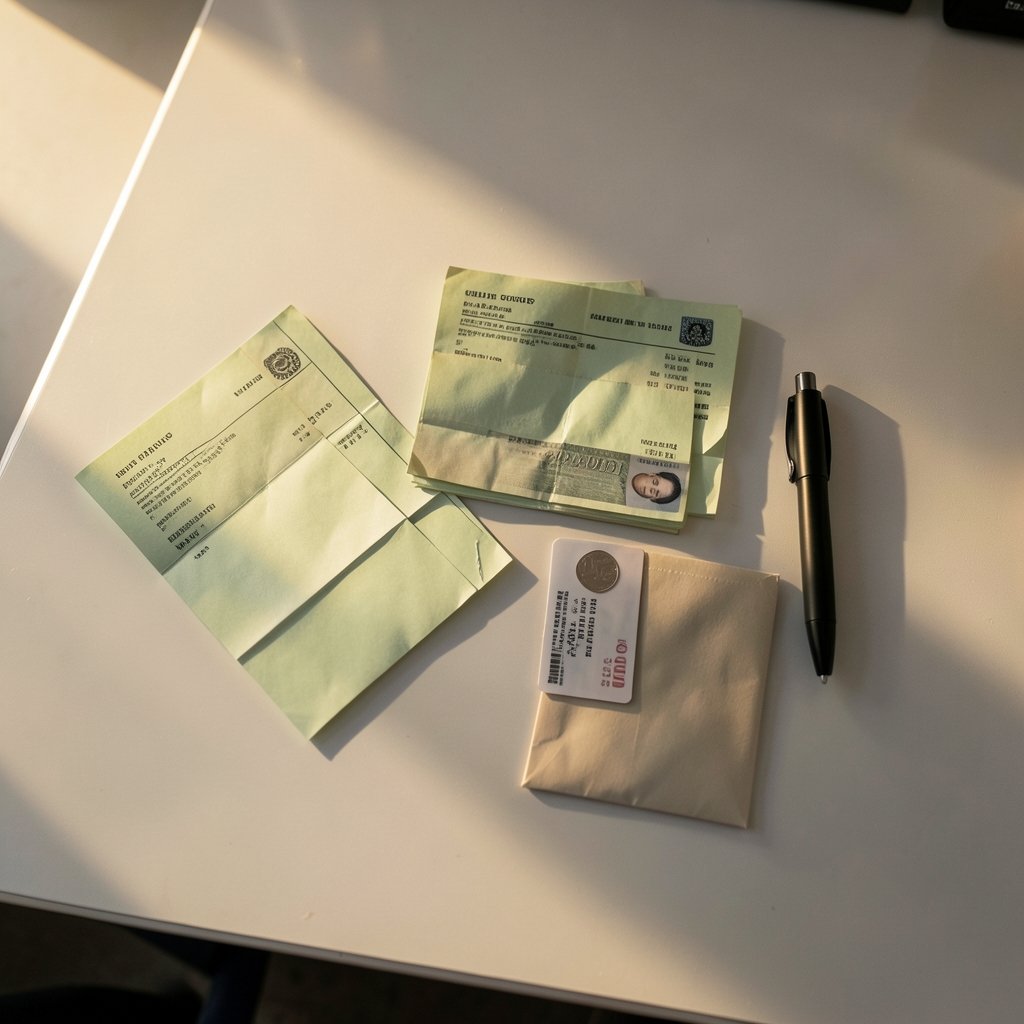
Walmart’s money order fee has long been one of the lowest in the market. Standard money orders have typically been priced under a dollar, with a higher fee for the larger version that covers bigger amounts. Treat any specific number you read online, including in this article, as a starting point rather than gospel. Fee schedules change, and the sign at the counter is the only figure that counts.
Purchase limits work the same way. A single money order is generally capped at around $1,000, and stores may restrict how many you can buy in one day. That cap is why people sending larger sums often buy several money orders at once, which raises its own risks.
Bring identification. A government-issued photo ID is typically required, and cash purchases above certain thresholds trigger federal recordkeeping. Under the Bank Secrecy Act, cash transactions over $10,000 must be reported to regulators on a Currency Transaction Report, a rule that dates back to 1970 and applies to money transmitters as well as banks. You can read the official reporting thresholds at FinCEN’s page on currency transaction reporting if you want the precise rules.
A practical checklist for the counter:
- Bring cash, not a debit card. Many locations do not accept cards for money order purchases.
- Have your photo ID out before you reach the desk.
- Decide the exact amount and payee name before you arrive.
- Keep the receipt and the stub. Photograph both.
- Ask which issuer’s name is printed on the document.
That last step sounds fussy until something goes wrong. The receipt and stub are your only proof of purchase if the money order disappears.
Common Mistakes People Make
The single most common error is filling out the money order incorrectly. A misspelled payee name, a wrong amount, or a signature in the wrong spot can turn a valid instrument into a paperwork headache. Write carefully, use a pen, and do not sign until you are handing it over.
The second mistake is treating a money order like cash. It is not. Cash is anonymous and instant. A money order carries a serial number, can be traced, and can be stopped, but only through the issuer’s process, which takes time and usually a fee.
The third mistake is losing the receipt. Without it, replacing a lost money order becomes far harder. Some issuers will work with you, but the process can stretch for weeks.
The fourth mistake is buying a money order to pay someone you have never met who contacted you online. That is a scam pattern, and it is worth pausing on before the next section.
The Fraud Problem Nobody Warns You About
Money orders are a favorite tool of scammers because they look official and feel safer than a personal check. The classic version works like this: a buyer sends a money order for more than the agreed price, then asks the seller to wire back the difference. The money order turns out to be counterfeit or altered. The victim’s wire transfer is gone, and the bank reverses the deposit.
The Federal Trade Commission publishes consumer guidance on these schemes, and the pattern shows up constantly in fake-check and fake-money-order complaints. The FTC’s consumer scam guidance explains how overpayment scams work and why wiring money back is almost always a loss. The same psychology drives the gift card scam, where victims rarely get their money back: the payment method is chosen because it is fast, hard to reverse, and easy to convert.
A useful rule: never accept a money order from a stranger for more than the asking price, and never send part of the proceeds onward. If someone insists on overpaying and refunding, walk away.
Cashing a Walmart Money Order
Cashing options depend on who issued the instrument and where you take it.
| Where you cash it | Typical requirements | Notes |
|---|---|---|
| Walmart store | Photo ID, may be subject to limits | Convenient if you bought it there |
| Your bank or credit union | Account in good standing, ID | Usually free for customers |
| Check-cashing store | ID, fee applies | Most expensive option |
| Grocery and retail counters | Varies by store policy | Call ahead before you go |
If you are the recipient, do not sign the back until you are at the counter. A signed money order is a bearer instrument in practice, meaning anyone who picks it up can potentially cash it.
Lost or Stolen: What Replacement Really Involves
This is where the issuer’s identity becomes critical. Walmart can sell you the money order, but it generally cannot replace it. That authority belongs to the issuing money transmitter, and the process usually requires:
- The original receipt or a record of the serial number.
- A call to the issuer’s customer service line.
- A waiting period, often 30 to 90 days, to confirm the original has not been cashed.
- A replacement fee in many cases.
If you cannot produce the serial number, the odds of a clean replacement drop sharply. This is why photographing the receipt and the money order before handing it over is not paranoia, it is basic hygiene.
Money Orders vs. Other Ways to Send Money
Money orders are not always the best tool. Here is how they compare with common alternatives.
| Method | Cost | Speed | Reversible? |
|---|---|---|---|
| Money order | Low flat fee | Days by mail | Yes, through issuer process |
| Bank cashier’s check | Often $5 to $15 | Days by mail | Yes, through bank |
| Wire transfer | $15 to $35 | Same day | Very hard |
| Peer-to-peer app | Usually free | Minutes | Limited |
| Personal check | Free | Days | Yes, but can bounce |
For a landlord who wants guaranteed funds, a money order is hard to beat on price. For a stranger online, it is the wrong tool entirely. If you are weighing digital rails against paper ones, the broader shift toward central bank digital currency and digital money is worth understanding, because the payment landscape is moving fast in both directions.
Who Actually Uses Walmart Money Orders
The core users are people outside the traditional banking system, people who want to avoid bank fees, and people paying rent or bills where the recipient demands guaranteed funds. The unbanked and underbanked population in the United States is large, and retail money orders serve as a practical bridge.
There is also a quieter group: budgeters. Some households use money orders deliberately to cap spending, because once the cash leaves your hand, it is gone. That behavioral trick is the same reason some people prefer cash envelopes. If you are interested in how small, disciplined money moves add up, understanding where value actually accumulates is a useful frame for thinking about personal finance more broadly.
Practical Tips That Save Time and Money
Buy during off-peak hours. Customer service desks get crushed on weekends and around the first of the month, when rent is due. A weekday morning visit takes minutes; a Saturday afternoon can eat an hour.
Buy one money order for the full amount if the cap allows. Multiple money orders mean multiple fees and multiple serial numbers to track.
Keep a small ledger. Write down the date, amount, serial number, payee, and issuer for every money order you buy. A photo on your phone works fine.
Never mail a money order without tracking. Use a service that requires a signature, and keep the receipt until you confirm the recipient deposited it.
Check the issuer before you leave the counter. If the name printed does not match what you expected, ask questions. The terms you are agreeing to live on that document.
Conclusion
The Walmart money order remains one of the cheapest ways to send guaranteed funds in the United States, and for plenty of people it is the only practical option. But cheap comes with conditions. The fee is low, the cap is around a thousand dollars, the ID requirement is real, and the issuer, not the retailer, controls what happens when something goes wrong. Buy carefully, keep your receipt, photograph the serial number, and never let a stranger talk you into overpaying and refunding the difference. Do those things and the humble paper money order does its job quietly and well.
Frequently Asked Questions
How much does a Walmart money order cost?
The fee has historically been under a dollar for a standard money order, with a higher charge for the larger version covering bigger amounts. Fees change, so confirm the current price at the counter or on Walmart’s MoneyCenter information before you buy.
What is the maximum amount for a Walmart money order?
Single money orders are generally capped at around $1,000. Stores may also limit how many you can purchase in one day, so call ahead if you need a large total.
Can I cash a Walmart money order at Walmart?
Yes, in most cases, provided you have photo ID and the store’s limits allow it. If you are not the original buyer, bring identification and expect the counter to verify the instrument.
What happens if I lose a Walmart money order?
Replacement is handled by the issuing money transmitter, not by Walmart. You will need the receipt or serial number, and the process often includes a waiting period and a fee.
Do I need ID to buy a money order at Walmart?
Yes, a government-issued photo ID is typically required. Larger cash transactions can also trigger federal reporting requirements under the Bank Secrecy Act.
Are Walmart money orders safe?
The instrument itself is safe when bought and used correctly. The risk comes from scams, where a stranger sends a money order for more than the price and asks for a refund by wire. Never refund an overpayment, and never accept a money order from someone you have not verified.



