

What happens if you sign a money order on the wrong line, in the wrong order, or before you hand it over? The cashier hands it back, the bank puts a hold on it, or worse, the payment bounces days later while you’re sure you already paid. Signing a money order looks like a two-second scribble, but the details around that scribble decide whether the money moves cleanly or turns into a week of phone calls.
This guide walks through the whole process: where the signature goes, when to sign, what to write in the payee field, how to fix a mistake, and how to avoid the scams that hide behind this very ordinary piece of paper.
What a Money Order Actually Is
A money order is a prepaid payment instrument. You buy it for a set amount plus a fee, and the issuer guarantees the funds behind it. That makes it useful for people who don’t have a checking account, for paying rent to a landlord who won’t take personal checks, or for sending money to someone who needs a guaranteed form of payment.
Three names appear on a money order, and mixing them up causes most of the confusion:
| Role | Who it is | What they do |
|---|---|---|
| Purchaser | The person who buys the money order | Fills in the payee, signs, keeps the receipt |
| Payee | The person or business being paid | Endorses the back and deposits or cashes it |
| Issuer | The company backing it (postal service, bank, or payment company) | Guarantees the funds and handles claims |
The signature you’re wondering about belongs to the purchaser, and it goes on the front of the document in most cases. The payee signs the back when they deposit it, which is called an endorsement. Two different signatures, two different purposes.
Where Does the Signature Go?
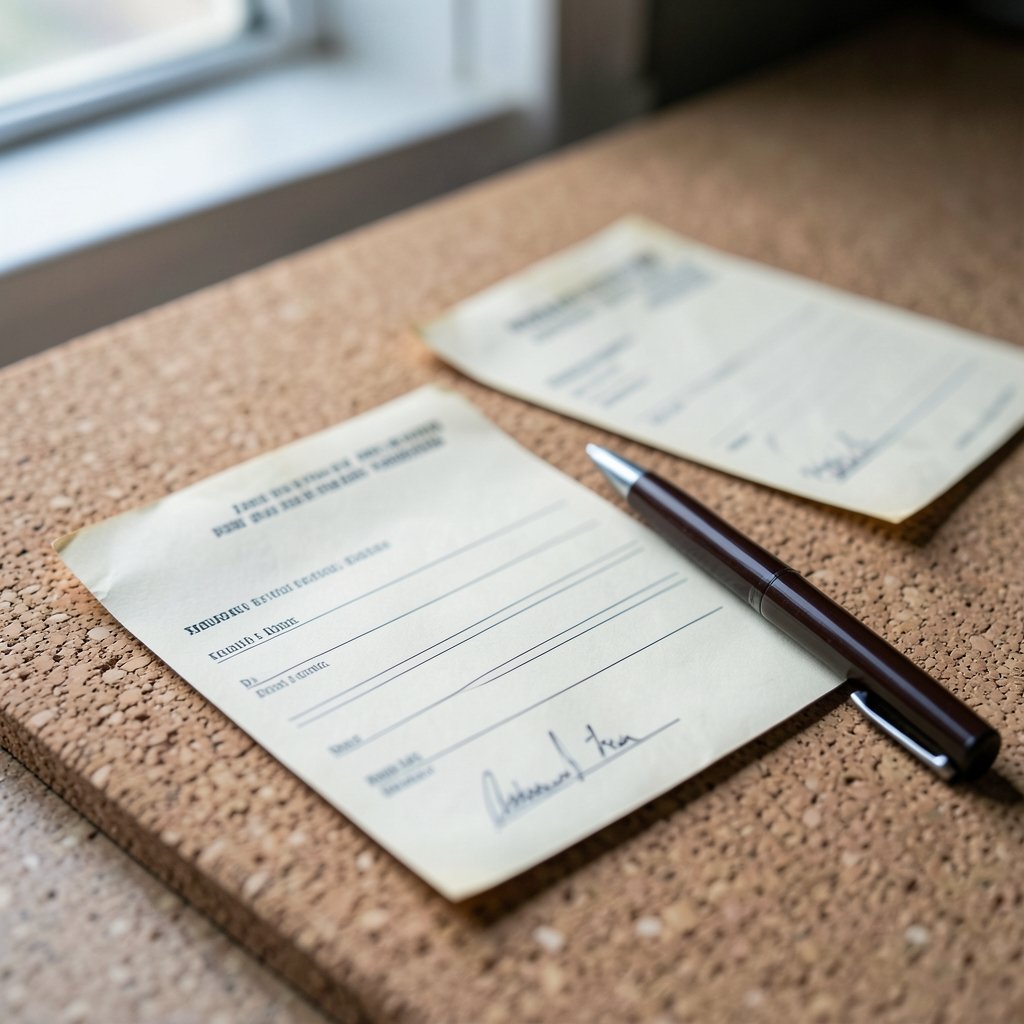
On a standard money order, the front has three fields: the payee line (often labeled “Pay to the order of”), the amount, and a signature line. The signature goes on that front line, next to or below the words “Purchaser’s signature” or “Signer.”
Some money orders also carry a second signature area on the back for the purchaser, separate from the payee’s endorsement space. Read every label before touching the pen. If a field says “purchaser” or “sender,” it’s yours. If it says “payee” or “endorsement,” it belongs to whoever receives the money.
One practical tip that saves trouble: use a blue or black pen, not pencil, and not a marker that bleeds through. A signature that smears or shows through the paper can make a bank teller suspicious, and a suspicious teller means a hold.
When Should You Sign It?
This is where people get tripped up, because the answer depends on who issued the money order.
The U.S. Postal Service has long instructed buyers to sign a postal money order in the presence of the person cashing it, rather than at the counter. The logic is simple: an unsigned document is harder for a thief to use. If you sign it at purchase and then lose it, someone else now holds a ready-to-cash payment.
Many banks and payment companies take the opposite view and ask you to sign at the time of purchase. Neither approach is wrong, but you have to follow the instructions printed on the specific document or posted by the issuer.
Here’s what actually works in practice:
- Ask the clerk at the counter which timing the issuer requires, and follow that.
- If the issuer says sign at purchase, sign at purchase and keep the receipt in a separate place from the money order.
- If the issuer says sign at handover, leave the line blank until you’re face to face with the payee.
- Never sign a money order you didn’t buy. That’s not a shortcut, it’s a red flag for fraud.
Filling In the Payee Name Without Getting It Rejected
A money order that names the wrong person is close to worthless until it’s corrected. The payee name should match exactly how the recipient’s identification or bank account reads.
Common mistakes that cause deposits to bounce:
- Nicknames instead of legal names. “Mike” instead of “Michael R. Alvarez” invites a rejection.
- Missing business suffixes. Writing “Riverside Dental” when the account is under “Riverside Dental Associates LLC” can stall a deposit.
- Two names on one line. Some banks accept “John and Jane Doe” but others require a single payee. Ask first if you’re unsure.
- Sloppy handwriting. A teller who can’t read the name may refuse it outright.
Write the amount in words as well as numbers if the money order has both fields, and make sure they match. A mismatch between the written and numeric amount is one of the fastest ways to get a money order returned.
Signing, Sending, and Keeping Records
Once the payee field and signature are done, the job isn’t over. The stub or receipt you tear off at purchase carries the money order number, and that number is your only real leverage if something goes wrong.
Keep these three things together until the payment clears:
- The purchaser receipt or stub
- The money order number
- The date you sent it and the method you used
If you’re mailing a money order, consider tracked delivery. If you’re handing it to a landlord, ask for a receipt on the spot. If you’re paying a bill, note the account number on the memo line if the money order has one.
If You Make a Mistake
Cross-outs on a money order are a problem. An altered payee or amount can void the document, and in some cases an alteration looks like an attempt at fraud. Don’t try to fix a wrong name or amount with correction fluid or a careful overwrite.
Instead:
- Take it back to the issuer with your receipt.
- Ask whether they’ll reissue it or refund the purchase price minus a fee.
- If the money order was already mailed, ask about a stop payment and the claim process.
Issuers generally charge a fee for replacement and make you wait a period, often around 30 to 90 days, before they’ll refund a lost or stolen order. That waiting window exists because the issuer needs to confirm the original hasn’t been cashed. It varies widely, so confirm the numbers with your specific issuer rather than assuming.
How Long a Money Order Stays Valid
Postal money orders generally don’t expire. Many bank-issued and third-party money orders do, often after a set period such as one to two years. An expired money order isn’t lost money, but reclaiming the value usually means contacting the issuer and following a claims process.
This is one of those details people discover too late, usually when a money order turns up in a drawer two years after it was bought. If you receive a money order, deposit it promptly. If you buy one, use it promptly.
Why Your Bank Might Still Hold the Funds
A money order feels like cash, but banks don’t always treat it that way. Under the Expedited Funds Availability Act and its implementing rule, Regulation CC, banks must make certain deposits available within set timeframes. Money orders fall into a category that can be subject to holds, especially when the amount is large or the account is new.
That means the payee can deposit a money order and still not see spendable funds for a day or more. Plan around it. If you’re paying rent on the first, don’t hand over the money order on the thirty-first and assume it clears instantly.
The Fraud Angle Nobody Wants to Think About
Counterfeit money orders are a well-known scam tool. The pattern is familiar: a stranger sends a money order for more than the agreed amount, asks you to deposit it and wire back the difference, and then the original turns out to be fake. The bank reverses the deposit, and you’re out the money you sent.
A few rules that hold up:
- Don’t accept a money order from someone you don’t know as payment for goods.
- Never refund an overpayment by wire, gift card, or cash.
- Be wary of anyone rushing you or adding urgency to the transaction.
- Verify with the issuer directly if a money order looks off.
The same caution applies to your own payments. If a deal depends on you sending a money order to an unfamiliar address with no paper trail, that’s a warning sign, not a convenience. Scams that rely on irreversible payment methods follow predictable patterns, and understanding how a gift card scam works and why victims rarely get their money back makes the money-order version easier to spot, since both depend on the victim sending value that can’t be clawed back.
Money Orders vs. Other Payment Methods
It helps to see where a money order fits before you commit.
| Method | Reversible? | Signature needed? | Best for |
|---|---|---|---|
| Money order | Rarely, once cashed | Yes, purchaser and payee | Unbanked payers, guaranteed small payments |
| Personal check | Yes, fairly easily | Yes | Local, trusted payees |
| Wire transfer | No | No, but ID required | Large, time-sensitive payments |
| Card payment | Yes, via dispute | No | Everyday purchases |
If you’re moving larger sums or paying across borders, the landscape shifts. Central banks are exploring new forms of digital money, and understanding what a CBDC is and how central bank digital currency works gives useful context on where payments may be heading, even though money orders aren’t going anywhere soon.
Practical Habits That Prevent Problems
A few habits separate people who never have money order trouble from people who do.
Buy from a known source. Grocery stores, banks, and post offices are fine. A stranger selling a money order at a discount is not.
Fill it out in one sitting. Don’t buy a money order on Monday and fill in the payee on Friday. Blank or partially completed money orders are exactly what thieves want.
Photograph the receipt. A phone photo of the stub takes two seconds and gives you the number if the paper disappears.
Match the name to the account. When in doubt, ask the payee how their name appears on their bank account.
Check the fee. Fees vary by issuer and amount. A money order for a small bill can carry a fee that’s a meaningful percentage of the total.
There’s a broader point here about small financial habits and where money quietly leaks away. The same discipline that makes a money order clear smoothly applies to bigger decisions, whether that’s choosing a wedding venue without blowing the budget or using AI tools to earn extra income without wasting money on hype. Details decide outcomes. (Money transfers)
Conclusion
Signing a money order comes down to three things: put the signature on the purchaser line, follow the issuer’s timing rule, and write the payee’s name exactly as it appears on their account. Everything else is record keeping. Keep the stub, note the number, and don’t hand a signed money order to anyone until you’re ready for it to be cashed.
The document itself is simple. The mistakes come from rushing, from guessing at the rules, and from trusting a money order that arrived from a stranger. Slow down for the two minutes it takes to fill it in properly, and the payment clears without a single phone call.
Frequently Asked Questions
Do you sign the front or the back of a money order?
The purchaser signs the front. The back is reserved for the payee’s endorsement when they deposit or cash it. Some money orders include a second purchaser signature area on the back, so read the labels before writing.
Should you sign a money order when you buy it or when you hand it over?
It depends on the issuer. Postal money orders have traditionally been signed in the presence of the person cashing them, while many banks and payment companies ask for a signature at purchase. Follow the printed instructions on the document or ask the clerk.
What happens if you misspell the payee’s name on a money order?
Don’t cross it out or use correction fluid, since alterations can void the document. Take it back to the issuer with your receipt and ask about a reissue or refund, which usually involves a fee.
Can you cash a money order that isn’t signed?
No. An unsigned money order isn’t valid for deposit or cashing. The purchaser’s signature on the front and the payee’s endorsement on the back are both required.
How long does it take to get a refund on a lost money order?
Most issuers require a claim and a waiting period, commonly around 30 to 90 days, to confirm the original hasn’t been cashed. The exact window varies by issuer, so confirm before you file.
Does a money order expire?
Postal money orders generally don’t expire, but many bank-issued and third-party money orders do, often after one to two years. If yours has expired, contact the issuer about reclaiming the value.



