
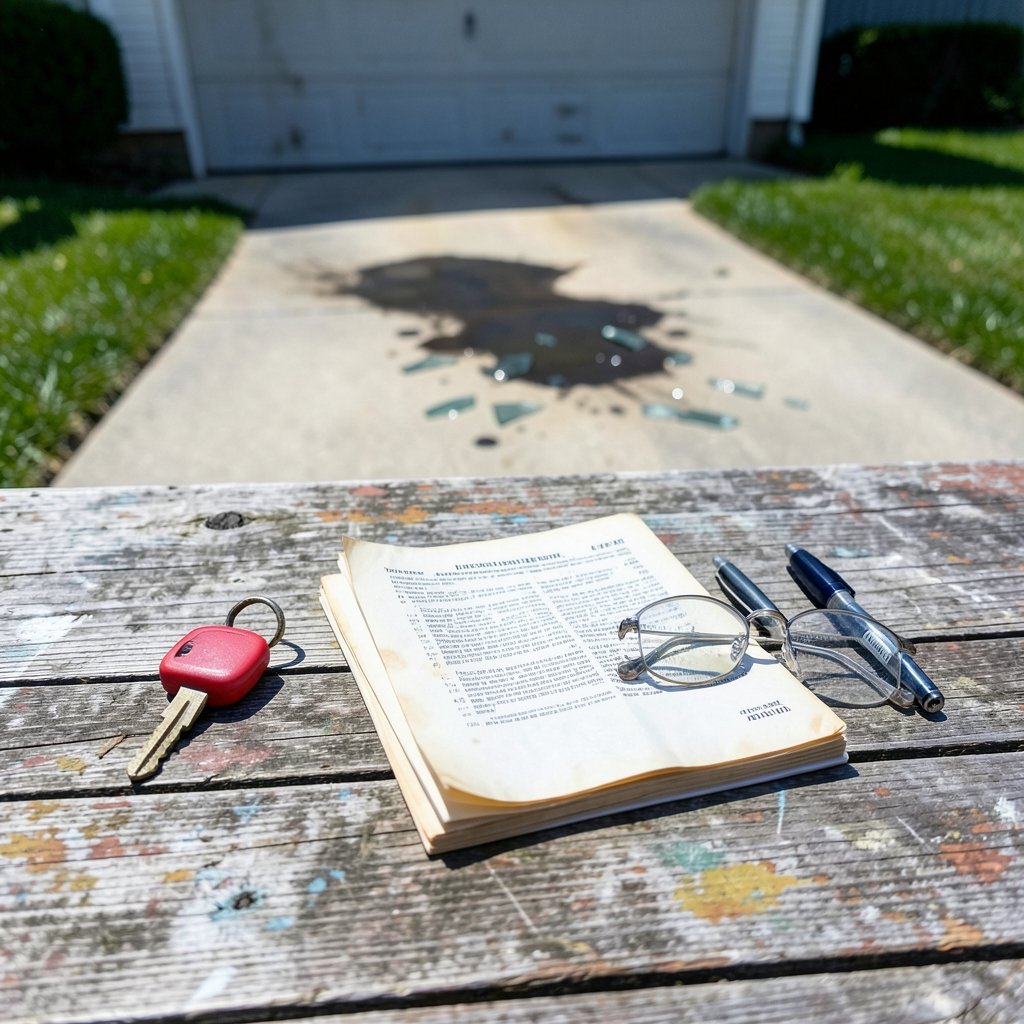
Quick Answer: What happens if your car is stolen and you still owe money?
The loan does not disappear when the car does. A car loan is a secured debt tied to the vehicle, so the borrower keeps owing the remaining balance even after a theft. Comprehensive insurance pays the car’s actual cash value, minus the deductible, and that payout often falls short of the loan balance.
That shortfall is called negative equity, and optional gap insurance can cover it. Without gap coverage, the lender can bill the borrower for the difference, and unpaid balances can go to collections and damage credit. Key things to check before acting include the policy’s comprehensive coverage and deductible, whether gap insurance is in place, the exact payoff amount on the loan, state deficiency-balance rules, and the lender’s requirements during a claim.
Why a Stolen Car Doesn’t Erase the Loan

It feels unfair on a gut level. The car is gone, through no fault of the owner, and yet the payment is still due on the first of the month. But an auto loan is a contract, and the vehicle is collateral. Theft destroys the collateral, not the promise to repay.
That distinction matters because it shapes everything that follows. The lender is not insured against the borrower’s bad luck. The borrower is expected to carry insurance that protects the collateral, and most loan contracts require it. When the car vanishes, two separate processes start running at the same time: the insurance claim and the loan obligation. They overlap, but they do not cancel each other out.
A common mistake is assuming the lender will pause payments while the claim is sorted out. In practice, lenders generally expect payments to keep coming. Missing them can trigger late fees, credit reporting, and eventually collection activity. The car cannot be repossessed because it no longer exists, but the debt absolutely can follow the borrower around.
What Insurance Actually Pays for a Stolen Car
Here is where expectations and reality tend to part ways. Theft is covered under the comprehensive portion of an auto policy, not liability coverage. A driver carrying only liability insurance gets nothing for a stolen car, which is a brutal lesson to learn after the fact.
Comprehensive coverage pays the car’s actual cash value at the time of loss, minus the deductible. Actual cash value means what the car was worth the moment before it was taken, not what was paid for it, and not what it would cost to replace. Cars depreciate quickly in the first few years, and many loans amortize slowly, especially long-term loans with small down payments. The result is a gap, and it can be thousands of dollars wide.
| Factor | Effect on the payout gap |
|---|---|
| Large down payment | Shrinks the gap |
| Long loan term (72–84 months) | Widens the gap |
| Fast-depreciating model | Widens the gap |
| High deductible | Widens the gap |
| Gap insurance in place | Closes the gap, subject to caps |
Two practical habits help here. First, review the policy’s comprehensive deductible before anything happens, because a $1,000 deductible comes straight out of the settlement. Second, check the loan payoff amount against the car’s current market value once or twice a year. If the payoff is far above the value, that is the moment to think about gap coverage, not after a theft. (Coffee maker overflows filter basket it happens fix it)
Gap Insurance: The Safety Net for Negative Equity
Gap insurance, sometimes called loan/lease gap coverage, pays the difference between what the insurer pays out and what is still owed on the loan. It is optional in most cases, though some lenders require it on low- or no-down-payment loans. Terms vary by insurer and by state, and most policies cap the payout, so it is worth reading the fine print rather than assuming full coverage.
The Insurance Information Institute’s explanation of what gap insurance covers is a useful plain-language starting point for understanding how the coverage is structured and where its limits usually sit.
Gap coverage is not the same as new-car replacement coverage, and it is not a substitute for comprehensive coverage. It only fills the shortfall after the insurer has paid out. Without comprehensive coverage, there is no payout to fill a gap against, so gap insurance does very little on its own.
Step by Step: What to Do in the First 48 Hours
The order of operations matters, and delays can complicate a claim. A sensible sequence looks like this:
- Call the police immediately and file a report. The report number becomes the backbone of the insurance claim and is often required by the lender too.
- Notify the insurer as soon as possible. Most policies require prompt notice, and waiting can create avoidable disputes.
- Notify the lender that the car has been stolen. Ask directly how payments should be handled during the claim and request the current payoff amount in writing.
- Gather documents: the police report number, loan account details, policy number, and any proof of the car’s condition and mileage.
- Ask the insurer how the settlement will be calculated and whether the payout goes to the lender first. When a car is financed, the insurer typically pays the lienholder directly.
- Keep paying the loan until someone in authority confirms otherwise in writing.
A frequent misstep is skipping step three. Lenders can be surprisingly flexible about arranging payment timing during an active claim, but only if they know what is happening. Silence reads as non-payment.
When the Car Is Recovered
Sometimes the story has a twist and the car turns up. What happens next depends on its condition. The insurer and lender decide whether to repair and return the vehicle or treat it as a total loss and pay out. A recovered stolen car may also end up with a diminished value or a branded title in some states, which affects what it is worth later. (Smart bulb buzzing when dimmed it happens fix it)
State law and insurer practice control these details, and there is no single national answer. Owners in this situation should confirm the process with their state’s insurance regulator rather than relying on forum anecdotes. The National Association of Insurance Commissioners maintains a directory of state insurance departments where the official rules for each state can be checked. (Vehicle insurance)
If the car comes back damaged but repairable, the loan continues exactly as before, and the owner keeps making payments on a vehicle that may now be worth less than the balance. That is a frustrating outcome, but it is a common one.
The Deficiency Balance: What Happens to the Shortfall
When insurance pays less than the loan, the leftover amount is called a deficiency balance. It does not evaporate. The lender can bill the borrower for the difference, and unpaid balances can be sent to collections and reported to credit bureaus.
The Consumer Financial Protection Bureau‘s guide to how auto loans work is a solid reference for understanding the borrower’s obligations when a financed car is totaled or stolen, including how lenders typically handle the remaining balance.
Some lenders offer to convert the deficiency into a personal loan with a new payment schedule. That can be gentler than a lump-sum demand, but it is still debt, and the interest rate is usually higher than the original auto loan. Before agreeing, it helps to compare the total cost of repayment against other options, and to get the terms in writing.
State law matters here too. Rules on deficiency balances, gap coverage regulation, and title branding vary considerably from state to state, so a neighbor’s experience in a different state may not translate.
Protecting the Rest of Your Finances
A stolen car can ripple outward. If the keys, registration, or documents were inside the vehicle, identity theft becomes a live risk. A stolen key fob can also be used to access accounts tied to the car, which is why security researchers keep warning that convenience features cut both ways. The same logic applies to digital access more broadly: even strong authentication has limits, as this look at passwordless authentication limitations shows, and recovery plans matter as much as prevention.
If a wallet or phone went with the car, freezing credit and changing passwords should happen within days, not weeks. Fraudsters move fast, and the gift card scam playbook shows how quickly stolen information gets converted into losses that victims rarely recover.
Financial recovery after a theft is partly about planning. Understanding where the money actually goes in identity threat detection helps explain why some losses snowball and others stay contained.
Common Mistakes That Cost Real Money
Experience with these situations surfaces a few recurring errors. Dropping comprehensive coverage to save on premiums is the big one. Lenders typically require full coverage, and if a borrower lets it lapse, the lender may buy force-placed insurance and add the cost to the loan. Force-placed policies tend to be more expensive and less generous than a policy the owner chooses.
Other frequent mistakes include waiting days to file a police report, failing to tell the lender, assuming the insurance payout will match the loan balance, and signing a new loan for the deficiency without comparing options. A quieter mistake is never checking the policy at all, which is how people discover after a theft that they had liability-only coverage.
Practical habits that actually work are unglamorous: keep a photo of the odometer and the car’s condition, store the loan and policy documents somewhere accessible outside the car, and review coverage every year when the renewal arrives. The same forward-planning instinct applies to big purchases in general, whether that means timing a major buy around something like Black Friday car deals or simply reading the finance terms before signing.
Conclusion
A stolen car is a rotten experience, and the financial aftermath can make it worse. The loan survives the theft, insurance pays actual cash value rather than the balance, and the gap between the two lands on the borrower unless gap insurance is in place. The people who come through these situations in the best shape tend to be the ones who acted fast, told both the insurer and the lender what was happening, kept paying until told otherwise in writing, and knew their payoff number before the theft rather than after. None of that makes a stolen car pleasant. It just keeps a bad week from turning into a bad year.
FAQ
Does the lender stop charging interest after a car is stolen?
No. Interest generally continues to accrue on the outstanding balance until the loan is paid off, even while an insurance claim is pending. The settlement, when it arrives, is applied to the loan, but the balance keeps growing in the meantime. That is one more reason to notify the lender early and ask how payments should be handled during the claim.
Is gap insurance worth it on a used car?
It can be, depending on the loan. Gap coverage makes the most sense when the loan balance is close to or higher than the car’s value, which happens with small down payments, long terms, and fast-depreciating models. On a used car with a large down payment and a short loan, the gap is often small enough that the coverage adds little value. Check the payoff against the market value before deciding.
What if the car is never found?
After a waiting period set by the insurer and state rules, the claim is typically settled as a total loss. The insurer pays actual cash value minus the deductible, usually to the lender first. Any remaining loan balance becomes the borrower’s responsibility unless gap insurance covers it. The police report stays important throughout, so keep the number handy.
Can the lender require a specific insurance policy?
Loan contracts commonly require the borrower to maintain comprehensive and collision coverage with a deductible below a set limit. Lenders do not usually dictate which insurer to use, but they do care that the coverage exists. If it lapses, the lender may buy force-placed insurance and add the premium to the loan balance.
Does a stolen car affect credit even if insurance pays?
The theft itself does not appear on a credit report, but missed payments during the claim can. Late payments, collection accounts, and unpaid deficiency balances all have the potential to damage credit scores. Keeping payments current, or arranging a documented plan with the lender, protects the credit profile while the claim runs its course.
What happens if the car is recovered after the claim is paid?
The insurer and lender decide whether to repair and return the vehicle or keep it as a total loss. If the claim was already settled, the insurer may take ownership of the recovered car. Some states brand the title of a recovered stolen vehicle, which affects resale value. The exact process depends on state law and the insurer’s practice, so confirm the details with the state insurance regulator.



