
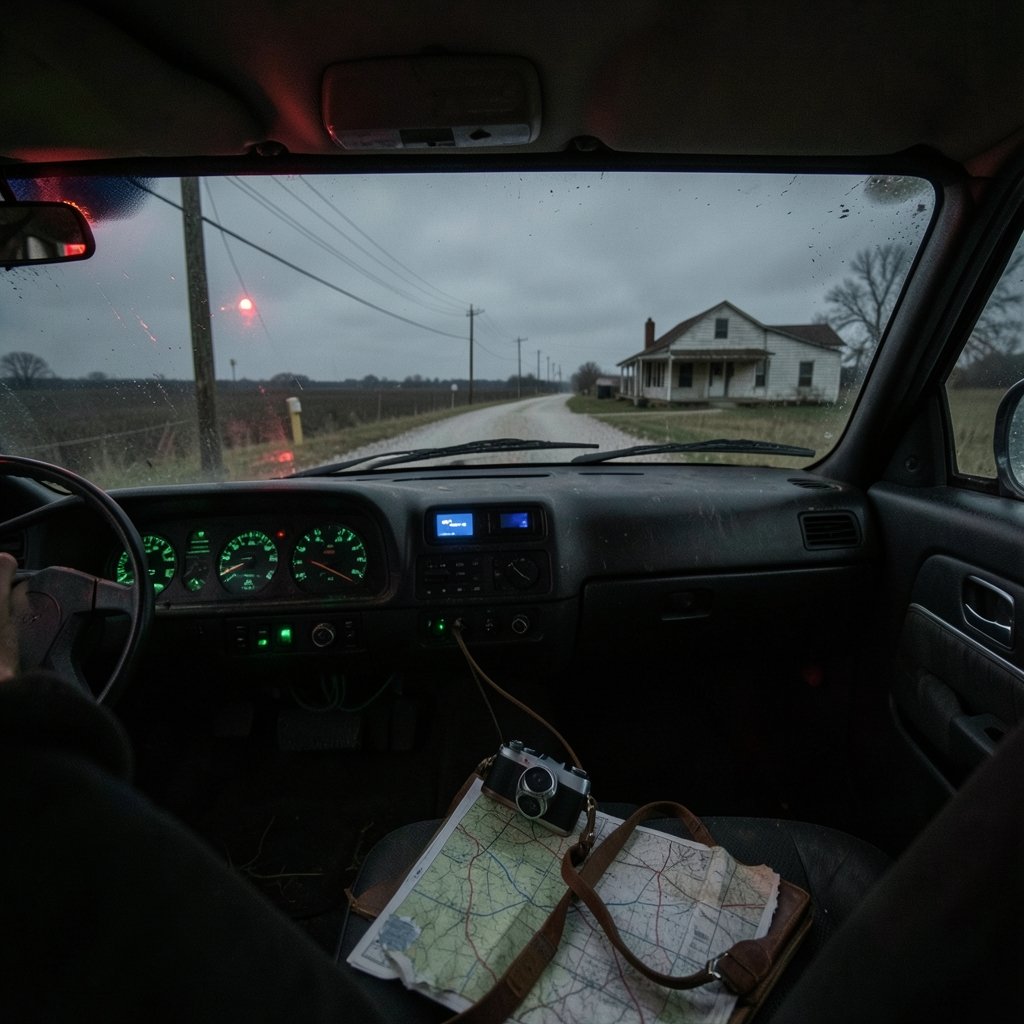
What comes to mind when you hear the words “Money, Mississippi”? For most people, it is not a bank balance or a wallet. It is a tiny, unincorporated community in the Mississippi Delta that became the center of one of the most consequential moments in American civil rights history. Money is not a city with a downtown skyline or a busy main street. It is a place where a country store once stood, where a fourteen-year-old boy from Chicago named Emmett Till walked in the summer of 1955, and where the world changed because of what happened next.
This article explains what Money, Mississippi is, why it matters, what happened there, and how the site is remembered today. It also covers the practical questions visitors ask most often, from where the town sits to what remains of the original store.
Where Is Money, Mississippi?
Money is an unincorporated community in Leflore County, in the heart of the Mississippi Delta. It sits near Greenwood, a larger town that serves as the region’s commercial hub. Because Money is unincorporated, it has no separate municipal government of its own. County services and governance come through Leflore County.
That detail matters more than it might seem. People often search for “Money, Mississippi” expecting a town with a city hall, a police department, or a visitor center. In reality, Money is a small settlement in a rural farming region, and the surrounding landscape is dominated by cotton fields and flat Delta farmland. The community’s identity is tied less to its own institutions than to the history that happened there.
The Mississippi Delta itself is a distinct region. It runs along the Mississippi River in the northwestern part of the state and is known for its fertile soil, its blues music heritage, and its long, difficult history of racial inequality. Money sits within that landscape, and understanding the Delta helps explain why the events of 1955 unfolded the way they did.
The Emmett Till Story: What Happened in Money
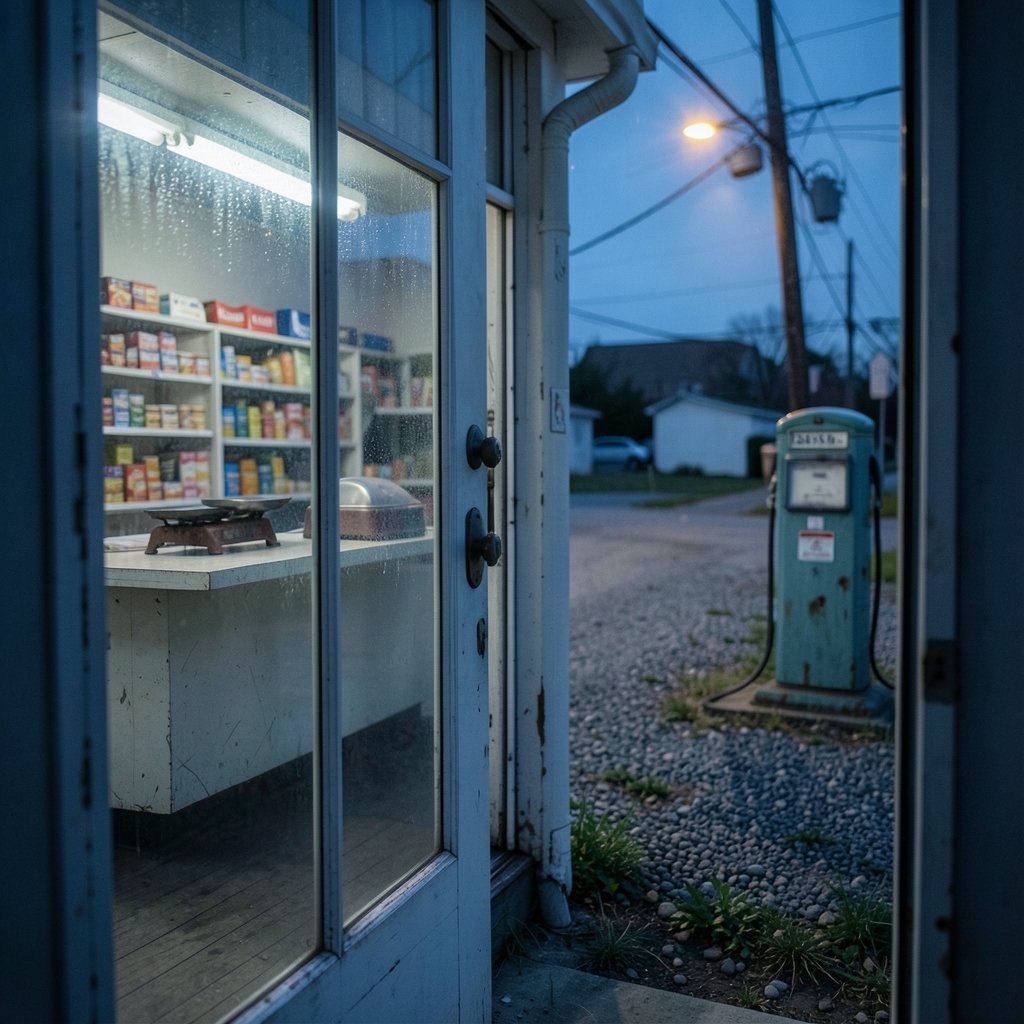
In August 1955, Emmett Till was fourteen years old. He had traveled from Chicago to visit relatives in Mississippi. While at Bryant’s Grocery and Meat Market in Money, he was accused of offending a white woman, Carolyn Bryant, who worked at the store.
Days later, Roy Bryant, Carolyn’s husband, and his half-brother J.W. Milam abducted Till from his relatives’ home. He was beaten and killed. His body was recovered from the Tallahatchie River on August 31, 1955. The brutality of the killing, and the decision by Till’s mother, Mamie Till-Mobley, to hold an open-casket funeral in Chicago so the world could see what had been done to her son, turned a local tragedy into a national and international story.
The case became a catalyst for the civil rights movement. It also exposed how the justice system worked in the Jim Crow South. Understanding what happened in Money requires understanding that the store was not just a backdrop. It was the place where the accusation began, and that accusation set off a chain of events that no one could stop.
The Trial and Its Aftermath
Roy Bryant and J.W. Milam were tried in Tallahatchie County in September 1955. The jury was all white and all male. After deliberating, the jury acquitted both men.
The acquittal did not end the story. In a later paid interview with Look magazine in January 1956, the two men effectively admitted to the killing. That interview, and the public reaction to it, deepened outrage and helped fuel the movement that followed. The case also generated a long record of federal interest. The FBI reopened its investigation into Till’s death in 2004 and again in 2018, and those records are now part of the public record.
For readers who want to understand the legal and investigative side in more depth, the FBI’s public records on the Emmett Till case provide primary documents from the federal investigations. These records show how the case was revisited across decades and why it remains an open wound in American memory.
The Store: Bryant’s Grocery and Meat Market
Bryant’s Grocery and Meat Market was a small country store in Money. It was not a grand building. It was the kind of rural store that served a farming community, selling basic goods to people who lived nearby.
Over the decades after 1955, the building was abandoned. It deteriorated and eventually collapsed. The site has been the subject of preservation efforts, and its condition and ownership have changed over time. That is an important practical point: anyone planning to visit should check the most recent information from official preservation sources rather than assume the site looks a certain way.
The story of the store raises a broader question about how communities preserve difficult history. Some sites are maintained as monuments. Others are left to decay. The Money store site has been caught between those two approaches, and the debate over what should happen to it reflects a larger national conversation about how to remember racial violence.
Why Money, Mississippi Still Matters
Money matters because it is where a specific, documented event happened that changed the course of American history. It is not a symbol in the abstract. It is a real place with a real location, and the events there had real consequences.
The killing of Emmett Till helped galvanize the civil rights movement. It drew international attention to racial violence in the United States. It also led to lasting legal and cultural changes. In 2022, the Emmett Till Antilynching Act was signed into law on March 29, making lynching a federal hate crime. The law’s legislative history is documented in the congressional record for the Emmett Till Antilynching Act, which shows the text and the path the bill took through Congress.
There is also the question of accountability. In 2022, a Leflore County grand jury declined to indict Carolyn Bryant Donham. She died in April 2023. For many people, the absence of a successful prosecution remains a painful reminder of how the justice system failed in 1955 and, in their view, continued to fall short decades later.
Money also matters because it is a case study in how history is remembered. The same small community that was once known only to local residents is now part of a national story. That transformation did not happen by accident. It happened because people insisted on telling the truth about what occurred there.
Memorialization: How the Story Is Told Today
The history of Money is now interpreted through several institutions. The Emmett Till Interpretive Center in Sumner, Mississippi, works to educate the public about the case and its legacy. The National Park Service designated the Emmett Till and Mamie Till-Mobley National Monument on July 25, 2023, and the monument’s official pages explain the sites and the history they represent.
These institutions matter for anyone trying to understand the topic. They provide context that a single visit to a roadside site cannot. They also help visitors understand that Money is part of a larger landscape of memory that includes Sumner, Tallahatchie County, and Chicago.
For readers interested in the broader question of how institutions handle difficult history, the work of the Mississippi Department of Archives and History is a useful reference point. The department maintains state historical records and preservation information, and it is the kind of source that can clarify what is officially documented versus what is local lore.
Practical Tips for Visitors and Researchers
People who want to learn about Money, Mississippi often fall into two groups: travelers who want to see the site, and researchers who want to understand the record. Both groups benefit from a few practical guidelines.
First, do not expect a formal tourist infrastructure. Money is a small, unincorporated community. There is no visitor center in Money itself. The nearest larger town is Greenwood, and the interpretive center is in Sumner.
Second, check current conditions before you go. The store site has changed over time, and preservation status should be confirmed with official sources rather than assumed. A site that was accessible one year may be different the next.
Third, treat the site with respect. This is not a roadside attraction in the conventional sense. It is a place where a child was killed and where a family’s grief became public. Visitors who approach it with that awareness tend to get more out of the experience.
Fourth, read primary sources. The FBI records and the congressional record are more reliable than secondhand summaries. When a story has been retold as many times as this one, the primary documents are the best way to separate fact from embellishment. (Deposit Insurance)
Fifth, understand the geography. Money is in Leflore County, but the trial was in Tallahatchie County, and the interpretive center is in Sumner. Knowing which county and town is which prevents confusion when planning a visit.
Common Mistakes People Make
One common mistake is assuming Money is a town with services. It is not. Another is assuming the store still stands in its original form. It does not. A third is treating the history as settled. It is not. The case has been reopened, reinvestigated, and reinterpreted multiple times, and the legal and historical questions continue to evolve.
A fourth mistake is confusing the various locations associated with the case. Money is where the store was. Sumner is where the trial was held and where the interpretive center is. Chicago is where Till was from and where his funeral was held. Each place tells a different part of the story. (Identity threat detection really costs where money goes)
A fifth mistake is relying on a single source. The case has been covered by journalists, historians, filmmakers, and government agencies. Reading across those sources gives a fuller picture than any one account.
Money, Mississippi in the Broader Conversation
The story of Money connects to larger conversations about race, justice, and memory in the United States. It also connects to practical questions about how communities handle difficult heritage. Some places build museums. Some place historical markers. Some do nothing, and the silence becomes its own statement.
The Money story also intersects with broader questions about money and institutions, though in a very different sense. Readers interested in how financial systems and institutions operate might find related material on topics like how central bank digital currencies work and how threat intelligence budgets are allocated. Those are separate subjects, but they share a common thread: understanding how institutions make decisions that affect ordinary people.
For readers exploring the intersection of technology and commerce, there are also resources on how AI companies generate revenue and how to use AI business automation without wasting money. These are unrelated to the history of Money, Mississippi, but they reflect the same human impulse to understand how systems work and where the money actually goes. (Gift card scam works victims rarely get their money back) (Money)
Conclusion
Money, Mississippi is a small place with an enormous history. It is an unincorporated community in Leflore County where a country store once stood, where a fourteen-year-old boy was accused, abducted, and killed, and where a nation was forced to confront the reality of racial violence. The trial that followed ended in acquittal, but the story did not end there. It continued through federal investigations, a 2022 anti-lynching law, a national monument designated in 2023, and an ongoing conversation about how to remember what happened.
For anyone trying to understand American civil rights history, Money is not a footnote. It is a starting point. The best way to engage with it is to read primary sources, visit with respect, and check current conditions before making plans. The story is difficult, but it is worth knowing.
Frequently Asked Questions
What county is Money, Mississippi in?
Money is in Leflore County, Mississippi, in the Mississippi Delta region near Greenwood. It is an unincorporated community, which means it does not have its own municipal government.
Why is Money, Mississippi famous?
Money is famous because Bryant’s Grocery and Meat Market stood there, and in August 1955 fourteen-year-old Emmett Till was accused of offending a white woman at the store. He was later abducted and killed, and the case became a catalyst for the civil rights movement.
Does the original store still exist?
The building that housed Bryant’s Grocery deteriorated and collapsed over the decades after 1955. The site has been the subject of preservation efforts, and its condition and ownership have changed over time. Visitors should check the most recent official information before planning a trip.
What happened at the trial of Roy Bryant and J.W. Milam?
They were tried in Tallahatchie County in September 1955 before an all-white, all-male jury and were acquitted. In a later paid interview with Look magazine in January 1956, they effectively admitted to the killing.
Is there a memorial or museum about Emmett Till?
Yes. The Emmett Till Interpretive Center is in Sumner, Mississippi, and the National Park Service designated the Emmett Till and Mamie Till-Mobley National Monument on July 25, 2023. These sites interpret the history and provide context for visitors.
Was anyone ever prosecuted for the killing?
Roy Bryant and J.W. Milam were acquitted in 1955. In 2022, a Leflore County grand jury declined to indict Carolyn Bryant Donham, and she died in April 2023. The case has been the subject of federal investigations, including FBI reviews reopened in 2004 and 2018.



